AC Copper Pipe Kit Wholesale India Buying Tips

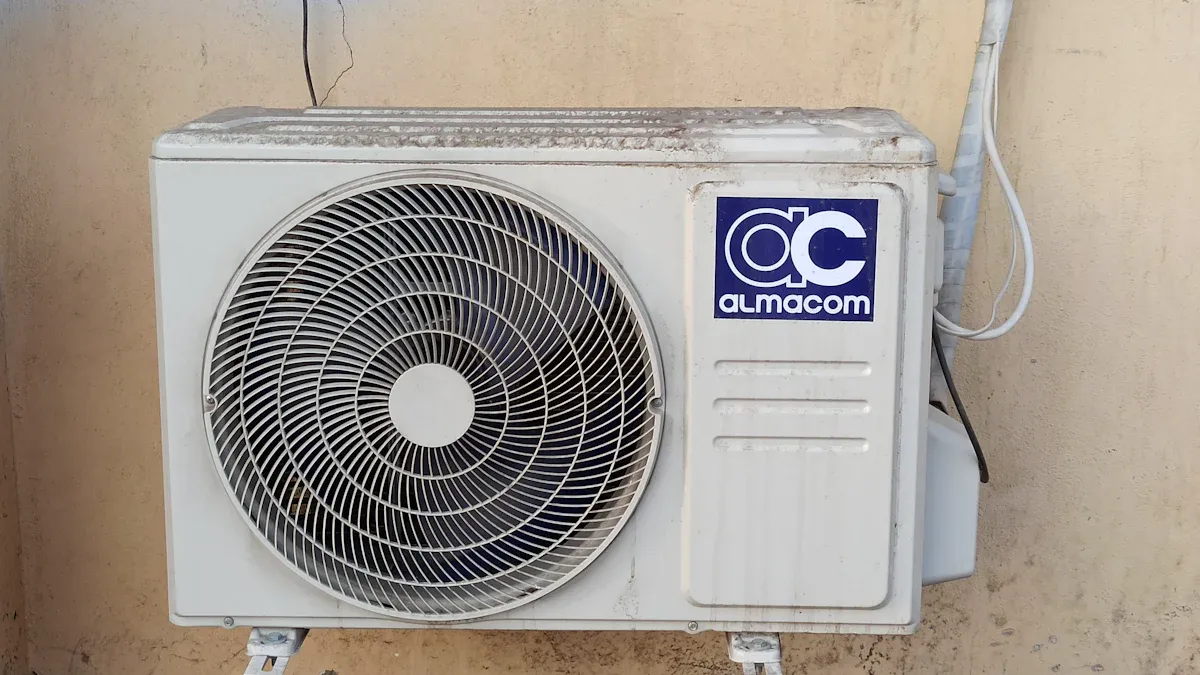
Sourcing an AC copper pipe kit wholesale India in bulk is beneficial. You receive high-quality products at lower prices, which boosts profits. Purchasing in bulk simplifies stock management, ensuring you always have the necessary parts on hand. Planning ahead is crucial in this process. Carefully checking suppliers and product quality helps prevent significant mistakes, contributing to your long-term success.
Key Takeaways
Buying many AC copper pipe kits saves money. It also makes managing stock easier. Plan ahead to get all needed parts.
Find suppliers through online searches or trade shows. Pick ones with fast replies and good reviews for reliability.
Check pipe quality by looking at copper grades and thickness. Ask for samples to make sure the pipes work for you.
Build strong relationships with suppliers. Good communication and trust bring better prices and steady quality.
Learn trade rules and standards to avoid legal problems. This ensures you get safe and eco-friendly products.
Finding Reliable Indian Suppliers
Online Directories and Marketplaces
Start by looking for suppliers on online directories and marketplaces. Websites like IndiaMART, TradeIndia, and Alibaba list many suppliers selling AC copper pipe kits. You can sort results by location, product type, or price. These platforms often include product details, certifications, and customer reviews to guide your choice.
Check how quickly suppliers reply and if they answer your questions. Quick responses usually mean the supplier is dependable. Always confirm the supplier is genuine before placing large orders.
Trade Shows and Industry Events
Visiting trade shows and industry events in India is another good option. Events like the India HVAC Expo and ACREX India feature many AC component manufacturers and distributors. You can meet suppliers, see product samples, and discuss your needs directly.
Talking face-to-face at these events helps build trust and lasting partnerships. You can also learn about new trends and innovations in the industry. Don’t forget to collect business cards and brochures for later use.
Supplier Credentials and Certifications
Before choosing a supplier, check their credentials and certifications. Good suppliers follow industry rules and have certifications like ISO 9001 for quality. These prove the products are safe and meet required standards.
Ask for documents showing the supplier follows GST rules. This ensures smooth deals and avoids legal issues. Suppliers who follow GST rules show they are professional and trustworthy.
Also, ask for references from past customers to check the supplier’s history. Positive reviews from others can help you feel confident in your decision.
Reviews and References
Checking reviews and references is important when picking a supplier. They help you learn about the supplier's work, product quality, and service. Skipping this step can lead to big problems. Here's how to use reviews and references wisely:
Read Online Reviews
Find reviews on sites like IndiaMART, TradeIndia, or Alibaba. These reviews show what the supplier does well and where they fall short. Look for comments about product quality, delivery speed, and customer service.Tip: Reviews from verified buyers are more trustworthy and helpful.
Check Ratings
Suppliers with high ratings often have good experience. A rating above 4 stars usually means they are reliable. But don’t just look at ratings. Combine them with reviews for better understanding.Ask for References
Ask the supplier for references. Contact these references to learn about their experiences. Questions like "Did they deliver on time?" or "Was the product as promised?" can give useful answers.Look for Patterns
Notice repeated comments in reviews and references. If many buyers mention late deliveries, it’s a warning sign. If most praise the product’s durability, that’s a good sign.Use Social Media
Many suppliers are active on LinkedIn or Facebook. Check their profiles for customer feedback and interactions. Social media can also show how they handle complaints.
Note: Be careful of reviews that seem too positive but lack details. These might be fake or paid reviews.
By studying reviews and references closely, you can avoid risks. This helps you pick a supplier that fits your needs and supports your business goals.
Checking Product Quality
Copper Grades and Standards
When buying AC copper pipe kits, knowing copper grades is important. Good-quality copper works better and lasts longer. This improves the cooling of AC systems. Always check if the supplier follows standards like BS EN 12735-1:2020, common in the HVAC field.
This standard explains key details like size limits, strength, and material makeup. It also covers testing rules. Here's a summary of its main points:
Feature | Details |
|---|---|
Standard Number | BS EN 12735-1:2020 |
Pages | 28 |
Release Date | March 31, 2020 |
ISBN | 978 0 539 01383 2 |
Status | Standard |
Key Specifications | Size limits, Strength, Material makeup, Testing rules |
Following these standards helps avoid problems like leaks or poor energy use. Always ask suppliers for proof they meet these rules.
Tip: Copper with 99.9% purity or higher is best for ACs. It conducts electricity well and resists rust.
Thickness and Strength
The thickness of copper pipes affects their strength and use. Thicker pipes handle more pressure and work well for heavy tasks. Measure the pipe's thickness and compare it to industry standards.
Thin pipes may cost less but can break under pressure. This leads to costly repairs. For top ACs in India, thicker pipes give steady cooling and last longer.
Strength also depends on how the pipes are made. Pipes made with seamless extrusion are stronger and have fewer flaws. Always ask suppliers about their production methods.
Note: Pipes with at least 0.8 mm thickness are good for home ACs. Bigger systems may need even thicker pipes.
Product Samples
Before buying in bulk, ask for product samples. Checking samples helps you confirm the pipes' quality and fit for your needs.
Here’s what to look for in samples:
Surface Finish: The surface should be smooth and free of cracks.
Flexibility: Bend the pipe to see if it breaks or holds up.
Weight: Heavier pipes often mean better materials.
Compatibility: Make sure the pipes work well with other AC parts.
Testing samples also shows how well the pipes cool AC systems. This step reduces risks and ensures you get what you need.
Pro Tip: If you can, do a pressure test on the sample. This checks its strength and leak resistance.
Industry Compliance
Making sure products follow industry rules is very important. It ensures the AC copper pipe kits are safe, high-quality, and eco-friendly. Following these rules helps avoid legal trouble and keeps your business respected.
Why Compliance Matters
Compliance makes copper pipes stronger and last longer. It also protects you from fines for breaking rules. When you focus on compliance, customers and partners trust your business more.
Tip: Always ask suppliers to prove they follow rules before buying. This prevents problems later.
Key Standards to Check
Suppliers should follow important industry standards for quality and safety. These rules ensure the pipes work well and are safe. Below are some key standards:
Standard | Purpose | Why It Matters |
|---|---|---|
ASTM B88 | Sets copper pipe sizes | Ensures pipes fit HVAC systems |
BS EN 12735-1:2020 | Covers pipes for cooling systems | Guarantees strength and good performance |
ISO 9001 | Focuses on quality management | Shows consistent product quality |
RoHS Compliance | Limits harmful materials | Protects the environment |
These standards make sure pipes meet technical and eco-friendly needs. Suppliers who follow them usually deliver better products.
Testing and Certification
Testing is very important for compliance. Good suppliers test pipes for strength, thickness, and purity. Common tests include pressure checks and rust resistance tests.
Ask suppliers for certifications from trusted organizations. Certifications like ISO 9001 or RoHS prove the pipes meet global rules.
Note: If a supplier won’t share certifications, it’s a warning sign.
Environmental and Safety Regulations
Making copper pipes can affect the environment. Suppliers must follow rules to reduce harm. Look for compliance with eco-friendly standards like RoHS.
Safety rules are also important. Pipes should be safe to use and install. Suppliers should show proof they follow safety rules.
Pro Tip: Pick suppliers who use green methods to make pipes. This supports eco-friendly business practices.
How to Verify Compliance
You can check compliance by asking for documents and visiting suppliers. Use this checklist:
Ask for Certificates: Request ISO, ASTM, or RoHS certificates.
Review Test Reports: Look at reports on pipe strength and rust tests.
Visit Facilities: Check how suppliers make their products.
Check Labels: Make sure pipes have marks showing they follow rules.
Following this checklist helps you avoid risks and get quality products.
Reminder: Compliance isn’t just about avoiding fines. It’s about giving customers great products and earning their trust.
Negotiating Bulk Pricing
Volume Discounts
Buying many AC copper pipe kits can save you money. Suppliers often lower prices for big orders. This helps both you and the supplier. You pay less, and they sell more.
Ask suppliers about their discount levels to save more. For example, they might give 5% off for 500 units or 10% off for 1,000 units. Match these discounts with your budget and needs.
Tip: Buy during busy seasons for air conditioners. High demand can help you get better deals.
Payment Terms
Payment terms are important when buying in bulk. Flexible terms can help you manage money better. Talk to suppliers about partial payments or longer deadlines.
Some suppliers let you pay after getting the goods. Others may give discounts if you pay upfront. Pick terms that work best for your business.
Note: Always get payment terms in writing to avoid confusion.
Comparing Supplier Quotes
Check quotes from different suppliers to find the best deal. Ask for detailed quotes that include product prices, shipping costs, and extra fees.
Use a table to compare offers:
Supplier | Unit Price | Discounts | Shipping Cost | Payment Terms |
|---|---|---|---|---|
Supplier A | $10 | 5% for 500+ | $200 | 30 days credit |
Supplier B | $9.50 | 10% for 1,000+ | $250 | Upfront payment |
Don’t just pick the cheapest option. A higher price might include better terms or faster delivery.
Pro Tip: Choose suppliers with clear quotes and no hidden charges.
Long-Term Relationships
Having long-term relationships with suppliers helps your business grow. Trustworthy suppliers give steady product quality, better prices, and smoother work. Spending time to build these bonds makes suppliers care more about your needs.
Why Long-Term Relationships Matter
Good supplier relationships build trust and teamwork. Trusted suppliers may offer easier payment plans, faster deliveries, and special discounts. They might also agree to unique requests like custom packaging or urgent orders.
Tip: Think of suppliers as partners, not just sellers. This builds teamwork and shared success.
How to Build Lasting Partnerships
Follow these steps to make strong supplier connections:
Stay in Touch
Talk to suppliers often. Share your plans and needs early. Regular updates help avoid confusion and improve planning.Keep Promises
Pay bills on time and follow agreements. Being reliable makes suppliers trust you and offer better service.Give Feedback
Tell suppliers what you like and what can improve. Positive feedback encourages them, and suggestions help meet your needs.Visit Them
If you can, visit their workplace. Meeting in person builds trust and shows you value the partnership.
Benefits of Long-Term Relationships
Long-term supplier bonds lower risks. Suppliers who know your business can predict your needs and prevent problems like running out of stock. They may also share tips on market trends and new products to keep you ahead.
Reminder: Building strong relationships takes time. Be consistent and respectful to create lasting partnerships.
Focusing on long-term supplier relationships secures your supply chain and strengthens your business.
Shipping and Logistics Considerations
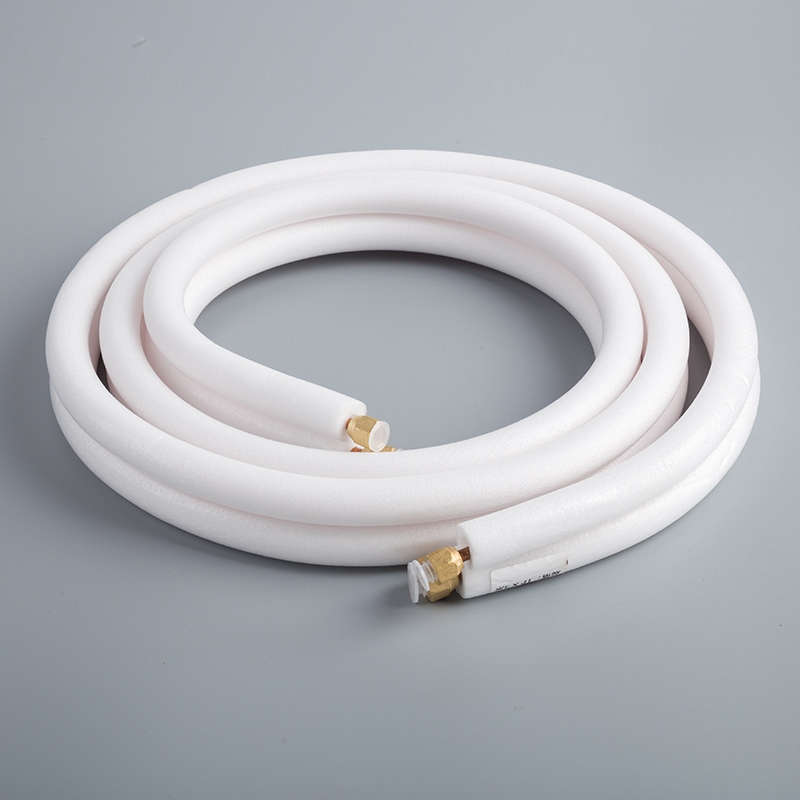
Air vs. Sea Freight
Deciding between air and sea freight depends on your needs. Air freight is quicker but costs more money. It’s great for urgent deliveries or smaller shipments. For instance, if you need AC copper pipe kits during busy seasons, air freight delivers fast.
Sea freight is cheaper and better for large shipments. It’s ideal when time isn’t a big concern. However, it can take weeks to arrive. Think about your product type too. Copper pipes are strong, so they handle sea freight well.
Tip: Check total costs, including delays, before choosing a method.
Customs and Import Duties
Knowing customs and import duties is very important. These fees differ by country and can raise your costs. Look up duty rates for copper items in your area. Government trade websites or customs brokers can help you find this information.
Get all required documents ready, like invoices and packing lists. Missing papers can slow down customs clearance. Some suppliers help with paperwork, so ask if they offer this service.
Note: Always include customs fees when figuring out your total costs.
Delivery Timelines
Delivery times depend on shipping type and distance from India. Air freight usually takes 3–7 days, while sea freight may take 20–40 days. Add extra time for customs checks and local delivery.
To avoid delays, confirm how long the supplier needs to prepare your order. Good suppliers give accurate timelines and stick to them.
Pro Tip: Order early to avoid problems caused by unexpected shipping delays.
Freight Forwarders
Freight forwarders help manage shipping when importing AC copper pipe kits. They work between you and shipping companies to ensure smooth delivery. Picking the right freight forwarder saves time, lowers costs, and makes logistics easier.
Why Use a Freight Forwarder?
Freight forwarders handle tricky shipping tasks for you. Here’s how they help:
Customs Clearance: They complete paperwork and follow import rules.
Shipping Coordination: They plan transport by air or sea and track shipments.
Cost Optimization: They get lower rates by shipping in large amounts.
Problem Solving: They fix issues like delays or lost goods quickly.
Tip: A skilled freight forwarder keeps your shipment on time and within budget.
How to Choose the Right Freight Forwarder
Choosing the best freight forwarder is important for easy shipping. Think about these points:
Experience: Pick one familiar with copper or HVAC products.
Network: Find a forwarder with strong connections in India and your country.
Services Offered: Make sure they handle customs, insurance, and delivery.
Reputation: Read reviews and ask for references to check reliability.
Criteria | Why It Matters |
|---|---|
Experience | Shows they understand your product needs. |
Strong Network | Speeds up shipping and avoids delays. |
Comprehensive Services | Makes the shipping process simple. |
Positive Reputation | Builds trust and ensures dependability. |
Pro Tip: Work with a freight forwarder who gives clear pricing and regular updates.
A dependable freight forwarder lets you focus on your business while they handle shipping.
Ensuring Compliance with Regulations
Trade Rules
Knowing trade rules is very important for buying AC copper pipe kits. These rules make sure products are safe, eco-friendly, and high-quality. Recent updates have changed how sourcing works. For example, the RoHS rule now bans lead over 0.1%. SEER2 rules require copper pipes to be thicker by 10–15%. Also, the U.S. Inflation Reduction Act caused lead times to rise by 12% in early 2023.
Rule/Standard | Effect on Buying | Change in Numbers |
|---|---|---|
RoHS Rule | Limits lead content | Bans lead > 0.1% |
SEER2 Rules | Thicker copper pipes | 10–15% increase |
U.S. Inflation Act | Longer lead times | 12% rise in H1 2023 |
Stay informed about these updates to avoid problems. Working with suppliers who follow these rules ensures smooth buying and good products.
Needed Documents
Having the right papers is key for importing AC copper pipe kits. Rules require certain documents to prove products meet standards. For example, insulation must have the right thickness and R-value based on fluid temperature, as shown in Table 120.3-A.
Document Type | Details |
|---|---|
Insulation Thickness | Must meet thickness rules based on fluid temperature and conductivity. |
R-value Requirement | Insulation must meet R-value limits in Table 120.3-A. |
Ask suppliers for all needed papers, like compliance certificates and test results. Missing or wrong documents can cause customs delays or fines. Always check these papers carefully before shipping.
Taxes and Import Fees
Taxes and import fees, like GST, affect the total cost of buying AC copper pipe kits. In India, GST applies to most imports, including HVAC items. Knowing GST rates and other taxes helps you plan costs better.
For example, copper pipes may fall under a specific GST rate, changing your budget. A customs broker can help you understand these fees and follow tax rules. Always include these costs in your budget to avoid surprises.
Tip: Ask your supplier for a full list of taxes and fees to keep things clear.
Environmental and Safety Standards
When buying AC copper pipe kits, focus on safety and eco-friendly rules. These rules make sure products are safe, good for the planet, and follow laws. Ignoring them can cause legal trouble, unhappy customers, or harm to nature.
Why Environmental Standards Matter
Environmental rules help reduce damage to the planet. For example, RoHS limits harmful materials like lead in products. Pipes without toxic substances are safer for people and the environment. Always ask suppliers for proof they follow these rules. This ensures your products meet global standards.
Key Safety Standards to Check
Safety rules keep users and installers safe. Copper pipes should be strong, leak-free, and resist rust. Certifications like ISO 14001 show eco-friendly practices, while ISO 45001 proves workplace safety. These certifications mean the supplier cares about quality and safety.
How GST Impacts Compliance
GST is important for following rules. Suppliers who follow GST are likely to meet other regulations. Check if your supplier follows GST rules. This ensures smooth deals and builds trust. For example, GST-registered suppliers usually give correct invoices and proper paperwork.
Steps to Verify Standards
Here’s how to check if suppliers follow safety and environmental rules:
Ask for Certifications: Request documents like RoHS, ISO 14001, and ISO 45001.
Visit Factories: Check if suppliers use eco-friendly methods in their work.
Review GST Papers: Make sure invoices follow GST rules and tax laws.
Test Products: Test pipes to confirm they meet safety and eco-friendly standards.
By following these steps, you protect your business and help the planet.
Pro Tip: Suppliers who follow GST rules are often more trustworthy. Choose them for better results.
Buying an AC copper pipe kit in bulk needs good planning. Look for trusted suppliers who follow rules and sell quality items. Check the copper's grade, thickness, and if it meets safety standards. This ensures the pipes work well with all air conditioners. Strong supplier relationships can bring lower prices and steady quality. It also helps your business grow over time. By doing these steps, you can make your supply chain smoother and improve your business.
FAQ
What copper grade is best for AC pipe kits?
Copper with 99.9% purity is the top choice. It conducts electricity well and doesn’t rust easily. Always ask suppliers for proof they follow standards like ASTM B88 or BS EN 12735-1:2020.
How do I check if a supplier is reliable?
Read online reviews and ask for customer references. Look for certifications and visit trade shows to meet suppliers. Reliable suppliers reply fast and share clear documents, including GST and quality certificates.
Should I pick air or sea freight for shipping?
Air freight is quick but costs more, good for urgent needs. Sea freight is cheaper and better for big shipments. Think about your budget, timeline, and product strength before choosing.
What papers are needed to import AC copper pipe kits?
You’ll need invoices, packing lists, and compliance certificates. Customs declarations are also required. Make sure insulation meets thickness and R-value rules in Table 120.3-A. Missing papers can cause delays.
How can I get better prices for bulk orders?
Ask suppliers about discounts for large orders and payment options. Compare offers from different suppliers. Building strong relationships often leads to better deals and faster service.
Tip: Always put pricing agreements in writing to avoid confusion.
See Also
The Definitive Guide to Selecting Copper Pipe Coils
A Comprehensive Guide to Acquiring Copper Pipe Coils
An Essential Guide for Purchasing Copper Pipe Coils
A Detailed Process for Buying Copper Pipe Coils
The Complete Guide to Purchasing 1/4 and 3/8 Copper Pipe Coils

© Copyright 2024 Dongguan Baoyuan Refrigeration Parts Co.,Ltd - All Rights Reserved.
