How to choose the right copper line set size for your air conditioner

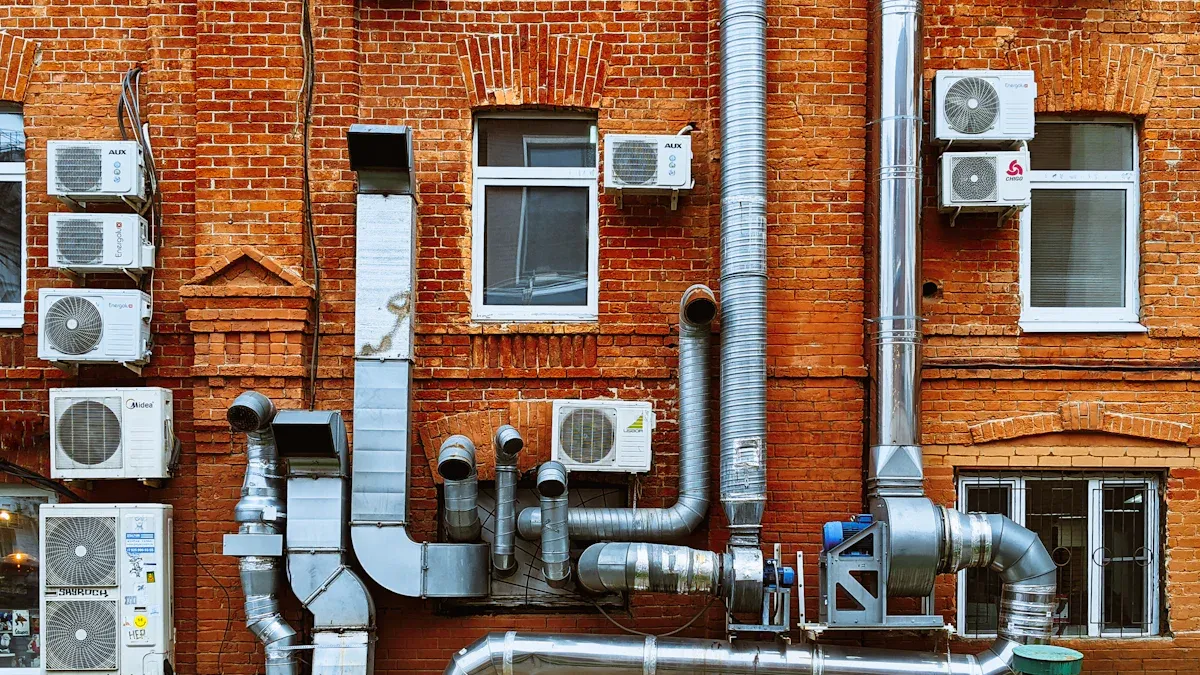
When keeping your air conditioner working well, size matters. Picking the right air conditioner copper line set sizes is very important. It affects how well your system cools and how long it lasts. Think about key things like your system’s size and refrigerant type. Choosing the wrong air conditioner copper line set sizes can cause bad cooling, higher costs, or damage. Knowing about air conditioner copper line set sizes helps with better cooling and saving money.
Key Takeaways
Picking the right copper line size is very important. It helps your air conditioner work well and saves energy.
Using the wrong size can cause big problems. Small lines slow refrigerant flow, and large lines mess it up. Both can raise costs and harm your system.
Always check your air conditioner's manual for the right size. The manual helps you avoid errors and keeps your system running smoothly.
Think about your air conditioner's size and refrigerant type when choosing tubes. Bigger systems need wider tubes, and different refrigerants need certain sizes to work right.
Ask an HVAC expert if you're unsure about the size. They can help you pick the right copper line and save money.
Why air conditioner copper line set sizes matter
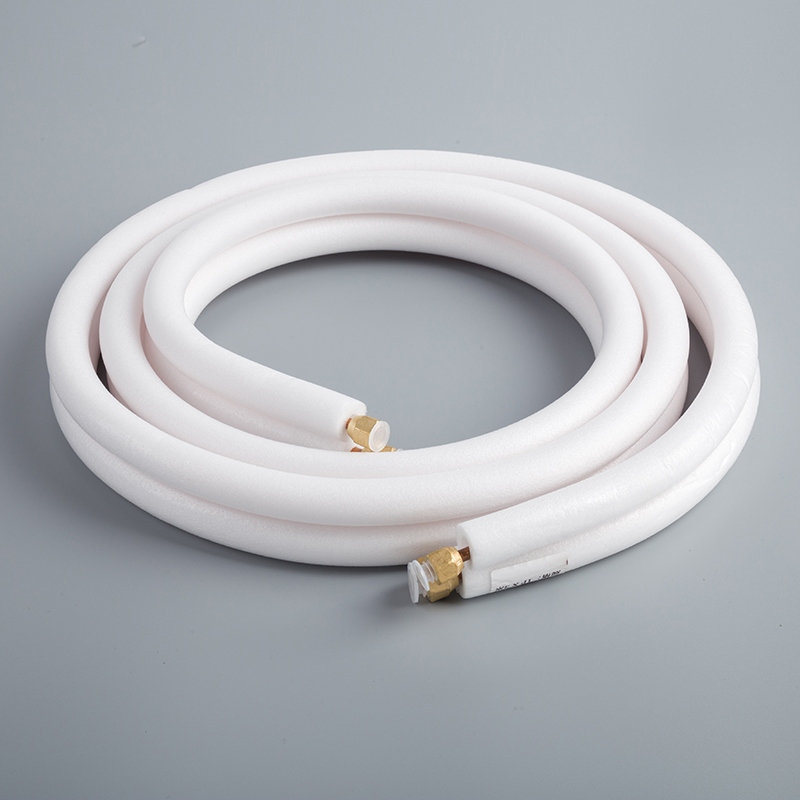
The role of copper line sets in air conditioning systems
Copper line sets work like veins in your air conditioner. They move refrigerant between indoor and outdoor units to keep your home cool. Without them, your air conditioner won’t work. But having the right size is what really matters.
Copper is important because it’s strong, flexible, and conducts heat well. These qualities help refrigerant flow easily, make the system last longer, and simplify installation. Here’s why copper is so useful:
Attribute | Why It’s Important in HVAC Systems |
|---|---|
Thermal Conductivity | Helps refrigerant flow smoothly for better cooling |
Durability | Makes the system last longer and stay reliable |
Malleability | Makes it easier to install and shape the lines |
Corrosion Resistance | Stops damage, keeping the system working well |
Energy Efficiency | Right sizing lowers energy use and saves money |
Picking the correct copper line set size helps your system work better. It ensures refrigerant flows properly, keeping your home cool without overworking the system.
Impacts of incorrect sizing on performance and efficiency
Using the wrong size copper line set causes problems. If it’s too small, refrigerant flow slows down, making the system work harder. This reduces cooling and raises energy bills. If it’s too big, refrigerant doesn’t flow right, which also hurts performance.
Studies show wrong sizing wastes energy. For example:
Extreme temperatures can steal cool or warm air from the refrigerant line.
This energy loss lowers cooling and raises utility costs.
It’s like trying to drink a thick milkshake with a tiny straw—it’s hard and inefficient. The same happens with your air conditioner. Correct sizing keeps refrigerant flowing smoothly and the system running well.
Long-term effects of improper sizing on system durability
Wrong-sized copper line sets don’t just hurt performance—they can also damage your air conditioner. Over time, this puts stress on the compressor, which is costly to replace. Research shows wrong sizing often causes compressors to fail early.
Here’s what happens:
If the lines are too small, refrigerant pressure rises, wearing out the compressor.
If the lines are too big, refrigerant levels become uneven, making the system work harder.
Properly sized copper tubing can last up to 20 years. But using the wrong size can cause corrosion or damage, leading to early failure. Follow the manufacturer’s guide to pick the right size and avoid these problems.
Tip: Check your air conditioner’s manual or ask an HVAC expert to find the right copper line set size. This small step can save you a lot of money later.
Common size copper tubing for air conditioners
Standard sizes for liquid lines (e.g., 1/4 inch, 3/8 inch, 5/8 inch)
Liquid lines move refrigerant in its liquid form through the system. Picking the right copper tube size is very important. Common sizes include 1/4 inch, 3/8 inch, and 5/8 inch. These sizes are popular because they fit most cooling systems.
Smaller systems often use 1/4-inch tubing, while bigger ones need 3/8-inch or 5/8-inch. The correct size helps your air conditioner work well and avoid extra stress.
Standard sizes for suction lines (e.g., 1/2 inch, 5/8 inch, 3/4 inch)
Suction lines carry refrigerant gas back to the compressor. These tubes are larger than liquid lines because gas takes up more space. Common sizes are 1/2 inch, 5/8 inch, and 3/4 inch.
For homes, 1/2-inch or 5/8-inch tubing usually works fine. Bigger commercial systems may need 3/4-inch tubing for higher gas flow. Choosing the right size stops pressure issues and keeps the system running smoothly.
Typical applications for residential and commercial systems
Homes and businesses need different copper tubing sizes. In houses, smaller systems often use 1/4-inch liquid lines and 1/2-inch suction lines. These sizes are great for cooling small spaces.
Commercial systems usually need larger tubing. For example, they might use 5/8-inch liquid lines and 3/4-inch suction lines for bigger cooling needs.
Here’s a quick table showing how copper tubing sizes match industry standards:
Type | Nominal Pipe Size (NPS) | Outside Diameter (OD) | Inside Diameter (ID) | Wall Thickness |
|---|---|---|---|---|
K | Various sizes | Various sizes | Various sizes | Various sizes |
L | Various sizes | Various sizes | Various sizes | Various sizes |
M | Various sizes | Various sizes | Various sizes | Various sizes |
DWV | Various sizes | Various sizes | Various sizes | Various sizes |
Picking the right copper tubing size is important for both homes and businesses. It helps your air conditioner work better and last longer.
Tip: Check your system’s manual or ask an HVAC expert to confirm the right tubing size for your setup.
Key things to think about when picking copper line set sizes
Choosing the right copper line set size isn’t random. You need to consider key points to make your system work well and last longer. Let’s go step by step.
System size and cooling needs
Your air conditioner’s size helps decide the right tubing. Bigger systems cooling large areas need wider tubes for more refrigerant flow. Smaller systems, like those for one room, use thinner tubes.
For example, a 2-ton air conditioner might need a 3/8-inch liquid line and a 3/4-inch suction line. A 5-ton system would need bigger tubes to handle more cooling. Always match the tube size to your system’s size to avoid overworking it or losing cooling power.
Tip: Check your air conditioner’s size in tons or BTUs before picking the tube size.
Refrigerant type and its effect on tubing size
The refrigerant type in your air conditioner also matters. Newer systems often use R-410A, which needs specific tube sizes for proper flow and pressure. Older systems with R-22 may need different sizes because of how the refrigerant works.
For instance, R-410A runs at higher pressure than R-22. The copper tube must handle this pressure without breaking. Using the wrong size can cause leaks, bad cooling, or damage.
Note: Look at your system’s manual to check the refrigerant type. This helps you pick the right tube size for best results.
Tube wall thickness: Type L vs. Type M
Not all copper tubes are the same. Wall thickness affects how strong and durable the tube is. The two main types are Type L and Type M.
Type L: Thicker walls make it stronger and good for high-pressure systems. It’s often used for air conditioners, especially in hot or cold places.
Type M: Thinner walls make it lighter and cheaper but less strong. It’s used for low-pressure systems or when saving money is important.
Here’s a quick comparison:
Copper Tube Type | Wall Thickness | Strength | Common HVAC Use |
|---|---|---|---|
Type L | Thicker | High | Homes and businesses |
Type M | Thinner | Medium | Low-pressure systems |
If unsure, choose Type L for better strength. It costs more but prevents leaks and damage, saving money later.
Pro Tip: Ask an HVAC expert if you’re not sure whether to use Type L or Type M.
Manufacturer recommendations and system specifications
When picking the right copper line set size, follow the manufacturer’s advice. These guidelines are not just tips—they’re carefully made to help your air conditioner work well. Ignoring them can cause poor cooling, higher bills, or even system damage.
Why you should follow manufacturer recommendations
Manufacturers design air conditioners to use specific copper line set sizes. These sizes match the system’s cooling power, refrigerant type, and pressure needs. Using the wrong size can mess up the system. Here’s why their advice is important:
Optimized Performance: The correct size keeps refrigerant flowing smoothly, cooling your home better.
Energy Efficiency: Proper sizing saves energy, lowering your utility bills.
System Longevity: Following the guide avoids extra stress on parts like the compressor, helping it last longer.
Tip: Check your air conditioner’s manual for the right copper line set sizes. It has all the details you need.
What to look for in system specifications
Every air conditioner has its own needs. The system specs tell you what’s required. Pay attention to these key points:
Cooling Capacity: Measured in tons or BTUs, it shows how much heat the system removes. Bigger systems need wider copper lines for more refrigerant flow.
Refrigerant Type: Systems using R-410A or R-22 need specific line sizes. High-pressure refrigerants like R-410A often need thicker tubes.
Line Length: The distance between indoor and outdoor units matters. Longer lines may need bigger tubes to keep the flow steady.
Pressure Ratings: The tubing must handle the system’s pressure without leaking or breaking.
Here’s an example to explain:
System Specification | Example Value | Impact on Copper Line Set Size |
|---|---|---|
Cooling Capacity | 3 tons | Needs larger suction and liquid lines |
Refrigerant Type | R-410A | Requires tubing for high pressure |
Line Length | 50 feet | May need bigger tubing to avoid pressure drop |
Pressure Rating | 400 psi | Needs thicker tubing for safety |
How to use this information
After checking the system specs, match them to the sizes in the manual. If unsure, don’t guess. Contact the manufacturer or ask an HVAC expert. They can help you pick the right size.
Note: Some manufacturers offer charts or tools to find the correct line size. These can save time and ensure accuracy.
By following the manufacturer’s advice and understanding your system’s specs, you’ll make the best choice. Your air conditioner will work efficiently, last longer, and keep your home cool without costing too much.
Practical tips for choosing the right size copper tubing
Check your air conditioner's manual for help
Your air conditioner's manual is very useful for picking copper tubing. It has detailed instructions with exact sizes and specifications. These details match your system’s cooling power, refrigerant type, and pressure needs. Skipping this step can cause problems like bad cooling or damage.
When reading the manual, focus on key design points like pressure and flow. Here’s a simple table to guide you:
Design Factor | What It Means |
|---|---|
Main pressure available | Pressure from the main supply line. |
Pressure needed at fixtures | Pressure required for each part of the system. |
Height-related pressure loss | Pressure lost due to elevation changes. |
Water flow demand | Total water needed in gallons per minute. |
Friction-related pressure loss | Pressure lost from water rubbing inside tubes. |
Speed limits | Limits to avoid noise or tube damage. |
Following these tips makes installation easier and avoids mistakes.
Ask an HVAC expert for advice
If you’re unsure about tubing size, ask an HVAC expert. They are trained to check your system and suggest the best options. They also consider tricky factors like refrigerant type, tube length, and pressure.
Experts use special tools to find the perfect tubing size. Their help ensures your air conditioner works well and lasts longer. They can also spot problems early, saving you money and time.
Follow local building codes and rules
Before starting, check your area’s building codes. These rules ensure safety and proper installation. They may include tubing size, wall thickness, or allowed refrigerant types.
Ignoring these rules can lead to fines or unsafe systems. To stay safe, review local codes or ask an HVAC expert who knows the rules. This step ensures your system meets all safety standards.
Tip: Always check your manual and local codes before buying materials. This small step can prevent big problems later.
Check refrigerant type and system size for compatibility
When picking the right copper line set size, it must match your air conditioner's refrigerant and cooling power. This is key to keeping your system working well.
First, find out what refrigerant your system uses. Newer air conditioners often use R-410A, while older ones may use R-22. These refrigerants need different tubing sizes because of their pressure levels. For instance, R-410A has higher pressure and needs stronger tubing. Using the wrong size can cause leaks, bad cooling, or even damage.
Next, think about your system’s cooling size, measured in tons or BTUs. Bigger systems cooling large areas need wider tubes for more refrigerant flow. Smaller systems work better with thinner tubes. If the tube size doesn’t fit, it can overwork the compressor and waste energy.
Also, consider the length of the copper line set. Longer lines might need bigger tubes to keep the refrigerant flowing properly. Skipping this step can lead to uneven cooling or higher bills.
Always check your air conditioner’s manual for exact details. It tells you the right refrigerant and tube sizes to use. If unsure, ask an HVAC expert for help. They can guide you to make the best choice.
Tip: Always confirm the refrigerant type and system size before buying tubing. This simple step can save you money and trouble later.
Picking the right copper line set size is very important. It helps your air conditioner work well and last longer. Correct sizing keeps refrigerant moving easily, avoiding pressure problems and wear. Common sizes like 1/4 inch to 3/4 inch fit most AC systems. They improve refrigerant flow and make the system perform better. Bigger sizes, like 5/8 inch or 3/4 inch, are great for commercial systems. These sizes handle more refrigerant and lower pressure issues.
Copper Pipe Size (OD) | Use Case | Benefits |
|---|---|---|
5/8 inch | Medium to large commercial AC systems | Handles more refrigerant and reduces pressure issues |
3/4 inch | Large commercial and industrial systems | Supports high refrigerant flow |
1/4 inch to 3/4 inch | Common for home AC and refrigeration | Improves flow and avoids pressure problems |
If unsure, check your air conditioner’s manual or ask an HVAC expert. These simple steps can help avoid costly fixes and keep your AC running well for years.
FAQ
What happens if I pick the wrong copper line size?
Choosing the wrong size can hurt cooling and raise energy bills. It might also damage the compressor over time. Always check your AC manual or ask an HVAC expert to avoid problems.
Can I use Type M copper tubing instead of Type L?
Type M is thinner and weaker, good for low-pressure systems. For air conditioners, Type L is better since it handles more pressure and lasts longer. If unsure, choose Type L for safety.
How do I measure the copper line set length?
Measure the space between indoor and outdoor units. Add extra length for bends and connections. Longer lines might need bigger tubes to keep refrigerant flowing well. Remember this when picking your size.
Is mixing different copper tubing sizes okay?
Mixing sizes can mess up refrigerant flow and cause uneven cooling. Use the sizes listed in your AC manual. Keeping sizes consistent helps your system work better and last longer.
Do building codes affect copper line sizing?
Yes, local rules may require certain sizes, thicknesses, or refrigerants. Check your area’s codes before starting. Following these rules keeps your system safe and avoids fines or issues.
See Also
The Benefits of Selecting Copper Pipes for AC Systems
Comparing Efficiency: Copper Tubes Versus Aluminum in Air Conditioning
Five Key Steps to Selecting Proper Copper Pipe Size
The Importance of Pure Copper Pipes for AC Efficiency
Simple Guidelines for Professional Installation of Copper AC Tubes

© Copyright 2024 Dongguan Baoyuan Refrigeration Parts Co.,Ltd - All Rights Reserved.
