How to Choose the Best Copper Pipes for Air Conditioners in Pakistan

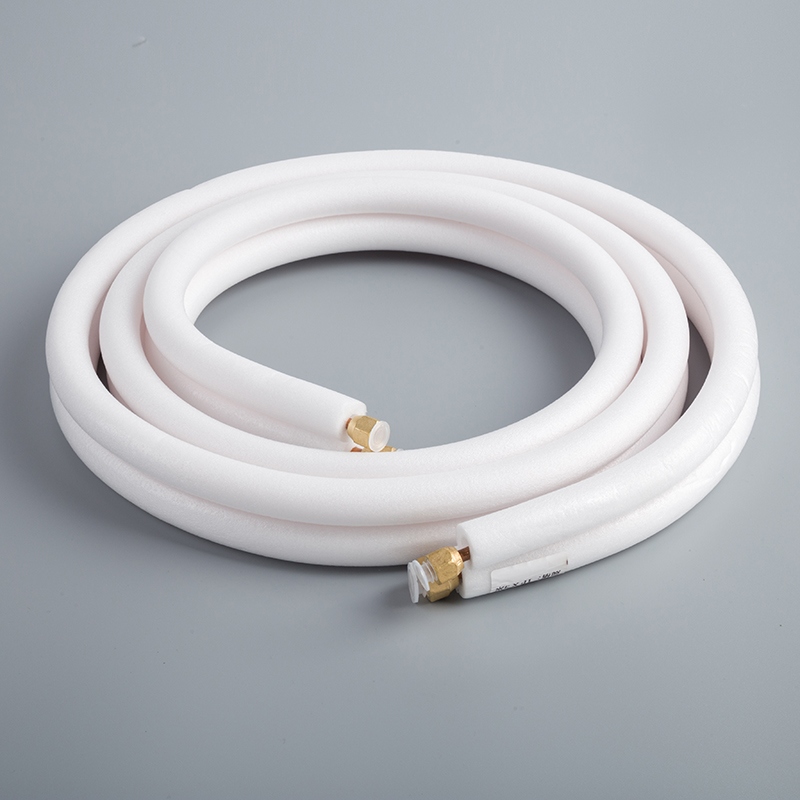
Choosing the best copper pipes for your air conditioner ensures long-term efficiency and durability. High-quality copper pipes resist corrosion and withstand harsh environmental conditions, making them ideal for maintaining system performance. They also improve energy efficiency by enhancing heat transfer and reducing the risk of leaks or cracks. Additionally, insulated pipes minimize noise by dampening vibrations.
In Pakistan, selecting the right pipes can be challenging due to price volatility and competition from cheaper alternatives like plastic. Fluctuating copper prices and strict environmental regulations further complicate the decision. Balancing quality with affordability is crucial, especially when considering the air conditioner copper pipe price in Pakistan.
Key Takeaways
Choose strong copper pipes to make your AC last longer.
Pick the right pipe type for your system's pressure needs.
Install pipes correctly to stop leaks and make them last.
Think about copper's eco-friendly benefits, like recycling and saving energy.
Find good quality pipes that are affordable for long-term savings.
Types of Copper Pipes for AC
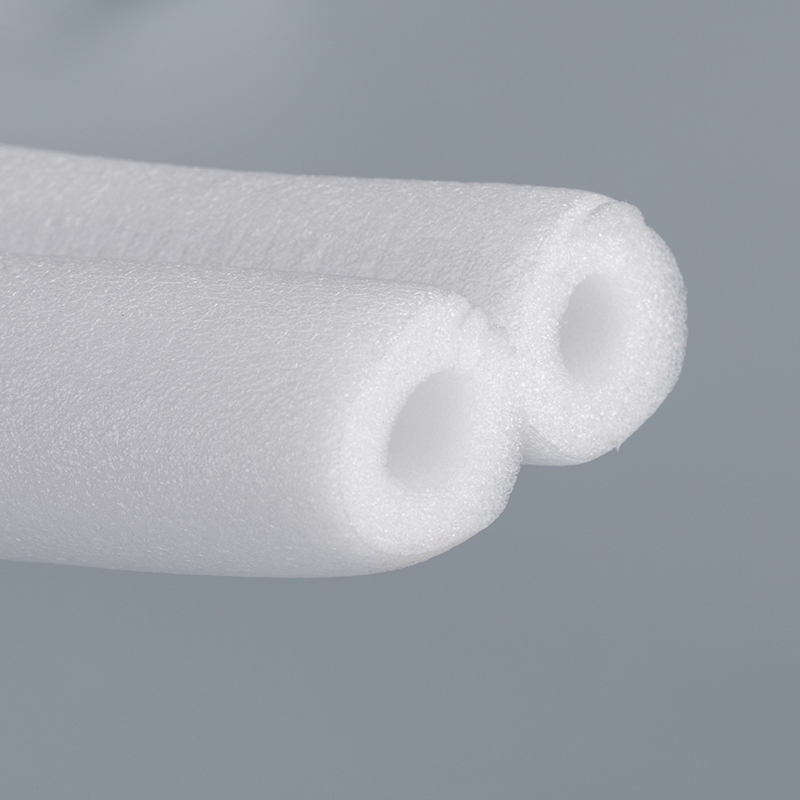
Type K Copper Pipes
Features and Benefits
Type K copper pipes have the thickest walls among all types of copper pipes for AC. This makes them highly durable and resistant to damage. They excel in high-pressure applications and underground installations due to their ability to withstand extreme conditions. These pipes also offer exceptional thermal conductivity, which ensures efficient heat transfer in HVAC systems. Their corrosion resistance reduces the risk of leaks and extends their lifespan.
Key benefits include:
Rapid heat conduction for faster temperature adjustments.
Improved energy efficiency, leading to lower operating costs.
Resistance to temperature variations, preventing expansion or contraction issues.
Suitability for Air Conditioners
Type K pipes are ideal for air conditioning systems that require high pressure and durability. They are commonly used in underground installations or in areas with harsh environmental conditions. However, their higher cost and heavier weight may make them less practical for standard residential systems.
Type L Copper Pipes
Features and Benefits
Type L copper pipes are known for their moderately thick walls, striking a balance between durability and cost. They are versatile and widely used in residential and commercial AC systems. These pipes are easier to install due to their manageable weight and thickness.
Advantages include:
Cost-effectiveness compared to Type K pipes.
Versatility for a wide range of applications.
Moderate thickness, making them easier to handle during installation.
Suitability for Air Conditioners
Type L pipes are the most popular choice for residential and light commercial air conditioning systems. They provide sufficient durability for most applications while remaining affordable. Their moderate pressure resistance makes them suitable for standard AC systems without extreme requirements.
Type M Copper Pipes
Features and Benefits
Type M copper pipes have the thinnest walls, making them the most economical option. They are lightweight and easy to handle, which simplifies installation. However, their thinner walls mean they are less durable and not suitable for high-pressure applications.
Key features include:
Cost-effectiveness, ideal for budget-conscious projects.
Lightweight design for easier installation.
Suitability for low-pressure applications.
Suitability for Air Conditioners
Type M pipes work well in low-pressure residential AC systems. They are a good choice for projects where cost is a primary concern. However, their limited durability and pressure resistance restrict their use in more demanding applications.
ACR Copper Pipes
Features and Benefits
ACR (Air Conditioning and Refrigeration) copper pipes are specifically designed for HVAC systems. These pipes undergo a unique manufacturing process that ensures they meet the high standards required for air conditioning applications. Their smooth interior surface minimizes friction, allowing refrigerants to flow efficiently. This feature reduces energy consumption and enhances the overall performance of your AC system.
ACR pipes are also pre-cleaned and dehydrated during production. This ensures they remain free from contaminants like dirt or moisture, which could harm your air conditioner. Their durability and resistance to corrosion make them a reliable choice for long-term use. Additionally, these pipes are available in various sizes, making them suitable for different AC models and installations.
Key benefits include:
Pre-cleaned interiors for contaminant-free operation.
High resistance to corrosion, ensuring fewer leaks.
Compatibility with modern refrigerants used in Pakistan.
Availability in multiple sizes for versatile applications.
Why They Are Ideal for AC Systems
You’ll find ACR copper pipes to be the most suitable option for air conditioning systems due to their unique properties. Their non-reactive nature prevents corrosion, which reduces the risk of leaks and extends the lifespan of your AC. Copper’s excellent thermal conductivity ensures efficient heat transfer, which is essential for energy-efficient cooling.
These pipes are also easy to work with during installation. You can bend and braze them effortlessly, even in tight spaces. This flexibility speeds up the installation process and reduces labor costs. Furthermore, copper is a sustainable material. It can be recycled infinitely, making ACR pipes an eco-friendly choice for environmentally conscious homeowners.
Why choose ACR copper pipes for your AC?
They resist corrosion, ensuring durability and fewer repairs.
Their superior heat conductivity improves energy efficiency.
They are easy to install, even in challenging spaces.
They are recyclable, supporting sustainable practices.
By selecting ACR copper pipes, you ensure your air conditioning system operates efficiently and lasts longer. Their combination of durability, performance, and sustainability makes them a top choice for AC systems in Pakistan.
Key Factors When Choosing Copper Pipes
Pressure Requirements
Importance of Pressure Ratings
When selecting copper pipes for your air conditioner, understanding pressure ratings is crucial. These ratings indicate how much internal pressure a pipe can handle. For high-pressure systems, Type K copper pipes are the best choice due to their exceptional strength and durability. Type L pipes, with moderate pressure resistance, work well for most residential and commercial HVAC systems. On the other hand, Type M pipes are suitable for low-pressure applications, making them a cost-effective option for budget-conscious projects. ACR copper pipes, specifically designed for air conditioning, offer excellent thermal conductivity and corrosion resistance, ensuring reliable performance under varying pressures.
Matching Pipe Strength with System Needs
Matching the pipe strength to your air conditioning system's requirements ensures optimal performance and safety. High-pressure systems demand pipes with greater durability and pressure resistance, such as Type K or ACR pipes. For standard residential systems, Type L pipes strike a balance between strength and affordability. Low-pressure systems can use Type M pipes, but their thinner walls limit their durability. Always consider the system's specifications to avoid leaks or failures.
Compatibility with Refrigerants
Common Refrigerants in Pakistan
In Pakistan, air conditioners commonly use refrigerants like R-22, R-410A, and R-32. These refrigerants vary in chemical composition and pressure requirements. Ensuring compatibility with AC refrigerants is essential to prevent damage to the pipes and maintain system efficiency.
Ensuring Pipe Material Compatibility
Copper pipes are highly compatible with modern refrigerants due to their non-reactive nature. This compatibility reduces the risk of corrosion and ensures a longer lifespan for your AC system. ACR copper pipes are pre-cleaned and dehydrated, making them ideal for refrigerants used in Pakistan. Always verify that the pipe size and thickness match the refrigerant's pressure requirements for safe and efficient operation.
Air Conditioner Copper Pipe Price in Pakistan
Balancing Quality and Affordability
Balancing quality and affordability is one of the key factors to consider when choosing copper pipes. High-quality pipes, like ACR or Type K, offer superior durability and performance but come at a higher cost. Type L and Type M pipes provide cost-effective alternatives for standard and low-pressure systems. To make an informed decision:
Choose pipes that meet your system's pressure and refrigerant requirements.
Opt for durable materials to reduce long-term repair costs.
Consider the air conditioner copper pipe price in Pakistan to find the best value for your budget.
Long-Term Cost-Effectiveness
Investing in durable copper pipes ensures long-term cost-effectiveness. Copper's corrosion resistance minimizes the risk of leaks, reducing maintenance expenses. While cheaper alternatives like plastic may seem appealing, they lack the durability and pressure resistance needed for HVAC systems. By choosing copper pipes, you enhance your AC's efficiency and lifespan, saving money over time.
Environmental Impact
Sustainability of Copper Pipes
Copper pipes offer significant environmental advantages over alternative materials like plastic. Their superior corrosion resistance prevents leaks, reducing the need for frequent replacements. This durability ensures a longer lifespan for your air conditioning system, minimizing waste. Additionally, copper's exceptional thermal conductivity enhances energy efficiency by improving heat transfer in HVAC systems. Plastic pipes, in comparison, are less efficient and prone to maintenance issues, making copper a more sustainable choice.
Copper also supports global sustainability efforts. Its ability to conduct heat efficiently aligns with electrification trends, promoting the use of sustainable energy. Unlike plastic, which degrades over time, copper remains reliable and durable, reducing the environmental impact of replacements. Furthermore, copper is infinitely recyclable, which helps conserve natural resources and reduces the demand for new raw materials.
Key sustainability benefits of copper include:
Enhanced energy efficiency due to superior thermal conductivity.
Longevity and reliability, reducing waste from replacements.
Support for sustainable energy consumption through electrification.
Recycling and Eco-Friendly Options
Recycling copper pipes provides numerous environmental benefits. It reduces the need for mining new copper, which is harmful to ecosystems. Recycling also consumes significantly less energy than producing copper from ore, lowering greenhouse gas emissions. Approximately 65% of all copper ever mined remains in circulation today, showcasing the effectiveness of recycling practices.
Here’s a breakdown of the environmental benefits of recycling copper:
Benefit | Description |
|---|---|
Greenhouse Gas Reduction | Small-diameter copper tubes help mitigate emissions by enabling the use of low GWP refrigerants. |
Energy Efficiency | Recycling copper uses less energy than mining new copper, thus lowering overall emissions. |
Sustainability of Copper | Recycling extends the availability of copper, a finite resource, promoting a circular economy. |
By choosing copper pipes, you contribute to a circular economy. Recycling copper not only conserves resources but also supports eco-friendly practices. It uses 85% less energy compared to mining, making it a greener option. This process ensures that copper remains a sustainable material for air conditioning systems, helping you reduce your environmental footprint.
Key eco-friendly advantages of recycling copper:
Reduces the need for harmful mining activities.
Conserves energy, lowering greenhouse gas emissions.
Extends the availability of copper, a finite resource.
By prioritizing recyclable materials like copper, you can make a positive impact on the environment while ensuring the efficiency and durability of your air conditioning system.
Practical Tips for Installing and Maintaining AC Copper Pipes
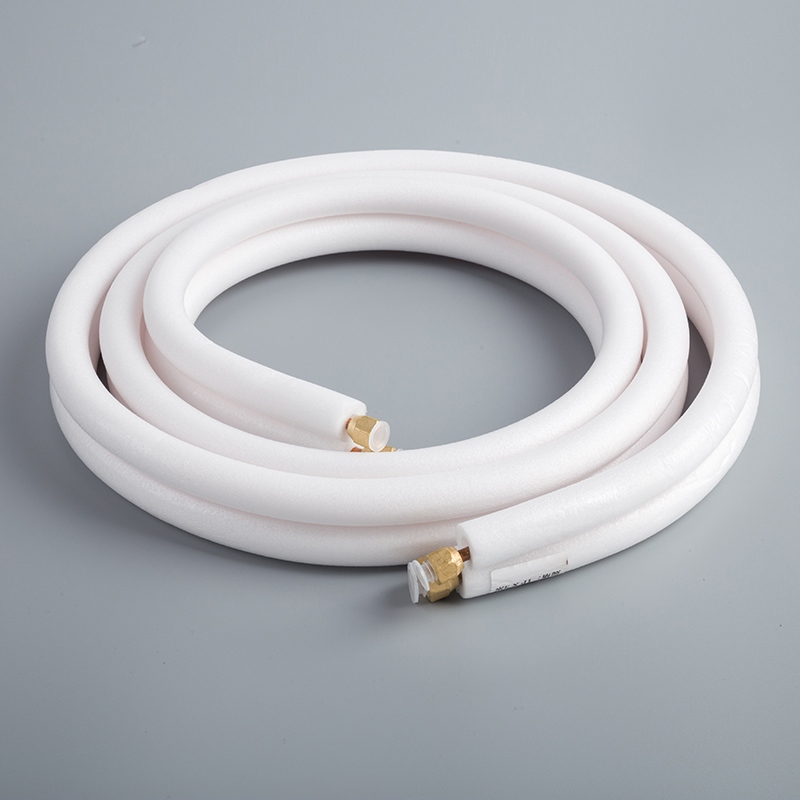
Cutting and Sizing Copper Pipes
Tools for Precise Cutting
Using the right tools ensures accurate cutting and sizing of copper pipes. Precision is essential for seamless integration into your air conditioning system. Tools like pipe cutters or hacksaws provide clean cuts, reducing the risk of uneven edges. Always measure the pipe length carefully before cutting to avoid errors. A proper fit minimizes leaks and enhances system efficiency.
Tip: Invest in high-quality pipe cutters for smoother and more precise results.
Avoiding Damage During Cutting
Improper cutting can damage copper pipes, leading to inefficiencies or leaks. To prevent this, secure the pipe firmly before cutting. Avoid applying excessive force, as it may deform the pipe. After cutting, use a deburring tool to smooth the edges. This step ensures a snug fit and prevents damage during installation.
Joining Copper Pipes
Soldering and Brazing Techniques
Mastering proper installation techniques like soldering and brazing is crucial for leak-proof connections. Brazing creates a durable bond, making it ideal for high-pressure refrigerant lines. It withstands wear and tear, ensuring long-term reliability. Soldering, while easier, is better suited for low-pressure systems. Always clean the pipe ends and use flux to improve the bond.
Ensuring Leak-Proof Connections
Leak-proof connections enhance energy efficiency and protect your AC system. Compression fittings are an excellent option for creating airtight seals. Tighten them carefully to prevent refrigerant leaks. For brazed joints, ensure the flame evenly heats the pipe and fitting. This technique strengthens the connection and reduces the risk of leaks.
Regular Maintenance of Copper Pipes for AC
Cleaning and Inspecting Pipes
Routine maintenance best practices include cleaning and inspecting your AC copper pipes. Remove debris or buildup to maintain optimal airflow. Regular inspections help you identify wear or corrosion early. Pressure testing is another effective way to detect leaks.
Identifying and Addressing Common Issues
Troubleshooting common issues like leaks or corrosion ensures your system runs efficiently. Apply protective coatings to prevent environmental damage. Check for pinched pipes, which can cause pressure imbalances. Use UV-resistant insulation for outdoor pipes to avoid degradation. Addressing these problems promptly extends the lifespan of your AC system.
Choosing the right copper pipes for your air conditioner ensures optimal performance and long-term durability. Copper’s ability to inhibit bacteria and mold growth enhances safety, while insulated tubes improve HVAC efficiency by preventing heat or cool air loss.
Key Takeaways for Selecting Copper Pipes:
Use copper pipes from reliable manufacturers to guarantee quality and performance.
Match pipe type with system requirements for durability and efficiency.
Follow proper installation and maintenance practices to extend lifespan.
Tip: Prioritize quality and compatibility over cost to maximize energy efficiency and reduce future expenses.
FAQ
What type of copper pipe is best for residential air conditioners?
Type L copper pipes are the best choice for residential AC systems. They balance durability and affordability, making them ideal for standard pressure requirements. Their moderate thickness ensures easy installation and long-term reliability.
How do I know if a copper pipe is compatible with my AC refrigerant?
Check the refrigerant type used in your AC system, such as R-22 or R-410A. ACR copper pipes are pre-cleaned and compatible with most refrigerants. Always verify the pipe’s pressure rating and thickness to match your system’s needs.
Are copper pipes better than plastic pipes for air conditioners?
Yes, copper pipes are better due to their durability, corrosion resistance, and superior thermal conductivity. Plastic pipes may cost less but lack the strength and efficiency needed for HVAC systems. Copper also supports eco-friendly practices through recycling.
How can I prevent leaks in copper pipes?
Use proper installation techniques like brazing for high-pressure systems. Ensure all connections are airtight and inspect pipes regularly for wear or damage. Applying UV-resistant insulation to outdoor pipes can also prevent degradation.
Is it worth investing in high-quality copper pipes?
Absolutely! High-quality copper pipes reduce maintenance costs and improve energy efficiency. Their durability ensures fewer repairs, saving you money in the long run. While the initial cost may be higher, the long-term benefits outweigh the expense.
Tip: Always choose pipes from reputable manufacturers to ensure quality and performance.
See Also
The Benefits of Using Copper Pipes in AC Systems
Pure Copper Pipes: Essential for Optimal Air Conditioning
Transforming Air Conditioning with Pure Copper Pipes

© Copyright 2024 Dongguan Baoyuan Refrigeration Parts Co.,Ltd - All Rights Reserved.
