Understanding Copper Pipe Sizes for Air Conditioning Systems

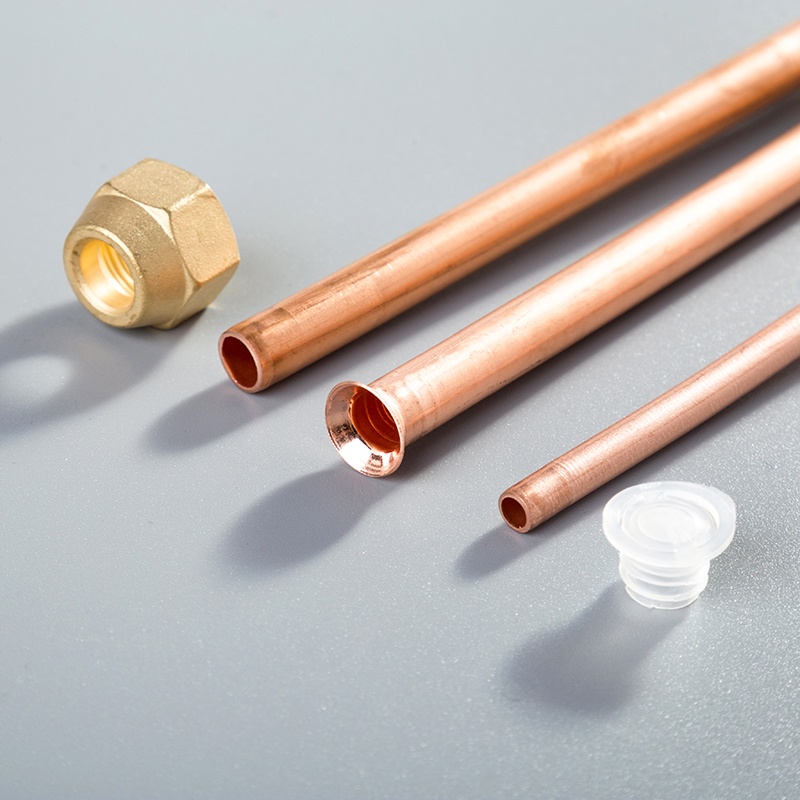
Choosing the right air conditioner copper pipe size is very important. It helps your air conditioner work better and last longer. It also saves energy and money.
Here’s why air conditioner copper pipe size is important:
Research shows these pipes help systems work better and need less refrigerant.
The right size lowers the system charge, saving money for homes and businesses.
Knowing how air conditioner copper pipe size affects your system helps it work well.
Key Takeaways
Picking the correct copper pipe size helps your AC work better and last longer.
Type K pipes are great for high pressure, while Type M pipes work for low pressure.
Match the pipe size to your AC's cooling power for best results.
Think about where the pipes will go; outdoor pipes need to handle tough weather.
Ask an HVAC expert to avoid errors and choose the right pipes for your AC.
Types of Copper Pipes for Air Conditioning Systems
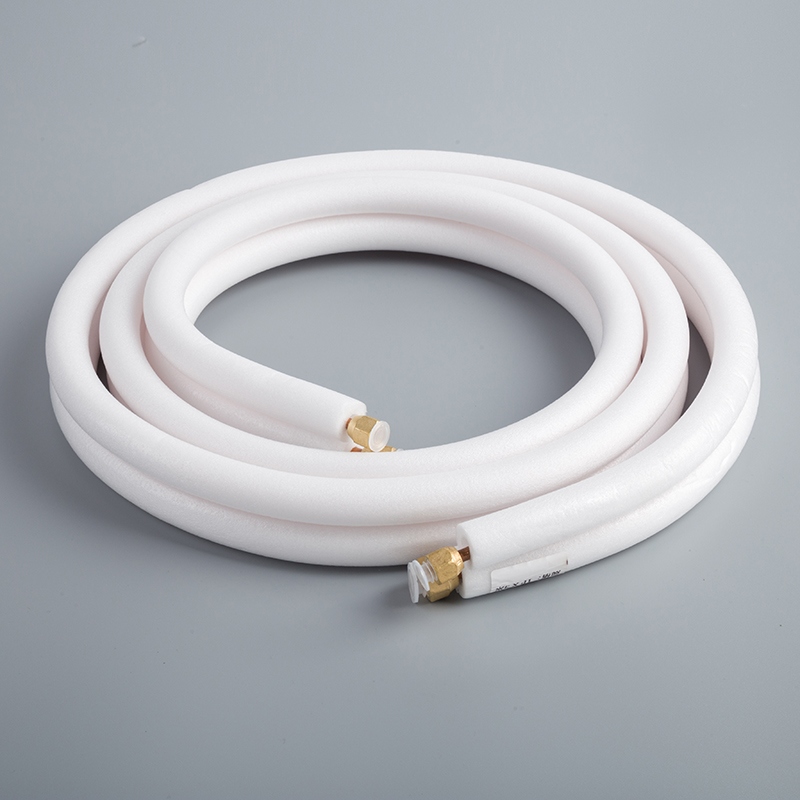
When picking copper pipes for air conditioners, there are different types. Each type works best for certain uses. Let’s look at the most common ones.
Type K Copper Pipes
Type K pipes are the thickest and strongest. They have thick walls, making them great for high-pressure jobs. These pipes are often used underground or in tough places. They can handle harsh conditions without breaking or leaking.
A big benefit of Type K pipes is they don’t rust easily. This makes them a good choice for long-term use. But, because they are thick, they are heavier and cost more than other types.
Type L Copper Pipes
Type L pipes are thinner than Type K but still strong. These pipes are often used in homes for air conditioning systems. They balance strength and price, which makes them popular with homeowners.
Type L pipes are flexible and work indoors or outdoors. Their medium wall thickness handles pressure well, helping your air conditioner run smoothly.
Type M Copper Pipes
Type M pipes are the thinnest of the three types. They are light and cheap, making them good for low-pressure jobs. These pipes are used when saving money is important.
But Type M pipes are not as strong as Type K or Type L. They shouldn’t be used in high-pressure or tough conditions. Still, they work well for air conditioners with lower needs.
Tip: Think about pressure and environment before choosing a pipe type. This helps your system work better and last longer.
Refrigeration Copper Tubing
Refrigeration copper tubing is very important for air conditioners. It is made to handle refrigerants, making it a good choice for cooling. You can find this tubing in homes and businesses.
Why Is Refrigeration Copper Tubing Special?
This tubing is special because it is strong and bendable. It comes in two types: soft and hard. Soft tubing bends easily, which helps in tight spaces. Hard tubing is stronger and works for systems needing firm connections.
Note: Soft tubing is sold in coils, while hard tubing is straight.
Advantages of Refrigeration Copper Tubing
Corrosion Resistance: It doesn’t rust, so it lasts longer.
Leak Prevention: Its smooth design stops leaks, keeping systems efficient.
High Pressure Handling: It handles high pressure, making it very reliable.
Where It’s Used
This tubing is used in many air conditioner parts. You’ll see it in evaporator coils, condenser coils, and refrigerant lines. Its tight seal helps the system run well.
Tip: Always check the tubing size and refrigerant type before use. This avoids problems and keeps your system working great.
Using refrigeration copper tubing makes your air conditioner work better and last longer.
Standard Sizes and Dimensions of Copper Pipes
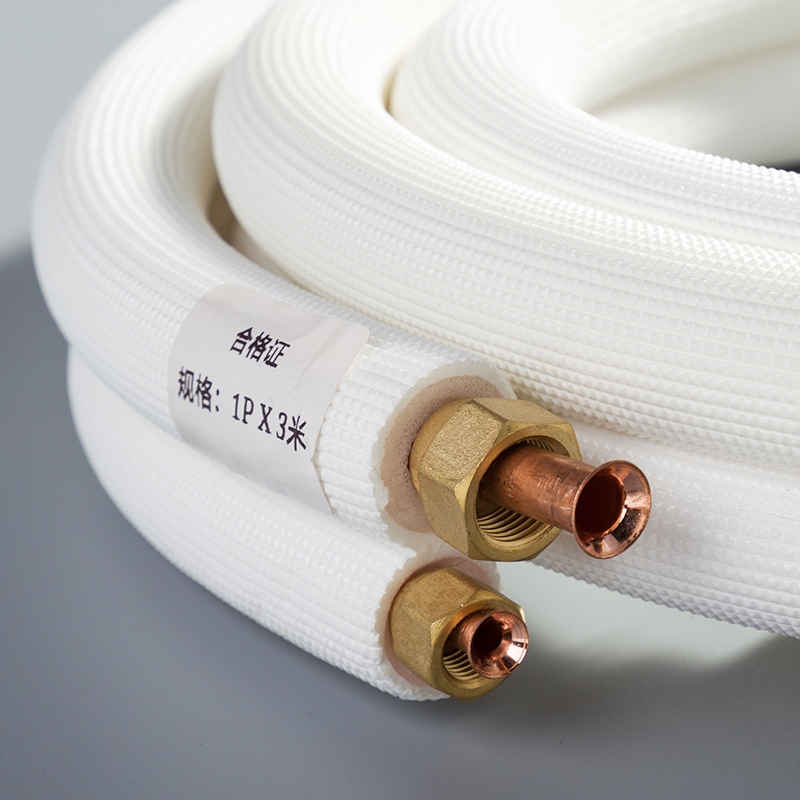
Knowing the sizes and dimensions of copper pipes is important. It helps you pick the right pipe for your air conditioner. These measurements show how pipes fit and manage refrigerant flow. Let’s break it down: nominal pipe size, outside diameter (OD), and wall thickness.
Nominal Pipe Size
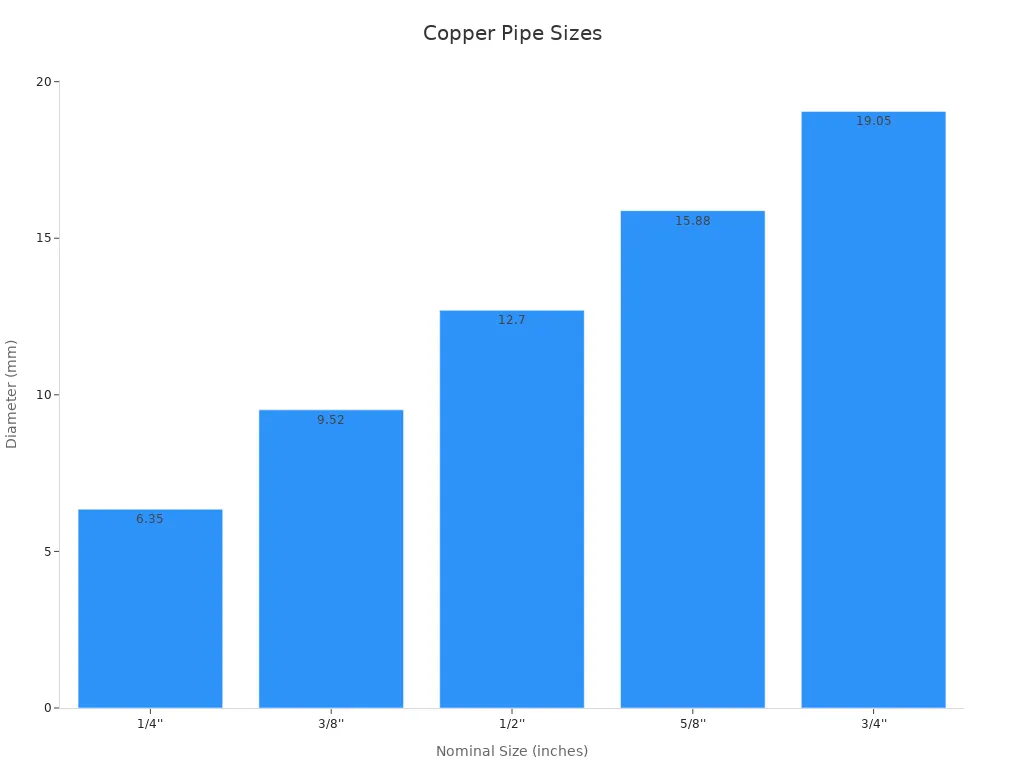
Nominal pipe size means the pipe’s inner diameter, roughly measured. It’s a standard way to label pipe sizes. For air conditioners, sizes are usually in inches. But exact measurements are often given in millimeters (mm).
Here’s a table of common nominal sizes and their diameters:
Nominal Size (inches) | Diameter (mm) |
|---|---|
1/4'' | 6.35 mm |
3/8'' | 9.52 mm |
1/2'' | 12.70 mm |
5/8'' | 15.88 mm |
3/4'' | 19.05 mm |
This system helps match pipe sizes to air conditioners. Using the right size keeps refrigerant flowing well and avoids strain.
Outside Diameter (OD)
Outside diameter (OD) measures the pipe’s total width, including walls. It’s a key size for air conditioners, especially in refrigeration.
Important facts about OD:
ACR pipes are sized by their OD.
OD ensures pipes fit with system parts.
Wall types like Type K, L, and M affect OD.
Tip: Check the OD when choosing pipes. This avoids leaks and ensures a good fit.
Wall Thickness
Wall thickness shows how strong and durable a pipe is. Thicker walls handle more pressure, making them good for tough jobs. Wall thickness depends on the pipe type:
Type K: Thickest walls, great for high-pressure or underground use.
Type L: Medium walls, used in homes and businesses.
Type M: Thinner walls, best for low-pressure systems.
Type DWV: Thinnest walls, for unpressurized systems like drains.
Pick wall thickness based on pressure and where the pipe is installed. Type L pipes are popular for air conditioners because they are strong and flexible.
Note: Thicker walls last longer but cost more.
By learning about nominal size, OD, and wall thickness, you can choose the best copper pipes. This helps your air conditioner work well and last longer.
Factors to Consider When Picking Copper Pipe Sizes
Choosing copper pipes for air conditioners needs careful thought. These factors help your system work well and last longer. Let’s look at the main points.
System Size and Cooling Needs
The size of your air conditioner affects pipe choice. Bigger systems need wider pipes for more refrigerant flow. Smaller systems work fine with thinner pipes. Using the wrong size can cause problems like poor cooling or higher energy use.
For instance, studies show pipe size affects cooling and efficiency. The table below explains this:
Tube Diameter (mm) | Cooling Capacity (W) | Efficiency (COP) | Weight Cut (%) |
|---|---|---|---|
9.52 | 2,500 | 3.2 | 30 |
This shows the right pipe size boosts cooling and saves weight. Always match pipe size to your system for the best results.
Where You Install It
The place you install your air conditioner matters too. Outdoor setups face tough weather, so stronger pipes like Type K or L are better. Indoor setups may use thinner pipes like Type M if pressure is low.
Think about space too. Tight spots might need flexible pipes that bend easily. Flexible pipes fit well without losing performance. By checking the location, you can pick pipes that last and fit perfectly.
Pressure Levels
Air conditioners work under different pressures based on design and refrigerant. Pipes must handle these pressures safely. High-pressure systems need thick pipes like Type K or L. Low-pressure systems can use thinner, cheaper pipes like Type M.
Always check your system’s pressure needs and match them to the pipes. This avoids leaks and costly fixes. Right-sized pipes keep refrigerant flowing smoothly and your system running well.
By thinking about these factors, you can choose the best copper pipes for your air conditioner.
Refrigerant Type
The refrigerant in your air conditioner affects pipe size choice. Types like R-22, R-410A, and eco-friendly ones need different pipes. Matching the pipe size to the refrigerant helps the system work well.
Each refrigerant works differently. For instance, R-410A has higher pressure than R-22. This means thicker pipes, like Type K or L, are needed. R-22 systems might use thinner pipes, like Type M, based on cooling needs and setup.
Refrigerants also flow differently. Some need bigger pipes for proper flow. Others work better with smaller pipes. Using the wrong size can cause leaks, poor cooling, or system damage.
Tip: Check your air conditioner’s manual for pipe size advice. Follow these rules to pick the right pipe for your refrigerant.
If unsure, ask an HVAC expert for help. They can check your refrigerant and suggest the best pipe size. Knowing how refrigerants affect pipes helps your system last longer and work better.
Applications of Copper Pipe Sizes in Air Conditioning Systems
Residential Air Conditioning Systems
Copper pipes are key to cooling in homes. Smaller pipes are used because home systems need less cooling power. Type L pipes or refrigeration tubing are common choices. These pipes handle medium pressure and fit in small spaces.
For instance, copper pipes link indoor and outdoor units in split systems. They let refrigerant move easily and resist rust, even in damp areas. Picking the right pipe size saves energy and lowers repair costs for home air conditioners.
Commercial Air Conditioning Systems
Big buildings need stronger and bigger copper pipes. Offices, malls, and factories use systems that require more refrigerant flow. Type K or Type L pipes are often chosen for their strength and ability to handle high pressure.
In commercial setups, copper pipes run through long lines and complex ducts. They are flexible and tough, making them great for large systems. Correct pipe sizing keeps cooling steady and avoids leaks or system damage.
Tip: Ask an HVAC expert to help pick pipes for commercial systems. This ensures they match your system’s needs.
Split and Central Air Conditioning Systems
Split and central systems depend on copper pipes to move refrigerant. In split systems, pipes connect the indoor coil to the outdoor unit. Proper pipe size is needed for smooth refrigerant flow and good cooling.
Central systems cool whole buildings and need larger pipes. These pipes handle high pressure and long distances. Refrigeration tubing is a favorite because it bends easily and seals tightly.
Choosing the right copper pipes improves cooling and makes systems last longer. This keeps your air conditioner working well for years.
Tips for Choosing the Right Copper Pipe Size
Understanding Your System's Needs
Knowing your air conditioner's needs is the first step. Check your system's cooling power, measured in BTUs (British Thermal Units). Bigger systems need wider pipes for more refrigerant flow. Smaller systems work well with thinner pipes.
Think about how long the refrigerant lines are. Longer lines might need bigger pipes to keep refrigerant flowing smoothly. Also, look at your air conditioner's manual. It usually suggests the best pipe size for good performance.
Tip: Match pipe size to cooling power and line length. This helps your system work better.
Asking HVAC Experts for Help
If you're unsure about pipe sizes, ask an HVAC expert. They know how to check your system's needs and suggest the right pipes. Experts can measure cooling needs, check the setup, and pick the best pipe size.
They also help you avoid mistakes like choosing pipes that are too big or small. Experts understand how refrigerant type and pressure affect pipe choice. Their advice ensures your system works well and lasts longer.
Note: Hiring an expert costs money but prevents expensive mistakes. It also improves your system's performance.
Mistakes to Avoid
Choosing the wrong pipes can cause problems and waste energy. Avoid these mistakes to keep your system running well. Here’s a table of common errors and their effects:
Mistake | What Happens |
|---|---|
Wrong pipe size | Poor cooling and higher energy bills |
Pipes too big | Leaks and wasted energy |
No insulation | Energy loss and water damage |
Using pipes that are too small blocks refrigerant flow, lowering cooling power. Pipes that are too big can leak and waste energy. Forgetting to insulate pipes causes energy loss and water problems.
Tip: Always check pipe sizes and use insulation. This saves energy and protects your system.
By avoiding these mistakes, you can make smart choices and keep your air conditioner working well.
Picking the right copper pipe size for your air conditioner is very important. It helps your system work well and avoids wasting energy. Correct pipe sizing also stops expensive repairs. Copper pipes are a great choice because they are strong, last long, and don’t rust easily. They also move heat better than other materials. Here’s a comparison:
Property | Copper | Stainless Steel | Aluminum |
|---|---|---|---|
Heat Transfer Ability | 20 times better than steel | Lower than copper | Over twice less than copper |
Strength | Very strong, resists cracks | Not as strong | Not as strong |
Rust Resistance | Excellent, forms a shield | Can rust | Can rust |
Choosing the right pipe size improves how your air conditioner works. It also makes it last longer and saves you money. This simple choice keeps your system running great for many years.
FAQ
What happens if you pick the wrong copper pipe size?
Choosing the wrong size can hurt cooling and raise energy costs. Small pipes block refrigerant flow, while big pipes might leak. Always pick the right size for your air conditioner to work well.
Can Type M pipes handle high-pressure systems?
No, Type M pipes are not good for high-pressure systems. They have thin walls and are best for low-pressure jobs. Use Type K or Type L pipes for strong and safe high-pressure systems.
How do you check copper pipe size?
Use a caliper or tape to measure the outside diameter (OD). Also, check the nominal size, which is the inside diameter. These steps help you find the right pipe for your air conditioner.
Why is it important to insulate copper pipes?
Insulation stops energy loss and keeps refrigerant temperatures steady. It also prevents sweating, which can cause water damage. Insulated pipes improve cooling and save energy.
Should you ask an HVAC expert before picking copper pipes?
Yes, asking an HVAC expert helps you choose the right pipes. They check your system’s needs, refrigerant type, and pressure levels. Their advice avoids mistakes and makes your system work better.
See Also
Understanding Copper Pipe Dimensions: An In-Depth Overview
Reasons to Opt for Copper Pipes in HVAC Systems
Exploring the Role of Copper Tubing in AC Systems

© Copyright 2024 Dongguan Baoyuan Refrigeration Parts Co.,Ltd - All Rights Reserved.
