How to Select the Best Copper Pipe Size for Your Air Conditioner

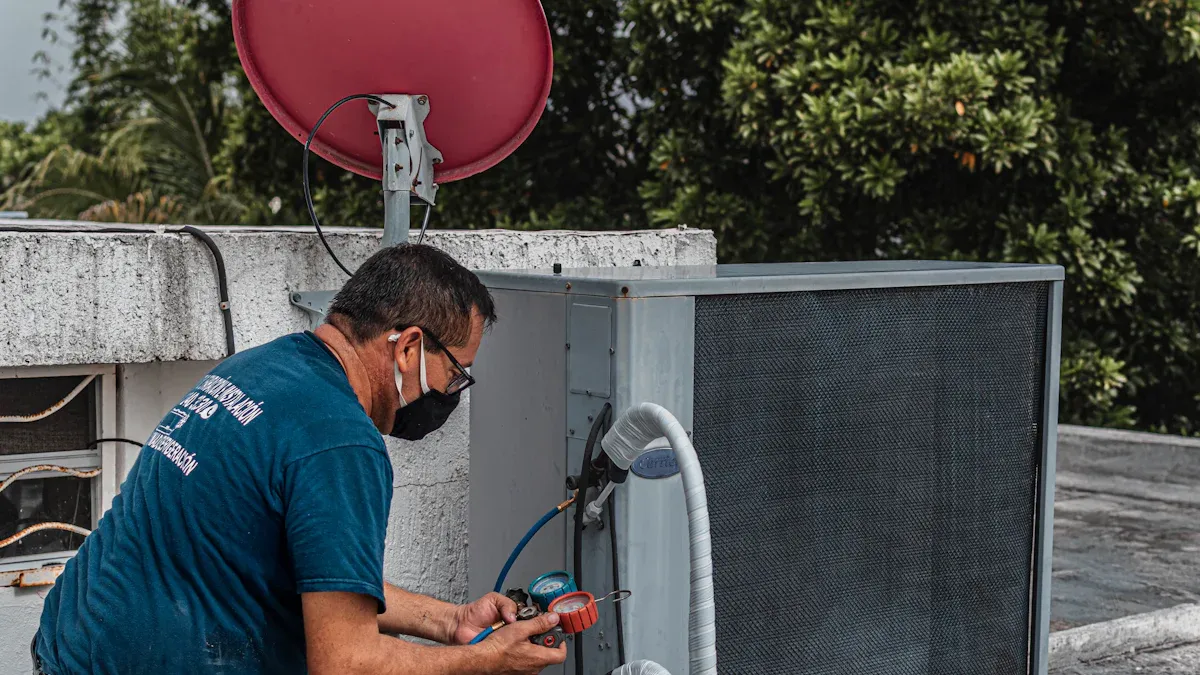
Choosing the right air conditioner copper pipe size is very important. Copper pipes help move refrigerant in your air conditioner. If the air conditioner copper pipe size is too small or too big, it can cause problems. Your system will have to work harder, wasting energy and costing more money. It can also damage the air conditioner. Picking the correct air conditioner copper pipe size keeps refrigerant flowing smoothly. This helps with better cooling and makes your system last longer. Proper sizing of the air conditioner copper pipe also prevents leaks and blockages.
Key Takeaways
Picking the right copper pipe size is very important. It helps your air conditioner work well and saves energy and money.
Using the wrong size pipe can cause big problems. Small pipes block refrigerant, and large pipes create pressure issues. Both make energy bills go up.
Always read your air conditioner's manual for the correct pipe size. It depends on the cooling power and refrigerant type. This prevents mistakes when installing.
Wrapping copper pipes with insulation is a must. It keeps the refrigerant cool, stops rust, and makes your air conditioner last longer.
Check and clean your copper pipes often. Look for leaks or damage to keep it working well and avoid expensive repairs.
Why Air Conditioner Copper Pipe Size Matters
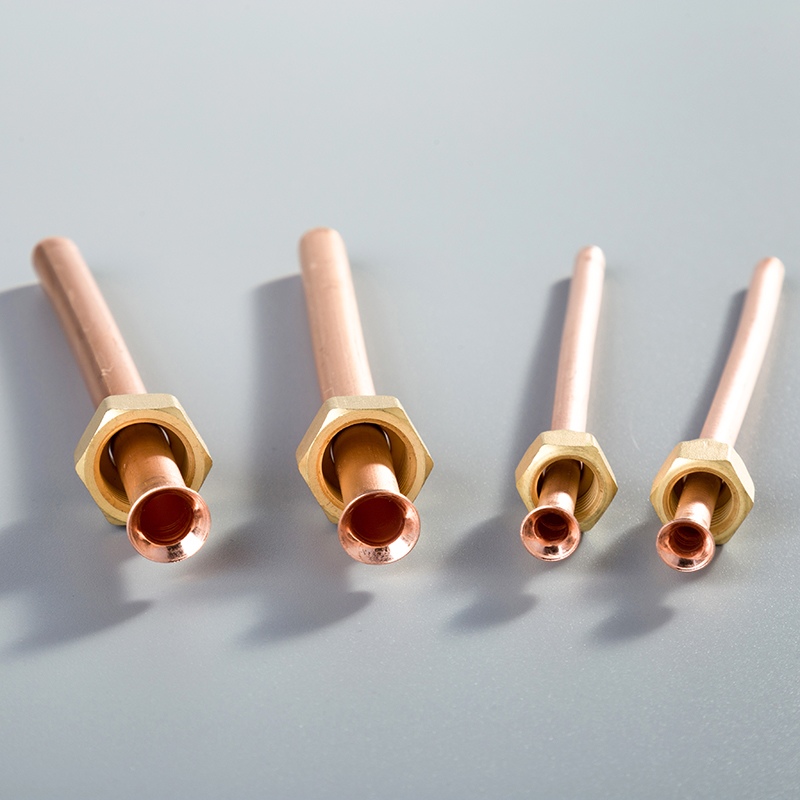
Role of copper pipes in air conditioning systems
Copper pipes are very important in air conditioners. They move refrigerant between the indoor and outdoor units. This helps cool your home by exchanging heat. Copper is great for this because it transfers heat quickly. This makes your air conditioner work better and faster.
Copper pipes also stop bacteria, mold, and mildew from growing. This keeps the air in your home cleaner and healthier. As energy rules get stricter, copper pipes are still the best choice. They help reduce pollution while keeping your air conditioner efficient.
Impact of incorrect pipe sizing on efficiency
Using the wrong copper pipe size can hurt your air conditioner. Small pipes block refrigerant flow, making the system work harder. This wastes energy and raises your electricity bill. Big pipes can cause refrigerant to collect, lowering cooling power.
Studies show why pipe size matters. For example, using a 7 mm pipe instead of a 9.52 mm pipe cuts material weight by 31%. A 5 mm pipe reduces weight by 46%. This saves material and improves refrigerant flow, boosting efficiency.
Tube Diameter (mm) | Weight of Tube Material (kg) | Weight Reduction (%) |
|---|---|---|
9.52 | 3.09 | N/A |
7 | 2.12 | 31 |
5 | 1.67 | 46 |
Common issues caused by improper pipe sizing
Wrong pipe sizes can cause many problems. Small pipes may block refrigerant, leading to uneven cooling or breakdowns. Large pipes can create pressure problems, causing leaks. Both issues can lead to expensive repairs.
Incorrect pipe sizes also wear out your air conditioner faster. The system works harder and breaks down sooner. To avoid these problems, always pick the right copper pipe size. This ensures smooth refrigerant flow and keeps your system running longer.
Factors to Think About When Picking Air Conditioner Copper Pipes
Cooling power and pipe size suggestions
When picking copper pipes, think about your system's cooling power. Cooling power means how much heat your air conditioner removes. It is measured in BTUs (British Thermal Units). Bigger systems with higher BTUs need larger pipes for more refrigerant flow. Smaller systems work well with smaller pipes.
Manufacturers usually give pipe size suggestions based on cooling power. For example, a 12,000 BTU system might need a 1/4-inch liquid line pipe and a 3/8-inch suction line pipe. Always check your air conditioner's guide to pick the right pipe size. Using the wrong size can waste energy and lower cooling.
Refrigerant type and pipe compatibility
The refrigerant type in your air conditioner also matters. Different refrigerants have different pressure and temperature needs. For example, R-410A refrigerant works at higher pressures than R-22. This means you might need thicker pipes for safety.
Make sure the pipes you choose match your refrigerant. Using the wrong pipes can cause leaks, poor cooling, or damage. Check your air conditioner's manual or ask a technician to pick the right pipes.
Why pipe size and thickness matter
Pipe size and thickness affect how well your air conditioner works. Pipe size controls how refrigerant flows. Smaller pipes improve heat transfer but may raise pressure drop. Larger pipes lower pressure drop but may reduce heat transfer.
Wall thickness is also important. Thicker walls handle high pressure better, like with R-410A refrigerant. But thicker walls can also increase pressure drop, which affects efficiency.
Here’s how pipe size and thickness impact performance:
Aspect | Effect on Efficiency |
|---|---|
Pipe Size | Smaller pipes improve heat transfer but may raise pressure drop. |
Wall Thickness | Thicker walls handle high pressure but may increase pressure drop. |
Heat Transfer | Smaller pipes can work as well as larger ones with less material. |
Surface Design | Grooved pipes have more surface area, improving heat transfer. |
System Cost | Smaller pipes use less material, lowering costs. |
Choose pipes that balance these factors for the best results. Right-sized pipes help refrigerant flow smoothly, save energy, and make your air conditioner last longer.
How to Pick the Right Insulated Copper Pipe Length
Finding the correct pipe length for installation
Getting the right pipe length is very important. It helps your air conditioner work well. To find the right length, measure the space between the indoor and outdoor units. This makes sure the pipes are not too short or too long. Both can mess up how refrigerant flows.
Here’s how to figure out the length:
Measure the distance between the units, considering your home's layout.
Add extra length for bends and turns in the pipe path.
If the pipe size isn’t labeled, use a string to measure. Wrap it around the pipe, measure the string, and divide by 3.143 to get the diameter.
Experts suggest pipe lengths based on cooling power, refrigerant type, and pipe size. Check the table below for general advice:
Factor | Recommendation |
|---|---|
Cooling Power | 1.5P (up to 15m), 2P (up to 20m), 3P (up to 25m), 5P (up to 30m) |
Refrigerant Type | R22 (up to 15m), R410A (up to 20m) |
Pipe Size | 6.35mm (up to 10m), 9.52mm (up to 20m), 12.7mm (up to 30m), 15.88mm (up to 50m) |
By following these tips, you can pick the right insulated copper pipe length for your air conditioner.
Why insulation is good for copper pipes
Adding insulation to copper pipes has many benefits. It keeps the refrigerant at the right temperature as it moves. This helps your air conditioner cool better and use less energy.
Insulation also stops water from forming on the pipes. This prevents rust and leaks. It protects the pipes from weather, like heat and humidity, which can damage them over time.
Here are some reasons to insulate copper pipes:
Stops pipes from freezing, avoiding leaks and damage.
Saves energy by keeping heat from escaping.
Prevents water buildup, stopping rust and water damage.
Makes your air conditioner last longer by protecting the pipes.
Copper is great at moving heat. When paired with insulation, it helps your air conditioner work better and last longer.
How to pick the right pipe length and insulation
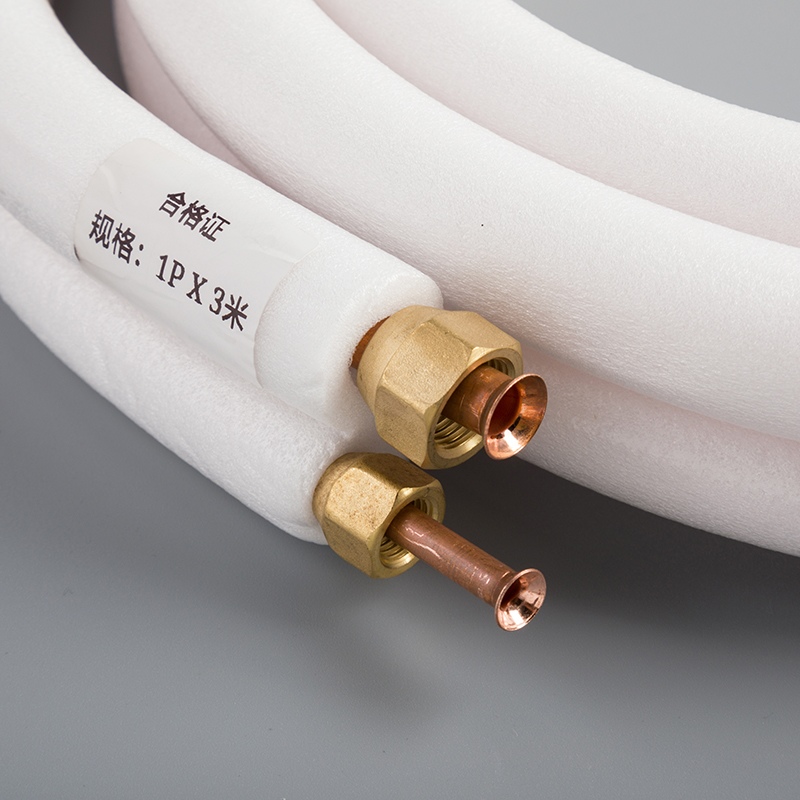
To choose the best insulated copper pipe, think about the pipe size and insulation type. Start by checking what your air conditioner needs and the weather in your area. For example, systems with R410A refrigerant might need thicker pipes and insulation because of higher pressure.
Follow these steps for the best results:
Measure carefully: Take exact measurements, including bends and turns.
Pick good insulation: Choose materials like foam or rubber that fit your system and climate.
Cut and seal properly: Cut insulation to the right size and seal edges with glue. Wrap it tightly around the pipes.
Protect from weather: Use weatherproof materials for outdoor pipes to guard against rain, sun, and heat.
Check often: Make a plan to inspect pipes and insulation. Replace damaged parts quickly to keep things running smoothly.
By following these steps, you’ll have well-insulated pipes that improve cooling and save energy.
Pro Tip: Always check your air conditioner’s manual or ask a professional for advice. This helps you avoid mistakes and ensures everything works perfectly.
Installation Tips for Air Conditioner Copper Pipes
Proper welding and connection techniques
Good welding and connections are very important for copper pipes. They stop leaks and keep the system working well. Follow these simple steps:
Gather tools like a pipe cutter, wire brush, flux, solder, torch, and safety gear.
Cut the copper pipe to the needed length using the pipe cutter. Make sure the cut is clean and straight.
Use a wire brush to clean the pipe and fittings. This removes dirt and helps the joint stick better.
Spread a thin layer of flux on the cleaned parts. Flux helps the solder melt and bond tightly.
Push the pipe into the fitting and line them up correctly.
Heat the joint evenly with the torch until the flux starts bubbling.
Add solder to the joint on the side away from the flame. The solder should spread evenly, making a shiny silver ring.
Let the joint cool down naturally. Clean off any leftover flux and check for gaps or weak spots.
These steps make strong connections that stop leaks and help refrigerant move easily.
Using nitrogen charging during installation
Nitrogen charging is a key step when installing copper pipes. It stops oxidation inside the pipes during welding. Oxidation can block the pipes and hurt the system's performance.
To do this, connect a nitrogen tank to the copper pipe. Let a small amount of nitrogen gas flow through the pipe while welding. This pushes out oxygen and stops scale from forming inside. After welding, check the pipe for any signs of oxidation. Using nitrogen keeps the pipes clean and helps your air conditioner work better.
Pressure testing for leaks and durability
Testing the pipes for leaks and strength is very important after installation. This makes sure the system works well and can handle pressure.
Here’s how to test:
Seal all pipe ends and attach a pressure gauge.
Fill the pipes with nitrogen gas and pressurize them to the level in your air conditioner’s guide.
Watch the gauge for 24 hours. If the pressure drops, there’s a leak.
Check the joints and fix any problems. Test again to confirm.
Pressure testing shows the pipes are strong and leak-free. It helps your air conditioner run smoothly and avoids costly repairs later.
Pro Tip: Always follow safety rules when using tools, solder, and nitrogen gas. If unsure, ask a professional for help.
Maintenance and Troubleshooting for Air Conditioner Copper Pipes
Regular inspection and cleaning methods
Taking care of copper pipes helps your air conditioner work well. Check the pipes often for damage like cracks or dents. Look for rust or discoloration, which can weaken the pipes. These problems might cause leaks if not fixed.
To clean the pipes, use a soft cloth and mild soap. Gently wipe off dirt, grease, or dust. Avoid strong chemicals that could harm the copper. For tight spots, use a small brush to scrub away grime. Cleaning regularly stops clogs and keeps refrigerant moving smoothly.
Identifying and fixing leaks
Leaks in copper pipes can waste energy and lower cooling. Look for oily marks, frost, or listen for hissing sounds. These signs mean refrigerant might be leaking. Fix leaks quickly to avoid bigger problems.
To repair leaks, seal the damaged spot with a repair kit. For serious leaks, call a professional to fix it. After repairs, test the pipes by running the air conditioner. Check again for any leaks. Stopping leaks helps your system stay efficient.
Preventing corrosion and wear over time
Corrosion happens often in humid places and damages copper pipes. To stop this, coat the pipes with a protective layer. This keeps moisture out and prevents rust. Adding insulation also helps by keeping pipes dry and refrigerant cool.
Check insulation often for cracks or holes. Replace damaged insulation to protect the pipes. High-quality insulated copper pipes last longer and work better. Good care reduces wear and keeps your air conditioner running for years.
Pro Tip: Have a professional check your system yearly. This finds problems early and keeps everything working great.
Picking the right copper pipe size helps your air conditioner work well. Think about cooling power, refrigerant type, and pipe size. Insulation is important to keep refrigerant cool and avoid damage. Good installation, like welding and using nitrogen, stops leaks and lasts longer. Regular care, like checking and cleaning, keeps your system running smoothly. By doing these things, you save energy, spend less on repairs, and enjoy cool air for a long time.
FAQ
What happens if I use the wrong copper pipe size?
Using the wrong size can harm your air conditioner. Small pipes block refrigerant, while large pipes cause pressure problems. Both issues can raise energy bills and reduce cooling. Always follow the manufacturer’s guide for the correct pipe size.
How do I know the right pipe size for my air conditioner?
Look at your air conditioner’s manual for pipe size details. The size depends on the cooling power (BTUs) and refrigerant type. If you’re unsure, ask a professional to avoid making mistakes.
Why is insulation important for copper pipes?
Insulation keeps refrigerant at the right temperature for better cooling. It also stops water from forming, which prevents rust and leaks. Insulated pipes last longer and help save energy.
Can I install copper pipes myself?
You can try, but it needs the right tools and skills. Mistakes like bad welding or wrong pipe length can cause leaks. If you’re not confident, hire a professional for safe installation.
How often should I inspect copper pipes?
Check pipes every six months for rust, leaks, or damage. Regular checks help catch problems early and avoid expensive repairs. Clean the pipes during inspections to keep refrigerant flowing well.
Pro Tip: Get a professional to check your system yearly. This keeps your air conditioner working great.
See Also
The Benefits Of Selecting Copper Pipes For AC Systems
How Pure Copper Pipes Enhance Air Conditioning Efficiency
Five Key Considerations For Selecting Copper Pipe Size
The Impact Of Pure Copper Pipes On Air Conditioning
Major Advantages Of Copper Pipes In Air Conditioning Systems

© Copyright 2024 Dongguan Baoyuan Refrigeration Parts Co.,Ltd - All Rights Reserved.
