Top Tips for Connecting Copper and Aluminum Pipes

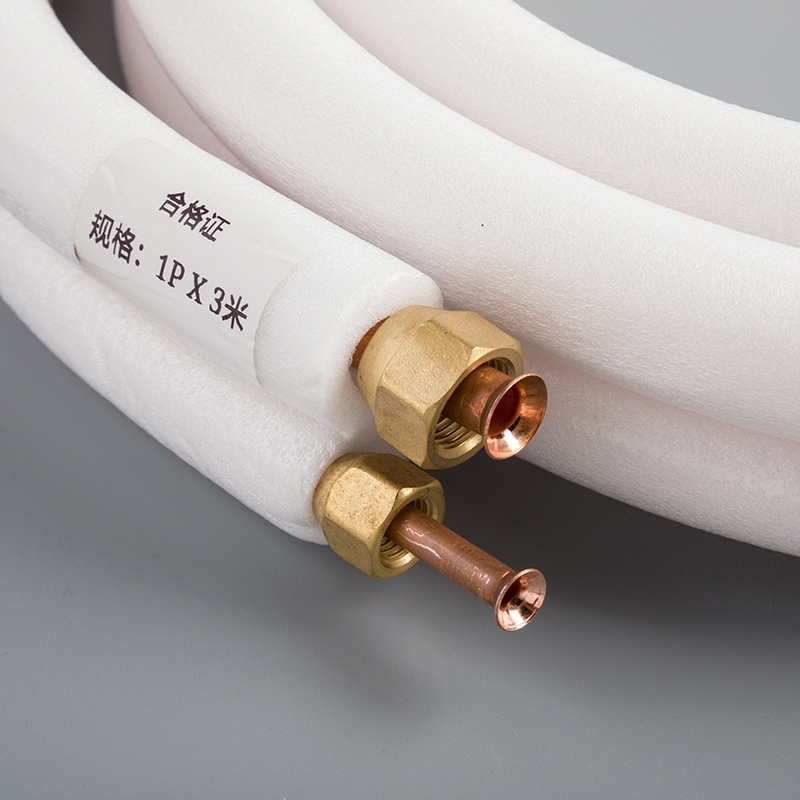
Tips Blog Post on Best Practices for Connecting Copper and Aluminum Pipes
Proper pipe connections play a vital role in ensuring the longevity and efficiency of HVAC/R systems. Connecting dissimilar metals, such as copper and aluminum, poses unique challenges that demand attention to detail. This blog provides a comprehensive guide on the best practices for connecting copper and aluminum pipes, offering valuable insights into overcoming potential issues. By following these tips, professionals can enhance the durability and performance of their installations.
Understanding the Basics
Properties of Copper and Aluminum
Copper boasts exceptional conductivity and corrosion resistance, making it a preferred choice in various applications. On the other hand, aluminum exhibits notable thermal expansion and contraction properties, which are crucial considerations in system design.
Common Applications
In HVAC systems, copper's corrosion resistance ensures longevity and safety, while aluminum's lightweight nature offers design flexibility. In plumbing systems, copper's durability and fire resistance make it a reliable option for transporting water efficiently.
Potential Issues and Solutions
Galvanic Corrosion
Galvanic corrosion is a significant concern when copper and aluminum come into contact due to their differing properties. The galvanic balance between these metals can lead to accelerated corrosion, impacting the integrity of the joint. This process occurs when aluminum, which is immune to formicary corrosion, reacts with copper, causing deterioration over time.
To address this issue effectively, professionals should consider utilizing corrosion inhibitors during the connection process. These inhibitors create a protective barrier that prevents direct contact between the two metals, reducing the risk of galvanic corrosion. Additionally, selecting AL-CU rated components ensures compatibility and enhances the longevity of the connection.
Causes and Effects
The primary cause of galvanic corrosion in copper-aluminum joints is the electrochemical reaction that occurs when these dissimilar metals are in contact within a conductive solution. This reaction leads to localized damage on the surface of either metal, compromising their structural integrity over time.
The effects of galvanic corrosion can manifest as pitting, cracking, or even complete failure of the joint. These issues not only impact the performance of HVAC/R systems but also pose safety risks due to potential leaks or system malfunctions.
Mechanical Stress
Mechanical stress is another critical factor that can affect the integrity of copper-aluminum connections. When subjected to external forces or pressure variations, these joints may experience deformation or separation, leading to potential leaks or system inefficiencies.
Impact on Joint Integrity
Excessive mechanical stress can weaken the bond between copper and aluminum pipes, jeopardizing the overall integrity of the connection. This can result in leaks, reduced system performance, and increased maintenance requirements over time.
To mitigate this risk effectively, professionals should ensure proper support and alignment during installation. By securing the pipes adequately and minimizing external pressures on the joint, they can enhance its durability and prevent mechanical failures.
Mitigation Techniques
Implementing suitable mitigation techniques is crucial to safeguard copper-aluminum connections from mechanical stress-related issues. Utilizing robust support structures such as brackets or clamps can distribute external forces evenly along the pipes, reducing strain on specific points.
Moreover, incorporating flexible connectors or expansion joints allows for natural movement without imposing excessive stress on the joint itself. These adaptive solutions accommodate thermal expansion and contraction variations while maintaining a secure and reliable connection between copper and aluminum components.
Methods for Connecting Copper and Aluminum Pipes
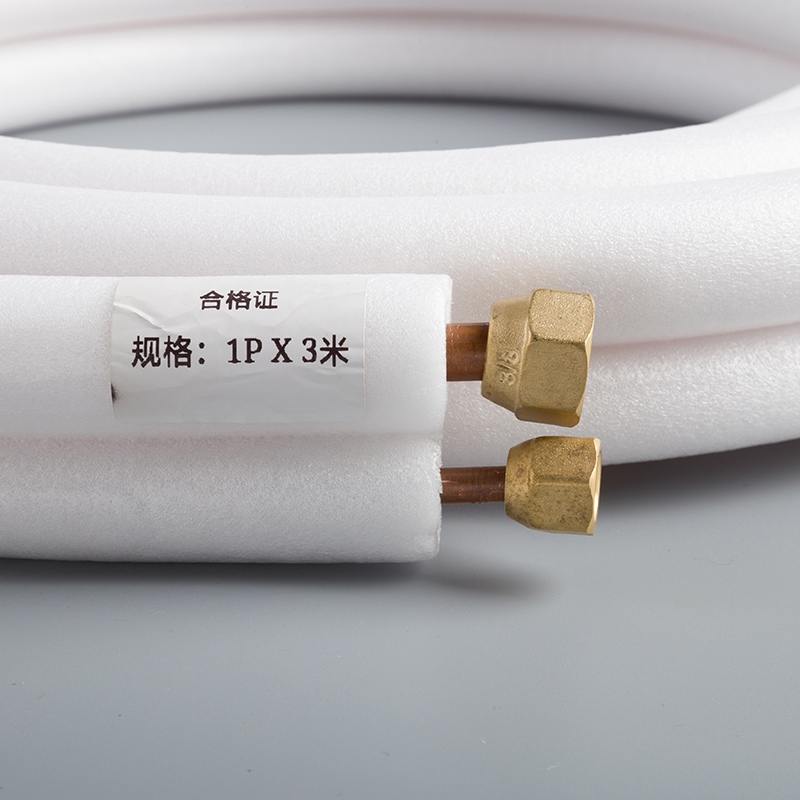
When connecting copper and aluminum pipes, professionals must adhere to best practices to ensure a reliable and durable joint. Two common methods used for this purpose are direct welding and transition welding.
Direct Welding and Transition Welding
Professionals often opt for direct welding when joining copper and aluminum pipes. This technique involves fusing the two metals together using heat, creating a strong bond. However, it is crucial to consider certain techniques and considerations to achieve a successful connection:
Use appropriate welding equipment suitable for both copper and aluminum.
Ensure proper cleaning of the surfaces before welding to remove any contaminants that could affect the bond.
Monitor the temperature carefully to prevent overheating, which can lead to material degradation.
Transition welding, on the other hand, involves gradually transitioning from one metal to another during the welding process. This method is particularly useful when dealing with dissimilar metals like copper and aluminum. By following these steps diligently, professionals can create seamless joints without compromising the integrity of the materials.
Using Dielectric Unions
Another effective method for connecting copper and aluminum pipes is through the use of dielectric unions. These specialized fittings work by preventing direct contact between the two metals, thereby reducing the risk of galvanic corrosion.
How They Work
Dielectric unions consist of insulating materials that separate copper and aluminum components within the joint. By creating an electrical break between the dissimilar metals, these unions inhibit galvanic reactions that could lead to corrosion.
Installation Tips
When installing dielectric unions:
Ensure proper alignment of the union with both pipe ends.
Tighten all connections securely but avoid over-tightening, which could damage the fittings.
Inspect the union regularly for signs of wear or corrosion, replacing it if necessary to maintain optimal performance.
Brazing and Soldering Techniques
Brazing serves as a reliable technique for joining copper tubing with aluminum components effectively. This method involves melting a filler metal into the joint between copper and aluminum pipes, creating a strong connection.
Suitable Materials and Tools
To perform brazing successfully:
Select a brazing rod compatible with both copper and aluminum.
Use a torch capable of reaching high temperatures required for brazing.
Clean both surfaces thoroughly before applying flux and heating them to initiate bonding.
Step-by-Step Guide
Prepare the surfaces by sanding them lightly to remove any oxidation or debris.
Apply flux evenly on both surfaces before positioning them together.
Heat the joint gradually using a torch until the brazing rod melts uniformly across it.
Allow the joint to cool naturally before testing its strength by applying gentle pressure.
By following these guidelines meticulously, professionals can master various methods for connecting copper and aluminum pipes efficiently while ensuring long-lasting and secure installations.
Compression Fittings
Advantages and Disadvantages
Advantages:
Provide a secure and leak-proof connection between copper and aluminum pipes.
Easy to install without the need for specialized welding equipment.
Allow for disassembly and reassembly, facilitating maintenance and repairs.
Expert Testimony:
According to an expert in metal connections, the choice of material for straps in outdoor, non-corrosive environments is crucial. When connecting dissimilar metals like stainless steel to galvanized steel or aluminum, it's essential to consider factors such as durability and resistance to environmental conditions.
Proper Installation Procedures
Installation Steps:
Begin by cutting the copper and aluminum pipes cleanly and squarely.
Slide the compression nut onto the pipe followed by the compression ring.
Insert the pipe into the fitting until it reaches the tube stop.
Tighten the compression nut with a wrench until snug, ensuring a secure fit.
By following these installation procedures diligently, professionals can effectively utilize compression fittings to create reliable connections between copper and aluminum pipes in HVAC/R systems.
Maintenance and Inspection
Regular Checks
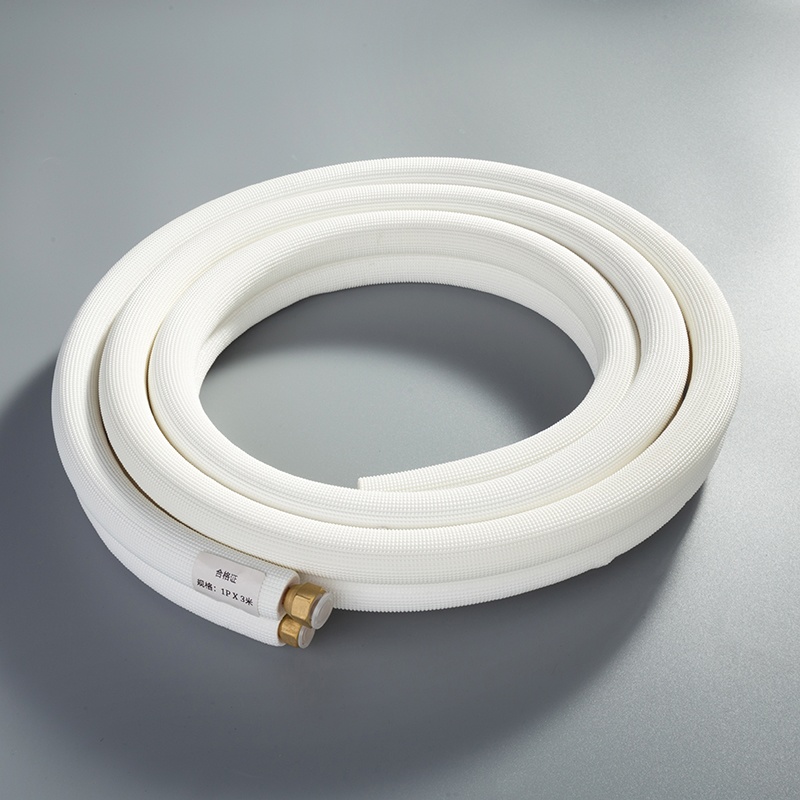
Inspecting the connections between copper and aluminum pipes regularly is crucial to ensure their integrity and functionality. By conducting routine checks, professionals can identify signs of wear and tear early on, preventing potential issues from escalating.
Look for discoloration or corrosion around the joints, indicating possible degradation.
Check for loose fittings or leaks, which could compromise the connection's effectiveness.
Monitor the overall condition of the pipes to detect any abnormalities that may require attention.
Recommended Inspection Frequency
Establishing a consistent inspection schedule is essential for maintaining optimal performance in HVAC/R systems. Professionals should conduct thorough checks on copper-aluminum connections at least twice a year to ensure their reliability.
Perform visual inspections quarterly to assess the general condition of the joints.
Conduct detailed examinations annually, focusing on specific areas prone to wear and corrosion.
Schedule professional maintenance every two years to address any underlying issues effectively.
Repairing Connections
When issues arise with copper-aluminum connections, prompt repairs are necessary to prevent further damage and maintain system efficiency. Understanding common repair methods can help professionals address concerns promptly.
Common Repair Methods
Utilize specialized repair kits designed for fixing leaks or minor damages in copper-aluminum joints.
Apply sealants or epoxy compounds to reinforce weakened areas and restore the connection's integrity.
Consider replacing damaged components with high-quality materials like Pyplok Compression Fittings for long-lasting results.
When to Replace Components
Knowing when it's time to replace components in copper-aluminum connections is vital for ensuring system reliability. By recognizing key indicators, professionals can make informed decisions regarding component replacement.
Replace corroded or severely damaged parts immediately to prevent system failures.
Upgrade outdated fittings with advanced solutions like CopperPress® Fittings and Valves for enhanced durability and performance.
Consult with industry experts if uncertain about the condition of specific components, seeking professional guidance when needed.
Recapping the essential points highlighted in this blog underscores the significance of meticulous practices when connecting copper and aluminum pipes. Following industry-recommended methods and techniques is crucial to ensure safe and durable installations. Professionals are encouraged to seek expert assistance if faced with complex challenges, guaranteeing optimal system performance. By prioritizing best practices and seeking guidance when needed, individuals can establish secure connections that uphold the integrity of HVAC/R systems effectively.
Testimonials:
Atlantic Pipe Services
"Atlantic Pipe Services has superior service. They are responsive and have excellent follow-up. They have competitive prices and are pleasant to interact with. Highly recommend using their services."
See Also
Expert Advice: Simple Techniques for 1 1/2 Copper Tubing
Top 5 Tips for Working with 1/4 Copper Pipe Connectors
Basic Guide: Soldering Copper Tubing for Novices

© Copyright 2024 Dongguan Baoyuan Refrigeration Parts Co.,Ltd - All Rights Reserved.
