How to Choose the Best Copper Tubing for Your Air Conditioner

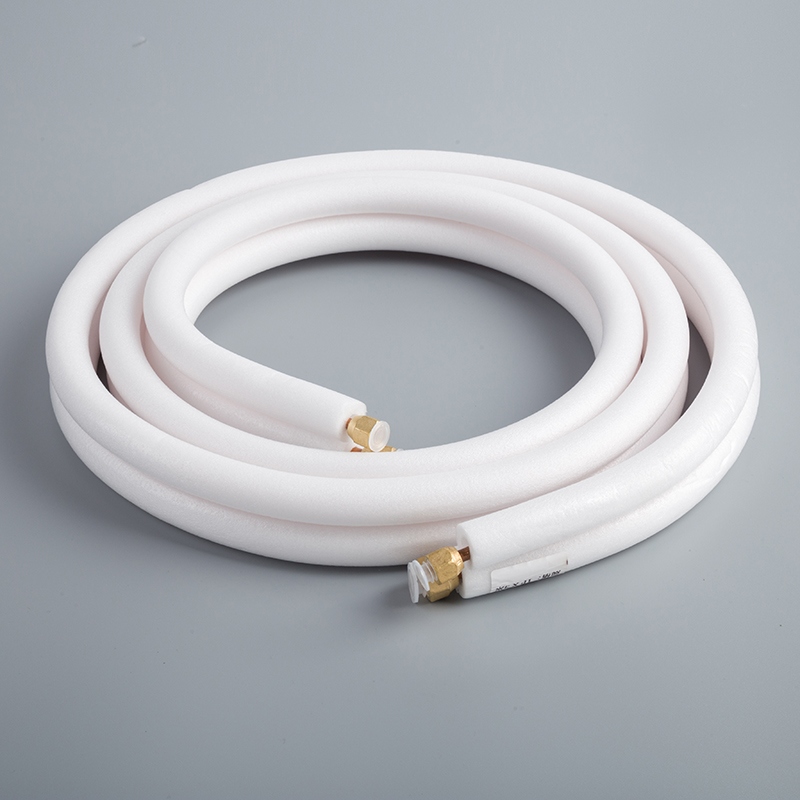
Choosing the right air conditioner copper tubing for your system is crucial. It helps the air conditioner work efficiently and last longer. Quality copper tubing allows for smooth airflow and reduces stress on the system. Additionally, it minimizes the risk of leaks and rust, saving you from costly repairs.
Recent advancements highlight why air conditioner copper tubing is an excellent choice. For instance:
Smaller copper tubes are more affordable yet still perform effectively.
Innovative copper coil designs provide better cooling while consuming less energy.
Copper's durability makes maintenance easier and extends the lifespan of your air conditioning system.
Selecting the appropriate air conditioner copper tubing not only saves you money but also ensures your system operates optimally for years to come.
Key Takeaways
Picking the right copper tubing helps your air conditioner work better and last longer. Good tubing stops leaks and rust, saving repair money.
Use soft copper tubing for tricky designs and hard copper tubing for straight setups. This choice prevents leaks and boosts performance.
Type L copper tubing works best for most air conditioners. It’s strong and affordable, making it great for everyday use.
Insulating copper pipes stops water drops from forming. This easy step lowers repair costs and saves energy.
Checking and fixing copper tubing often finds problems early. This helps avoid big repairs and keeps your air conditioner working well.
Types of Air Conditioner Copper Tubing
Soft Copper Tubing vs. Hard Copper Tubing
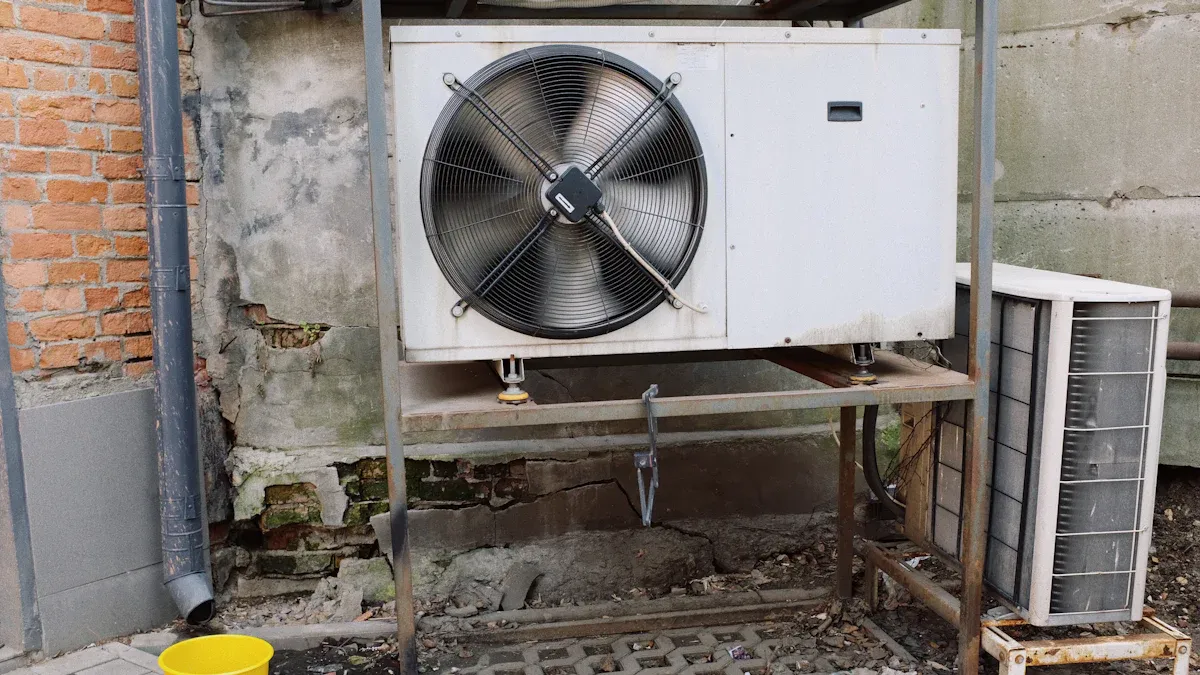
When picking copper tubing for your air conditioner, there are two main types: soft copper tubing and hard copper tubing. These types differ in how flexible, strong, and useful they are.
Soft copper tubing, also called annealed copper, bends easily. It works well for setups with tricky paths. Fewer fittings are needed, which lowers the chance of leaks. Hard copper tubing, also known as drawn copper, is stiff and stronger. It’s best for straight setups where toughness matters most.
Tip: Use soft copper tubing for homes with complex layouts. Choose hard copper tubing for businesses needing strength and stability.
The tubing’s temper affects how it performs. Annealed temper (soft) is bendable, while drawn temper (hard) is tougher and resists bending.
Thickness and Grades of Copper Tubing
The thickness of copper tubing changes how durable it is and how much pressure it can handle. Thicker walls last longer and work better in high-pressure systems. Below is a table showing details about different sizes of annealed copper tubing:
Nominal Size (inches) | Outside Diameter (inches) | Inside Diameter (inches) | Wall Thickness (inches) | Cross Sectional Area of Bore (square inches) | Max. Working Pressure (psi) |
|---|---|---|---|---|---|
1/8 | 0.125 | 0.065 | 0.030 | 0.0033 | 2613 |
3/16 | 0.187 | 0.128 | 0.030 | 0.0129 | 1645 |
1/4 | 0.250 | 0.190 | 0.030 | 0.0284 | 1195 |
3/8 | 0.375 | 0.311 | 0.032 | 0.076 | 836 |
1/2 | 0.500 | 0.436 | 0.032 | 0.149 | - |
Note: Match tubing thickness to your air conditioner’s pressure needs for safe use.
Common Types: Type K, Type L, and Type M
Copper tubing comes in three common types: Type K, Type L, and Type M. Each type has special features for different uses.
Type | Wall Thickness | Pressure Rating | Standards | Best Use Case |
|---|---|---|---|---|
Type K | Thicker walls | Up to 800 psi | ASTM B280 | Underground installations and high-pressure systems |
Type L | Medium walls | Up to 800 psi | ASTM B280 | General-purpose air conditioning and plumbing |
Type M | Thinner walls | Up to 200 psi | ASTM B88 | Low-pressure systems and budget-friendly projects |
Type K has the thickest walls, making it the strongest for high-pressure systems. Type L balances strength and cost, making it popular for air conditioners. Type M is cheaper but only works for low-pressure setups.
Tip: For most air conditioners, Type L copper tubing is the best mix of cost and performance.
Knowing these types helps you pick the right copper tubing for your air conditioner, ensuring it works well and lasts long.
Key Factors to Think About When Picking Copper Tubing
Size and Fit for Cooling Power
Picking the right size of copper tubing is very important. The tubing must match your air conditioner's cooling power. If the tubing is too small, airflow gets blocked. This lowers cooling and makes the system less efficient. If the tubing is too big, it wastes energy and costs more.
To check size and fit, look at these details:
Specification Type | Description |
|---|---|
Working Pressures | Pressure levels for metric copper tubes (BS 2871). |
Heat Carrying Capacities | Hot water heat limits for copper tubes type L. |
Dimensions and Physical Characteristics | Size details for copper tubes ASTM B 88 type K. |
Tip: Follow the manufacturer's size guide for the best fit. Correct sizing improves efficiency and makes the tubing last longer.
Strength and Rust Protection
Strength and rust resistance are key when choosing copper pipes. Copper naturally resists rust, but its lifespan depends on the environment. Long-term rust tests show how long the tubing will last. Short-term tests may not give accurate results.
Here are some facts about rust resistance:
Long-term rust rates help predict how long copper lasts.
Copper nickel alloys resist seawater rust, great for marine use.
These alloys need little care, making them popular for heat exchangers.
For aircon systems, pick copper tubing with strong rust protection. This keeps your system working well and reduces repairs. It’s especially useful in humid or coastal areas where rust is common.
Balancing Cost and Quality
Finding a balance between cost and quality is important. Cheaper tubing may seem like a good deal but can cause problems. Low-quality materials often need more repairs and lower efficiency. Spending more on good-quality copper saves money over time.
When thinking about cost and quality, remember:
Initial Cost: Type L copper tubing is durable and affordable.
Future Savings: Strong materials mean fewer replacements and lower costs.
System Efficiency: Good tubing keeps your aircon running smoothly.
Note: Always choose quality over low cost for aircon tubing. Reliable materials keep your system working well every day.
Installation Environment and Pressure Needs
Where you set up your aircon affects the copper tubing choice. Different places have unique conditions like temperature, moisture, or dirt. For example, salty air near the coast can cause faster rusting. In such areas, pick tubing with extra rust protection for longer use.
Pressure is also important when picking tubing. Aircon systems need specific pressure to move refrigerant properly. If the tubing can't handle the pressure, it might leak or break. Always check the tubing's pressure rating and match it to your aircon. For high-pressure systems, thicker tubing like Type K works better.
Think about the temperature around the tubing too. Very hot or cold weather can change how the tubing works. Outdoor setups may need insulation to guard against weather damage. Indoor setups might need tubing that fits tight spaces but still works well.
Tip: Check your aircon manual or ask a technician. This ensures the tubing fits both the environment and pressure needs. It also helps avoid expensive repairs later.
By knowing how the setup and pressure affect tubing, you can choose wisely. This keeps your aircon running well and lasting longer.
Installation Tips for Air Conditioner Copper Tubing
Proper Insulation to Stop Condensation
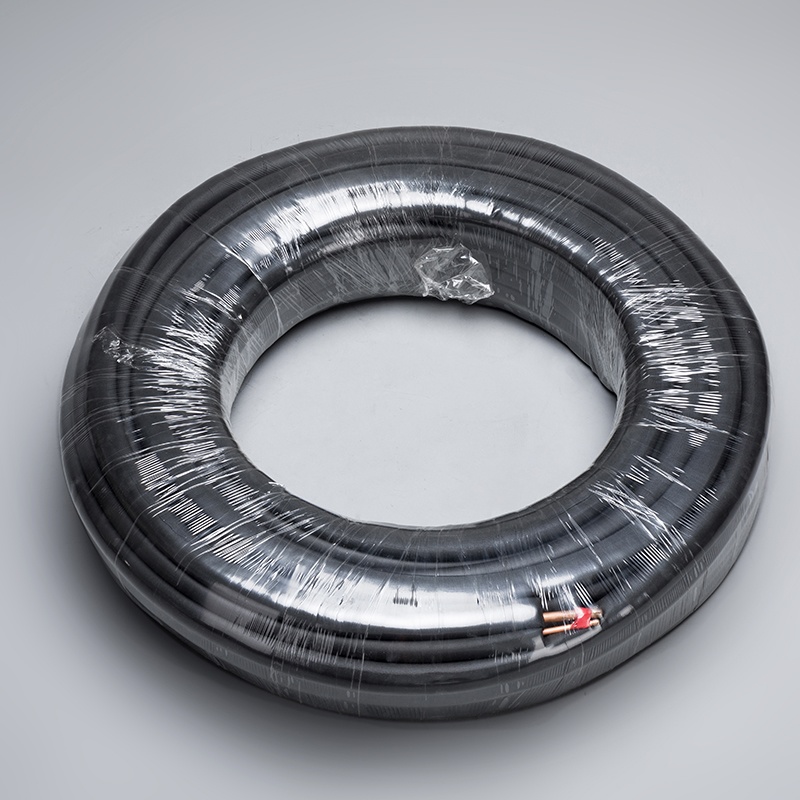
Adding insulation to copper pipes is very important. It stops condensation and keeps your aircon working well. Without it, water can form on the pipes. This may cause damage and lower performance. Insulation keeps the pipe's temperature above the dew point. This prevents moisture from forming in the first place.
Why insulation is important:
It lowers repair costs by stopping condensation problems.
It makes the pipes last longer by reducing heat loss.
It saves energy, cutting down your utility bills.
Use foam or rubber insulation made for aircon systems. Wrap the pipes tightly so no gaps are left. This simple step protects your system and helps it run better.
Avoiding Bends, Kinks, and Damage
Be careful when installing copper pipes. Bends or kinks can block refrigerant flow. This reduces how well your aircon cools. Damaged pipes can also leak, harming the system.
To prevent these problems:
Use a pipe bender for smooth, even curves.
Don’t force pipes into tight spaces.
Check pipes for damage before installing them.
If a pipe gets kinked, replace it right away. Trying to fix it can weaken the pipe and cause leaks. Careful handling keeps your aircon pipes in great shape.
Making Sure Connections Don’t Leak
Leak-free connections are key for a good aircon system. Even small leaks can lower cooling and waste energy. Follow these tips for secure connections:
Tighten fittings only when the system is off.
Make sure the pipe sits firmly on the fitting before tightening.
Don’t twist the fitting body during assembly.
Use fittings from the same brand to avoid mismatches.
Tip: Check all connections after setting up. A quick look can save you from expensive fixes later.
By following these tips, you can avoid mistakes and make your aircon system more reliable.
Importance of Professional Installation
Getting a professional to install aircon pipes is very important. It helps your air conditioner work well and last longer. Doing it yourself might seem cheaper, but experts do it better.
Professionals know what your aircon system needs. They pick the right materials, like copper tubing, and make sure everything fits. This lowers the chance of leaks, bad connections, or damage. They also handle refrigerant lines safely, which keeps cooling performance strong.
Experts work with care and precision. They use special tools to cut and bend pipes without causing damage. They follow safety rules and industry standards to ensure the system runs efficiently. This reduces the risk of future problems or expensive repairs.
Professionals can spot challenges during installation, like weather or pressure issues. They suggest fixes, such as adding insulation to stop condensation or heat loss. Their skills make sure your aircon works well in any environment.
Hiring a professional saves time and effort. It also gives you confidence that the job is done right. Choosing an expert protects your aircon system and keeps it running smoothly for years.
Tip: Always hire a licensed technician for aircon piping work. This ensures the job meets local rules and is done properly.
Maintenance and Longevity of Copper Tubing
Regular Checks for Damage
Check your copper pipes often to spot problems early. Look for cracks, dents, or color changes. These issues can hurt your aircon's performance and cost you money.
Listen for strange noises or check for loose pipe connections. Watch for water buildup, which might mean poor insulation. Wipe the pipes with a soft cloth to keep them clean and free of dirt.
Tip: Get a professional to check your system yearly. They can find hidden problems and keep your aircon working well.
Fixing Leaks and Rust Quickly
Leaks and rust can ruin copper pipes if ignored. Fixing them fast keeps your aircon running longer.
Problem Type | Why It Matters |
|---|---|
Rust under dirt can break pipes if not treated. | Clean and use chemicals to stop rust. |
Hidden rust under insulation causes big damage if missed. | Good insulation and checks prevent this. |
Wet insulation shows rust risk. Fix it early to avoid damage. | Quick fixes stop small problems from growing. |
Copper can rust faster in certain conditions. | Regular care helps avoid serious rust issues. |
If you see wet spots or color changes on pipes, act fast. Replace bad insulation and add coatings to stop rust.
Note: Checking pipes often stops small problems from becoming big repairs.
Easy Ways to Make Copper Tubing Last Longer
Taking care of your aircon pipes helps them last a long time. Try these tips to keep them in good shape:
Look for cracks or color changes on the pipes.
Use gentle cleaners to keep pipes clear and rust-free.
Oil parts connected to the pipes for smooth use.
Hire a pro to check for hidden issues early.
Good care makes your aircon work better and break down less. This keeps your system running for many years without needing constant repairs.
Tip: Regular maintenance saves money and keeps your aircon working its best.
Picking the right copper tubing helps your air conditioner work well. Good-quality pipes, like swg22 copper, stop rust and leaks. Adding insulation keeps heat in and stops water drops from forming. Hiring a pro makes sure pipes are connected tightly and work properly.
Here are some helpful tips:
Place pipes in safe spots, like under floors or ceilings.
Don’t bend pipes too much to avoid gas leaks.
Check for leaks after setting up to ensure no gaps.
Choose tubing that fits your system and is high quality. Spending more now saves on repairs later and keeps your aircon working for years.
FAQ
What type of copper tubing is best for residential air conditioners?
Type L copper tubing is ideal for most home air conditioners. It is strong, affordable, and handles normal pressure well. This makes it a dependable option for cooling systems in houses.
Tip: Check your air conditioner's manual before buying tubing.
How do I know the correct size of copper tubing for my air conditioner?
Look at your air conditioner's guide or ask a technician. The tubing size should match the system's cooling power and pressure needs. Wrong sizing can harm the system or lower its efficiency.
Note: Using the wrong size might cancel your warranty.
Can I install copper tubing myself?
You can try, but hiring a professional is better. Experts make sure connections are tight, leaks are avoided, and refrigerants are handled safely. Doing it yourself could damage the system or void the warranty.
Emoji Reminder: 🛠️ Let a licensed technician handle the job for safety.
How often should I inspect copper tubing for maintenance?
Check copper tubing once every year. Look for cracks, leaks, or rust. Regular inspections help catch small problems before they become expensive repairs.
Pro Tip: Hire a professional yearly for a detailed inspection.
Does copper tubing work well in coastal areas?
Yes, but it needs extra care. Salty air near coasts can cause rust faster. Use special coatings or copper-nickel alloys to protect the tubing.
Alert: 🌊 Coastal areas need more frequent checks to prevent rust.
See Also
The Benefits Of Using Copper Pipes In Air Conditioning
Comparing Efficiency: Copper Tubes Versus Aluminum In AC
The Importance Of Pure Copper Pipes For Air Conditioning

© Copyright 2024 Dongguan Baoyuan Refrigeration Parts Co.,Ltd - All Rights Reserved.
