How to Choose the Best AC Installation Pipe Kit for Your Home

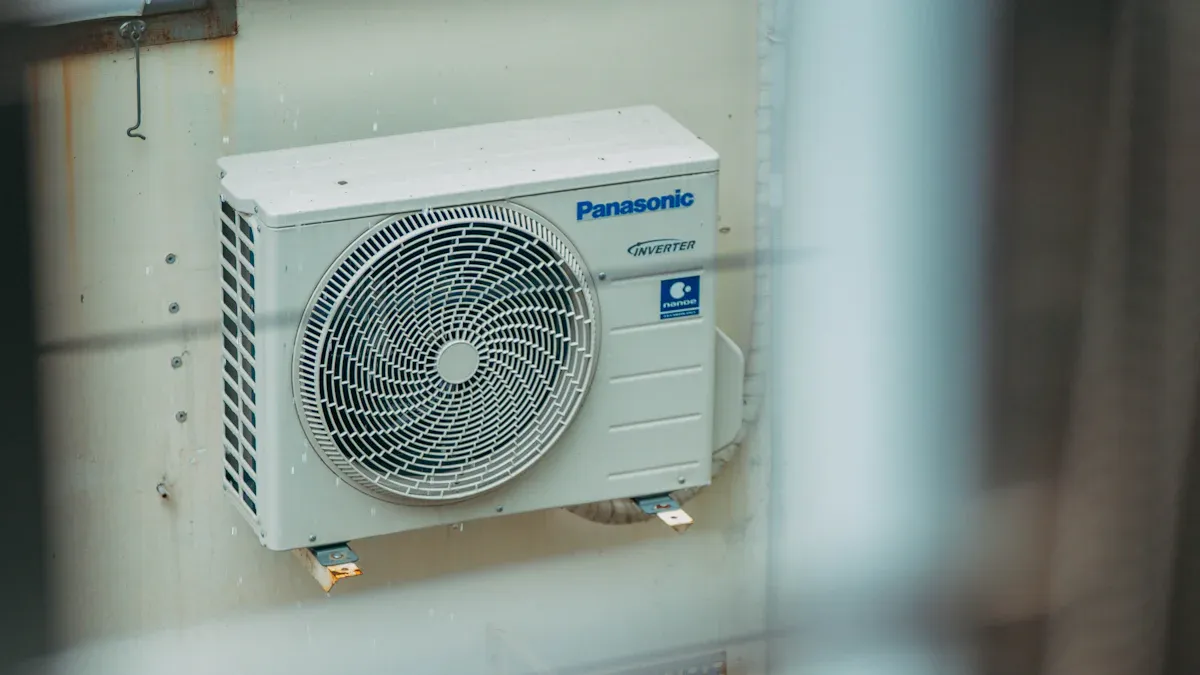
Choosing the right AC installation pipe kit helps your system work well. A poor kit can cause leaks or weaker cooling. Look for strong and fitting parts when selecting a kit. This choice affects energy use and how reliable your AC is.
Key Takeaways
Find out your AC type and model to pick the right pipe kit. Different ACs need different installation parts.
Choose tough, rust-free materials like copper for long-lasting use. This helps your AC work better and last longer.
Measure the pipe length carefully for good refrigerant flow. Use the maker's instructions to prevent problems.
Identifying Your AC Needs
Know Your AC Type and Model
The first step is to know your AC's type and model. Different types of air conditioners need specific pipe kits. The table below shows common AC types and their needs:
Type of AC | Best for | Installation Needs |
|---|---|---|
Central Air Conditioning | Cooling the whole house | Needs correct sizing, professional care, and existing ductwork. |
Window Air Conditioners | Cooling one room or small spaces | Easy to install; works for many room sizes. |
Portable Air Conditioners | Rooms under 500 square feet | Mobile unit; needs venting through a window or wall; budget-friendly. |
Ductless Mini Split Air Conditioners | Homes without ducts | Needs indoor and outdoor units; no ductwork required. |
Variable-Speed Air Conditioners | Energy-saving cooling | Works at different speeds; installation depends on cooling needs. |
For central ACs, choose a kit that fits your ductwork. For ductless systems, ensure the kit connects indoor and outdoor units. Always check your AC manual for advice.
Check the Refrigerant Type
The refrigerant type is key to picking the right pipe kit. Many modern ACs use R32 or R410A refrigerants. These need specific pipe sizes and materials. Using the wrong kit can harm your system or reduce cooling.
Experts say pipe size must match your AC model. Wrong sizes can cause poor refrigerant flow, faster wear, and higher energy bills. Make sure the copper pipes in your kit fit your AC's needs. This helps your system work well and last longer.
Measure the Pipe Length Needed
Measuring pipe length correctly is very important. Pipes that are too short or long can hurt performance. Follow these tips to get the right length:
Why Pipe Length Matters: Correct length helps refrigerant flow and keeps pressure balanced.
Minimum Length for R32 Systems: Use at least 3 metres (10 feet) for proper circulation.
Follow Manufacturer Guidelines: Stick to the minimum and maximum lengths they suggest.
What Affects Minimum Length: Think about compressor type, refrigerant, and system size.
Problems with Short Pipes: They can trap oil, lower cooling, and make more noise.
Modern Exceptions: Some systems allow shorter pipes, but check the manual first.
When measuring, include bends and turns in the layout. This ensures you buy a kit with the right pipe size and length, avoiding problems during installation.
Evaluating Pipe Kit Materials
Pick Strong and Rust-Resistant Materials
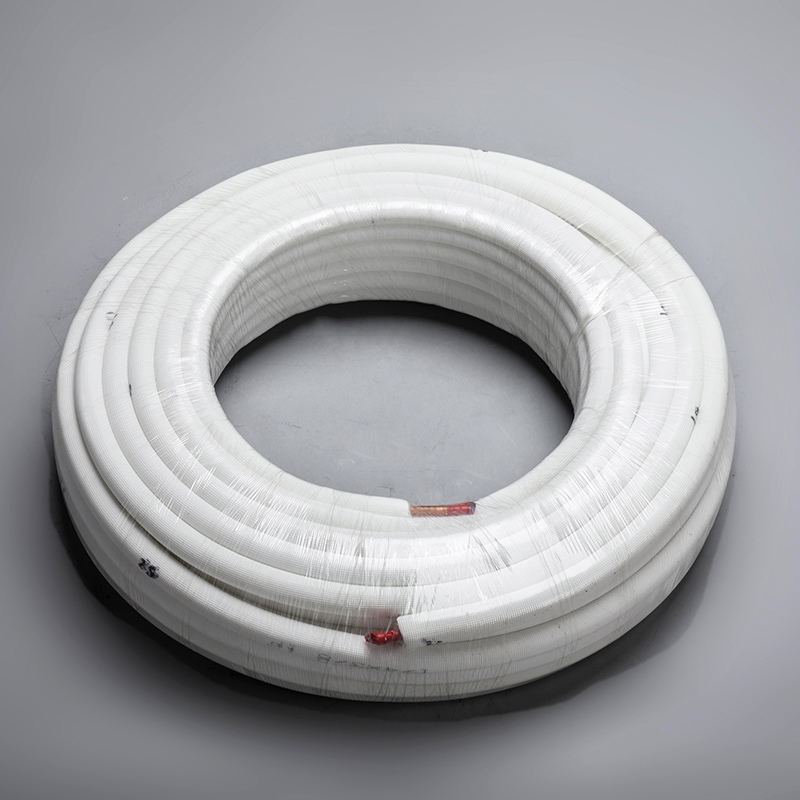
The material of your pipe kit is very important. It affects how long your air conditioner lasts and works. Choose materials that are strong and do not rust easily. Copper pipes are a top choice because they carry heat well and resist rust. Aluminium pipes are cheaper and lighter but may not last as long as copper.
Tip: If you live near the sea, pick materials that resist salty air to avoid damage.
Think about where the pipes will go when choosing materials. Pipes outside need extra protection from weather. Look for kits with coatings or galvanised materials for better durability.
Check Pressure and Heat Tolerance
Air conditioners work under changing pressure and heat levels. Your pipe kit must handle these changes well. Pipes that cannot take high pressure may leak or break. Materials that fail under heat can wear out quickly.
Read the pipe kit details to ensure it suits your AC's needs. Copper pipes are great for handling high pressure and heat, making them a safe option. Always check your AC manual for the right pressure and heat limits.
Note: Using the wrong pipe kit can cause expensive repairs or replacements.
Look at Insulation for Saving Energy
Good insulation helps your air conditioner work efficiently. Bad insulation wastes energy, raises bills, and cools less effectively. Pick a pipe kit with good insulation materials.
Foam insulation is popular because it keeps heat out and is easy to use. Pre-insulated pipes save time during installation. Also, check the insulation thickness. Thicker insulation keeps energy loss low and improves cooling.
Pro Tip: Check insulation regularly for damage. Replace worn-out insulation to keep your system efficient.
Ensuring Proper Sizing and Compatibility
Match Pipe Diameter to AC Specifications
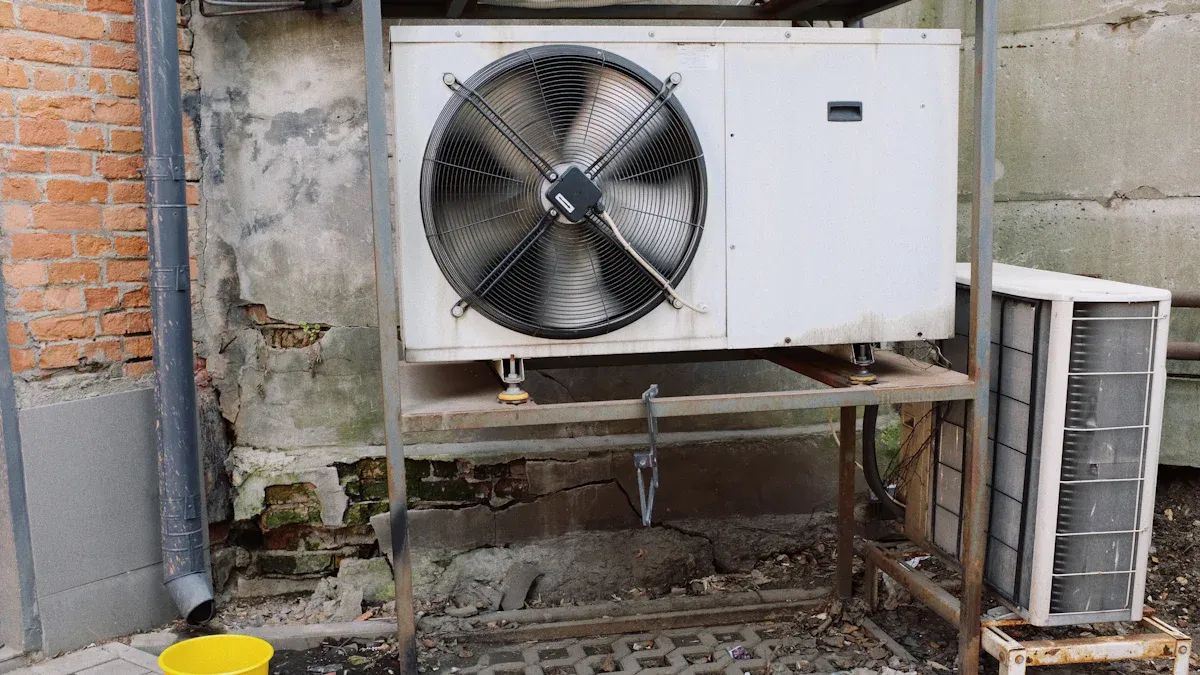
The pipe size must match your air conditioner’s needs. Small pipes block refrigerant flow, while big pipes lower cooling. Use standards like Nominal Pipe Size (NPS) or Diametre Nominel (DN) to find the right size. NPS measures pipes in inches, common in North America. DN uses millimetres and is used worldwide. These standards help you pick the correct pipe size.
For instance, Grant Store Ltd. first used a 28mm pipe. This caused refrigerant speed to go above safe limits. They fixed the issue by recalculating with special software. This shows how proper sizing keeps your AC working well.
Verify Compatibility with Fittings and Connectors
Your pipe kit must fit your AC’s connectors and fittings. Wrong parts can cause leaks or poor refrigerant flow. Check the thread type and size before buying. Many brands offer charts to help you choose. Kits made for your AC model make installation easier and safer.
Check Manufacturer Guidelines for Compliance
Always read your air conditioner’s manual for pipe kit advice. Manuals list the right pipe size, material, and insulation. Following these rules avoids warranty problems and costly repairs. Ignoring them can cause big issues later.
Tip: Keep the manual nearby during installation to check details.
Budget and Cost Considerations
Balance Quality with Affordability
Picking an AC pipe kit means balancing cost and quality. Good kits help your AC work well and last longer. You don’t need to spend too much money. Find affordable materials that perform well. Copper pipes are strong, resist rust, and carry heat efficiently. These features lower maintenance and improve reliability.
Tip: Universal kits make installation easier and save money on extra parts.
For big projects, durable materials save money over time. They reduce replacements and keep your system safe and efficient. Always choose options that give good value for your money.
Compare Prices Across Brands and Retailers
Pipe kit prices differ between brands and sellers. Comparing them helps you find the best deal. Start by checking trusted brands known for quality. Then, look at prices in online shops and local stores. Some sellers offer discounts or bundles to cut costs.
Pro Tip: Read reviews to ensure the kit meets your needs before buying.
Comparing prices helps you avoid overspending while keeping quality. It also shows hidden costs like shipping fees or extra parts.
Factor in Long-Term Maintenance Costs
Think about future maintenance costs, not just the upfront price. Cheap kits may cost less now but lead to expensive repairs later. Strong materials like copper prevent leaks and wear, saving money over time. Good insulation stops energy loss, lowering electricity bills.
Check your pipe kit often for damage. Replace worn parts quickly to avoid big repair costs. Spending more on a good kit now can save you money in the long run.
Special Considerations for Portable Air Conditioners
Use a Window Kit for Proper Ventilation
A window kit is needed for portable air conditioners. It helps remove hot air by venting it outside. Most kits adjust to fit different window sizes. They usually include an exhaust pipe, panels, foam seals, and screws. These parts seal the window, stopping air leaks and improving cooling.
To install, cut foam seals to fit your window frame. Attach the panels and secure them with screws. Connect the exhaust pipe tightly to the hose and adapter. Leave at least 50 centimetres of space around the unit. This setup helps your air conditioner cool your room better.
Ensure Pipe Kit Compatibility with Portable AC Models
Not all pipe kits fit every portable air conditioner. Check your AC model’s specifications before buying. The pipe must match the size and length suggested. Using the wrong pipe can cause leaks or poor cooling. Many brands sell universal kits that fit most models, making installation easier.
Choose a durable and flexible pipe for long-term use. A strong pipe lasts longer and resists damage. Keep the pipe short to improve cooling and save energy. This reduces strain on your air conditioner and makes it work better.
Tips to Install a Portable Air Conditioner Effectively
Follow these steps to set up your portable air conditioner:
Gather the AC unit, window kit, duct tape, and a bucket if needed.
Place the unit near a window and power outlet. Make sure nothing blocks airflow.
Secure the window kit tightly to stop air from leaking.
Attach the exhaust pipe to the hose and window adapter. Keep the pipe short for better cooling.
Check for gaps or loose parts. Seal them with duct tape if needed.
A properly installed air conditioner cools well and saves energy. Check the exhaust pipe and vent often for damage or blockages to keep it working efficiently.
Picking the right AC pipe kit helps your system work well. It also makes your air conditioner last longer. Know what your system needs before choosing a kit. Use strong materials that won’t break or rust easily. Make sure the pipes are the correct size for your AC. For portable units, use a window kit to vent hot air outside. Check that the kit fits your AC model to avoid problems. Following these tips helps you set up a dependable cooling system.
FAQ
What is the ideal material for AC installation pipes?
Copper is the top option. It lasts long, handles pressure, and cools well. Aluminium costs less but wears out faster.
Tip: Near the sea, pick anti-corrosion materials to stop rust.
How do I measure the correct pipe length?
Measure the space between AC units, including turns. Add extra length for adjustments. Follow the maker’s rules for pipe sizes.
Can I reuse old pipes for a new AC installation?
Using old pipes can cause problems. They might not fit your new system, leading to leaks or poor cooling. Always pick pipes made for your AC model.
Note: Ask an expert if unsure about pipe compatibility.
See Also
Uncover Top Pipe Insulation Options For Your Residence
Reasons To Opt For Copper Pipes In Air Conditioning
Five Simple Steps To Install Copper Pipe Coils Safely
Simple Guidelines To Professionally Install Copper Tubes For AC

© Copyright 2024 Dongguan Baoyuan Refrigeration Parts Co.,Ltd - All Rights Reserved.
