How to Choose the Right Copper Pipe for Aircon Systems in Singapore

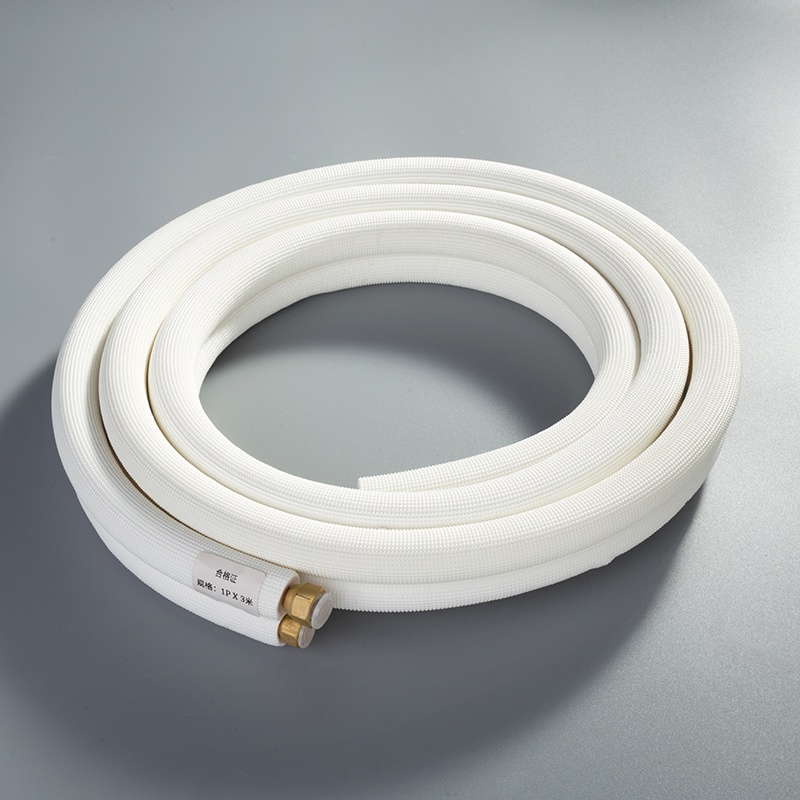
Choosing the right copper pipe is very important for aircons, especially when considering where to buy copper pipe for aircon in Singapore. Good pipes stop leaks and help the aircon work well. Singapore’s wet weather needs strong, rust-proof materials. Copper pipes are great because they don’t rust and handle heat. When picking pipes, follow rules to avoid problems. Buying copper pipes from trusted places in Singapore saves time and ensures good quality.
Key Takeaways
Pick the right copper pipe for your aircon. Soft pipes bend easily, hard pipes are tough, and insulated pipes save power.
Look at the grade of copper pipes. Type L is strong and affordable, while Type K works for high pressure.
Always follow local rules for copper pipes. This keeps your aircon safe and efficient.
Buy good-quality copper pipes. They cost more now but save money later on fixes and energy.
Check and care for your copper pipes often. This stops leaks and rust, helping your aircon work well.
Types of Copper Pipes for Aircon Systems
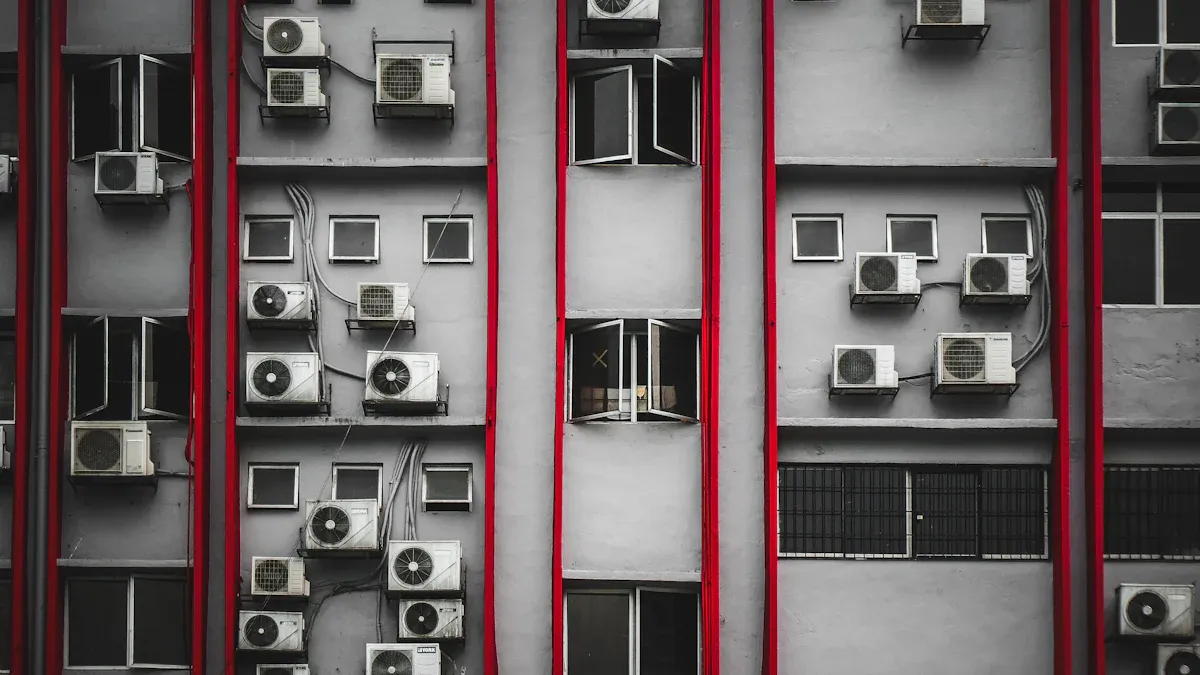
Picking the right copper pipe for your aircon is important. Different types of pipes work better for certain setups. Below are three common types of copper pipes used in aircon systems.
Soft Copper Pipes
Soft copper pipes can bend easily, making them great for tricky spaces. These pipes are useful in areas with tight or complex layouts. Fewer fittings are needed, which lowers the chance of leaks.
But soft copper pipes can get damaged more easily. Handle them carefully to avoid dents or bends. They are often used in split aircon systems where flexibility matters most.
Tip: Check soft copper pipes for damage before installing them. This helps your aircon work better.
Hard Copper Pipes
Hard copper pipes are strong and stiff, perfect for straight-line setups. They are good for places needing long, straight pipe runs. These pipes can handle high pressure, making them ideal for heavy-duty aircon systems.
Unlike soft pipes, hard pipes need fittings for turns or bends. More joints mean you must seal them well to stop leaks. Hard pipes are often used in central aircon systems where strength is key.
Note: Hard copper pipes don’t bend, so measure carefully and get professional help for installation.
Insulated Copper Pipes
Insulated copper pipes have a layer that keeps heat from escaping. This helps the refrigerant stay cool as it moves through the pipes. In Singapore’s hot weather, this saves energy and lowers electricity costs.
Both soft and hard pipes can come with insulation. These pipes stop condensation, which can cause water damage or mold. Using insulated pipes improves your aircon’s performance and lifespan.
Pro Tip: Make sure the insulation fully covers the pipe. This boosts energy savings and protects your system.
Common Grades of Copper Pipes (e.g., Type L, Type K)
When picking copper pipes for your aircon, knowing the grades is key. Each grade has special traits that fit different needs. Below are the main types of copper pipes used in aircon systems.
Type L Copper Pipes
Type L pipes are a popular choice for aircon systems. They have medium-thick walls, making them strong but not heavy. These pipes work well in homes and businesses. Their thickness helps them handle pressure and resist rust, lasting a long time.
Key Features:
Medium-thick walls for strength.
Good for indoor and outdoor use.
Rust-resistant in wet places like Singapore.
Tip: For aircons in humid areas, Type L pipes are a smart pick. They offer a good mix of strength and cost.
Type K Copper Pipes
Type K pipes are the thickest and toughest of all. They are great for aircons needing high pressure or underground setups. Their strong design makes them perfect for harsh conditions.
Key Features:
Thickest walls for extra strength.
Best for high-pressure systems.
Long-lasting, even in tough environments.
Note: Type K pipes cost more but last longer. This can save money on repairs later.
Type M Copper Pipes
Type M pipes have thinner walls than Type L and K. They are less strong but cheaper. These pipes work for low-pressure aircons or short-term setups. However, they may not hold up well in Singapore’s wet weather.
Key Features:
Thin walls for lightweight use.
Affordable for low-pressure systems.
Less resistant to rust and wear.
Pro Tip: Don’t use Type M pipes for long-term setups in wet areas. They can rust quickly and cause leaks.
Comparison Table
Here’s a simple table to compare the grades:
Grade | Wall Thickness | Durability | Best For | Cost |
|---|---|---|---|---|
Type K | Thickest | High | Heavy-duty or underground systems | High |
Type L | Medium | Moderate | Residential and commercial setups | Moderate |
Type M | Thinnest | Low | Low-pressure or temporary systems | Low |
Knowing these grades helps you pick the right pipe for your aircon. Think about the system’s pressure, where it will be installed, and your budget.
Reminder: If unsure, ask a professional for advice. Choosing the right pipe avoids problems and keeps your aircon running well.
Key Factors to Consider When Choosing Copper Pipes
Durability and Corrosion Resistance
Durability is very important when picking copper pipes for aircons. Strong pipes last longer and need fewer repairs or replacements. Copper pipes are tough and resist damage, making them a great choice. But not all copper pipes are equally durable.
Corrosion resistance is also crucial in Singapore’s humid weather. Moisture can cause rust and weaken pipes over time. Copper pipes resist rust better than many other materials. Choosing the right grade, like Type K, improves rust protection. Type K pipes have thick walls that resist damage and rust well.
Tip: Pick pipes with anti-rust coatings for extra protection. These are helpful in places with high humidity.
Compatibility with Singapore's Climate
Singapore’s hot and humid weather can affect aircon systems. High heat and moisture can lower the efficiency of aircon pipes. Copper pipes work well in this climate as they handle heat and moisture effectively.
Insulated copper pipes are especially useful in Singapore. Insulation keeps the refrigerant cool and saves energy. It also stops condensation, which can cause mold or water damage. Using insulated pipes improves energy savings and protects your aircon system.
Pro Tip: Use pipes with good insulation to save energy and avoid moisture problems.
Proper Sizing for Aircon Systems
The size of copper pipes affects how well your aircon works. Small pipes can block refrigerant flow and reduce cooling. Large pipes may waste energy and cost more to run.
To pick the right size, check your aircon’s capacity. Bigger aircons need wider pipes to handle more refrigerant. Ask a professional to help you choose the correct size for your system.
Reminder: Measure carefully before buying copper pipes. The right size keeps your aircon efficient and working well.
Compliance with Local Regulations and Standards
When picking copper pipes for aircons in Singapore, follow local rules. These rules ensure safety, energy efficiency, and protect the environment. Ignoring them can cause fines, system issues, or safety risks.
Why Compliance Matters
Singapore has strict safety and building codes. These rules protect people and nature. Using bad pipes can cause leaks that harm the ozone layer. Weak materials may break under pressure, leading to costly repairs or accidents.
Tip: Check if the pipes meet Singapore’s BCA standards. This ensures your aircon works safely and efficiently.
Key Standards to Look For
Here are important standards to know when choosing copper pipes:
Material Quality:
Pipes must meet quality standards. Look for certifications like ASTM or ISO. These ensure the pipes are strong and reliable.Thickness Requirements:
Rules in Singapore often require thick pipe walls. Thicker pipes handle pressure better and last longer. Type L or Type K pipes usually meet these needs.Insulation Standards:
Insulated pipes must follow energy-saving rules. Good insulation stops energy loss and prevents water buildup. This is vital in Singapore’s humid weather.Refrigerant Compatibility:
Make sure the pipes work with your aircon’s refrigerant. Some refrigerants need special materials to avoid leaks or reactions.
Reminder: Ask suppliers for proof that pipes meet these standards. This helps you avoid buying low-quality products.
How to Ensure Compliance
Follow these steps to ensure your pipes meet local rules:
Consult Professionals:
Licensed aircon experts know Singapore’s codes. They can suggest pipes that meet all rules.Buy from Trusted Suppliers:
Reliable sellers in Singapore offer pipes that meet standards. Avoid unknown or uncertified sellers.Request Certifications:
Always ask for documents proving the pipes meet regulations. These confirm the pipes are safe and high-quality.Stay Updated:
Rules can change. Keep track of updates to Singapore’s building and energy codes.
Pro Tip: Hiring a professional installer ensures your aircon system follows all local laws.
Consequences of Non-Compliance
Not following rules can lead to big problems. You might face fines or penalties. Non-compliant pipes can void your aircon warranty, leaving you with repair costs. Faulty pipes may also leak refrigerant, harming health and the environment.
Alert: Breaking rules can cost more later. Always choose safety and quality over saving money.
By following local rules, your aircon system stays safe and efficient. Compliance protects your investment and helps the environment.
Cost Considerations
Upfront Costs vs. Long-Term Value
Think about both cost now and value later when picking copper pipes for your aircon. At first, copper pipes might seem pricey. But they last longer and work better than other materials. They don’t rust easily, so you won’t need to replace them often.
Good-quality copper pipes help your aircon cool properly. They let refrigerant flow smoothly, making your system more efficient. Over time, this lowers your energy bills and repair costs. Spending more now on strong pipes saves money in the future.
Tip: Choose quality over cheap options. It protects your aircon and saves money later.
Budget-Friendly Options Without Compromising Quality
You can find good copper pipes that don’t cost too much. Look for pipes that handle heat well and resist rust. These features keep your aircon working efficiently and reliably.
Here are some affordable choices:
Type L pipes have medium-thick walls, offering strength at a fair price.
Insulated pipes save energy by stopping heat loss.
Pipes from trusted sellers give good quality at reasonable prices.
Even though copper pipes cost more upfront, they are worth it. They need less fixing and help your aircon work better, saving money over time.
Pro Tip: Check prices from different sellers to find strong, affordable pipes.
Cost of Installation and Maintenance
Installing and maintaining pipes also costs money. Hiring experts ensures pipes fit well and don’t leak. This costs more at first but avoids expensive fixes later.
Taking care of your aircon pipes saves money in the long run. Regular checks can catch rust or leaks early. Cleaning pipes stops clogs that make your aircon less efficient. These steps help your aircon last longer and cost less to fix.
Reminder: Pay for professional help with installation and upkeep. It keeps your aircon working well and saves money over time.
Installation Tips and Best Practices
Proper Handling of Copper Pipes
Handling copper pipes the right way keeps them strong and working well. If handled poorly, they can get dents or damage, which may harm your aircon. Follow these simple steps to protect your pipes:
Plan the pipe route carefully before starting the installation.
Cut pipes with the right tools and smooth the edges.
Use fittings that match the pipes to secure them tightly.
Add support hangers to stop pipes from bending or sagging.
Storing and delivering pipes properly is also very important. Check the table below for helpful tips:
Section | Guidelines |
|---|---|
Delivery, Storage, and Handling | 1. Use end-caps to keep pipes safe from dirt or damage. |
| | 2. Store pipes off the ground to avoid moisture and dirt. | | | 3. Protect fittings from dust, rain, or other weather issues. |
Tip: Always check pipes for dents or damage before installing them. This can save you money on repairs later.
Ensuring Leak-Free Connections
Leaks in copper pipes can make your aircon less efficient and cost more to run. To avoid leaks, make sure all connections are tight and secure. First, cut the pipes to the right size using a pipe cutter. Then, smooth the edges with a deburring tool to remove sharp bits.
When connecting pipes, use good-quality fittings that fit perfectly. Tighten them carefully, but don’t over-tighten, as this can cause damage. After setting up, test for leaks by running refrigerant through the pipes and checking for escaping gas.
Pro Tip: Use a little thread sealant or Teflon tape on threaded parts for extra protection against leaks.
Importance of Professional Installation
Installing copper pipes for aircons needs skill and accuracy. A professional installer knows how to cut, connect, and insulate pipes properly. They also follow local rules to ensure safety and energy efficiency.
Hiring an expert lowers the chance of mistakes, like loose connections or wrong pipe sizes. Professionals have the right tools and experience for tricky setups, like tight spaces.
Reminder: DIY installation might seem cheaper, but mistakes can cost more later. Trust a licensed expert for a reliable aircon system.
Insulation Techniques for Energy Efficiency
Adding insulation to copper pipes helps your aircon use less energy. Without insulation, pipes lose cool air, making the aircon work harder. This uses more electricity and raises your bills. Insulating pipes stops energy waste and saves money.
Why Insulation Matters
Insulation keeps heat away from the pipes. This helps the refrigerant stay cool and your aircon work better. It also stops water drops from forming on the pipes. Water drops can cause mold or damage over time.
Tip: Pick strong insulation made for aircon systems. It lasts longer and protects better.
Types of Insulation Materials
Here are common materials for insulating copper pipes:
Rubber Foam: Soft and strong, it blocks moisture and works well in humid places like Singapore.
Polyethylene Foam: Light and affordable, it gives good heat protection.
Fiberglass Insulation: Great for extreme heat control but needs a cover to stop moisture.
Steps for Proper Insulation
Measure your pipes to find the right insulation size.
Cut the insulation to fit using a sharp knife.
Wrap the insulation tightly around the pipe with no gaps.
Use tape or zip ties to hold the insulation in place.
Pro Tip: Check insulation often for cracks or damage. Replace it quickly if you see problems.
Using these steps improves your aircon’s efficiency and makes it last longer. Insulation saves energy and keeps your system in good shape.
Maintenance and Troubleshooting
Regular Checks for Rust or Leaks
Regular checks keep your aircon working well. Rust or leaks in copper pipes can block refrigerant flow, lowering cooling power. By inspecting pipes often, you can spot issues early and avoid big repairs.
Look for rust signs like color changes or small holes on pipes. These show the pipes are getting weaker and might break soon. Leaks may appear as oily marks or frost on the pipes. Fixing these problems quickly stops more damage.
Singapore’s humid weather can make rust happen faster. During checks, note these conditions and take steps to manage them. For example, use anti-rust coatings or improve airflow to make pipes last longer.
Tip: Check your aircon pipes every six months to keep them in good shape.
Cleaning Pipes and Avoiding Clogs
Clogs in aircon pipes can block airflow and stress the system. Cleaning pipes removes dirt and buildup that slow refrigerant flow. This helps your aircon cool better and use less energy.
Use a soft brush or special cleaner to clean pipes. Don’t use strong chemicals that could harm the copper. If clogs don’t clear, call an expert to flush the system safely.
Stopping clogs is as important as cleaning. Keep the area around your aircon free of dust. Adding filters can also block dirt from entering the pipes.
Pro Tip: Clean your aircon pipes once a year to keep them working well.
Knowing When to Replace Pipes
Even strong copper pipes wear out over time. Replacing them on time avoids sudden breakdowns. Signs of wear include cracks, thin walls, or frequent leaks. If your aircon isn’t cooling well, the pipes might be the problem.
Check pipes for visible damage like dents or rust. If repairs cost too much or happen often, replacing pipes may save money. For older systems, switching to insulated pipes can boost efficiency and cut energy costs.
Reminder: Don’t wait for pipes to fail completely. Replacing old pipes early keeps your aircon running smoothly.
Tips for Making Copper Pipes Last Longer
Taking care of copper pipes helps them last and work well. Good maintenance stops leaks, rust, and expensive repairs. Follow these simple tips to keep your aircon pipes in great shape.
Keep Pipes Clean
Dust and dirt can collect on pipes over time. Cleaning them often keeps refrigerant moving smoothly. Use a soft cloth or gentle cleaner to wipe them. Don’t use strong chemicals that might harm the copper.Check Pipes Often
Look at your aircon pipes every few months for damage. Watch for rust, dents, or leaks. Fixing small problems early avoids bigger issues later. Focus on spots exposed to heat or moisture.Protect Pipes from Water
Singapore’s humid weather can cause rust quickly. Use anti-rust coatings or insulated pipes to block moisture. Insulation also stops water drops that can lead to mold or damage.Install Pipes Correctly
Bad installation can make pipes wear out faster. Hire an expert to set up your aircon pipes properly. They’ll ensure tight connections and the right pipe size to avoid leaks.Prevent Physical Damage
Be careful when handling copper pipes. Dents or bends can weaken them and cause leaks. Use pipe holders to keep them steady and stop sagging.
Tip: Get a professional to check your pipes once a year. They can clean, inspect, and fix them to keep your aircon running well.
By following these tips, your copper pipes will last longer and help your aircon work better.
Where to Buy Copper Pipe for Aircon in Singapore
Getting the right place to buy copper pipes is important. Reliable sellers ensure good quality and follow local rules. Here are three common places to check.
Local Hardware Stores
Hardware stores are easy to visit for quick purchases. They usually have different pipe types and sizes. You can see the pipes yourself to check their quality. Staff can also guide you on which pipes fit your aircon system.
Shopping at a store avoids waiting for deliveries. You can ask for advice on tools or installation tips. Popular stores in Singapore include Home-Fix and Selffix DIY. These stores often sell pipes that meet local standards.
Tip: Call the store first to check if they have the pipes you need. This saves time.
Online Retailers
Online shops have many copper pipes to choose from. You can compare prices and read reviews before buying. Websites like Lazada and Shopee give detailed product info, making it easier to decide.
Buying online is great if you’re busy. Many sites deliver, so you don’t need to carry heavy pipes. Pick sellers with good ratings to ensure high-quality products.
Pro Tip: Check if the pipes meet Singapore’s rules before buying online. This avoids problems later.
Specialized Aircon Suppliers
Aircon suppliers focus on cooling system products. They often sell strong, high-quality copper pipes made for aircons. These suppliers can suggest pipes that match your system’s needs.
Trusted suppliers in Singapore include Aircon Megastore and Coolserve. They may also offer installation services to set up pipes properly. Buying here ensures the pipes are durable and compatible.
Reminder: Ask for proof that the pipes meet local standards before buying.
Knowing where to buy copper pipes helps you choose wisely. Pick a seller offering quality, compliance, and convenience.
Picking the right copper pipe is key for your aircon. Good pipes stop rust and work well in Singapore’s humid weather. They help cool better by moving heat efficiently. Choosing the right size keeps your aircon running smoothly and saves energy. Checking for leaks often helps keep the system working properly.
Strong copper pipes cost more upfront but save money later. They need fewer repairs and lower energy bills. Always ask experts to install and maintain your pipes. Their skills make sure your aircon works great for a long time.
FAQ
1. Why are copper pipes better than other materials for aircon systems?
Copper pipes don’t rust, handle pressure well, and last longer. They also transfer heat quickly, helping the aircon cool better. These features make them perfect for Singapore’s humid weather.
Tip: Pick copper pipes for long-lasting and energy-saving performance.
2. How do I know which copper pipe size is right for my aircon?
Look at your aircon’s size and refrigerant type. Bigger aircons need wider pipes for proper refrigerant flow. Check your manual or ask an expert for advice.
Reminder: Wrong pipe size can waste energy and lower cooling power.
3. Can I install copper pipes for my aircon myself?
It’s better not to install them yourself. You need special tools and must follow safety rules. Hiring a pro ensures no leaks and meets local standards.
Pro Tip: Professionals save you time and prevent expensive errors.
4. How often should I inspect my copper pipes?
Check your copper pipes twice a year. Look for rust, leaks, or damage. Regular checks help fix small issues before they become big problems.
Note: In Singapore’s humid weather, frequent checks are very important.
5. Are insulated copper pipes worth the extra cost?
Yes, they save energy by keeping heat out and stopping condensation. This improves cooling and prevents water damage. Over time, you’ll save more money on energy bills.
Emoji Tip: 💡 Insulated pipes = save money and protect your aircon!
See Also
The Benefits of Selecting Copper Pipes for AC Systems
The Importance of Pure Copper Pipes in Air Conditioning
The Transformative Role of Pure Copper Pipes in AC
Key Advantages of Copper Pipes in Air Conditioning Systems
Comparing Copper and Aluminum Tubes for Air Conditioning Efficiency

© Copyright 2024 Dongguan Baoyuan Refrigeration Parts Co.,Ltd - All Rights Reserved.
