How to Choose the Right Flexible Pipe Kit for Aircon Installation

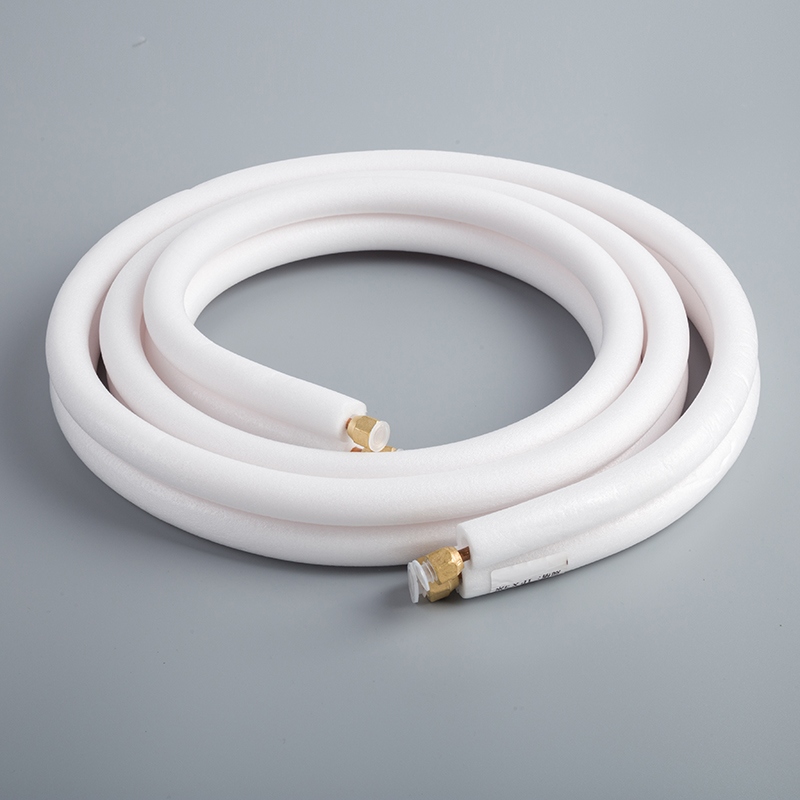
Installing an air conditioner requires careful planning. Selecting the appropriate flexible pipe kit for aircon installation is crucial. The kit must meet your system's requirements and function effectively. Durable materials and the correct size help prevent leaks. They also ensure the system operates smoothly. Thoughtful choices can enhance your aircon's performance and longevity. The right flexible pipe kit for aircon installation simplifies the installation process and extends its lifespan as well.
Key Takeaways
Make sure the flexible pipe kit matches your aircon system. This helps avoid leaks and damage. Check size, pressure, and temperature ratings first.
Pick the right pipe size to improve airflow. Use your aircon manual and industry rules to find the best diameter for good performance.
Choose strong materials like copper for lasting use. Strong materials mean fewer repairs and better system efficiency.
Think about pre-insulated pipes for easier setup. They save time, use less energy, and keep refrigerant temperatures steady.
Balance price and quality when picking a pipe kit. Set a budget, read reviews, and choose features that suit your aircon's needs.
Check if the Kit Fits Your Aircon System
Picking a flexible pipe kit starts with checking if it fits. If it doesn’t match, it could cause leaks or damage. Look at the pipe size, pressure, and temperature limits to avoid problems.
Choosing the Right Pipe Size
The pipe size affects how well your aircon works. Small pipes block airflow, while big ones waste energy. To find the right size, check your aircon’s manual and industry rules.
Pipe Size Type | What It Means | Where It’s Used |
|---|---|---|
NPS | Measures outside diameter | Mostly in North America |
NB | Measures inside diameter | Common in Europe |
DN | Metric system for inside diameter | Used worldwide |
Schedule 80 | Strong pipes for high pressure | High-pressure systems |
Schedule 160 | Extra strong for very high pressure | Very high-pressure systems |
Think about the refrigerant type and flow rate when picking a pipe. These details help you choose the right diameter. Always follow the manufacturer’s advice to get the best fit. Correct sizing improves airflow and refrigerant recovery.
Make Sure Pressure and Temperature Ratings Match
Aircons work under certain pressure and temperature levels. The pipe kit must handle these conditions to work safely. Weak pipes can break and cost a lot to fix.
Modern pipe kits have many benefits:
Great heat transfer for better cooling.
Lasts over 50 years if installed properly.
Doesn’t rust, so no extra coatings are needed.
Flexible design makes installation easier with fewer leaks.
Handles high pressure and extreme temperatures.
Stops bacteria growth, keeping air cleaner.
Fits many systems due to standard sizes.
Can be recycled, making it eco-friendly.
Check the kit’s pressure and temperature ratings before buying. This ensures it can handle refrigerant flow and vacuum needs safely and efficiently.
Focus on Strong Materials That Last Long
When picking a flexible pipe kit for aircon, think about the material. Good materials help the system work well and last longer. Bad materials can cause more repairs, higher costs, and poor performance.
Comparing Common Pipe Types
Different pipe materials have their own pros and cons. Knowing these helps you pick the right one for your aircon.
Copper: Copper is great at moving heat and is very popular. It doesn’t rust and handles high pressure well. But it costs more and might need extra insulation.
PVC: PVC pipes are light and don’t rust, making them easy to use. They are cheap but don’t work well in extreme heat or pressure.
Stainless Steel: This is strong and doesn’t rust, so it’s good for tough conditions. It lasts long but is harder to install because it’s stiff.
HDPE (High-Density Polyethylene): HDPE pipes are bendy and resist chemicals. They’re not common in aircon systems but can work in special cases.
Tip: Use high-quality copper pipes for reliable aircon performance. They help refrigerant flow smoothly and handle vacuum needs well.
Check for Rust Resistance and Long Life
Rust resistance is key to making pipes last longer. Pipes near water or chemicals can rust, causing leaks and breakdowns.
Material | Features | Where It’s Used |
|---|---|---|
Stainless Steel | Strong and rust-resistant | Tough environments |
Carbon Steel | Strong and affordable | Many uses |
Copper | Moves heat well | Plumbing, aircon systems |
Alloys | Handles high heat | Special uses |
PVC | Light and rust-proof | Water systems |
HDPE | Bendy and chemical-proof | Industrial uses |
Studies show that good materials make pipe kits last longer. For example, copper pipes rarely fail in the first 15 years, making them dependable. On the other hand, PVC pipes might need fixing more often because they handle tough conditions poorly.
Pipe Material | Age Range (Years) | Chance of Breaking |
|---|---|---|
CI | 0-15 | Low |
CI | 15-27 | High |
DI | 0-15 | Medium |
PE, GI, S | 0-15 | High |
GI, DI | >150 mm | Medium |
DI | >450 mm | Low |
To keep your aircon working longer, pick pipes that don’t rust and handle pressure well. Copper pipes are a great choice because they last long and work well with refrigerants.
Note: Always follow industry rules when choosing pipe materials. This keeps your system safe and working its best.
Focus on Easy and Efficient Installation
Why Use Pre-Insulated Flexible Pipes?
Pre-insulated pipes make aircon installation quicker and easier. These pipes already have insulation, saving time and effort. You won’t need extra materials, so the process is faster.
Using these pipes improves energy efficiency. Good insulation stops heat loss, lowering energy bills. It also reduces strain on your aircon, helping it last longer. Stable refrigerant temperatures improve system performance and refrigerant recovery.
Here’s a summary of the main benefits:
Benefit | What It Does |
|---|---|
Saves Energy | Stops heat loss, cutting energy use and costs. |
Lasts Longer | Reduces wear, making the system work for more years. |
Better Cooling | Keeps refrigerant temperatures steady for improved cooling. |
Pre-insulated pipes are also easier to maintain. Regular checks keep insulation in good shape, avoiding heat loss. Some products come with adhesives, so you don’t need extra tools.
Must-Have Accessories for Easier Installation
The right tools make aircon installation simpler and better. Use pipe clamps, brackets, and connectors to secure pipes. These stop leaks and keep the system airtight for top performance.
High-quality copper fittings are strong and reliable. Copper doesn’t rust and handles high pressure well, making it perfect for aircons. Many flexible pipe kits include these fittings for easy use.
Measuring tools are also important. They help you cut pipes to the right size for a perfect fit. This prevents leaks and boosts system efficiency. Checking everything during installation helps spot problems early, saving time and money.
For the best results, ask an expert. They can give advice based on your needs for a smooth installation.
Balance Cost with Quality
Finding Good Value
Getting good value means more than just comparing prices. You need to balance cost, quality, and features. Aircon pipe kits come in many price ranges. Setting a budget helps you pick the right one. A budget stops overspending while meeting your system's needs.
Customer reviews can help you find trusted products. Look for comments on how durable, easy to install, and effective they are. Kits with strong materials, like copper pipes, often last longer. Copper is tough, doesn’t rust, and helps refrigerant flow well. This makes it a smart choice.
Easy installation adds value too. Kits with pre-insulated pipes or useful tools save time and money. These features make the job easier and improve system performance. By thinking about these points, you can choose a kit that balances cost and quality.
Avoiding Spending Mistakes
Spending too much happens when you buy features you don’t need. To stop this, check what your aircon system really needs. For example, if your system works under normal conditions, you don’t need pipes for extreme use. This saves money.
Another mistake is ignoring safety rules. Kits that don’t meet standards can cause expensive repairs. Always check for safety labels to ensure the kit follows industry rules. This keeps your system safe and reliable.
Picking the wrong material can also raise costs. Copper pipes are great for most systems but may not suit cheap or short-term setups. Think about your needs to avoid paying for extras you won’t use.
By focusing on what your aircon needs and skipping unneeded upgrades, you can save money without losing quality.
Picking the right flexible pipe kit helps your aircon work well. Make sure the kit fits your system to avoid problems. Use strong materials to lower repairs and make it last longer. Pre-insulated pipes and key tools make installation easier. Choose wisely by focusing on value, not extra features. Following these tips ensures your aircon works better and lasts longer.
FAQ
What is the best material for flexible aircon pipes?
Copper is the top choice for most aircon systems. It doesn’t rust, handles high pressure, and keeps refrigerant flowing well. Though it costs more, its strength and efficiency make it a smart long-term option.
How do I know if a pipe kit fits my aircon system?
Look at your aircon manual for size, pressure, and temperature needs. Match these with the kit’s details. Always follow the manufacturer’s advice to avoid leaks or damage.
Are pre-insulated pipes worth the cost?
Yes, they save time and improve energy use. Pre-insulated pipes stop heat loss, cut energy bills, and help your aircon last longer. They are also easier to maintain, making them a good investment.
Can I install a flexible pipe kit myself?
You can if you have basic tools and follow the guide. But hiring a professional ensures proper installation, especially for tricky systems. This avoids problems like leaks or poor performance.
How do I avoid overspending on a pipe kit?
Set a budget and focus on what your aircon needs. Skip extra features like high-pressure ratings if not needed. Check for safety labels to ensure quality without wasting money.
Tip: Read customer reviews to find the best value for your money.
See Also
The Benefits of Selecting Copper Tubes for AC Systems
Comparing Copper and Aluminium Tubes for Air Conditioning Efficiency
Simple Guide to Professionally Installing Copper Tubes for AC

© Copyright 2024 Dongguan Baoyuan Refrigeration Parts Co.,Ltd - All Rights Reserved.
