A Comprehensive Guide to Measuring Copper Pipes

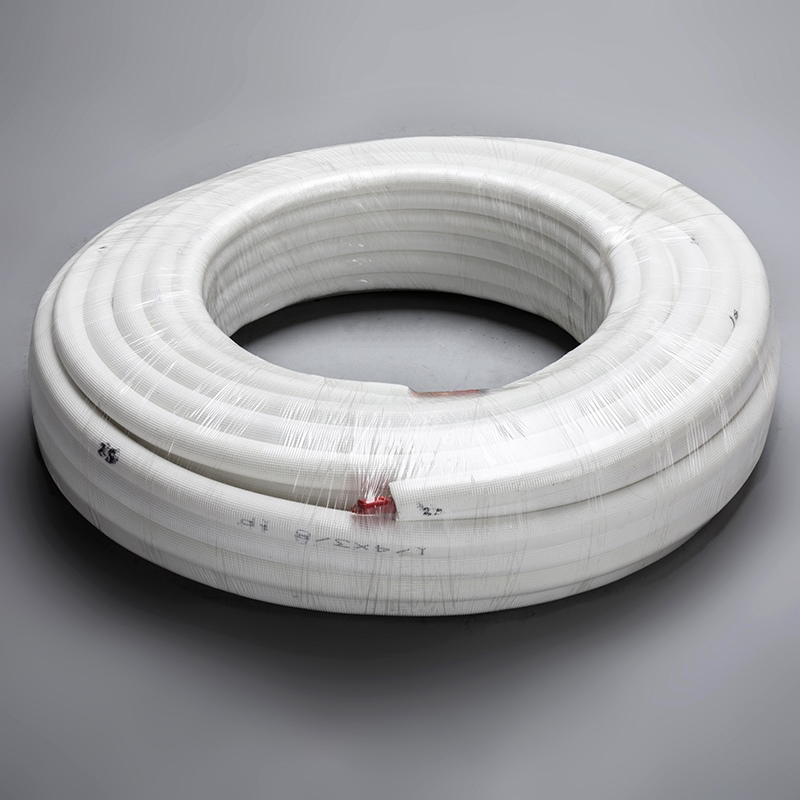
A Comprehensive Guide to Copper Pipe Measurement
Accurate measurements in plumbing and construction are essential to ensure the integrity and efficiency of projects. Precision in measuring copper pipes, such as those manufactured by Baoyuan, prevents leaks, reduces material waste, and ensures proper fittings. Professional piping requires specialized tools for accurate pipe processing. Tools like measuring tapes, pipe calipers, and pipe sizing charts play a crucial role. For instance, wrapping a measuring tape around a pipe and dividing the circumference by 3.1416 provides the actual outer diameter. Utilizing proven tools from reputable brands like Baoyuan guarantees the highest strength, durability, and performance. For more information on Baoyuan's pure copper connecting pipes for air conditioners, visit https://copperpipe.net/products/.
Understanding Copper Pipes
Types of Copper Pipes
Type K
Type K copper pipes possess the thickest walls among all types. These pipes are ideal for underground installations due to their durability. The robust nature of Type K pipes makes them suitable for high-pressure applications.
Type L
Type L copper pipes offer a balance between durability and flexibility. These pipes have moderately thick walls, making them suitable for both residential and commercial plumbing. Type L pipes last longer compared to Type M pipes due to their thicker walls. This type is often used in interior plumbing, fire protection, and HVAC systems.
Type M
Type M copper pipes feature thinner walls compared to Type K and Type L. These pipes are more affordable but less durable. Type M pipes are commonly used in residential plumbing where water pressure is not a significant concern. However, these pipes may require replacement sooner than Type L pipes due to their lower longevity.
Type DWV
Type DWV (Drain, Waste, and Vent) copper pipes are designed for non-pressurized applications. These pipes are used in drainage systems, waste disposal, and venting. Type DWV pipes are not suitable for water supply lines due to their thin walls and lack of pressure resistance.
Common Uses of Copper Pipes
Residential Plumbing
Copper pipes are extensively used in residential plumbing. Type L and Type M pipes are preferred for water supply lines. The durability and reliability of copper ensure a long-lasting plumbing system. Homeowners often choose copper for its resistance to corrosion and ability to withstand high temperatures.
Commercial Plumbing
In commercial settings, copper pipes provide a reliable solution for plumbing needs. Type L pipes are commonly used due to their balance of strength and flexibility. Copper's antimicrobial properties make it an excellent choice for healthcare facilities and food service establishments. The material's ability to handle high-pressure systems ensures efficient water flow in large buildings.
HVAC Systems
Copper pipes play a crucial role in HVAC systems. Type L and Type K pipes are used for refrigerant lines and cooling systems. Copper's excellent thermal conductivity enhances the efficiency of heating and cooling systems. The material's durability ensures long-term performance in demanding HVAC applications.
For more information on Baoyuan's pure copper connecting pipes for air conditioners, visit Baoyuan Products.
Tools Needed for Measuring Copper Pipes
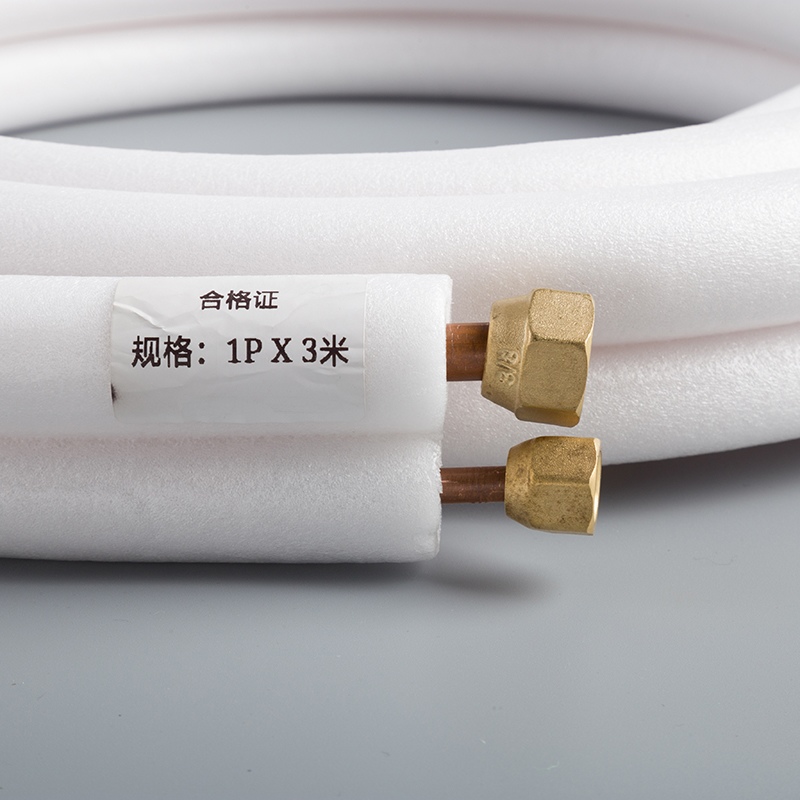
Measuring Tape
Features to Look For
A high-quality measuring tape is essential for accurate pipe measurements. Look for a tape with a durable, non-stretch material. Ensure the tape has clear, easy-to-read markings in both inches and millimeters. A locking mechanism will help maintain the measurement without slipping. A retractable feature adds convenience during repeated use.
How to Use
Wrap the measuring tape around the copper pipe to measure the circumference. Mark the point where the tape meets itself. Divide the measured circumference by 3.1416 to obtain the outer diameter (OD) of the pipe. For length measurements, extend the tape along the pipe from one end to the other. Ensure the tape remains straight and taut for an accurate reading.
Pipe Caliper
Features to Look For
A pipe caliper provides precise measurements of pipe diameters. Choose a caliper with a digital display for easy reading. Ensure the caliper has a range that accommodates the sizes of pipes being measured. A sturdy, corrosion-resistant material will ensure longevity and reliability. Look for a caliper with a zeroing function for recalibration.
How to Use
Place the caliper jaws around the pipe's outer diameter. Close the jaws until they touch the pipe surface without compressing it. Read the measurement displayed on the digital screen. For internal diameter (ID) measurements, insert the caliper's internal jaws into the pipe and expand them until they touch the inner walls. Record the displayed measurement.
Pipe Sizing Charts
Understanding the Charts
Pipe sizing charts provide standard dimensions for various pipe types and sizes. These charts include information on outer diameter, wall thickness, and internal diameter. Understanding these charts ensures the selection of appropriate pipe sizes for specific applications. ANSI Pipe Schedule Standards often guide these charts.
How to Use
Refer to the pipe sizing chart corresponding to the type of copper pipe being measured. Locate the measured outer diameter on the chart. Cross-reference this with the wall thickness to determine the internal diameter. Use the chart to verify that the selected pipe size meets the requirements of the installation. This ensures compatibility and efficiency in plumbing systems.
For more information on Baoyuan's pure copper connecting pipes for air conditioners, visit Baoyuan Products.
Step-by-Step Guide to Measuring Copper Pipes
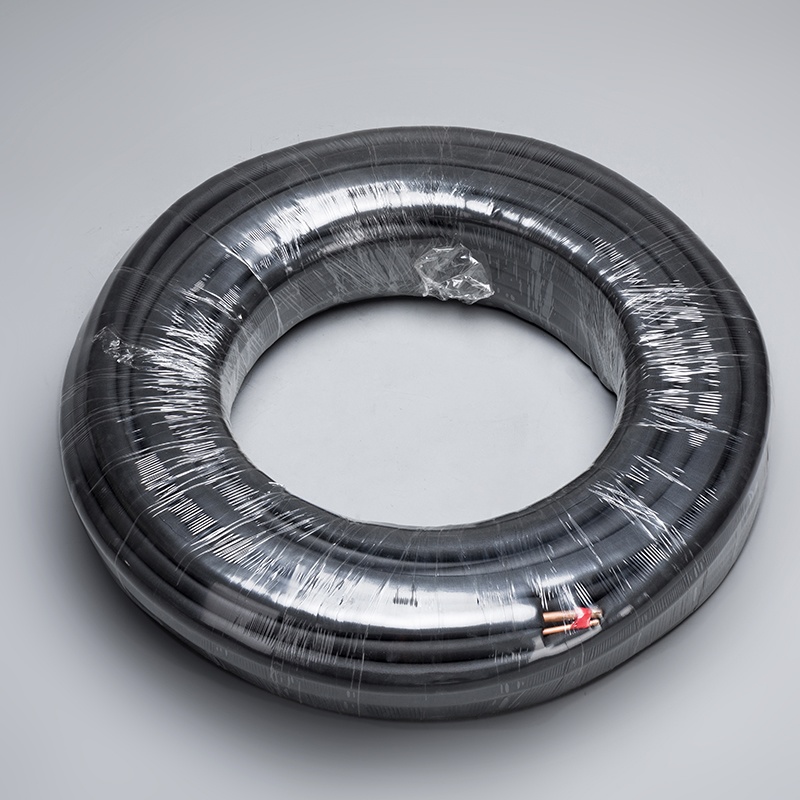
Measuring the Diameter
Internal Diameter (ID)
To measure the internal diameter (ID) of a copper pipe, use a pipe caliper. Insert the caliper's internal jaws into the pipe. Expand the jaws until they touch the inner walls. Read the measurement displayed on the digital screen. This method ensures precise ID measurements, which are crucial for fitting compatibility.
External Diameter (OD)
For external diameter (OD) measurements, wrap a measuring tape around the pipe. Mark the point where the tape meets itself. Divide the measured circumference by 3.1416 to obtain the OD. Alternatively, use a pipe caliper. Place the caliper jaws around the pipe's outer surface. Close the jaws until they touch the pipe without compressing it. Record the displayed measurement. Accurate OD measurements prevent miscommunication in ordering pipe fittings.
Measuring the Length
Straight Pipes
To measure the length of straight copper pipes, extend a measuring tape along the pipe from one end to the other. Ensure the tape remains straight and taut. Record the measurement. This straightforward method provides an accurate length, essential for precise installations.
Curved or Bent Pipes
Measuring curved or bent pipes requires a flexible measuring tape. Start at one end of the pipe. Follow the curve or bend with the tape, ensuring it stays in contact with the pipe surface. Mark the endpoint and record the measurement. This technique accounts for the pipe's curvature, providing an accurate length.
Measuring the Wall Thickness
Tools Required
Measuring the wall thickness of copper pipes requires a micrometer or a pipe caliper with a depth gauge. These tools provide precise measurements, essential for determining the pipe's structural integrity.
Steps to Measure
Use a micrometer or caliper to measure the pipe's external diameter (OD).
Cut a small section of the pipe if possible.
Measure the internal diameter (ID) using the caliper's internal jaws.
Subtract the ID from the OD.
Divide the result by two to obtain the wall thickness.
Accurate wall thickness measurements ensure the pipe meets the required specifications for pressure and durability.
Practical Considerations
Common Measurement Mistakes
How to Avoid Them
Measurement errors can lead to significant issues in plumbing projects. Inaccurate measurements often result from improper tool usage or incorrect techniques. To avoid these mistakes, follow these guidelines:
Use the Right Tools: Always select tools designed for measuring copper pipes. Measuring tapes, pipe calipers, and micrometers provide accurate readings.
Calibrate Tools Regularly: Ensure that all measuring instruments remain calibrated. Regular calibration maintains accuracy.
Double-Check Measurements: Verify each measurement by repeating the process. Consistency in results confirms accuracy.
Account for Wall Thickness: When calculating internal diameters, subtract twice the wall thickness from the outer diameter. This step ensures precise internal measurements.
Maintain a Steady Hand: Keep hands steady while measuring. Movement can distort readings.
Safety Tips
Handling Tools Safely
Proper tool handling prevents injuries and ensures accurate measurements. Follow these safety tips:
Wear Protective Gear: Use gloves and safety glasses when handling sharp tools. Protective gear minimizes injury risks.
Secure the Pipe: Stabilize the copper pipe before measuring. A secure pipe reduces movement and potential accidents.
Follow Manufacturer Instructions: Adhere to the instructions provided by tool manufacturers. Proper usage extends tool life and ensures safety.
Store Tools Properly: Keep measuring tools in a safe, dry place. Proper storage prevents damage and maintains accuracy.
Working with Copper Pipes
Working with copper pipes requires attention to safety and technique. Follow these guidelines for a safe and efficient process:
Inspect Pipes Before Use: Check copper pipes for any damages or defects. Using damaged pipes can compromise the plumbing system.
Cut Pipes Carefully: Use a pipe cutter designed for copper. Ensure clean, straight cuts to maintain pipe integrity.
Deburr Edges: Remove any burrs from cut edges using a deburring tool. Smooth edges prevent injuries and ensure proper fittings.
Handle Pipes with Care: Avoid dropping or bending copper pipes excessively. Mishandling can cause dents or cracks, affecting performance.
For more information on Baoyuan's pure copper connecting pipes for air conditioners, visit Baoyuan Products.
Accurate measurements ensure the integrity and efficiency of plumbing projects. Proper use of tools like measuring tapes, pipe calipers, and pipe sizing charts prevents errors in system designs and material supply. Precision in measuring copper pipes avoids miscommunication and ensures proper sizing. Practicing and refining measuring skills enhances professional expertise. Consistent accuracy in measurements guarantees successful installations and long-lasting performance.
See Also
Simple Steps: How to Determine Copper Pipe Dimensions
Quick Tutorial: Measuring Copper Pipe Professionally
Effortless Process: Measuring Copper Pipes Professionally

© Copyright 2024 Dongguan Baoyuan Refrigeration Parts Co.,Ltd - All Rights Reserved.
