What Size Copper Pipe Do You Need for a 2-Ton Air Conditioner

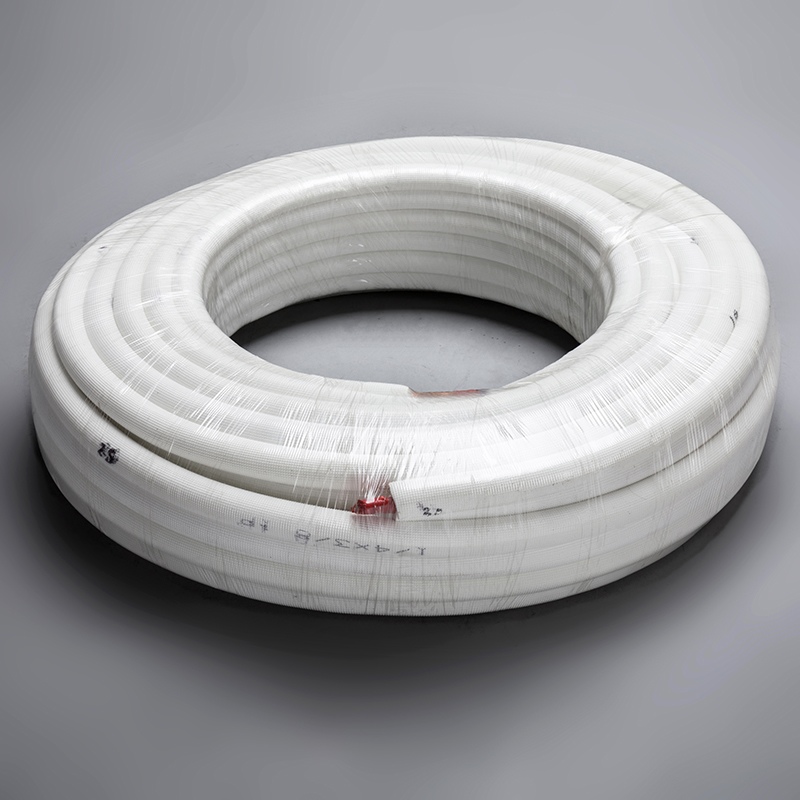
Selecting what size copper pipe for a 2-ton air conditioner is crucial for optimal performance. Typically, the liquid line requires a 3/8-inch pipe, while the suction line generally uses a 5/8-inch pipe. These sizes are designed to handle airflow rates of 350 to 450 cfm per ton, which is essential for maintaining the system's efficiency. For example, reducing airflow to 300 cfm per ton can decrease cooling capacity by 15%, and dropping it further to 200 cfm per ton can result in a 35% loss. Understanding what size copper pipe for a 2-ton air conditioner is necessary ensures your system operates efficiently and avoids performance issues.
Key Takeaways
Use a 3/8-inch pipe for the liquid line. Use a 5/8-inch pipe for the suction line in a 2-ton air conditioner. This helps the system work well.
Check the refrigerant type before picking pipe sizes. R-410A systems might need different pipes than older R-22 systems.
Follow the manufacturer's rules for pipe sizes. This avoids problems like pressure drops and poor cooling.
Get a trained HVAC expert to install the pipes. This ensures the right size and stops leaks that hurt efficiency.
Inspect and maintain copper pipes often. This keeps the system reliable and lowers repair costs later.
Recommended Copper Pipe Sizes for 2-Ton Air Conditioners
Standard Pipe Sizes for Liquid and Suction Lines
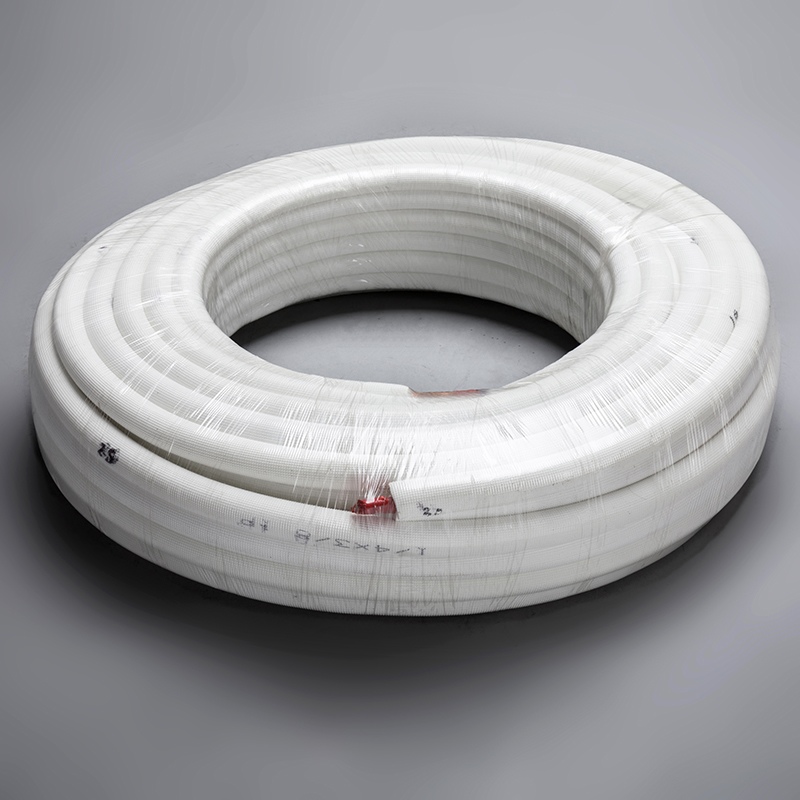
For a 2-ton air conditioner, focus on the liquid and suction lines. The liquid line usually needs a 3/8-inch copper pipe. The suction line typically uses a 5/8-inch pipe. These sizes are common in most HVAC systems and help refrigerant flow properly.
The liquid line moves refrigerant under high pressure. The suction line carries refrigerant under low pressure back to the compressor. Using the right pipe size avoids problems like pressure drops or poor cooling. Pipes that are too small can lower efficiency. Pipes that are too big can cost more and be harder to install.
Variations Based on Refrigerant Type (e.g., R-410A vs. R-22)
The refrigerant type in your air conditioner affects the pipe size. Newer systems often use R-410A refrigerant, which works at higher pressures than older R-22 systems. Because of this, pipe sizes for R-410A systems might differ slightly.
For R-410A systems, a 3/8-inch liquid line and 5/8-inch suction line usually work well. Older R-22 systems might need different pipe sizes due to lower pressures. Always check your air conditioner's specs to match the refrigerant type.
Tip: If switching from R-22 to R-410A, ask an HVAC expert if your current pipes can handle the higher pressure.
Manufacturer Guidelines and Specifications
Manufacturers give specific advice on pipe sizes for their air conditioners. These guidelines consider refrigerant type, system size, and pipe length. Following them helps your system work well and avoid problems.
You can find these details in the air conditioner's manual or installation guide. If unsure about pipe size, contact the manufacturer or ask an HVAC technician for help.
Note: Manufacturer guidelines may also include insulation tips for copper pipes. Proper insulation can improve system performance.
Factors That Affect Copper Pipe Size
How Refrigerant Type Affects Pipe Size
The refrigerant in your air conditioner decides pipe size. Each refrigerant has different pressure and flow needs. For example, R-410A works at higher pressures than older R-22. Pipes for R-410A must handle these higher pressures safely.
Using the right pipe size helps refrigerant move smoothly. It also keeps the right speed for oil to return to the compressor. If the speed is too slow, oil might not return, causing damage. If it’s too fast, it can make noise and wear out the pipes.
Here’s a simple guide for refrigerants:
Refrigerant Type | Key Uses |
|---|---|
R-22 | Cooling and low-temperature applications |
R-134a | Cooling and low-temperature applications |
R-717 | Cooling and low-temperature applications |
Always match the pipe size to the refrigerant type. This avoids problems like pressure drops or leaks.
Tip: Switching from R-22 to R-410A? Ask an HVAC expert if your pipes are compatible.
How Pipe Size Impacts System Efficiency
Good HVAC systems need the right pipe size to work well. Small pipes can block refrigerant flow, wasting energy and reducing cooling. Large pipes cost more and are harder to install.
To keep your system efficient:
Reduce refrigerant pressure drops.
Match refrigerant flow to the system’s design.
Follow velocity rules to return oil properly.
For example, refrigerants like R-22, R-134a, and R-410A need specific pipe sizes. Suction temperatures range from -40ºF to +40ºF. Condensing temperatures range from +50ºF to +135ºF. Picking the right pipe size is key for these ranges.
Note: Check for leaks and insulate pipes to improve efficiency and lifespan.
Pipe Length and Pressure Drop
Longer pipes cause more pressure drops, lowering system efficiency. To fix this, calculate pressure loss per foot. Also, include extra losses from valves and fittings.
Here’s how pipe size affects pressure loss:
Pipe Size | Pressure Loss (per foot) | Extra Loss for Valves/Fittings |
|---|---|---|
1/2" | X.XX | Y.YY |
3/4" | X.XX | Y.YY |
1" | X.XX | Y.YY |
Balance pipe size, speed, and pressure drop for the best results. Keep velocity within limits for proper refrigerant flow. Minimize pressure drops to protect the compressor.
Tip: Use ASHRAE tables to pick the right pipe size for your system. This helps your HVAC system run well, even with long pipes.
Copper Pipe Sizing Reference Table
Pipe Sizes Based on Air Conditioner Capacity
Picking the right copper pipes depends on your air conditioner's size. The table below shows which pipe sizes match different capacities. This helps refrigerant flow smoothly and keeps the system working well.
Model Number | Capacity (kW) | Pair Coil Sizes (Liquid/Suction) |
|---|---|---|
MFCA26VA-N | 2.6 | 1/4" 3/8" |
GWH09AAC-K6DNA1A/I | 2.5 | 1/4" 3/8" |
GWH18AAD-K6DNA1D/I | 5.2 | 1/4" 1/2" |
GWH24AAE-K6DNA1F/I | 7.1 | 1/4" 5/8" |
FTXV71WVMA / FTXF71WVMA | 7.0 | 3/8" 5/8" |
WSD91HWA | 9.1 | 3/8" 5/8" |
This table shows why matching pipe size to capacity is important. Using the wrong size can cause problems like pressure drops or poor cooling. Always check the manufacturer's guide for your model.
Tip: Bigger systems often need larger pipes to handle more refrigerant.
Quick Guide for Common HVAC Configurations
When choosing copper pipes, many things affect your decision. The table below explains key points for common setups:
Factor | Description |
|---|---|
Type of Refrigerant | Different refrigerants need specific pipe sizes for pressure and temperature. |
System Capacity | Measured in BTU/hr or tons, it decides refrigerant flow and pipe size. |
Total Length of Pipe | Longer pipes can lower efficiency due to pressure drops. |
Pressure Drop and Velocity | Correct pipe size reduces pressure drops and keeps oil moving. |
Insulation | Stops cooling loss and saves energy. |
Piping Support | Supports stop pipes from sagging or vibrating, keeping them strong. |
Oil Management | Ensures oil returns to the compressor to keep it working smoothly. |
Think about these factors when picking copper pipes for your HVAC system. For example, if your system uses R-410A, you’ll need pipes that handle higher pressure. Long pipes may also need adjustments to avoid big pressure drops.
Note: Insulating copper pipes is very important. It helps save energy and keeps the system efficient.
Importance of Professional Installation and Maintenance
Ensuring Proper Pipe Sizing During Installation
Experts make sure copper pipes fit your air conditioner. They follow manufacturer rules to match pipe sizes with the system. After setup, they test airflow to check if it works well. This avoids problems like poor cooling or high energy use.
Technicians use tools like Manual J to measure heating and cooling needs. These tools help pick the right pipe size based on refrigerant type and distance between units. Following these steps makes HVAC systems work better and last longer.
Tip: Always hire a certified HVAC expert to ensure your pipes meet industry standards for strength and efficiency.
Preventing Leaks and Refrigerant Loss
Good installation and care stop copper pipes from getting damaged. Experts secure pipes to avoid sharp bends and vibrations. They also plan for temperature changes that make pipes expand or shrink. Special joints are added to reduce stress on connections.
Regular check-ups help find and fix worn-out pipes. This keeps refrigerant flowing smoothly and prevents expensive repairs. It also ensures your air conditioner works properly.
Note: Leaking refrigerant lowers system performance and harms the environment. Taking care of copper pipes is important for efficiency and sustainability.
Long-Term System Efficiency and Reliability
Professional work makes HVAC systems more reliable. Experts use data to find and fix problems quickly. This reduces repeat repairs. Studies show regular maintenance cuts breakdowns by 70% and lowers costs by 25%.
Technicians also check if copper pipes meet high-pressure system standards. Strong copper pipes handle tough conditions and last longer. Choosing the right type, like Type K or Type L, improves durability.
Callout: Paying for professional services saves money over time. It reduces repair costs and keeps your air conditioner running efficiently.
Picking the right copper pipe size for your 2-ton air conditioner is important. It helps the system work well and avoids expensive problems. Usually, a 3/8-inch liquid line and a 5/8-inch suction line are best for good refrigerant flow. Things like refrigerant type, system design, and manufacturer rules decide the correct pipe size.
Getting professional help is key for keeping your system reliable. Experts choose the right pipes, stop leaks, and improve how the system works. Always check manufacturer instructions or ask HVAC experts to set up your system properly.
Tip: Listening to experts keeps your HVAC system working better and lasting longer.
FAQ
What happens if the copper pipe size is wrong?
Using the wrong pipe size can cause problems. Small pipes may block refrigerant flow and lower efficiency. Large pipes cost more and are harder to install. Follow manufacturer rules to avoid these issues.
Can old copper pipes be reused for a new air conditioner?
Old pipes can be reused if they fit the new system. Check if they match the refrigerant type and pressure needs. An HVAC expert should inspect them for damage before reuse.
How do you find the right pipe size for long distances?
Long pipes need adjustments to stop pressure drops. Use ASHRAE tables or ask an HVAC expert for help. Refrigerant type and system size also affect the pipe size needed.
Why is copper pipe insulation necessary?
Insulation saves energy and stops condensation. It keeps refrigerant at the right temperature, improving performance. Insulation also protects pipes from damage and makes them last longer.
Should a professional install copper pipes?
Yes, professionals ensure pipes are the right size and installed correctly. They follow standards, prevent leaks, and improve system performance. This avoids costly repairs and helps your air conditioner last longer.
Tip: Always ask an HVAC expert for proper pipe sizing and installation for your system.
See Also
The Benefits of Using Copper Pipes in Air Conditioning
Transforming Air Conditioning with Pure Copper Pipes
The Importance of Pure Copper Pipes in Air Conditioning
Key Advantages of Copper Pipes in Modern Air Conditioning
Exploring the Development of Copper Tubing for Air Conditioning

© Copyright 2024 Dongguan Baoyuan Refrigeration Parts Co.,Ltd - All Rights Reserved.
