Understanding Copper Pipe Sizes for AC Units

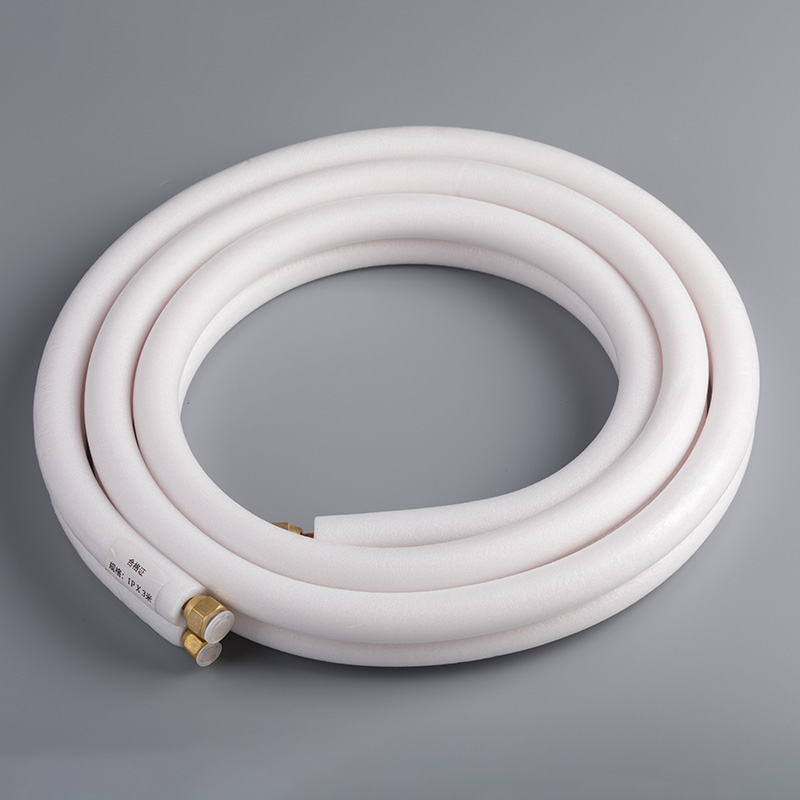
Selecting the appropriate copper pipe size for your air conditioning unit is essential, as it significantly impacts the system's performance and efficiency. Using the wrong size can result in reduced cooling capacity and higher energy consumption. You might be curious about what type of copper pipe is used for air conditioning. Generally, copper pipe used in AC systems is available in various sizes, each designed for specific capacities. Smaller copper pipes can withstand higher pressures, which is crucial for modern refrigerants. Ensuring the correct pipe size not only enhances efficiency but also helps prevent potential issues with your AC model.
Common Copper Pipe Sizes

Understanding the various copper pipe sizes is crucial when selecting the right one for your air conditioning system. The copper pipe used in AC units comes in several standard sizes, each serving a specific purpose. Let's explore these sizes and their metric equivalents.
Standard Sizes in Inches
1/4 inch: This size is often used as the liquid line in smaller air conditioning units. It can handle higher pressures, making it suitable for modern refrigerants.
3/8 inch: Commonly found in residential AC systems, this size balances efficiency and capacity. It is versatile and widely used in many HVAC applications.
1/2 inch: This size provides a good balance between flow capacity and pressure resistance. It is frequently used in medium-sized air conditioning systems.
5/8 inch: Ideal for larger residential or small commercial units, this size offers increased flow capacity, which is essential for efficient cooling.
3/4 inch: Often used in larger commercial systems, this size supports significant refrigerant flow, ensuring optimal performance.
7/8 inch: This size is suitable for heavy-duty applications, providing ample capacity for large-scale cooling systems.
1 1/8 inch: The largest of the standard sizes, it is used in industrial settings where maximum flow and efficiency are required.
Metric Equivalents in Millimeters
6.35 mm: Equivalent to the 1/4 inch size, this measurement is commonly used in smaller AC units.
9.52 mm: Corresponds to the 3/8 inch size, widely used in residential systems for its versatility.
12.7 mm: Matches the 1/2 inch size, offering a balance of capacity and pressure handling.
15.88 mm: Equivalent to the 5/8 inch size, suitable for larger residential or small commercial units.
19.05 mm: Corresponds to the 3/4 inch size, used in larger commercial systems for efficient cooling.
22.23 mm: Matches the 7/8 inch size, ideal for heavy-duty applications.
28.58 mm: Equivalent to the 1 1/8 inch size, used in industrial settings for maximum efficiency.
When considering what type of copper pipe is used for air conditioning, it's essential to match the pipe size with your AC unit's requirements. The copper pipe used in AC systems must accommodate the system's capacity and refrigerant type. By selecting the correct size, you ensure efficient operation and longevity of your air conditioning system.
Application of Pipe Sizes to Popular AC Brands
Understanding the correct copper pipe size for your air conditioning unit is crucial. Different brands and models require specific pipe sizes to ensure optimal performance. Let's explore how popular AC brands utilize these sizes.
Brand A
Model X - Pipe Size and Capacity
Model X from Brand A typically uses a 3/8 inch copper pipe. This size supports efficient cooling for residential systems. It balances capacity and pressure, ensuring your AC operates smoothly. Proper sizing enhances energy efficiency and extends the lifespan of your unit.
Model Y - Pipe Size and Capacity
For Model Y, a 1/2 inch copper pipe is recommended. This size accommodates medium-sized systems, providing a good flow capacity. By using the correct pipe size, you prevent issues like pressure drops and reduced cooling capacity.
Brand B
Model Z - Pipe Size and Capacity
Brand B's Model Z often requires a 5/8 inch copper pipe. This size is ideal for larger residential or small commercial units. It offers increased flow capacity, which is essential for maintaining efficient cooling. Proper installation with the right pipe size ensures your system runs effectively.
Model W - Pipe Size and Capacity
Model W typically uses a 3/4 inch copper pipe. This size supports significant refrigerant flow, making it suitable for larger commercial systems. Ensuring the correct pipe size helps maintain optimal performance and reduces energy consumption.
Brand C
Model V - Pipe Size and Capacity
For Model V, a 7/8 inch copper pipe is commonly used. This size is suitable for heavy-duty applications, providing ample capacity for large-scale cooling systems. Correct sizing prevents pressure issues and enhances the system's efficiency.
Model U - Pipe Size and Capacity
Model U requires a 1 1/8 inch copper pipe. This is the largest standard size, used in industrial settings where maximum flow and efficiency are crucial. Proper sizing ensures your AC system operates at peak performance, reducing maintenance costs and energy usage.
Expert Testimony: Proper sizing is essential for a successful air conditioner installation. It ensures energy efficiency, enhanced comfort, and a longer system lifespan. By choosing the right-sized unit, you’ll enjoy a well-cooled home and save money on energy and maintenance costs.
Selecting the correct copper pipe size for your AC unit is vital. It impacts the system's efficiency and longevity. By understanding the specific requirements of different brands and models, you can ensure your air conditioning system operates at its best.
Implications for Installation and Efficiency
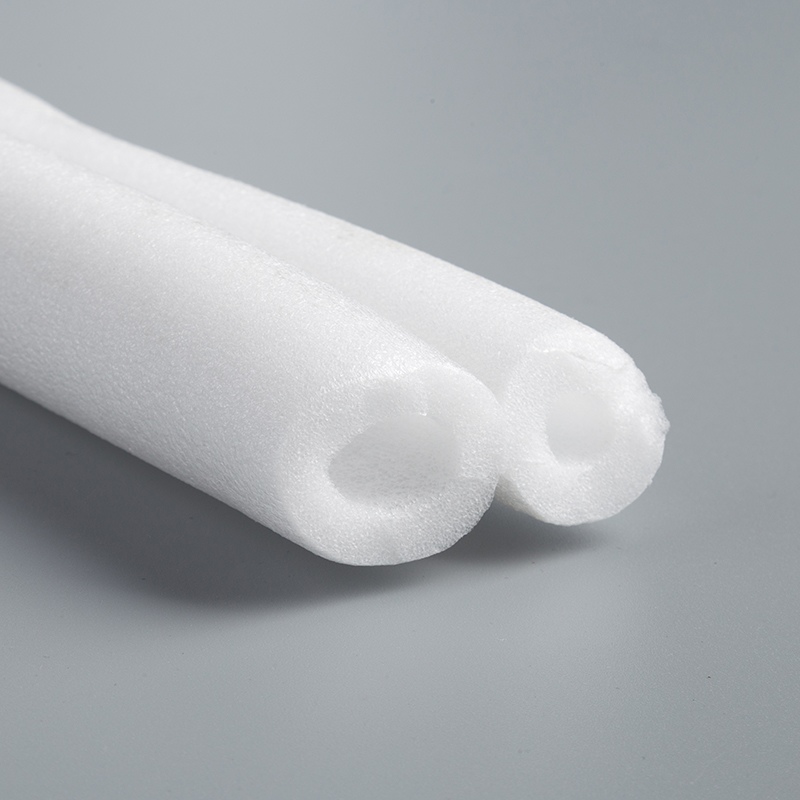
Installation Considerations
Importance of Correct Sizing
Choosing the right copper pipe size for your AC unit is crucial. Proper sizing ensures that your air conditioning system operates efficiently and reliably. When you select the correct size, you minimize pressure drops and maintain the system's charge. This balance is essential for optimal performance. The refrigerant velocity inside the line should not exceed 400 feet per minute to prevent noise issues. By adhering to these guidelines, you enhance the overall efficiency of your AC system. choosing the right copper pipe
Potential Issues with Incorrect Sizing
Incorrect pipe sizing can lead to several problems. If the pipe is too small, it may cause excessive pressure loss, reducing the system's capacity. This can result in inadequate cooling and increased energy consumption. On the other hand, if the pipe is too large, it might not maintain enough velocity to return oil to the compressor, leading to potential compressor failures. These issues highlight the importance of selecting the right pipe size for your AC unit.
Efficiency and Performance
Impact on Cooling Efficiency
The size of the copper pipe directly affects the cooling efficiency of your AC system. Smaller diameter tubes can operate at higher pressures, which is beneficial for modern refrigerants. This design reduces material costs and enhances energy efficiency. By using the appropriate pipe size, you ensure that your system cools effectively without unnecessary energy expenditure. This approach not only saves money but also contributes to a more sustainable environment.
Long-term Performance Benefits
Proper pipe sizing offers long-term benefits for your AC system. It ensures consistent performance and reduces the likelihood of maintenance issues. By maintaining the correct refrigerant velocity and minimizing pressure drops, you extend the lifespan of your air conditioning unit. This proactive approach helps you avoid costly repairs and ensures that your system operates at peak performance for years to come.
Understanding copper pipe sizes for your AC unit is crucial. Proper sizing ensures efficient and reliable operation. Here are the key takeaways:
Importance of Matching Sizes: Selecting the right copper pipe size minimizes pressure drops and maintains system charge. This enhances cooling efficiency and extends the lifespan of your AC unit.
Key Points Recap: Different pipe sizes cater to specific AC models and capacities. Smaller pipes handle higher pressures, while larger ones support significant refrigerant flow.
Final Thoughts: Ensure optimal AC performance by choosing the correct pipe size. Proper installation prevents issues and promotes long-term efficiency.
See Also
Understanding Copper Pipe Dimensions: An In-Depth Overview
The Complete Manual for Measuring Copper Pipe Sizes
The Benefits of Selecting Copper Pipes for AC Systems

© Copyright 2024 Dongguan Baoyuan Refrigeration Parts Co.,Ltd - All Rights Reserved.
