How to Implement Cutting-Edge Techniques for Copper Pipe Coil Manufacturing

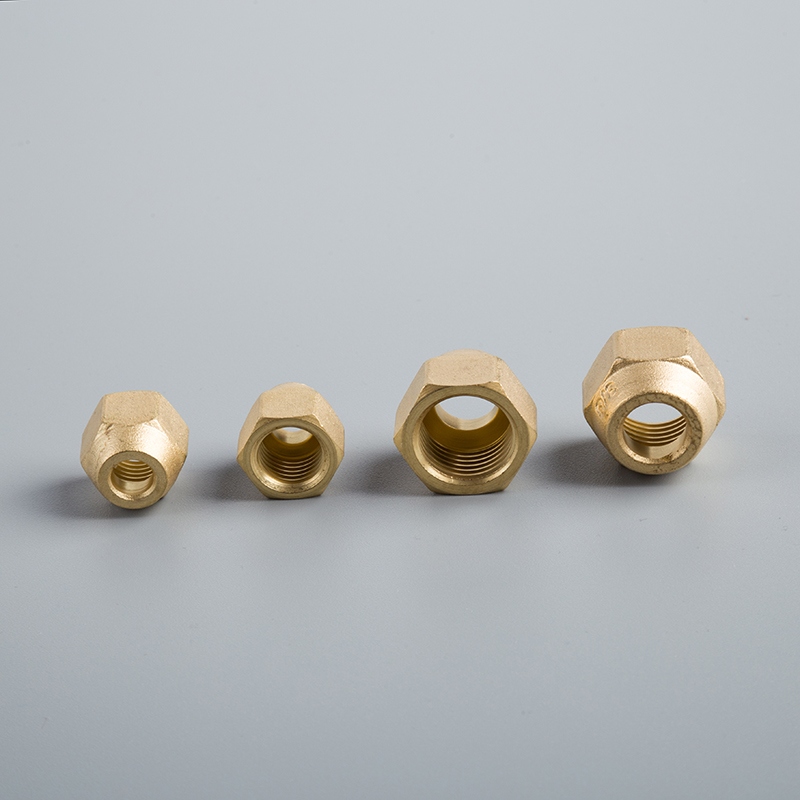
Delve into the realm of copper pipe coils, essential components across diverse industries. Contrasting traditional practices with cutting-edge techniques, this blog unveils the evolution in manufacturing processes. Its aim is to enlighten readers on the latest innovations in 1/4 3/8 twin copper pipe coils production methods.
Understanding the Basics of Copper Pipe Coil Manufacturing
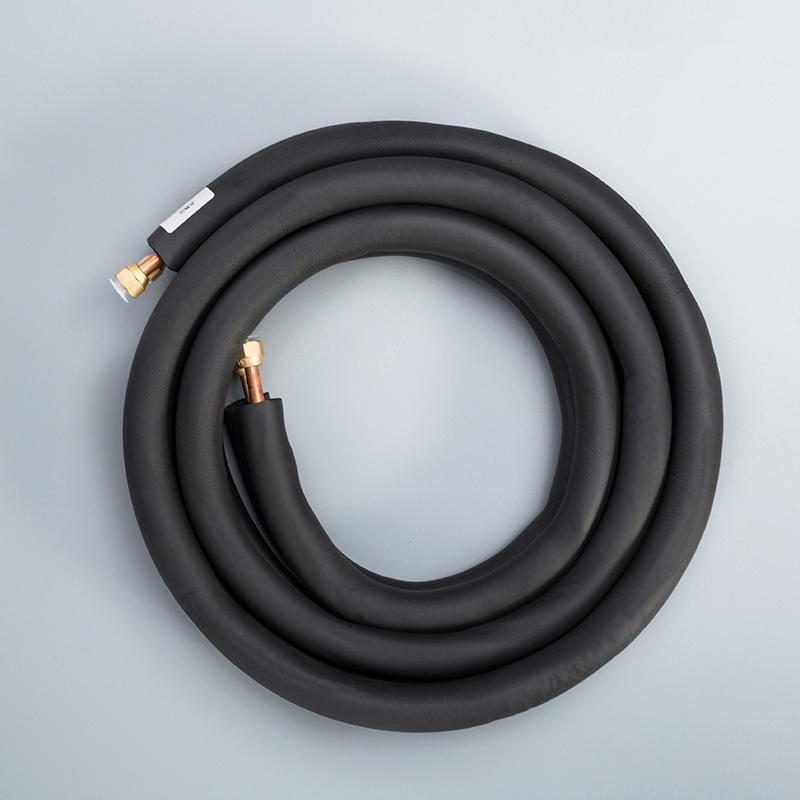
When delving into the realm of copper pipe coil manufacturing, it is crucial to have a comprehensive understanding of the materials and tools required for the process. By exploring the types of copper pipes available and identifying the essential tools and equipment needed, manufacturers can ensure a smooth and efficient production workflow.
Materials and Tools Required
Types of Copper Pipes
Copper pipes come in various types, each with its unique characteristics and applications. Understanding the differences between soft copper tubing and rigid copper pipes is essential for selecting the most suitable option based on specific project requirements.
Coiled copper tubing is another popular choice, offering flexibility in installation and minimizing joints that could potentially lead to leaks. This type of tubing is commonly used in applications where continuous lengths are required without fittings.
Essential Tools and Equipment
Tubing cutter: An essential tool for cutting copper pipes accurately without causing deformations or burrs that could affect performance.
Flux: Used in conjunction with soldering to facilitate the bonding process between copper surfaces.
Soldering iron: A key tool for joining copper pipes together securely through the application of heat.
Pipe bender: Enables precise bending of copper tubing without kinking or damaging the material.
Preparing for Manufacturing
To embark on the manufacturing journey, one must first delve into the intricacies of designing the coil. This process involves meticulous planning and consideration of various factors to ensure optimal functionality and efficiency.
Designing the Coil
Factors to Consider in Design
Diameter: Selecting the appropriate diameter is crucial for ensuring that the copper pipe coil meets the specific requirements of the project. The diameter directly impacts the flow rate and pressure capabilities of the coil.
Coil Length: Determining the ideal length of the coil is essential for achieving the desired performance outcomes. Factors such as space constraints and operational needs should be taken into account during this phase.
Material Thickness: The thickness of the copper tubing plays a significant role in determining the durability and longevity of the coil. Thicker materials offer enhanced strength but may impact flexibility.
Software Tools for Design
CAD Software: Utilizing Computer-Aided Design (CAD) software can streamline the design process by allowing manufacturers to create detailed schematics and 3D models of the copper pipe coil.
Simulation Tools: Simulation software enables engineers to test different design configurations virtually, predicting performance outcomes and identifying potential issues before physical production begins.
Moving forward, setting up a conducive workspace is paramount to ensuring a seamless manufacturing process that prioritizes safety and efficiency.
Setting Up the Workspace
Organizing Tools and Materials
Establish a systematic layout within your workspace, organizing tools and materials in a logical manner to minimize disruptions during production.
Implement storage solutions such as tool chests or shelving units to keep equipment easily accessible yet safely stored when not in use.
Labeling containers and drawers can further enhance organization, allowing for quick identification of components when needed.
Ensuring a Safe and Efficient Workspace
Prioritize safety by implementing proper ventilation systems to mitigate fume exposure during soldering or brazing processes.
Maintain a clutter-free environment by promptly cleaning spills or scraps to prevent tripping hazards or potential accidents.
Regularly inspect tools and equipment for wear or damage, replacing any faulty items promptly to avoid compromising work quality or safety standards.
Implementing Cutting-Edge Techniques
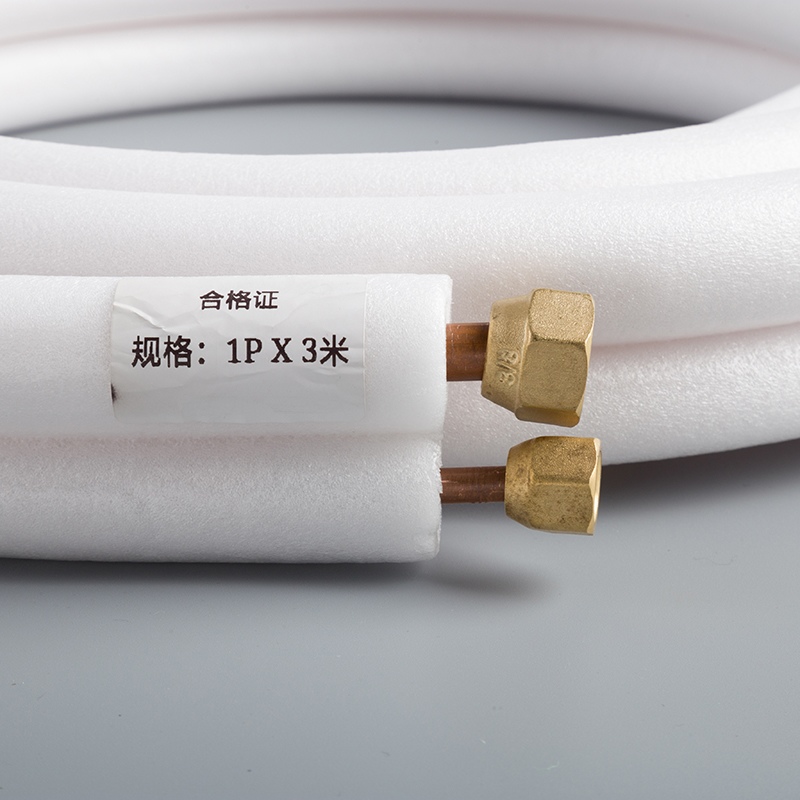
When advancing in the manufacturing process of 1/4 3/8 twin copper pipe coils, it is imperative to explore cutting-edge techniques that elevate the quality and efficiency of production.
Advanced Soldering Techniques
Types of Solder and Flux
Utilize lead-free solder for environmentally friendly bonding that ensures compliance with modern regulations.
Opt for rosin-core flux to enhance solder flow and adhesion, promoting strong connections between copper surfaces.
Step-by-Step Soldering Process
Begin by cleaning the copper surfaces thoroughly to remove any contaminants that could inhibit proper bonding.
Apply heat evenly across the joint area using a soldering iron, ensuring both surfaces reach the necessary temperature for solder application.
Introduce the solder to the heated joint, allowing it to melt and flow smoothly into the connection for a secure bond.
Inspect the soldered joint post-cooling to verify a complete fill and structural integrity.
Precision Bending Methods
Using Bending Machines
Employ specialized CNC bending machines equipped with precise controls to achieve accurate bends without compromising tube integrity.
Program bending parameters such as angle and radius meticulously to meet exact specifications, ensuring consistency across multiple coils.
Manual Bending Techniques
Embrace traditional manual bending methods when intricate bends or custom shapes are required, showcasing craftsmanship in coil design.
Exercise caution during manual bending processes to prevent deformations or kinks in the tubing, maintaining structural integrity throughout.
Quality Control and Testing
Inspection Methods
Implement visual inspections at critical stages of manufacturing to identify defects or irregularities early in the process.
Utilize magnification tools like microscopes or magnifying lenses for detailed examinations of soldered joints and bend quality.
Testing for Leaks and Strength
Conduct pressure tests on completed coils using pneumatic or hydraulic systems to assess leak resistance under varying conditions.
Perform strength tests by subjecting coils to controlled loads, verifying durability and structural integrity before finalizing production.
Finalizing the Manufacturing Process
Finishing Touches
Cleaning and Polishing the Coils
To ensure the 1/4 3/8 twin copper pipe coils meet impeccable standards, manufacturers meticulously clean and polish each coil. This process not only enhances the aesthetic appeal of the coils but also removes any impurities that could compromise their functionality.
Begin by inspecting each coil for any surface imperfections or residues that may have accumulated during manufacturing.
Utilize specialized cleaning solutions and tools to remove dirt, grease, or oxidation from the surface of the coils.
Employ polishing techniques to achieve a smooth and lustrous finish, enhancing the overall visual appeal of the copper pipe coils.
Conduct a final inspection post-cleaning and polishing to ensure each coil meets quality standards before proceeding to the next phase.
Applying Protective Coatings
Incorporating protective coatings is paramount in safeguarding 1/4 3/8 twin copper pipe coils against environmental factors and corrosion, prolonging their lifespan and performance efficiency.
Select high-quality protective coatings designed specifically for copper materials to ensure optimal protection.
Apply coatings evenly across the surface of each coil using specialized tools or techniques to guarantee uniform coverage.
Allow sufficient drying time as per manufacturer recommendations to facilitate proper adhesion and durability of the protective layer.
Conduct a thorough inspection post-application to verify coating integrity and address any areas requiring touch-ups.
Packaging and Shipping
Best Practices for Packaging
When preparing 1/4 3/8 twin copper pipe coils for shipment, adhering to best packaging practices is essential to prevent damage during transit and ensure customer satisfaction upon delivery.
Utilize sturdy packaging materials such as corrugated boxes or crates that provide adequate cushioning and protection for the coils.
Securely fasten each coil within its packaging using appropriate padding or void fill materials to minimize movement during transportation.
Label packages clearly with essential information including handling instructions, product details, and destination addresses for efficient logistics management.
Implement quality control checks prior to sealing packages to confirm all coils are securely packaged and ready for shipping.
Ensuring Safe Transportation
Safeguarding 1/4 3/8 twin copper pipe coils during transit requires meticulous planning and adherence to safety protocols to prevent damage en route.
Partner with reputable shipping carriers known for handling fragile items with care and ensuring timely deliveries.
Monitor shipping conditions such as temperature fluctuations or humidity levels that could impact the integrity of the copper pipe coils during transportation.
Insure shipments against potential damages or losses to mitigate financial risks associated with unforeseen circumstances.
Provide customers with tracking information to enable real-time monitoring of their orders and facilitate communication regarding delivery schedules.
Embrace the evolution of manufacturing processes by exploring the latest innovations in 1/4 3/8 twin copper pipe coils production techniques. Reflect on the meticulous steps involved, from designing and bending to soldering and quality control. By adopting cutting-edge methods, manufacturers can enhance efficiency and elevate product quality. Join the journey towards excellence in copper pipe coil manufacturing. Share your insights or seek guidance to further enrich this transformative experience.
See Also
Exploring Cutting-Edge Innovations in Twin Copper Pipe Coil Manufacturing
Revealing the Next Era: Revolutionizing Copper Pipe Coil Tech
Unlocking Hidden Gems: Quality Control in Copper Pipe Coil Production
The Definitive Handbook on Contemporary Copper Pipe Coil Methods
Innovative Approaches: Enhancing Quality Assurance in Copper Pipe Coil Production

© Copyright 2024 Dongguan Baoyuan Refrigeration Parts Co.,Ltd - All Rights Reserved.
