How to Bend Copper Pipes Effectively: A Step-by-Step Guide

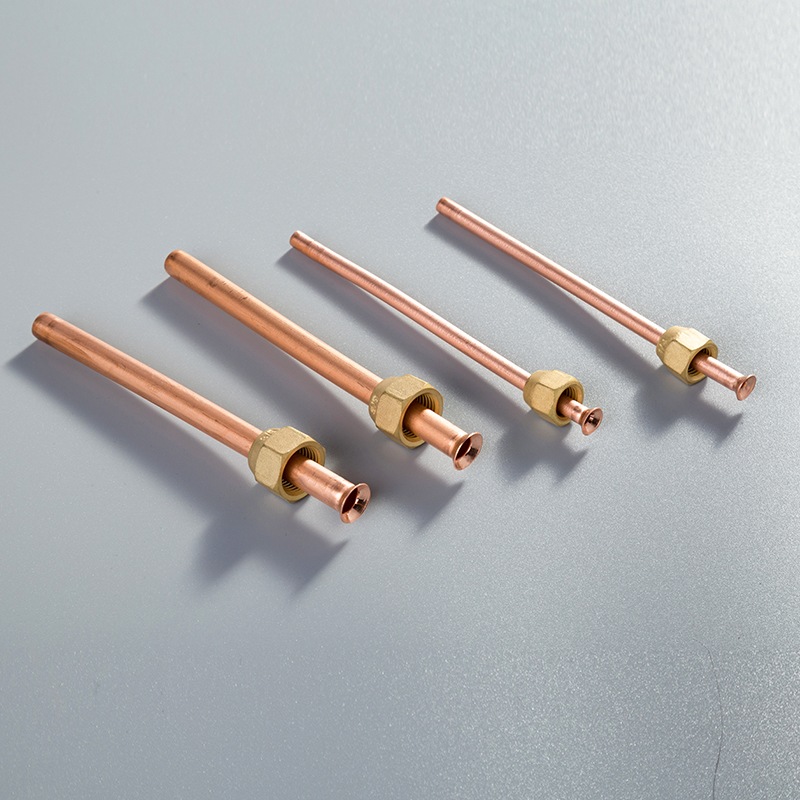
Copper pipes play a crucial role in various industries, including plumbing and HVAC systems. Despite the emergence of alternate materials, copper pipe bending remains a popular choice due to its unique properties. Widely used for water distribution systems, copper pipes are known for their corrosion resistance and compatibility with hot and cold water. Professionals in plumbing, HVAC, and refrigeration sectors rely on copper pipe lifespan for durable solutions. Understanding copper pipe sizes c and referring to a copper pipe od chart can help in selecting the right pipe for specific applications. Let's delve into the process of bending copper pipes effectively and explore its applications across different fields.
Preparing the Copper Pipe
Straightening the Pipe
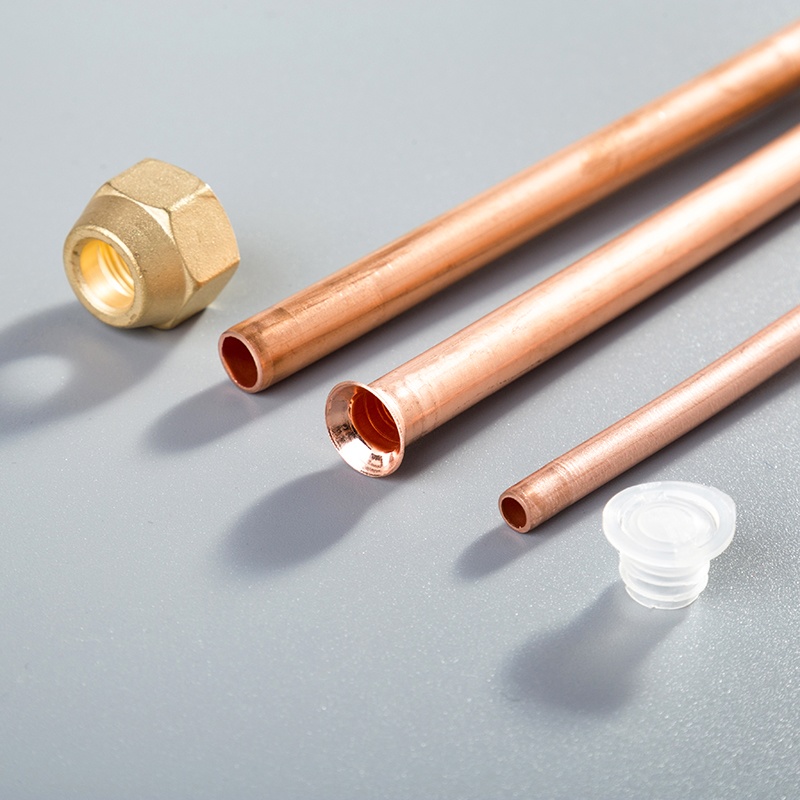
To ensure a smooth bending process, straightening the copper pipe is essential. Utilizing the Copper Pipe Straightener tool can efficiently straighten tubing without causing any damage. This tool features a roller wire straightener that guides the pipe through a series of rollers, gently correcting any bends or kinks.
Tools Required:
Copper Pipe Straightener
Durable construction for long-term use
Efficient roller wire straightener
Steps to Straighten:
Insert the copper pipe into the Copper Pipe Straightener.
Gently guide the pipe through the rollers.
Allow the tool to correct any bends or kinks in the tubing.
Filling the Pipe
Before initiating the bending process, filling the copper pipe with sand or salt can prevent it from collapsing or crimping during bending. This technique ensures a uniform curve without compromising the structural integrity of the pipe.
Using Sand or Salt:
Fill one end of the copper pipe with sand or salt using a funnel.
Seal both ends of the pipe securely with duct tape.
The filling provides internal support during bending.
Sealing the Ends:
Close one end of the copper pipe with duct tape.
Use a funnel to fill it with sand or salt evenly.
Securely seal off both ends before proceeding with bending.
Annealing the Pipe
Annealing hard copper before bending is crucial to prevent kinking and cracking. The heating process softens the metal, making it more pliable and less prone to damage during bending.
Heating Process:
Heat up hard copper until red hot along its length.
Quickly transfer it into a vice for immediate bending while still malleable.
Safety Precautions:
Wear protective gear such as gloves and goggles when handling hot pipes.
Ensure proper ventilation in your workspace to avoid fume inhalation.
Use heat-resistant materials to protect surfaces from heat damage.
By following these steps diligently, you can effectively prepare your copper pipe for seamless bending processes while maintaining its structural integrity and longevity.
Bending Techniques
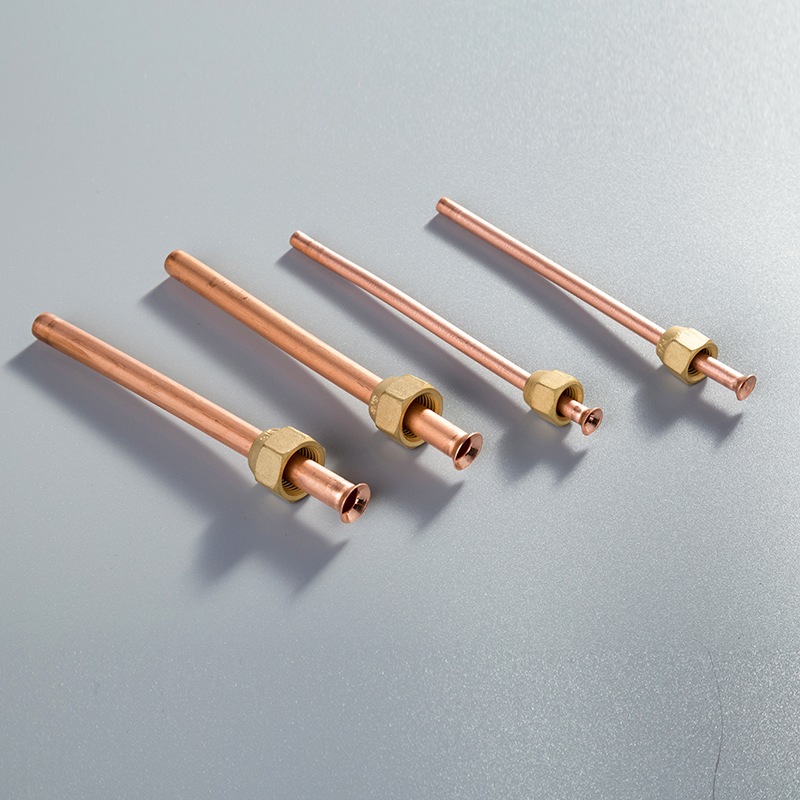
When it comes to copper pipe bending, various techniques can be employed to achieve the desired curves effectively. Understanding the different methods and tools available is essential for successful projects involving copper pipes.
Manual Bending
Using Knee Method
One practical approach to manual bending involves utilizing the knee as a support for bending the copper pipe. By placing the pipe against your knee and applying controlled pressure, you can gradually bend the pipe to the desired angle without compromising its structural integrity.
Twisting Motion
Another manual technique involves implementing a twisting motion while bending the copper pipe. This method requires turning one end of the pipe clockwise and the other end counterclockwise simultaneously. The twisting action helps distribute stress evenly along the pipe, resulting in smoother bends.
Using Heat
Heating the Pipe
Applying heat to the copper pipe before bending can significantly improve its malleability. By heating the specific area that requires bending until it reaches an optimal temperature, you can achieve more precise and controlled bends without causing damage to the material.
Bending in a Vice
To ensure accurate and consistent bends, utilizing a vice can provide stability during the bending process. After heating the targeted area of the copper pipe, secure it within a vice and gradually apply pressure to create smooth curves according to your project requirements.
Using Bending Tools
Pipe Bender
For more complex bends or projects requiring uniform curves, a pipe bender can be a valuable tool. This specialized equipment allows for precise control over angles and radii, ensuring professional results while maintaining the integrity of the copper pipe.
Spring Bender
In situations where flexibility is key, a spring bender offers versatility in creating custom bends with varying degrees of curvature. By inserting a spring into the copper pipe before bending, you can achieve consistent results while minimizing kinking or deformation.
By mastering these copper pipe bending techniques and selecting appropriate tools for your projects, you can elevate your craftsmanship and efficiency when working with copper pipes.
Ensuring Copper Pipe Lifespan
Avoiding Kinks and Cracks
Proper Techniques
Conduct regular visual inspections to identify any signs of leaks or damage.
Address any issues promptly to prevent further deterioration.
Ensure clean joints by removing any debris or corrosion buildup.
Regular Inspection
Inspect the copper pipes for any visible kinks, cracks, or irregularities.
Check for leaks or water stains that indicate potential weaknesses in the pipe.
Monitor the overall condition of the pipes to detect early signs of wear and tear.
Maintaining Copper Pipe OD
Checking OD Chart
Refer to a copper pipe od chart to determine the outer diameter specifications.
Match the OD measurements with the required standards for precise fittings.
Verify the OD sizes before installation to ensure compatibility with existing components.
Correct Pipe Sizes
Select copper pipe sizes based on specific project requirements and flow rates.
Choose pipes with appropriate diameters to optimize water distribution efficiency.
Ensure accurate measurements to prevent fitting issues and maintain system integrity.
By implementing proper maintenance techniques and monitoring copper pipe lifespan, you can extend the durability of your plumbing system. Regular inspections, adherence to OD specifications, and selecting correct pipe sizes are essential practices for ensuring long-term performance and reliability.
Recapping the essential steps in copper pipe bending is crucial for successful outcomes. Emphasizing the significance of employing proper techniques ensures durable and efficient results. Looking ahead, incorporating future tips and considerations can further enhance your expertise in working with copper pipes. Remember, expert guidance from professionals like Triad Products Corp can provide valuable insights into optimizing your bending processes. Stay informed, stay proactive, and continue exploring innovative solutions to master the art of copper pipe manipulation.
See Also
Beginner's Guide: Soldering Copper Pipes Made Easy
Comprehensive Buying Guide for Copper Pipe Coils
Effortless Way to Connect Compression Fittings to Copper Pipes

© Copyright 2024 Dongguan Baoyuan Refrigeration Parts Co.,Ltd - All Rights Reserved.
