Steps to Ream Copper Pipes Effectively: A Complete Guide

Steps to ream copper pipes effectively
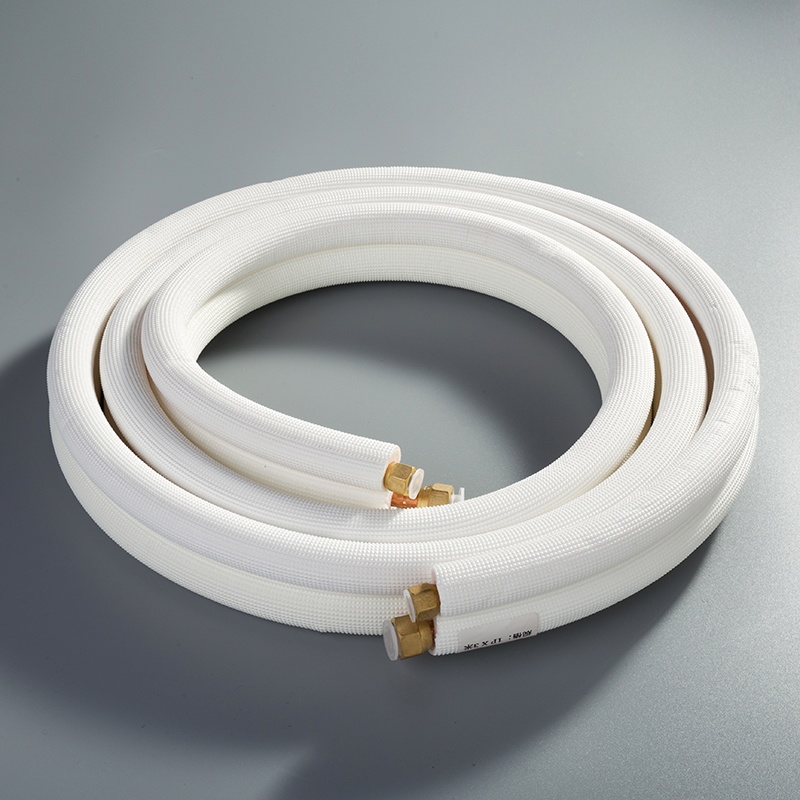
Reaming copper pipes is a critical step in ensuring the longevity and efficiency of plumbing systems. By enlarging the pipe's end, proper reaming guarantees a secure fit with fittings, preventing joint failures and leaks. This process involves removing burrs to maintain smooth flow and prevent damage to valves and faucets. The importance of reaming cannot be overstated, as it plays a vital role in maintaining the integrity of the entire plumbing network.
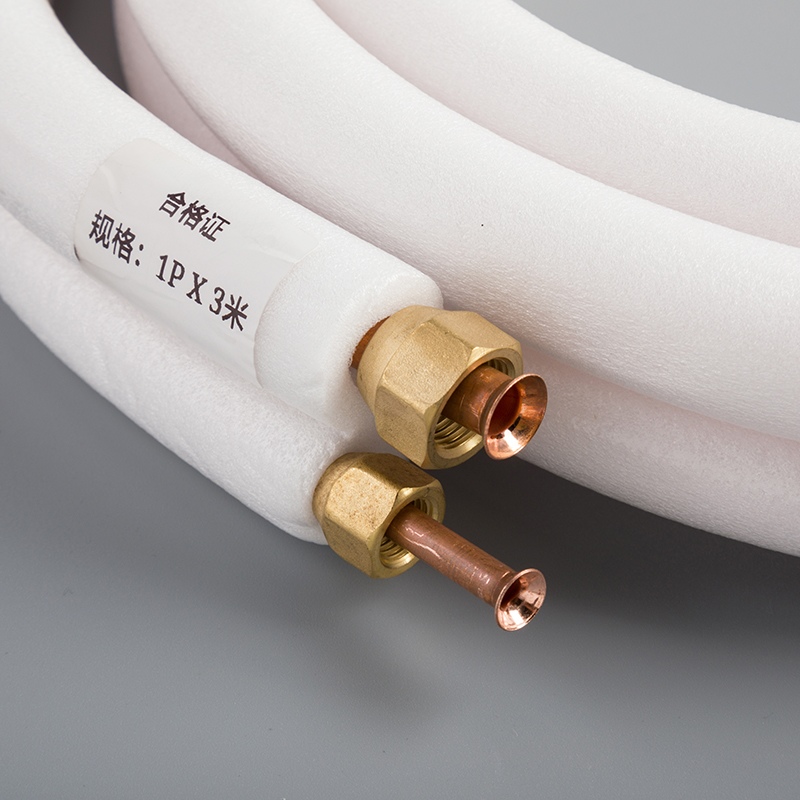
Tools and Materials
Essential Tools
Deburring Tool
A deburring tool is an essential instrument for reaming copper pipes effectively. This tool helps in removing burrs from the cut end of the pipe, ensuring a smooth surface for fitting connections. By eliminating burrs, the deburring tool prevents potential damage to valves and faucets caused by sharp edges.
Pipe Cutter
The pipe cutter is a crucial tool for accurately cutting copper pipes to the required length. It provides clean and precise cuts, which are essential for proper fittings and leak-free connections. Using a pipe cutter ensures that the pipe ends are straight and ready for reaming without any deformities.
Safety Equipment
Safety should always be a top priority when working with copper pipes. Safety equipment such as gloves, goggles, and protective clothing are necessary to prevent injuries during the reaming process. Wearing safety gear protects against sharp edges, metal shavings, and other potential hazards in the work environment.
Required Materials
Copper Pipes
Copper pipes are the primary material used in plumbing systems due to their durability and corrosion resistance. Choosing high-quality copper pipes ensures longevity and reliability in the plumbing network. Properly cutting and reaming copper pipes is essential for maintaining their integrity over time.
Fittings
Fittings play a critical role in connecting different sections of copper pipes together. These components ensure secure joints that are leak-proof and structurally sound. Properly reamed pipes allow fittings to be attached securely, creating a seamless flow within the plumbing system.
Cleaning Supplies
Having the right cleaning supplies is essential for preparing copper pipes before reaming. Cleaning solutions help remove dirt, grease, or debris from the pipe surfaces, ensuring optimal adhesion between fittings and pipes. A clean surface promotes effective reaming and enhances the overall performance of the plumbing system.
By utilizing these essential tools and materials, individuals can streamline the process of reaming copper pipes effectively while maintaining safety standards and achieving professional results in their plumbing projects.
Preparation
Safety Precautions
Wearing appropriate safety gear is paramount when preparing to ream copper pipes. Gloves protect hands from sharp edges, goggles shield the eyes from metal shavings, and protective clothing ensures overall safety during the process. By donning safety equipment, individuals safeguard themselves against potential injuries and create a secure work environment conducive to effective reaming.
Ensuring a clean workspace is essential before embarking on the reaming process. A clutter-free area minimizes hazards and promotes efficiency. By organizing tools and materials systematically, individuals can focus on the task at hand without distractions. A tidy workspace not only enhances productivity but also reduces the risk of accidents or errors during pipe preparation.
Measuring and Cutting Pipes
Accurate measurements are fundamental for precise pipe cutting. Using a measuring tape or ruler, individuals should mark the desired length on the copper pipe clearly. This step ensures that the pipe is cut to the exact specifications required for fitting connections. Precision in measurement is key to achieving seamless joints and leak-free plumbing systems.
Proper cutting techniques are crucial for clean and straight pipe ends. Utilizing a pipe cutter, individuals should follow the marked guidelines precisely to make a smooth cut. Rotating the cutter around the pipe gradually ensures an even finish without deformities. By employing proper cutting methods, individuals prepare the pipes effectively for reaming and subsequent fitting processes.
Step-by-Step Guide
Step 1: Cutting the Pipe
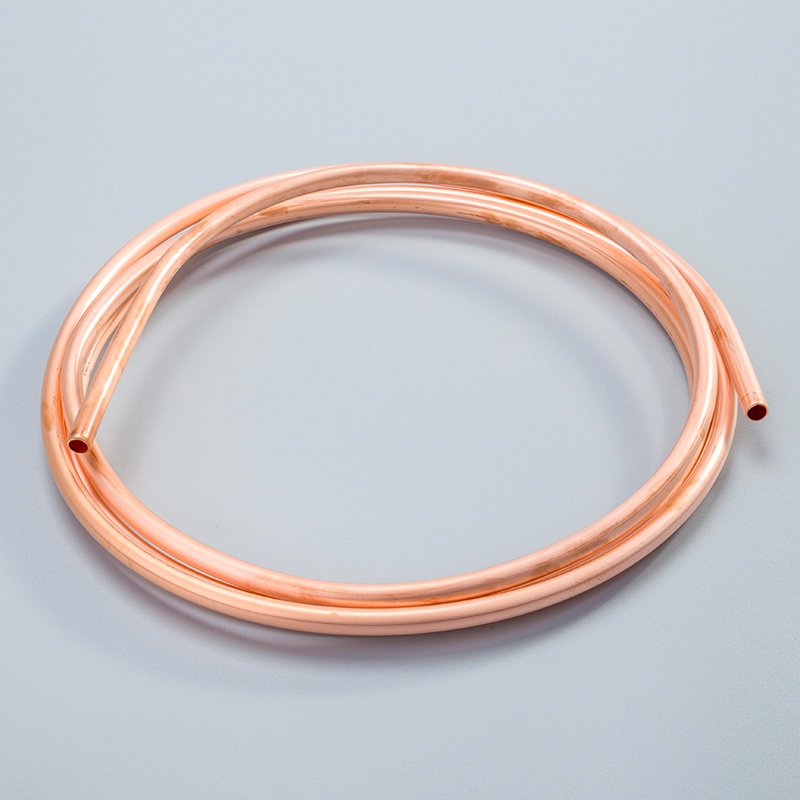
To initiate the reaming process effectively, accurate measurements are essential for determining the precise length of the copper pipe. Using a measuring tape or ruler, mark the desired cutting point clearly to ensure a clean and straight cut. This step guarantees that the pipe is tailored to fit seamlessly with other components, promoting leak-free connections and optimal plumbing performance.
Utilizing a pipe cutter is crucial for achieving precise cuts without deformities. By following the marked guidelines meticulously, individuals can create clean ends on the copper pipe. Rotating the cutter around the pipe gradually ensures an even finish, preparing it for subsequent reaming and fitting processes. The proper use of a pipe cutter is fundamental in establishing a strong foundation for successful reaming and plumbing installations.
Step 2: Reaming the Pipe
When transitioning to the reaming phase, employing a deburring tool is paramount for removing burrs and creating a smooth surface inside the pipe. This tool eliminates imperfections that could hinder proper fittings and compromise plumbing integrity. By using the deburring tool methodically, individuals ensure that each pipe end is free from obstructions, guaranteeing secure connections and long-lasting performance.
Removing burrs from copper pipes through reaming is a critical step in maintaining plumbing systems' efficiency and durability. Burrs can disrupt flow dynamics within pipes, leading to inefficiencies and potential damage over time. Through meticulous reaming with a deburring tool, individuals safeguard against these issues, ensuring optimal functionality and longevity in their plumbing networks.
Step 3: Cleaning the Pipe
After successfully reaming the copper pipe's interior surface, it is essential to focus on cleaning both its inside and outside surfaces thoroughly. Cleaning solutions help eliminate any residual debris or contaminants that could impede proper fittings or cause blockages within the system. By ensuring cleanliness inside and out, individuals set the stage for seamless connections and efficient water flow throughout their plumbing infrastructure.
Maintaining cleanliness in copper pipes not only enhances their aesthetic appeal but also contributes to their overall functionality. Clean pipes reduce frictional resistance within plumbing systems, promoting smoother water flow and minimizing energy consumption. By prioritizing cleanliness as part of the reaming process, individuals optimize their plumbing setups for peak performance and longevity.
Step 4: Fitting the Pipe
Ensuring a Proper Fit
To ensure a proper fit when fitting the pipe, it is crucial to prioritize precision and accuracy. By aligning the pipe with the designated fittings meticulously, individuals can guarantee a seamless connection that minimizes the risk of leaks or joint failures. Mastering this step requires attention to detail and a commitment to excellence in plumbing craftsmanship.
Begin by inspecting both the pipe and fittings for any irregularities or imperfections that could impede a secure connection. Identify any discrepancies and address them promptly to facilitate a smooth fitting process.
Next, carefully insert the pipe into the fittings, ensuring that they align perfectly without any gaps or misalignments. Verify that the components interlock seamlessly, indicating a proper fit that will withstand pressure and flow within the plumbing system.
Once the pipe is fitted snugly into place, apply gentle pressure to secure the connection further. Confirm that there is no movement or play between the pipe and fittings, as this could compromise the integrity of the joint over time.
After securing the fitting, conduct a thorough inspection of the entire assembly to validate its structural soundness. Look for any signs of potential leaks or weak points that may require reinforcement before proceeding with additional plumbing tasks.
Checking for Leaks
Checking for leaks is a critical step in ensuring that the fitted pipe maintains its integrity under operating conditions. By conducting a systematic leak test, individuals can identify and address any potential issues before they escalate into more significant problems within the plumbing network.
To check for leaks effectively, pressurize the system gradually while monitoring all connection points closely. Observe each joint for any signs of water seepage or moisture accumulation, which could indicate an imperfect seal requiring immediate attention.
Utilize specialized leak detection tools if necessary to pinpoint hidden leaks that may not be visible to the naked eye. Employ these devices strategically to identify even minor leaks that could compromise system performance over time.
If leaks are detected during testing, take prompt corrective action by reevaluating the fitting process and addressing any underlying issues promptly. Rectify any deficiencies in fitting alignment or sealing integrity to prevent future leaks and maintain optimal plumbing functionality.
By prioritizing precision in fitting procedures and conducting thorough leak checks, individuals can ensure that their copper pipes are securely integrated into the plumbing system with minimal risk of joint failures or water leakage.
In summarizing the reaming process for copper pipes, it is crucial to acknowledge the meticulous steps involved. Each stage, from cutting to reaming and fitting, contributes significantly to the plumbing system's integrity. Ensuring precision in measurements and cuts prevents future leaks and joint failures. The removal of burrs through proper reaming guarantees smooth flow dynamics within the pipes, enhancing efficiency. By prioritizing cleanliness and accuracy during fittings, individuals establish secure connections that withstand pressure effectively. Effective reaming not only ensures leak-free systems but also promotes longevity in plumbing networks.
See Also
Maximizing Efficiency: The Ultimate Copper Pipe Maintenance Guide
Expertise in Copper Pipe Fittings: An In-Depth Manual
Beginner's Guide: Mastering Copper Pipe Soldering in Easy Steps
Pro Tips: Effortless Copper Pipe Measurement Guide
Professional Techniques: Simple Steps for Copper Pipe Measurement

© Copyright 2024 Dongguan Baoyuan Refrigeration Parts Co.,Ltd - All Rights Reserved.
