Unveiling the Environmental Impact of Copper Tubing in AC Systems

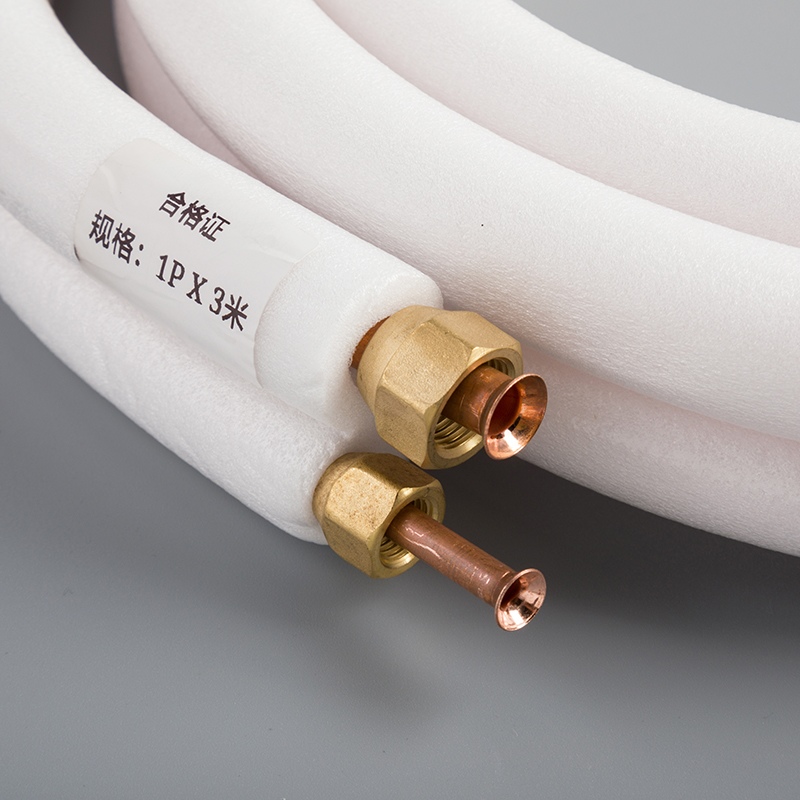
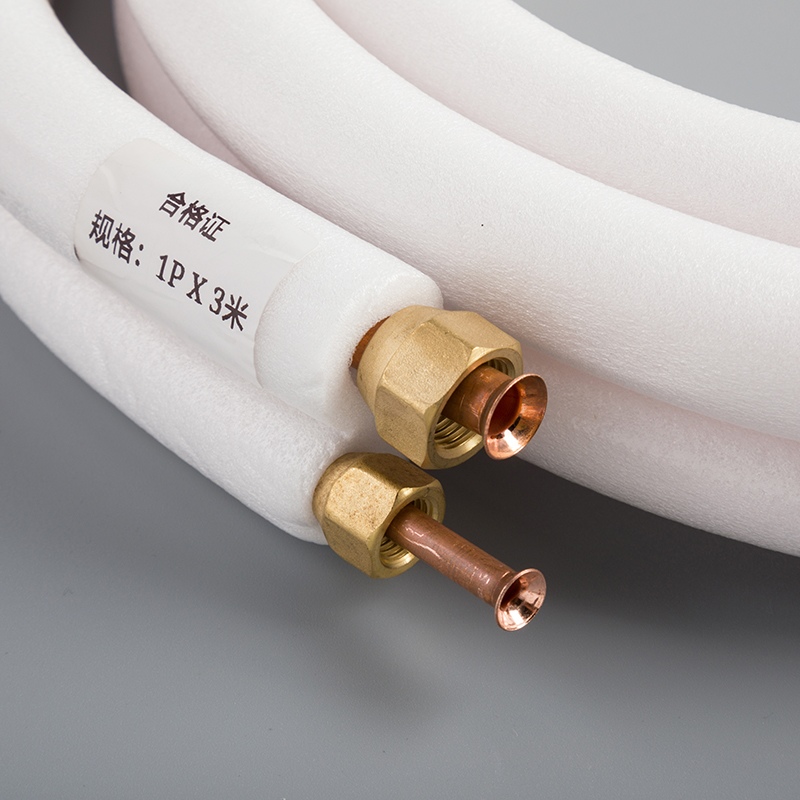
Understanding the environmental impact of materials used in air conditioning systems is crucial. Copper tubing plays a significant role in HVAC applications due to its durability, efficiency, and corrosion resistance. The use of copper enhances energy efficiency while reducing maintenance costs. This blog will write an in-depth analysis on the environmental effects of copper tubing in air conditioning systems. Key arguments will explore mining processes, manufacturing impacts, and recycling benefits associated with copper.
Environmental Impact of Copper Mining
Mining Processes
Extraction Methods
Copper mining involves various extraction methods. Open-pit mining represents one common technique. This method strips away layers of soil and rock to access copper deposits. Underground mining serves as another method, where miners tunnel deep into the earth to extract copper ore. Both methods contribute to significant land disruption and habitat destruction.
Environmental Degradation
The environmental degradation caused by copper mining is profound. Toxic elements accumulate in topsoil near mining sites. Studies reveal that metals such as arsenic (As), lead (Pb), cadmium (Cd), and zinc (Zn) pollute the surrounding environment. Scientific research findings indicate that high pollution levels of these heavy metals pose serious ecological risks.
Mining activities also lead to soil contamination with hazardous materials. The 2022 study published in Springer highlights how copper mining wastes result in elevated concentrations of toxic elements in soils around mines. These pollutants can leach into groundwater, affecting local ecosystems and human health.
Case Study: Mopani Copper Mine
Impact on Kankoyo Township
The Mopani Copper Mine serves as a pertinent case study for understanding the environmental impact of copper mining. Located in Zambia, this mine has significantly affected the nearby Kankoyo Township. Residents face challenges due to air pollution from dust generated by mining operations. Additionally, water sources have suffered contamination from toxic runoff.
Local communities experience adverse health effects linked to exposure to heavy metals released during mining processes. A comprehensive analysis shows that residents report higher rates of respiratory issues and skin diseases attributed to environmental pollution from the mine.
Rehabilitation Efforts
Efforts toward rehabilitation exist but often fall short of expectations. The Mopani Copper Mine has initiated programs aimed at restoring damaged ecosystems and improving community health outcomes. However, challenges remain regarding effective implementation and monitoring.
Rehabilitation efforts include reforestation initiatives and soil remediation projects designed to reduce toxicity levels in contaminated areas. Despite these attempts, skepticism persists among local residents about the effectiveness of these measures.
Manufacturing and Usage
Production Processes
Energy Consumption
Copper tubing production requires significant energy input. The extraction of copper from ore consumes approximately 100 GJ/tonne. This high energy demand contributes to increased greenhouse gas emissions. In contrast, recycling copper drastically reduces energy consumption to about 10 GJ/tonne. This reduction highlights the environmental advantages of utilizing recycled copper over newly mined materials.
Manufacturers face pressure to adopt more sustainable practices. Energy-efficient technologies can minimize the carbon footprint associated with copper production. Transitioning to renewable energy sources for manufacturing processes represents one viable solution. Such changes can lead to lower emissions and a reduced environmental impact.
Emissions
Copper production generates various emissions that adversely affect air quality. Mining operations release dust and particulate matter into the atmosphere, contributing to pollution levels in surrounding areas. Additionally, smelting processes emit sulfur dioxide (SO2) and other harmful gases, which can lead to acid rain formation.
The environmental hazards of copper extraction extend beyond immediate air pollution concerns. Long-term exposure to these pollutants poses health risks for local communities and ecosystems alike. Stricter regulations on emissions can help mitigate these effects while promoting cleaner production methods.
Usage in AC Systems
Benefits of Copper Tubing
Copper tubing offers numerous benefits in air conditioning systems. Its superior thermal conductivity allows for efficient heat transfer, enhancing overall system performance. This efficiency translates into lower energy consumption during operation, leading to reduced utility costs for consumers.
Durability stands out as another key advantage of copper tubing. Unlike alternative materials such as aluminum, copper exhibits excellent resistance to corrosion and oxidation. This property ensures longer service life for air conditioning systems, minimizing maintenance needs and replacement frequency.
Product Information:
Durable Material: Copper withstands harsh conditions.
Recyclable: Copper's recyclability supports sustainability efforts.
Energy-Efficient: Enhanced thermal conductivity improves system efficiency.
Longevity and Efficiency
Longevity remains a critical factor when evaluating materials used in HVAC systems. Copper tubing's resistance to corrosion extends its lifespan significantly compared to other options available on the market today. Air conditioning systems equipped with copper components often experience fewer breakdowns and require less frequent repairs.
Efficiency plays an essential role in modern HVAC design principles focused on sustainability. Utilizing copper tubing enhances overall system efficiency by improving heat exchange capabilities within the unit itself. As a result, consumers benefit from lower operational costs while reducing their carbon footprint through decreased energy usage.
Disposal and Recycling
End-of-Life Management
Recycling Processes
Copper tubing holds significant value at the end of its life cycle. The recycling process for copper involves several steps. First, collection occurs through various channels, including scrap yards and dedicated recycling facilities. Next, sorting takes place to separate copper from other materials. Advanced technologies aid in this process, ensuring minimal contamination.
After sorting, shredding occurs to reduce the size of copper pieces. This step facilitates easier processing in subsequent stages. Following shredding, smelting transforms shredded copper into pure metal. This process requires less energy compared to primary production methods. The use of recycled copper significantly reduces environmental impact while conserving natural resources.
Innovations within the recycling industry continue to emerge. Companies focus on improving efficiency and reducing waste during recycling processes. These advancements contribute to a more sustainable economy by promoting responsible resource management.
Environmental Benefits
Recycling copper offers numerous environmental benefits. By reusing existing materials, industries can decrease the demand for newly mined copper. This reduction leads to lower energy consumption and fewer emissions associated with mining activities.
The global growth in the copper recycling business demonstrates its importance within environmental responsibility efforts. In 2018, trade in copper scrap imports reached a staggering $19 billion worldwide. Such figures highlight the economic advantages tied to effective recycling practices.
Additionally, recycling helps mitigate landfill waste associated with discarded metal products. Copper's recyclability ensures that valuable resources do not end up polluting landfills or harming ecosystems.
Challenges in Disposal
Waste Management Issues
Despite its benefits, challenges persist regarding disposal and recycling of copper tubing. Waste management issues arise from improper disposal practices among consumers and businesses alike. Many individuals lack awareness about proper recycling methods for metals like copper.
Contamination poses another challenge during the disposal phase. Non-metal materials mixed with copper can complicate the recycling process, leading to increased costs and reduced efficiency at facilities.
Potential Solutions
Addressing these challenges requires strategic solutions aimed at improving awareness and infrastructure for disposal processes:
Public Education Campaigns: Initiatives that educate communities about proper disposal methods can increase participation in recycling programs.
Enhanced Collection Systems: Establishing convenient drop-off locations for recyclable materials encourages responsible behavior among consumers.
Incentive Programs: Offering financial incentives for returning used copper tubing could motivate individuals and businesses to participate actively in recycling efforts.
By implementing these strategies, stakeholders can enhance overall effectiveness in managing end-of-life products while promoting sustainable practices within industries reliant on copper tubing.
Through understanding these aspects of disposal and recycling, one gains insight into how society manages the environmental effects of copper tubing in air conditioning systems effectively while fostering a culture of sustainability.
Copper mining and processing create significant environmental hazards. Local communities and ecosystems suffer from air pollution, greenhouse gas emissions, and habitat destruction. Copper tubing offers durability and energy efficiency in air conditioning systems but poses challenges related to energy-intensive refining processes and improper disposal.
Future developments must focus on sustainable practices in mining, usage, and recycling. Stakeholders should prioritize responsible resource management to mitigate the environmental impact of copper extraction. Implementing innovative recycling solutions will enhance sustainability efforts while conserving valuable resources.
See Also
Exploring How Copper Tubing Enhances Air Conditioning Performance
Understanding Copper Tubes' Role in Boosting AC Efficiency
Tracing the Development of Copper Tubing in AC Systems
Future Insights: Innovations in Copper Tube Production for AC
Exploring Eco-Friendly Benefits of Alternatives to Copper Tubes

© Copyright 2024 Dongguan Baoyuan Refrigeration Parts Co.,Ltd - All Rights Reserved.
