Step-by-Step Guide to Sweating Copper Pipes and Fittings

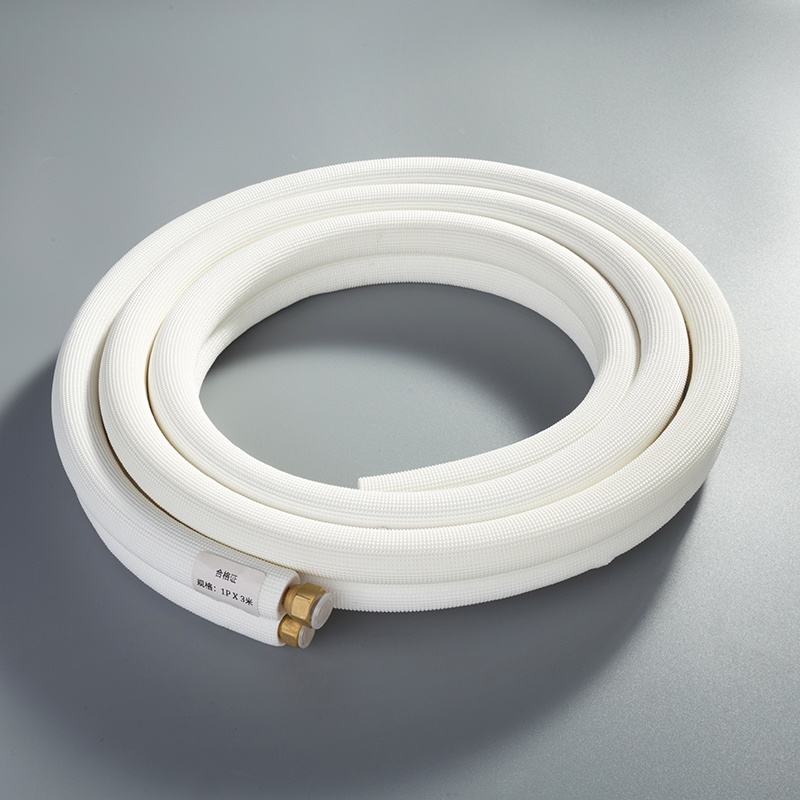
Write a 'How' blog post on 'How to properly sweat copper pipes and fittings'
Copper, renowned for its non-toxic properties and safety in plumbing systems, stands as the top choice for potable water installations. Sweating copper pipes and fittings, also known as soldering, plays a pivotal role in copper system setups, necessitating lead-free solders for compliance with water safety standards. To embark on this journey of precision and skill, understanding the significance of proper technique is paramount. Equipping oneself with the essential tools and materials ensures a seamless soldering experience while prioritizing safety measures safeguards against potential hazards.
Preparing for the Job
To embark on the task of sweating copper pipes and fittings, one must first gather the necessary tools and materials. Benjamin Franklin Plumbing emphasizes the importance of being equipped with the essential items before commencing any plumbing work. Here's a breakdown of what you'll need:
Gathering Tools and Materials
Essential Tools
Propane Torch: A reliable torch is crucial for heating the joint evenly.
Pipe Cutter: To accurately cut copper pipes to the required length.
Emery Cloth: Used for cleaning and roughening pipe surfaces for better adhesion.
Soldering Brush: Helps in applying flux evenly on pipe joints.
Necessary Materials
Lead-Free Solder: Ensures compliance with water safety standards.
Flux Paste: Facilitates solder flow and enhances joint strength.
Sandpaper: Useful for smoothing out any rough edges after cutting pipes.
Cloth Rag: For cleaning excess flux post-soldering.
Safety Measures
Prioritizing safety measures is paramount when working with heat sources and potentially hazardous materials during soldering tasks. Here are some key precautions to take:
Personal Protective Equipment (PPE)
Wear Safety Goggles to protect your eyes from sparks or debris.
Put on Heat-Resistant Gloves to shield your hands from burns.
Consider wearing a long-sleeved shirt to prevent direct contact with hot surfaces.
Workspace Preparation
Clear the work area of any flammable materials or clutter that could pose a fire hazard.
Ensure proper ventilation by opening windows or using a fan to disperse fumes from soldering activities.
Cutting and Cleaning the Pipes
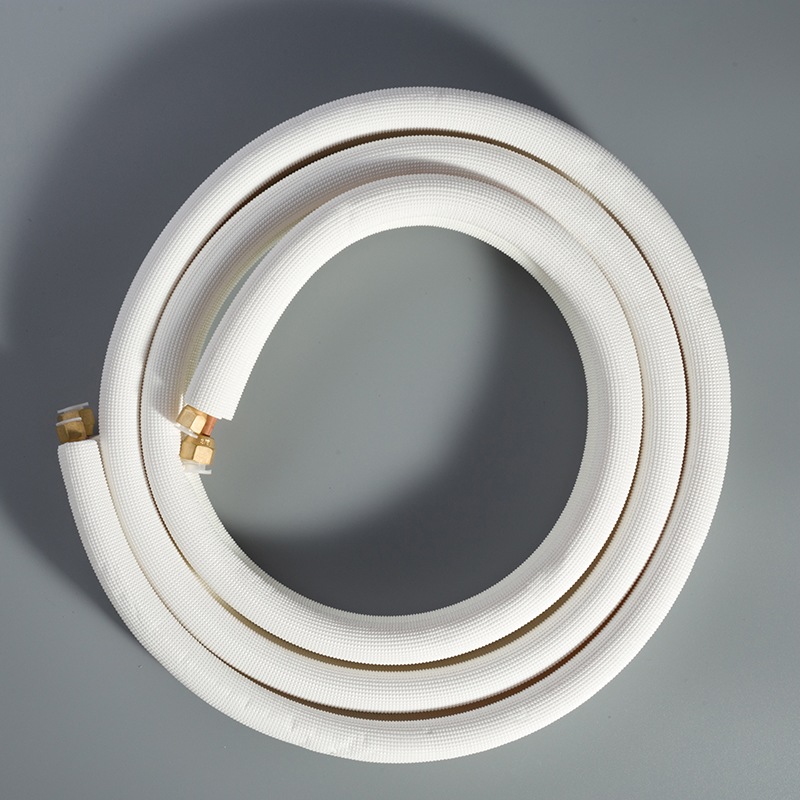
When preparing copper pipes for installation, precision is key. Professional plumbers stress the importance of accurate cuts to ensure seamless connections and prevent leaks in plumbing systems. Let's delve into the meticulous process of cutting and cleaning copper pipes.
Measuring and Marking
Accurate Measurements
To begin, precise measurements are essential for a successful plumbing project. Experienced professionals recommend using a measuring tape to mark the exact points where cuts need to be made. This step sets the foundation for a secure and leak-free connection.
Marking the Cut Points
After taking accurate measurements, marking the cut points with a pencil or marker is crucial. This ensures that the pipe cutter is aligned correctly, resulting in clean cuts without any room for error. Attention to detail during this stage guarantees a smooth assembly process later on.
Cutting the Pipes
Using a Pipe Cutter
Utilizing a pipe cutter is a standard practice among plumbers for its precision and efficiency. When cutting copper pipes, it's vital to rotate the cutter smoothly around the pipe while maintaining steady pressure. This technique produces clean edges that fit perfectly together, promoting optimal flow within the system.
Deburring the Edges
Once the pipes are cut, deburring becomes necessary to remove any sharp edges or burrs that could hinder proper fitting alignment. Industry experts recommend using sandpaper or a deburring tool to smooth out rough edges effectively. This step ensures a snug fit between pipes and fittings, preventing potential leaks down the line.
Cleaning the Pipes and Fittings
Cleaning the Pipe Ends
Before proceeding with assembly, thorough cleaning of both pipe ends is imperative. Professional advice suggests using emery cloth or sandpaper to remove any dirt, corrosion, or oxidation from the surfaces. Clean pipe ends promote better adhesion when soldering, enhancing joint strength and durability.
Cleaning the Fittings
In addition to cleaning pipe ends, it's equally crucial to prepare fittings for soldering by removing any debris or contaminants present on their surfaces. Wiping fittings with a clean cloth after sanding ensures that they are free from impurities that could compromise joint integrity. By prioritizing cleanliness at every stage, you pave the way for successful soldering and long-lasting plumbing connections.
Assembling the Pipes and Fittings
Dry Fitting
Checking the Fit
To ensure a seamless connection, verifying the fit of the pipes and fittings is crucial. Start by aligning the components without soldering to confirm that they join together snugly. This practice allows you to detect any discrepancies in alignment or sizing before proceeding with the soldering process.
Making Adjustments
In case the fit is not perfect during the dry fitting stage, adjustments may be necessary to achieve a precise connection. Utilize a pipe cutter or appropriate tools to modify the length or shape of the pipes accordingly. Remember, precision is key in creating leak-free joints that withstand water pressure effectively.
Applying Flux
Choosing the Right Flux
Selecting an appropriate flux is essential for promoting successful soldering outcomes. Opt for a flux that matches your specific project requirements, considering factors such as pipe material and intended application. The right flux enhances solder adhesion and ensures a durable joint over time.
Applying Flux Evenly
When applying flux to the cleaned pipe surfaces, consistency is key. Use a soldering brush or applicator to spread the flux uniformly across the areas where solder will be applied. A thin and even layer of flux facilitates proper solder flow during heating, resulting in strong and reliable connections between pipes and fittings.
Sweating the Copper Pipes
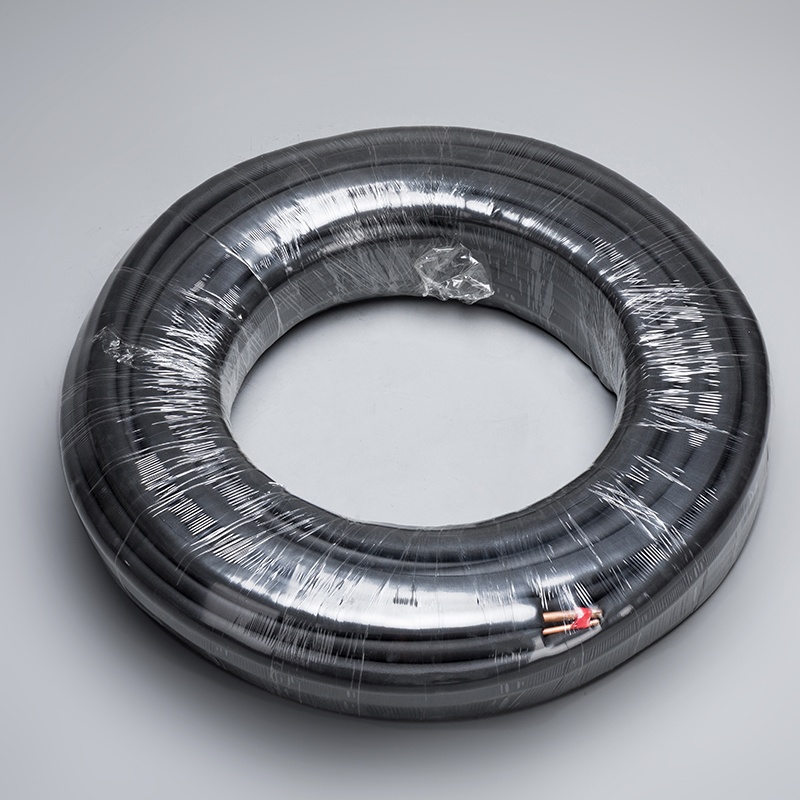
Heating the Joint
Applying heat to the joint is a critical step in the soldering process. By using a propane torch, the copper pipes reach the necessary temperature for solder application. The torch's flame evenly warms the joint, preparing it for the next phase.
Applying Solder
The application of solder is where the magic happens. As it melts upon contact with the heated joint, it creates a strong bond between the pipes. Ensuring that the solder flows smoothly and covers all necessary areas guarantees a secure connection.
Cooling and Cleaning the Joint
Allowing ample time for the joint to cool is essential before proceeding further. Once cooled, any excess flux and solder residue should be carefully cleaned to ensure a neat finish. This final touch ensures that your newly soldered copper pipes are ready for action.
Troubleshooting and Tips
Common Mistakes to Avoid
Overheating the Joint
When excessive heat is applied to the joint, it can lead to several issues such as pipe discoloration or even structural damage. To prevent this, maintain a consistent torch distance and movement speed during the soldering process. This ensures that the joint reaches the required temperature without overheating, preserving the integrity of the copper pipes.
Insufficient Cleaning
Neglecting thorough cleaning of pipe surfaces before soldering can compromise the effectiveness of the joint. Residual debris or flux left on the pipes can hinder proper adhesion, potentially resulting in leaks over time. By diligently cleaning both pipe ends and fittings with emery cloth or sandpaper, you set the stage for successful soldering and long-term plumbing reliability.
Troubleshooting Leaks
Identifying Leaks
Detecting leaks in soldered joints is crucial for maintaining a watertight plumbing system. Keep an eye out for any signs of water seepage or moisture accumulation around joints after completing the soldering process. Conduct a visual inspection and run a pressure test to pinpoint any areas where leaks may be present.
Fixing Leaks
If leaks are identified in your copper pipe connections, addressing them promptly is essential to prevent water damage and ensure system efficiency. Re-soldering problematic joints is often a viable solution to fix minor leaks. Remember to clean and reheat the joint properly before applying additional solder to reinforce the connection. Regular maintenance checks can help catch potential leaks early on and preserve the integrity of your plumbing system.
Soldering copper pipe, commonly referred to as sweating pipe, falls within a moderate difficulty range. The decision to tackle this task hinges on your skill level and the long-term implications for your water supply. Whether you opt for professional assistance or embark on the soldering journey yourself, remember that precision and patience are key. Practice makes perfect in mastering the art of sweating copper pipes, ensuring durable plumbing connections that stand the test of time. Prioritize safety at every step to safeguard your well-being and the integrity of your plumbing system.
See Also
Effortless Guide: Soldering Copper Pipes for Novices
Ultimate Manual for Preserving Copper Pipe Performance
Expertise in Copper Pipe Connectors: An In-Depth Manual

© Copyright 2024 Dongguan Baoyuan Refrigeration Parts Co.,Ltd - All Rights Reserved.
