What Defines HVAC Copper Pipe Standards in Japan

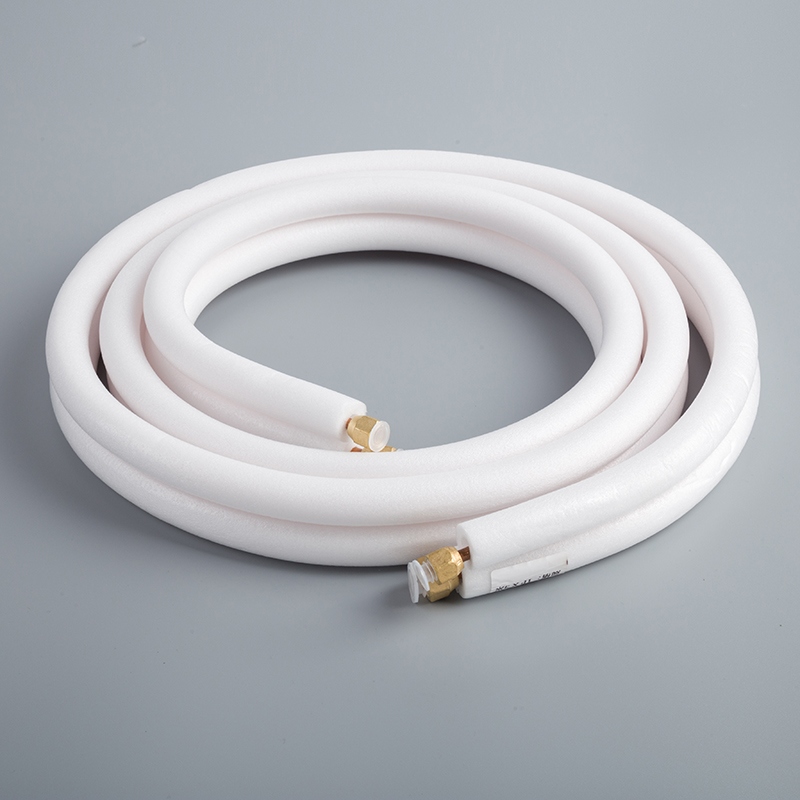
HVAC copper pipe Japan regulations play a crucial role in ensuring safety and efficiency in systems. The JIS H3300 and JCDA standards govern the production of copper pipes, emphasizing durable materials, long-lasting performance, and high functionality. Adhering to these guidelines enhances system compatibility with modern refrigerants. This attention to detail not only extends the lifespan of the system but also helps save money.
Complying with these HVAC copper pipe Japan standards ensures systems remain reliable and environmentally friendly by optimizing energy usage.
Key Takeaways
JIS H3300 and JCDA rules make HVAC copper pipes safe and strong.
C1220 copper improves heat flow and stops rust, boosting performance.
Certified pipes mean good quality, dependability, and follow Japanese rules.
Right-sized and treated pipes stop leaks and save energy and money.
Knowing JIS, ISO, and ASTM rules helps pick the best HVAC pipes.
Overview of HVAC Copper Pipe Standards in Japan
Role of JIS in Regulating Copper Pipes
The Japanese Industrial Standards Committee ensures copper pipes are high quality. JIS H3300 provides rules for making reliable copper tubes. These rules cover size, strength, and material details. By following them, companies make pipes that work well in HVAC systems.
JIS focuses on accuracy and quality checks. This keeps copper pipes working well, even in tough conditions. Pipes made under JIS rules are strong and work with modern refrigerants.
Contribution of JCDA Standards (JCDA 0009 and JCDA 0010)
JCDA standards add extra rules to JIS for HVAC pipes. JCDA 0009 lists how to make copper pipes. JCDA 0010 explains how to test them for safety. These rules make sure pipes are safe and work properly.
Following JCDA rules makes pipes reliable and eco-friendly. They support energy-saving designs, lowering HVAC system pollution.
Types of Copper Pipes (Straight and Coiled)
Copper pipes come in straight and coiled types. Straight pipes are best for setups needing exact placement. They are accurate and good for fixed systems.
Coiled pipes are flexible for tricky setups. They fit in places where straight pipes don’t work. They are easy to move and store, making them popular.
Both pipe types follow JIS and JCDA rules. This ensures you get strong, high-quality pipes no matter the type.
Key Specifications of JIS H3300
Material Composition (C1220 Grade Copper)
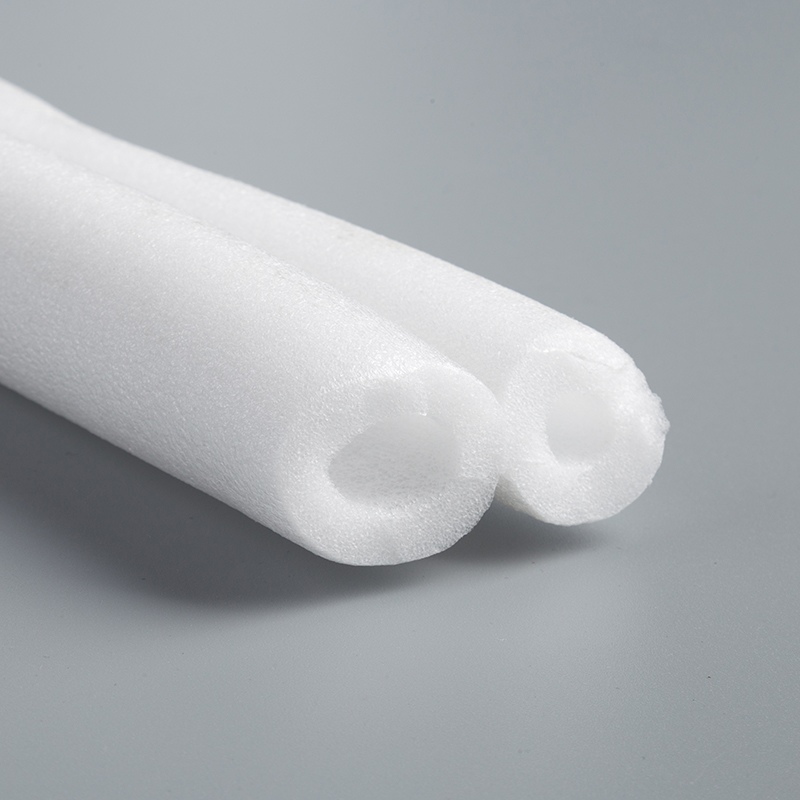
The JIS H3300 standard uses C1220 grade copper for HVAC systems. This copper has great heat transfer and resists rust well. It contains mostly pure copper with very few impurities. This makes it strong enough to handle high pressure and temperature changes in HVAC systems.
C1220 grade copper works with modern refrigerants. This helps systems run efficiently and lowers harm to the environment. Choosing pipes made from this material ensures they last a long time and work reliably.
Dimensional Accuracy and Length Requirements
JIS H3300 sets exact sizes for copper pipes. It defines the outer diameter, wall thickness, and length for each pipe. These precise measurements help pipes fit perfectly without leaks or problems.
Straight pipes must follow strict length rules for uniformity. Coiled pipes need even wall thickness along their length. These rules make installation easier and keep systems running smoothly.
Surface Treatment and Corrosion Resistance
Copper pipes must get special treatments to meet JIS H3300 rules. These treatments protect pipes from rust, which is important for long-term use. Rust can weaken pipes and cause system issues, so this step matters.
Pipes that meet JIS H3300 often have smooth, shiny surfaces. This lowers friction inside the pipe, helping refrigerants flow better. Treated surfaces also stop dirt buildup, keeping systems clean and efficient.
Tip: Look for JIS H3300 certification when buying copper pipes. This ensures top quality and great performance.
Comparison with International Copper Tube Standards
JIS vs. ISO Standards
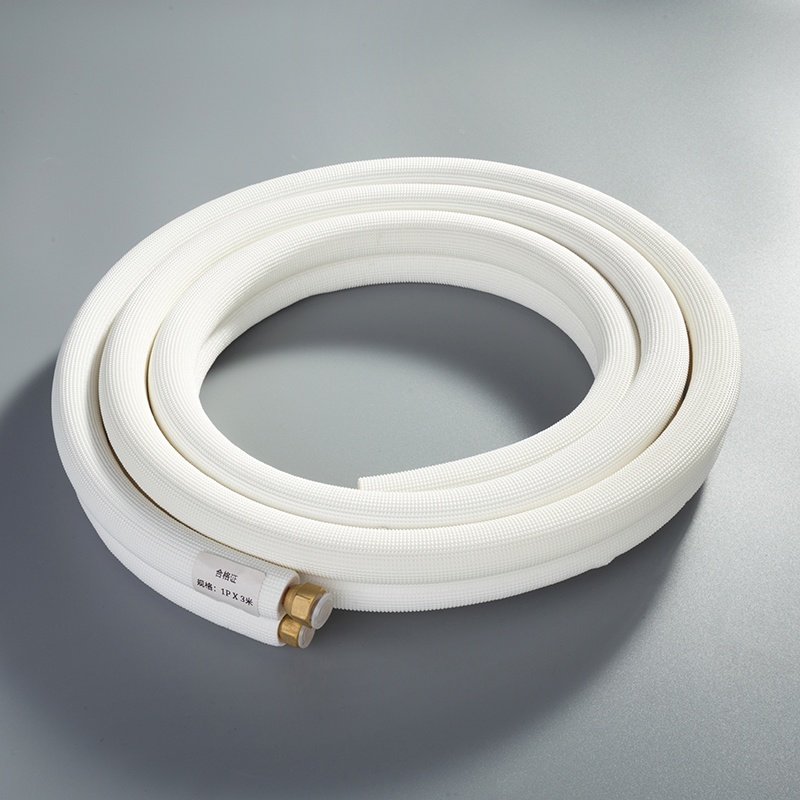
JIS and ISO standards have different goals and uses. JIS focuses on making strong, precise copper pipes for Japan's HVAC systems. ISO standards are made to work worldwide across many industries.
JIS ensures pipes fit Japan's specific needs and weather. ISO tries to create rules that work everywhere. For HVAC systems in Japan, JIS standards give better performance and dependability.
JIS vs. ASTM Standards
JIS and ASTM standards also differ in their focus. JIS looks at material quality and rust protection for Japan's HVAC systems. ASTM, used in the U.S., focuses on strength and testing methods.
For example, ASTM checks how much a pipe can stretch or bend. JIS focuses on exact sizes and refrigerant compatibility. If you're in Japan, JIS standards match local HVAC needs better.
Compatibility with Refrigerants
Copper pipes need to work well with refrigerants for good HVAC performance. JIS standards use C1220 grade copper, which resists rust and handles high pressure. These pipes work great with modern, eco-friendly refrigerants.
ISO and ASTM standards also cover refrigerant use, but JIS gives more details for Japan's HVAC systems. Choosing JIS pipes ensures smooth refrigerant flow and longer system life.
Note: Knowing these differences helps you pick the best copper pipes for your HVAC system, whether you follow JIS, ISO, or ASTM standards.
Practical Implications of HVAC Copper Pipe Standards
Impact on HVAC System Efficiency and Performance
Copper pipe rules affect how well HVAC systems work. Pipes meeting standards help refrigerants flow smoothly, cutting energy waste. This saves money and keeps air conditioners and refrigerators working well.
Good copper pipes move heat better, keeping temperatures steady. Precise manufacturing stops leaks and pressure drops. This makes systems safer and more efficient overall.
Choosing pipes that follow copper standards boosts system performance. It saves money and helps the environment by using less energy.
Ensuring Long-Term Reliability and Safety
Strong copper pipes make HVAC systems last longer. Rules like JIS H3300 stop rust and handle high pressure. This avoids breakdowns and keeps equipment working for years.
Safety matters too. Pipes meeting quality rules lower refrigerant leak risks. Leaks hurt the environment and reduce system efficiency. Certified pipes protect your system and the planet.
Using good pipes with regular care keeps systems safe and reliable. Buying certified copper pipes gives peace of mind and saves money over time.
Compliance and Certification Processes in Japan
Japan checks copper pipes to meet strict quality rules. Makers must follow standards like JIS and JCDA. These rules cover materials, sizes, and rust protection.
Testing is tough. Pipes are checked for strength, durability, and refrigerant use. Certified pipes pass these tests and work well under hard conditions. Labels show they meet all copper pipe rules.
Buying certified pipes means you can trust their quality. They fit well in HVAC systems and work efficiently. Certification also makes installation easier and trouble-free.
Tip: Look for certification marks when buying copper pipes. This ensures you get strong and reliable products.
JIS H3300 and JCDA rules set the quality for HVAC copper pipes in Japan. These rules make sure pipes are safe, strong, and work well.
Knowing these rules helps you pick materials that save energy and protect the environment.
Following them also means you meet Japan's laws, which keeps things worry-free.
Remember: Picking certified pipes improves how systems work and earns customer trust. Good systems begin with the right rules.
FAQ
What is the purpose of JIS H3300 standards?
JIS H3300 makes sure copper pipes are safe and high quality. It sets rules for materials, sizes, and rust protection. These rules help create strong pipes that improve HVAC systems.
How do JCDA standards differ from JIS?
JCDA adds extra rules to JIS for making and testing pipes. JCDA 0009 explains how to make pipes, and JCDA 0010 focuses on safety tests. Together, they ensure pipes are safe and work well in HVAC systems.
Why is C1220 grade copper important for HVAC systems?
C1220 grade copper moves heat well and doesn’t rust easily. It handles high pressure and works with new refrigerants. Using this copper keeps HVAC systems running smoothly and lasting longer.
How can you identify certified copper pipes?
Check for labels or marks on the pipes. These show they meet JIS and JCDA rules. Certified pipes are safe, high quality, and fit HVAC systems perfectly.
Are JIS standards better than ISO for Japan's HVAC systems?
Yes, JIS standards match Japan’s needs, like weather and refrigerants. ISO standards are general and used worldwide. For Japan’s HVAC systems, JIS gives better results and reliability.
Tip: Pick certified pipes to keep your HVAC system safe and efficient.
See Also
Transforming Air Conditioning With Pure Copper Pipe Innovation
Key Safety Tips for Installing Copper Pipe Coils
Exploring the Development of Copper Tubing in HVAC

© Copyright 2024 Dongguan Baoyuan Refrigeration Parts Co.,Ltd - All Rights Reserved.
