How to Select the Right Copper Pipes for HVAC Systems


Choosing the right HVAC copper pipes for commercial buildings is very important for HVAC systems. These copper pipes are strong and conduct heat well, making them great for heating and cooling. Experts say that HVAC copper pipes for commercial buildings don’t rust easily, which helps HVAC systems last longer and require less maintenance. Additionally, copper pipes move heat quickly, saving energy in large structures. As people increasingly seek to save energy, good HVAC copper pipes for commercial buildings play a crucial role. They make HVAC systems cheaper to operate and more dependable.
Key Takeaways
Picking the right copper pipes makes HVAC systems work better. Strong pipes last longer and use less energy.
Type K pipes are great for high pressure because they are thick. Use them in hard conditions to stop leaks.
Type L pipes are strong and not too expensive. They work well for most HVAC systems and are easy to use.
ACR copper pipes are made for air conditioning. They help refrigerants move better and save energy, perfect for big buildings.
Always check local rules before installing pipes. Following rules keeps HVAC systems safe and efficient.
Types of HVAC Copper Pipes for Commercial Buildings

When picking copper pipes for HVAC systems, knowing the types is key. Each type works best for certain jobs. Let’s look at the common copper pipe types used in commercial HVAC systems.
Type K Copper Pipes
Type K copper pipes are the strongest and thickest option. Their thick walls make them great for high-pressure jobs, like underground use or tough areas. These pipes are often used in HVAC systems where strength matters most.
Tip: If your HVAC system faces tough conditions, Type K pipes are strong enough to stop leaks and last a long time.
Even though Type K pipes are very strong, they cost more than other types. Because of this, they’re not usually used for regular air conditioning unless extra strength is needed.
Type L Copper Pipes
Type L copper pipes are strong and affordable, making them a popular pick. They have thinner walls than Type K but still handle pressure well. These pipes work both indoors and outdoors.
Here are some facts about Type L pipes:
They can last 10 to 25 years if cared for properly.
They cost more upfront than aluminum but need less upkeep.
They are easier to install than stainless steel, saving labor costs.
If you want a reliable choice for air conditioning, Type L pipes are a good option. They are durable, affordable, and simple to install, which is why HVAC experts like them.
Type M Copper Pipes
Type M copper pipes are the cheapest of the three. Their walls are thinner, so they’re not as strong as Type K or Type L. Still, they work well for low-pressure jobs, like small HVAC systems.
For big commercial buildings, Type M pipes might not be the best. Their thin walls can get damaged under high pressure or tough conditions. But if your HVAC system runs in a safe, low-stress setting, Type M pipes can save money.
Note: Always check building rules before using Type M pipes. Some rules may not allow them because they’re less durable.
ACR Copper Pipes for Air Conditioning
ACR copper pipes are made for air conditioning systems. These pipes are built to meet HVAC needs, ensuring they work well and last long. ACR pipes come pre-cleaned, dried, and sealed to stop dirt from getting inside. This makes them perfect for moving refrigerants in large buildings.
Why Pick ACR Copper Pipes?
ACR copper pipes are great at handling refrigerants. Their smooth insides help refrigerants move easily, improving energy use. These pipes also resist rust, so they last longer even in tough places.
Studies About ACR Copper Pipes
Research shows the benefits of using ACR copper pipes. Smaller pipes save money and improve efficiency. Below is a table with key findings:
Study Details | Results | Cost Savings | Efficiency Gains |
|---|---|---|---|
F7mm vs F5mm tubes in evaporators | F5mm tubes used 43% less copper | About 40% | Better cooling and energy efficiency |
F4mm tubes in split AC systems | Less refrigerant without losing performance | N/A | N/A |
F9.52mm vs F5mm tubes | F5mm tubes had 15% better heat exchange | 41.8% less copper, 50% less aluminum | N/A |
Microgroove vs microchannel | Smaller tubes reduced refrigerant use | N/A | N/A |
R290 with 5mm tubes | Less refrigerant and better cooling | N/A | N/A |
These studies show smaller ACR copper pipes save money and boost efficiency. For example, F5mm tubes cut copper use by 43% and improve cooling. ACR pipes are a smart and efficient choice for HVAC systems.
Use in Commercial Buildings
ACR copper pipes are often used in air conditioning for big buildings. They work well for both high and low pressure. These pipes can handle modern refrigerants, including eco-friendly ones like R290. Choosing ACR pipes helps your HVAC system run better and meet industry rules.
Tip: Make sure the ACR copper pipes you pick fit your HVAC system. Correct size and setup are key for good performance.
Using ACR copper pipes improves energy use, lowers costs, and makes systems last longer. They are a smart choice for any building wanting better air conditioning.
Key Factors for Choosing Air Conditioner Copper Pipes
Picking the right air conditioner copper pipes means knowing key details. These details affect how well HVAC systems work in buildings. Let’s break down what to consider for a smart choice.
Pipe Size and Diameter
The size of copper pipes affects how air conditioners perform. Bigger pipes carry more refrigerant, while smaller ones suit compact systems. Picking the right size helps save energy and transfer heat better.
Why does the HVAC industry prefer copper pipes?
They are strong and bend easily for different layouts.
They transfer heat well, making cooling and heating efficient.
They can be shaped to fit many HVAC designs.
Demand for copper pipes keeps growing because they meet modern needs. Their ability to resist rust and conduct heat makes them perfect for today’s air conditioning systems.
HVAC systems use more copper pipes than any other sector.
This is due to copper’s strength and heat-moving abilities.
Both homes and businesses rely on copper pipes for HVAC systems.
Wall Thickness and Pressure Resistance
The thickness of pipe walls matters for handling pressure. Thicker walls are stronger and work well in high-pressure systems. Thinner walls cost less but may not last under tough conditions.
Studies show how wall thickness affects pressure strength:
Wall Thickness to Diameter Ratio (h/d) | Impact on Pressure Strength and Structure |
|---|---|
Higher h/d Ratio | Makes pipes stronger and better at handling pressure |
Lower h/d Ratio | Weakens pipes and lowers pressure resistance |
Think about your system’s pressure needs when picking pipes. For high-pressure systems, thicker walls with a higher h/d ratio are more reliable.
Refrigerant Compatibility
It’s important to match your refrigerant with the right copper pipes. The refrigerant type must work well with the pipe material. Most modern refrigerants, like eco-friendly R290, work great with copper pipes.
The copper industry studies refrigerants to keep up with new tech. Groups like the Copper Development Association (CDA) focus on:
Testing how refrigerants affect copper pipes.
Making sure copper stays useful for new HVAC systems.
Promoting copper for its heat transfer and rust resistance.
Using the right copper pipes for your refrigerant improves efficiency and prevents leaks or damage.
Tip: Check your HVAC system’s guide to ensure refrigerant and pipe compatibility.
Cost and Budget
When picking air conditioner copper pipes for HVAC systems, knowing the costs is important. Different types of copper pipes have different prices. The price per foot depends on pipe length, fittings, and hangers. For example, places like hospitals need more fittings, which raises costs.
To save money, think about these points:
Pipe Type: Type K pipes cost the most because they are thick and strong. Type L pipes are a good mix of cost and strength. Type M pipes are the cheapest but not as strong.
Installation Costs: Thicker pipes need special tools and skilled workers, which costs more.
Long-Term Savings: Strong pipes like Type L or ACR cost more now but save money later by needing less repair and working better.
Tip: Add up all costs, including fittings, hangers, and labor. This helps you avoid surprise expenses during setup.
Planning your budget is key for big systems. Picking the right copper pipes helps your HVAC system work well without spending too much.
Compliance with Building Codes
Building codes decide which air conditioner copper pipes you can use. These rules make sure systems are safe, efficient, and eco-friendly. Before installing pipes, check local rules to avoid fines or changes later.
Here’s what to know about following the rules:
Material Standards: Some rules say which copper pipes are okay for HVAC systems. For example, Type M pipes might not be allowed for high-pressure systems.
Refrigerant Compatibility: Some rules need pipes to work with eco-friendly refrigerants like R290.
Installation Guidelines: Rules may include how to insulate pipes, space them, and connect them to stop leaks and water drops.
Note: Talk to a licensed HVAC expert to make sure your system follows all building codes.
Following building codes keeps your system safe and efficient. It also avoids legal trouble and helps your HVAC system work its best.
Best Copper Pipes for HVAC Systems in Commercial Buildings
High-Pressure Applications
For high-pressure HVAC systems, strong copper pipes are needed. Type K copper pipes are the best choice because they have thick walls. These pipes are made to handle high pressure without breaking. They work well in tough places like commercial buildings.
Tests show how well copper pipes perform under pressure. Below is a table with details about pressure and temperature limits:
Type of Copper Tube | Internal Pressure (psi) | Temperature Range (°F) |
|---|---|---|
Type K (Annealed) | Based on calculations | 100°F to 400°F |
Type L (Drawn) | Based on calculations | 100°F to 400°F |
Type M (Annealed) | Based on calculations | 100°F to 400°F |
Type K pipes are strong and reliable for high-pressure systems. They keep HVAC systems safe and working well in tough conditions.
Corrosion-Resistant Options
Rust can damage HVAC systems and cost a lot to fix. Picking rust-resistant copper pipes helps avoid these problems. ACR copper pipes are great because they don’t rust and stay strong in harsh places.
These pipes are cleaned and sealed to stop dirt from getting inside. This keeps refrigerants flowing smoothly and prevents clogs. Using rust-resistant pipes protects your system and makes it last longer.
Tip: Use rust-resistant pipes in wet or chemical-heavy areas for better performance.
Energy-Efficient Choices
Saving energy is important for modern HVAC systems. Copper pipes are great for this because they move heat well. ACR pipes are made to help refrigerants flow better, using less energy and improving system performance.
Studies show smaller copper pipes, like F5mm tubes, save energy. They improve heat transfer and use less material. These pipes also work with eco-friendly refrigerants like R290, making them a smart choice for big buildings.
Choosing energy-saving copper pipes lowers costs and helps the environment.
Installation and Maintenance of HVAC Copper Pipes
Cutting and Flaring Techniques
Cutting and flaring pipes correctly is very important. First, check the pipes for any damage or dents. Use a pipe cutter to make clean, straight cuts. Do not use saws because they leave rough edges that might cause leaks. After cutting, smooth the edges to remove sharp bits.
Flaring is also an important step. It means widening the pipe's end to fit securely. Use a flaring tool to make the flare even and smooth. Cracked or uneven flares can cause leaks, so check your work carefully. Always inspect the flare before moving on to the next step.
Category | Details |
|---|---|
Preparatory Work | Check the area, clear space, and gather tools. |
Installation Steps | Cut, bend, and connect pipes using welding or flaring. |
Common Problems | Fix bent pipe wrinkles or weld leaks by adjusting or re-welding. |
Ensuring Leak-Free Connections
Leaks can lower your HVAC system’s performance. To stop leaks, make sure connections are tight and secure. Use good-quality fittings that match the pipe size. When tightening, don’t overdo it, as this can harm the pipe.
Check connections often to spot leaks early. Look for oil stains or bubbles, which show where leaks are. Replace old seals and tighten loose fittings right away. Using anti-rust sprays can also protect pipes and reduce leaks over time.
Insulation to Prevent Condensation
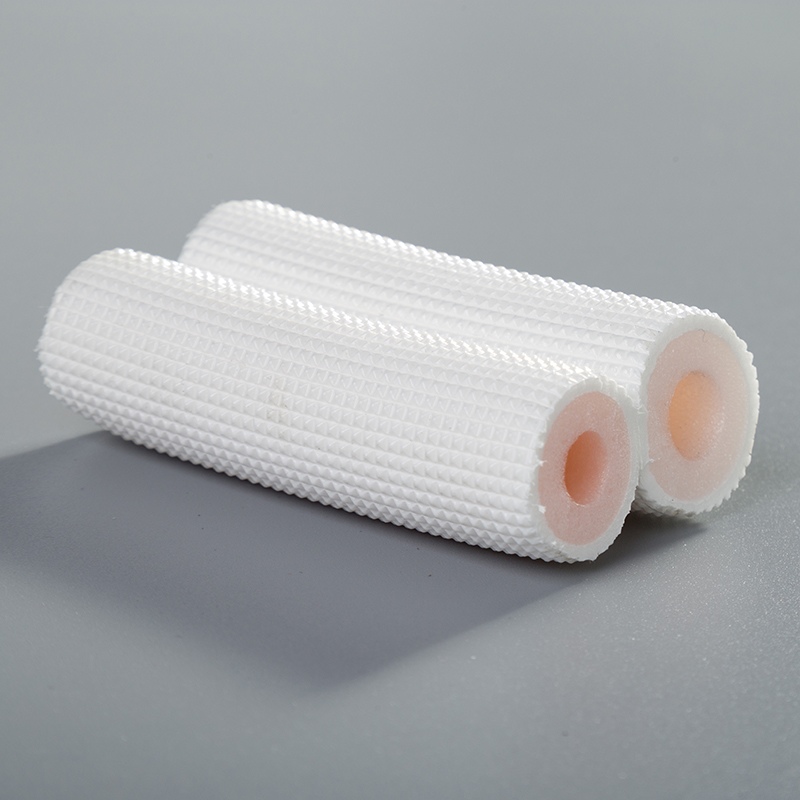
Insulating copper pipes stops condensation from forming. Without insulation, water can collect on pipes, causing mold and damage. Use good insulation materials to keep pipes at the right temperature. Adding vapor barriers helps block moisture from getting into the insulation.
Proper insulation saves energy and lowers bills. This is especially helpful in large buildings where HVAC systems run all the time. By keeping temperatures steady and stopping condensation, insulation makes the system work better.
Why insulation matters:
Saves energy and cuts costs.
Stops moisture, preventing mold and damage.
Improves system efficiency with vapor barriers.
Regular Inspection and Cleaning
Checking and cleaning copper pipes often keeps them working well. Over time, even strong copper pipes can get small problems like tiny holes from corrosion. Regular checks help find these issues early and stop expensive repairs. Watch for signs like oil spots or bubbles near pipe joints. Fix these quickly to keep the system running smoothly.
Cleaning pipes is just as important as checking them. Dirt or leftover debris inside pipes can weaken connections. This might cause leaks or make the system work poorly. To prevent this, clean all joints and fittings before installing pipes. Regular cleaning during maintenance also clears out buildup that could block refrigerant flow.
Good maintenance habits, like scheduling regular checks and cleanings, can make your HVAC system last longer. These steps stop leaks and improve how the system works. For example, tightening loose fittings right away prevents leaks. Replacing old seals during inspections avoids sudden breakdowns.
By focusing on regular checks and cleaning, you protect your HVAC system. A well-cared-for system saves energy and avoids costly downtime. This makes it a smart choice for any large building.
Choosing the right copper pipes for HVAC systems in big buildings helps them last longer and work better. Picking the right pipes makes systems more efficient, easier to maintain, and stronger. For instance, SWG22 copper pipes resist rust and move heat well, making them great for split air conditioners. Type L copper pipes handle high pressure and are flexible for many uses. Mexflow copper pipes are top-quality, transfer heat well, and resist rust.
Type of Copper Pipe | Benefits | Uses |
|---|---|---|
SWG22 Copper Pipes | Rust-resistant, good at moving heat, reliable | Split air conditioners, central cooling systems |
Type L Copper Pipes | Handles high pressure, lasts long, flexible | Big HVAC systems, factory cooling units |
Mexflow Copper Pipes | High quality, great heat transfer, rust-resistant | Home air conditioners, commercial coolers |
Choosing wisely saves money, boosts efficiency, and makes systems last longer. Always ask experts or follow rules to keep your system running well.
FAQ
What is the best type of copper pipe for high-pressure HVAC systems?
Type K copper pipes are ideal for high-pressure systems. Their thick walls can handle strong pressure without breaking. These pipes are perfect for commercial buildings needing strength and durability.
Tip: Use Type K pipes underground or in tough spots to avoid leaks.
How do you choose the right pipe size for an HVAC system?
Pick pipe size based on how much refrigerant your system needs. Bigger pipes move more refrigerant, while smaller ones fit compact systems. Correct sizing helps save energy and transfer heat well.
Note: Check your HVAC manual to find the right pipe size.
Why is insulation important for copper pipes?
Insulation stops water from forming on copper pipes. Without it, moisture can lead to mold and damage. Insulation also keeps temperatures steady, saving energy.
Benefits of Insulation:
Prevents water buildup.
Cuts energy use.
Makes pipes last longer.
Can you use Type M copper pipes in commercial HVAC systems?
Type M pipes work for low-pressure systems but aren’t great for commercial HVAC. Their thin walls might break under strong pressure or tough conditions.
Warning: Check building rules before using Type M pipes in commercial areas.
How often should you inspect HVAC copper pipes?
Check copper pipes twice a year. Look for leaks, rust, or damage. Regular inspections catch problems early and save money on repairs.
Tip: Plan inspections during seasonal HVAC checkups for convenience.
See Also
The Benefits of Selecting Copper Pipes for AC Systems
The Importance of Pure Copper Pipes in Air Conditioning
Finding the Best Insulation Options for Copper Pipes

© Copyright 2024 Dongguan Baoyuan Refrigeration Parts Co.,Ltd - All Rights Reserved.
