What Are HVAC Copper Pipes and Their Importance in Modern Systems

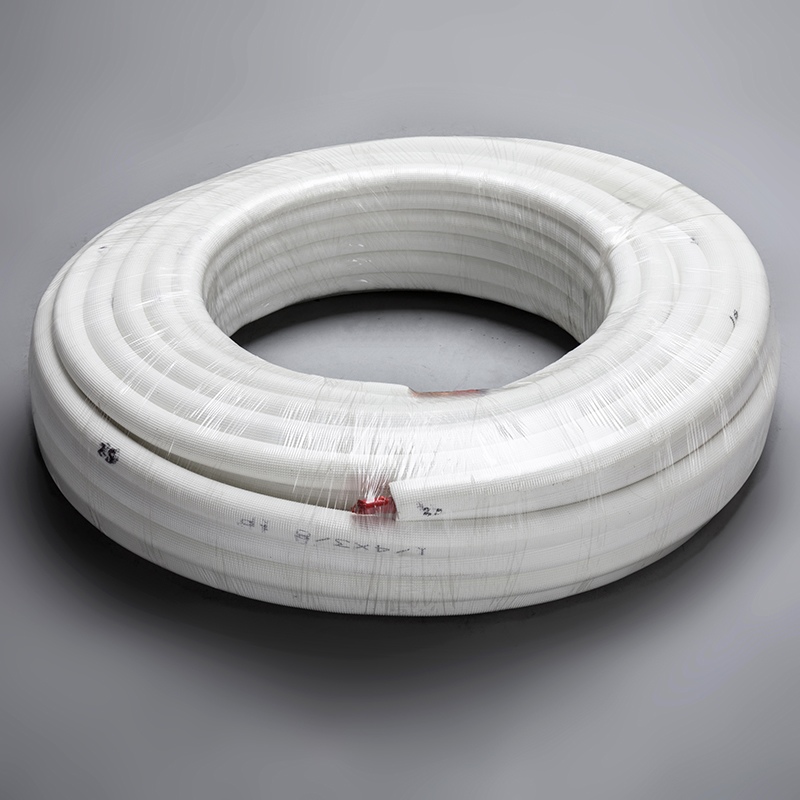
HVAC copper pipes are very important in cooling systems. These pipes move refrigerants easily and help transfer heat well. They are strong and dependable, making them key in modern systems.
Here’s why copper is special:
It can last over 50 years without breaking down.
It works better than plastic or PVC, lasting much longer.
Its strong build stops leaks, unlike others that may break in 10 years.
Using HVAC copper pipes gives you a system that works well for a long time and saves energy.
Key Takeaways
HVAC copper pipes are strong and can last 50 years. They are a smart choice for cooling systems and save money.
Copper pipes move heat well, making HVAC systems use less energy. This helps lower electricity costs.
Copper does not rust easily, stopping leaks and working reliably. It also helps protect the environment.
There are different copper pipe types, like Type K, L, and M. These fit various needs, from high-pressure use to cheaper options.
Using copper pipes improves air quality by killing germs. This makes indoor spaces healthier and more pleasant.
Importance of HVAC Copper Pipes
Durability and Longevity
Copper pipes are strong and last a long time. With proper care, they can work for over 50 years. This makes them a smart and cost-saving choice for cooling systems. Unlike other materials, copper doesn’t wear out quickly. It stays strong even under high pressure.
Copper pipes can handle very hot or cold temperatures. They don’t break or lose shape in extreme conditions. Copper also resists rust, which helps it last longer. This means fewer repairs and replacements are needed.
Benefits of copper pipes' strength:
Handle high pressure without breaking.
Resist rust, stopping leaks.
Last long, saving money on repairs.
Heat Conductivity and Energy Efficiency
Copper is great at moving heat, making it perfect for HVAC systems. Its heat transfer ability is much better than aluminium. Copper’s thermal conductivity is between 386 and 401 W/m·K, while aluminium is only 237 W/m·K. This helps cooling and heating systems work better.
Material | Thermal Conductivity (W/m·K) |
|---|---|
Copper | 386 - 401 |
Aluminium | 237 |
Using copper pipes helps HVAC systems use less energy. This lowers electricity bills and is better for the environment. Good heat transfer means refrigerants flow smoothly, keeping the system efficient.
How copper saves energy:
Moves heat fast, boosting system performance.
Uses less energy, cutting costs.
Helps the environment with efficient operation.
Corrosion Resistance and Leak Prevention
Copper pipes don’t rust easily, which keeps HVAC systems working well. Tests like immersion and gravimetric tests show copper resists rust in different water types. This keeps pipes strong and stops leaks.
Testing Method | Description |
|---|---|
Immersion Testing | Dips copper in water to check rust resistance by weight and surface changes. |
Gravimetric Test | Measures weight loss of copper in water to find rust levels. |
Leaks can waste refrigerants, lowering efficiency and harming the planet. Copper’s natural strength reduces this risk. Choosing copper pipes protects your system and supports a greener future.
Why copper prevents leaks:
Stops leaks, keeping refrigerants flowing.
Keeps systems efficient for longer.
Protects the environment by reducing refrigerant waste.
Compatibility with Modern Refrigerants
Copper pipes work well with today’s refrigerants, making them great for HVAC systems. As new refrigerants are made to protect the environment, strong materials are needed. Copper is a top choice because it is tough and flexible.
New refrigerants like R410A and R7441 need pipes that handle high pressure. Copper pipes can manage this pressure easily, keeping systems reliable. Smaller copper tubes are also helpful. They use less refrigerant, cutting costs and making systems more efficient.
Tip: Use copper pipes to save money and support eco-friendly refrigerants.
Why copper is perfect for modern refrigerants:
Handles high-pressure refrigerants like R410A without problems.
Smaller tubes mean less refrigerant and lower costs.
Strong copper lasts long with new refrigerants.
Choosing copper pipes ensures your HVAC system is future-ready. These pipes work with the latest refrigerants and make your system run better overall.
Types of Copper Pipes and Tubes in HVAC Systems
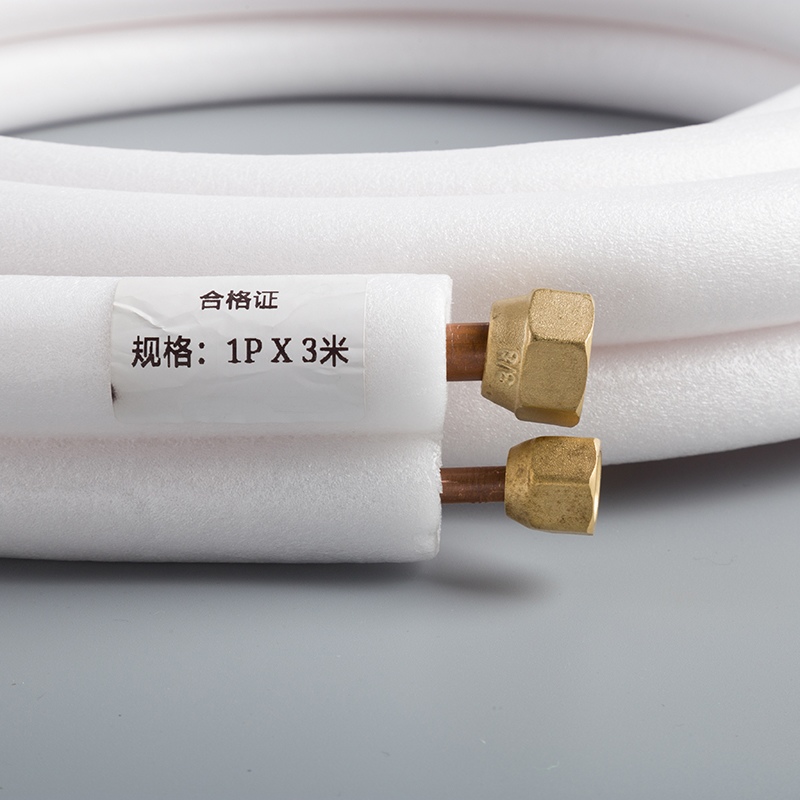
Copper pipes are essential for HVAC systems. They are strong, efficient, and work well with modern refrigerants. Knowing the types of copper pipes helps you pick the right one. Let’s look at Type K, Type L, and Type M pipes.
Type K Copper Pipes: Features and Uses
Type K pipes are the toughest and most durable. Their thick walls make them great for high-pressure and underground use. They can handle pressures from 1,000 psi (small pipes) to 400 psi (large pipes) at room temperature. This makes them reliable in tough conditions.
Type K pipes are often used in water mains and refrigeration systems. They resist rust and last long, even in harsh environments. Their antimicrobial properties make them safe for drinking water systems.
Main Features of Type K Pipes:
Thick walls for extra strength.
Perfect for high-pressure and underground jobs.
Resist rust, needing less maintenance.
Safe for drinking water due to antimicrobial traits.
Tip: Choose Type K pipes for heavy-duty tasks.
Type L Copper Pipes: Features and Uses
Type L pipes are strong and flexible. They are thinner than Type K but still durable. These pipes are used in plumbing, HVACR systems, and medical gas piping. They are also popular for retrofits because they are affordable and easy to install.
Type L pipes are simple to bend, cut, and fit. This saves time and money during construction. They meet plumbing rules and resist rust, making them good for drinking water. In North America, their demand is rising due to urban growth and old infrastructure replacement.
Key Benefit | Details |
|---|---|
Versatility | Used in plumbing, HVACR, medical gas piping, and retrofits. |
Easy Installation | Quick to bend, cut, and fit, saving time and money. |
Rust Resistance | Meets plumbing rules and resists rust, ideal for drinking water. |
Growing Demand | Popular due to urbanisation and replacing old systems. |
Note: Type L pipes are a flexible and affordable choice for homes and businesses.
Type M Copper Pipes: Features and Uses
Type M pipes are the cheapest option. They have thinner walls than Type K and Type L. These pipes are best for low-pressure jobs like home plumbing and HVAC systems.
Even with thinner walls, Type M pipes work well in the right settings. They are light and easy to handle, making installation simple. But they are not suitable for underground or high-pressure tasks.
Specification | Details |
|---|---|
Thin Walls | Lightweight and affordable due to thinner walls. |
Pressure Use | Best for low-pressure jobs in homes and HVAC systems. |
Easy Installation | Light and simple to fit, saving labour costs. |
Tip: Use Type M pipes for budget-friendly solutions in low-pressure areas.
Knowing the differences between these copper pipes helps you choose wisely. Each type has its own benefits, so you can find the best one for your needs.
ACR Copper Tubing: Features and Applications
ACR copper tubing is important for HVAC systems. It is made for air conditioning and refrigeration, making it great for moving refrigerants. Its special features make it a must-have in modern cooling systems.
Key Features of ACR Copper Tubing
ACR copper tubing meets strict industry rules. It is built to handle high pressure and extreme temperatures. This makes it strong and efficient. The Copper Tube Handbook explains its standards set by ASTM International. These include exact sizes and tempering rules for HVAC use.
The tubing comes in soft and hard types. Soft tubing works well in small spaces. Hard tubing is stronger for open areas. Its smooth inside lets refrigerants flow easily, improving system performance.
Feature | Benefit |
|---|---|
Tempered Design | Handles high pressure and temperature changes. |
Smooth Interior Surface | Helps refrigerants move easily, boosting system efficiency. |
Versatile Forms | Offers soft and hard tubing for different needs. |
Applications of ACR Copper Tubing
ACR copper tubing is used in many HVAC systems. These include homes, businesses, and factories. It moves refrigerants well, making it perfect for air conditioners and refrigerators. Its strength ensures it lasts long, even in tough conditions.
This tubing works with modern refrigerants like R410A and R744. These need materials that handle high pressure, and ACR tubing does this easily. It also supports eco-friendly refrigerants, helping HVAC systems stay green.
Note: ACR copper tubing is a smart choice for HVAC systems because it is durable and efficient.
Why Choose ACR Copper Tubing?
ACR copper tubing is reliable and performs well in HVAC systems. It resists rust, lowering maintenance costs and saving money. Its smooth surface helps refrigerants flow better, making systems use less energy.
The Copper Tube Handbook highlights the cost benefits of copper in HVAC systems. ACR tubing lasts long and works with new refrigerants, making it a future-ready option. Choosing ACR copper tubing ensures your system runs efficiently and supports eco-friendly practices.
Benefits of Copper Pipes in Air Conditioning and Refrigeration
Energy Efficiency and Performance
Copper is great for HVAC systems because it saves energy. It moves heat quickly, with thermal conductivity between 300 and 400 W/(m•K). This helps cooling and heating systems work better. Copper pipes also let refrigerants flow easily, using less energy and lowering pressure loss.
Feature | Advantage |
|---|---|
Thermal Conductivity | Transfers heat fast, improving system efficiency. |
Flow Resistance | Low resistance means smooth refrigerant flow and less energy use. |
Corrosion Resistance | Lasts longer, reducing repair and replacement needs. |
Energy Savings | Cuts energy use, saving money on bills. |
Using copper pipes can lower electricity costs and help the planet. They are strong and reliable, making them a smart choice for saving energy over time.
Environmental Benefits and Recyclability
Copper pipes are good for the environment. Recycling copper uses up to 90% less energy than making new copper. This is like taking 16 million cars off the road. If all copper scrap was recycled, energy use in production could drop by 15%.
Fact | Explanation |
|---|---|
Energy Savings | Recycling saves up to 90% of production energy. |
Scrap Quality | Better scrap means bigger energy savings. |
Recycling Policies | Improved recycling boosts copper reuse. |
Recycling copper helps the planet by saving energy.
Copper lasts long and can be recycled, making it eco-friendly.
Choosing copper pipes supports global efforts to cut carbon emissions.
Ease of Installation and Maintenance
Copper pipes are easy to install and need little maintenance. They are flexible, so they can be shaped on-site, saving time and effort. Newer copper pipes use less material but stay strong and durable.
Advantage | Explanation |
|---|---|
Cost and Value | Copper systems are affordable and reliable. |
Low Maintenance | Fewer repairs mean lower long-term costs. |
Home Value | Copper systems increase property value. |
Copper pipes work well for homes and big projects.
Smaller pipes need less refrigerant, saving money.
Once installed, copper pipes last long with little upkeep.
Choosing copper pipes gives you a strong, cost-effective solution. They improve system performance and reduce maintenance work.
Antimicrobial Properties for Cleaner Air
Copper pipes help improve air quality in HVAC systems. They fight harmful germs and make indoor spaces healthier. Studies show copper can kill bacteria and mould effectively.
Professor C. William Keevil found copper kills Aspergillus niger by 99% in six hours.
The U.S. Army is studying copper's germ-fighting power in HVAC systems.
Lab tests confirm copper alloys stop the growth of harmful microbes.
These results show copper reduces germs in the air. It stops mould, bacteria, and fungi from growing. This keeps air cleaner in places like hospitals, schools, and offices. Clean air is important for health in these spaces.
Copper works all the time without needing extra coatings. This makes it a cheap and dependable option for HVAC systems. Cleaner air also means fewer allergens, helping people with breathing problems feel better.
Choosing copper pipes means better air and healthier spaces. Their natural germ-fighting ability gives long-term health and system benefits.
Uses of Copper Pipes in HVAC Systems
Role in Heat Exchange and Cooling
Copper pipes are key for heat exchange and cooling in HVAC systems. They transfer heat well, keeping building temperatures steady. Unlike plastic or PVC, copper works better, saving energy and improving system dependability.
Copper pipes perform amazingly in heat exchange tasks. Studies show heat pipe conductivity ranges from 10,000 to 100,000 W/m.K. This is much higher than solid copper or aluminium. Such efficiency makes copper pipes vital for refrigeration, where exact temperature control is needed.
Tip: Use copper pipes for better cooling and lower energy costs.
Refrigerant Flow and Distribution
Copper pipes help refrigerants flow smoothly in HVAC systems. Their smooth insides reduce resistance, letting refrigerants move easily. This lowers pressure loss and boosts system performance.
Modern refrigerants like R410A need pipes that handle high pressure. Copper pipes do this well, ensuring systems run reliably. They are also strong, stopping leaks and protecting the environment.
Why copper pipes are great for refrigerants:
Smooth insides for easy refrigerant flow.
Handle high pressure for modern refrigerants.
Prevent leaks, keeping systems efficient and eco-friendly.
Applications in Residential, Commercial, and Industrial Systems
Copper pipes are used in homes, offices, and factories for HVAC systems. In houses, they are common in air conditioners and fridges because they are reliable and easy to install. In offices and shops, they support large cooling systems, keeping spaces comfortable.
Factories and warehouses need tough materials, and copper pipes are perfect. They handle extreme conditions well. Urban growth and new buildings have increased the need for copper pipes in HVAC systems.
Important facts about copper pipes:
Known for great heat transfer and rust resistance.
HVAC & Refrigeration leads in demand due to growing economies.
Urbanisation increases copper pipe use in HVAC systems.
Choosing copper pipes ensures your HVAC system works well in homes, businesses, or industries.
HVAC copper pipes are important in today’s cooling systems. They are strong, transfer heat well, and work with modern refrigerants. Different types, like Type K, L, M, and ACR tubing, suit various needs. These pipes help save energy, protect the environment, and improve indoor air quality.
The copper coil market may grow from $30.13 billion in 2025 to $40.15 billion by 2034, thanks to urban growth and energy-saving solutions.
Copper pipes will continue to improve HVAC systems, making them greener and more efficient for the future.
FAQ
Why is copper better than other materials for HVAC systems?
Copper lasts longer and doesn’t rust like plastic or aluminium. It moves heat well, making systems work better and saving energy.
Can copper pipes handle very hot or cold temperatures?
Yes, copper pipes stay strong in extreme heat or cold. They are tough and work reliably in hard HVAC conditions.
Are copper pipes good for the environment?
Copper pipes can be recycled, which saves energy and cuts pollution. Recycling copper helps reduce carbon emissions.
How do copper pipes keep air cleaner?
Copper fights germs like bacteria and mould. This keeps the air in HVAC systems fresher and healthier.
What types of copper pipes are used in HVAC systems?
HVAC systems use Type K, L, M, and ACR pipes. Each type is made for different jobs, like high-pressure or home cooling systems.
See Also
Key Advantages of Copper Pipes for Air Conditioning Systems
The Importance of Pure Copper Pipes in Air Conditioning
Reasons to Opt for Copper Pipes in Air Conditioning

© Copyright 2024 Dongguan Baoyuan Refrigeration Parts Co.,Ltd - All Rights Reserved.
