What is an HVAC Line Set and Why It Matters in Construction

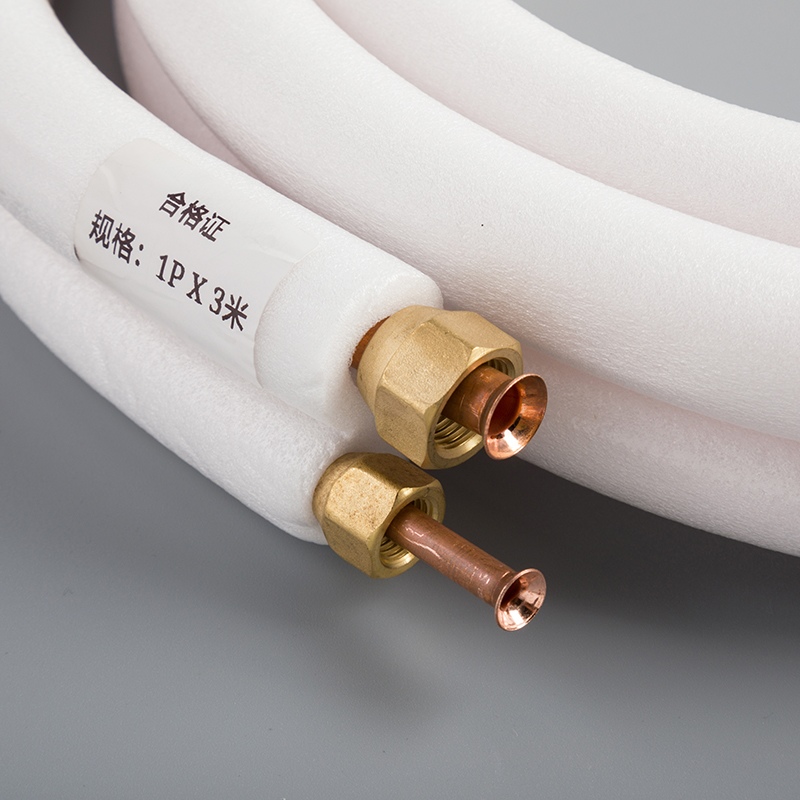
An HVAC line set for contractors and builders is an important part of HVAC systems. It consists of copper pipes that move refrigerant between indoor and outdoor units, helping the system heat and cool efficiently. The pipes include a liquid line and a suction line, with each pipe having a specific job to keep the system working well.
HVAC line sets for contractors and builders are crucial in construction. The construction industry worldwide is growing, reaching over 11 trillion dollars in 2023. Reliable HVAC systems are needed more than ever, especially as energy use for air conditioning may triple by 2050. Line sets play a significant role in making systems work efficiently. Installing them correctly saves energy and improves system performance. Therefore, builders and contractors must choose the right HVAC line set for lasting reliability and lower costs.
Key Takeaways
HVAC line sets move refrigerant between indoor and outdoor units.
They help with heating and cooling efficiently.
Installing line sets correctly saves energy and boosts performance.
This also lowers repair costs in the future.
Insulation is important to stop heat gain or loss.
It keeps the refrigerant at the right temperature to work well.
Check for leaks and worn insulation regularly to avoid problems.
This keeps HVAC systems working well and saves energy.
Picking the right size and type of line set is key.
Pre-insulated line sets make installation quicker and easier.
What is an HVAC Line Set?
Definition and purpose of a line set
A line set is an important part of HVAC systems. It has two copper pipes that move refrigerant between indoor and outdoor units. These pipes are called the liquid line and suction line. The liquid line carries refrigerant from the outdoor unit to the indoor unit. The suction line sends refrigerant gas back to the outdoor unit. This setup keeps the system working to heat and cool spaces.
Installing the line set correctly is very important for efficiency. If the refrigerant lines are not installed properly, the system may use more energy and work poorly. Insulation is also needed to stop heat from affecting the refrigerant. This helps the system run better and saves energy.
Role in connecting HVAC components
The line set connects the indoor and outdoor units of the HVAC system. It helps move refrigerant for heating and cooling. The suction line carries cooled refrigerant to the outdoor unit. The liquid line brings heated refrigerant back to the indoor unit. This connection is key to keeping the system reliable and efficient.
When installed correctly, the line set allows refrigerant to flow smoothly. This flow helps the system heat or cool spaces effectively. Reports show that good installation improves performance and reduces problems. For example:
Sealed refrigerant lines in heat pumps lowered maintenance issues.
Poorly installed lines caused leaks and balancing problems.
Upgraded systems with better lines saved 30% on heating costs.
Why it matters for contractors and builders
For contractors and builders, the quality of line sets affects HVAC system performance. A well-installed line set prevents leaks and insulation problems. These issues can raise energy costs and lead to expensive repairs.
Building codes now require protecting line sets to improve energy efficiency. Insulation stops heat from the sun from affecting the refrigerant. Contractors and builders should choose strong line sets and follow installation rules. This improves system reliability, saves energy, and helps the environment.
Tip: Pick a refrigerant line set that fits your HVAC system. Proper size and insulation make a big difference in saving energy and money.
Components of a Refrigerant Line Set
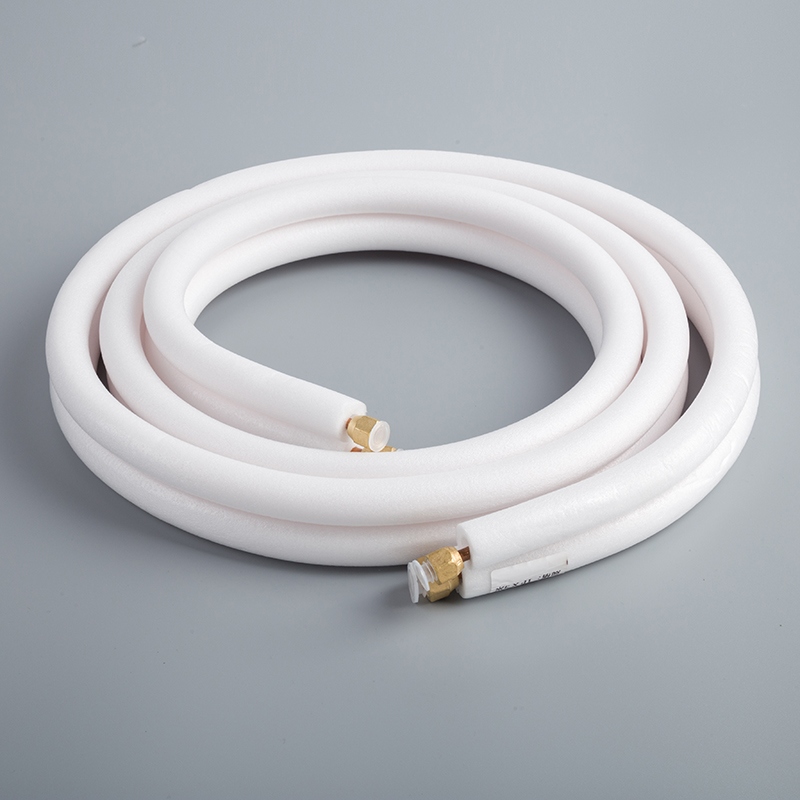
The liquid line and its function
The liquid line is an important part of HVAC systems. It moves liquid refrigerant from the outdoor unit to the indoor unit. This helps the refrigerant absorb heat and cool your space. The liquid line must stay at the right temperature and pressure to work well.
Performance checks show how it works:
The liquid line’s temperature should be about 95°F.
Smooth refrigerant flow avoids problems and keeps the system running.
A good liquid line saves energy and makes the system reliable. When installing copper lines, make sure the liquid line is the right size. Add insulation to stop heat from affecting the refrigerant. This improves how the system works.
The suction line and its function
The suction line moves refrigerant gas back to the outdoor unit. It does this after the refrigerant absorbs heat inside. This process keeps the cooling cycle going. The suction line must return refrigerant at the right pressure and temperature.
Studies show why the suction line is important:
Shorter suction lines use less energy and work better.
Insulation stops heat from slowing down the refrigerant.
Following rules like the ACCA Manual RS ensures proper setup.
When installing refrigerant lines, keep the suction line short and insulated. This avoids energy loss and keeps the system working well.
Importance of insulation in line sets
Insulation is very important for refrigerant lines. It stops heat from affecting the refrigerant. Without insulation, the refrigerant won’t cool or heat as it should.
Insulated lines also stop condensation, which can cause damage. For example:
Insulating suction lines keeps refrigerant flow steady by stopping heat gain.
Insulating liquid lines keeps the refrigerant at the right temperature.
When installing copper lines, use good insulation materials. This saves energy, reduces damage, and helps your HVAC system last longer.
Importance of Line Sets in HVAC Systems
Refrigerant transportation and energy efficiency
The line set is key for moving refrigerant in HVAC systems. It connects indoor and outdoor units to heat or cool spaces. Without it, refrigerant can't flow properly, and the system won't work well.
Most line sets are made of strong copper pipes. Copper resists rust, making it last longer. Insulation on the pipes stops heat from changing the refrigerant's temperature. Here's why this matters:
Smooth refrigerant flow keeps heating and cooling steady.
Good installation saves energy and lowers utility bills.
Strong materials reduce leaks that can harm the system.
Choosing the right line set improves energy use and system reliability. It helps your HVAC system work better for many years.
Pressure regulation and system reliability
Line sets help keep the right pressure in HVAC systems. Refrigerant needs specific pressure to heat or cool spaces. If the pressure is wrong, the system may not work well.
A well-installed line set keeps pressure steady. This helps refrigerant move smoothly and protects system parts. For example:
Balanced pressure in heat pumps improves heating in winter.
Correct pressure makes air conditioners reliable during hot summers.
By keeping pressure stable, line sets make HVAC systems last longer. This means fewer repairs and a more comfortable home.
Long-term impact on HVAC performance
Line sets affect how well HVAC systems work over time. Bad installation or damage can cause leaks and waste energy. This lowers system efficiency and raises costs.
High-quality line sets with good insulation improve performance for years. They keep refrigerant at the right temperature and pressure. This saves energy and reduces wear on system parts.
Investing in a good line set helps your HVAC system stay efficient and reliable. It ensures your heating and cooling systems work well for a long time.
Tip: Check your line set often for damage or wear. Fixing problems early avoids big repairs and keeps your system running smoothly.
Types of Line Sets and Their Relevance in Construction
Common materials used in line sets
The materials in a line set affect how well it works. Copper tubing is popular because it resists rust and handles high pressure. HVAC systems use seamless copper tubes made to exact standards, like the C12200 grade. This ensures they are strong and last a long time.
Insulation also helps a line set work better. Elastomeric insulation, often with UV protection, is widely used. It meets ASTM C534 standards for flexible insulation and has a low water vapor rate of 0.10 perm-inch. It also meets safety rules for flame spread and smoke ratings during use.
Material Type | Specification Details |
|---|---|
Copper Tube | C12200 grade of copper |
Insulation | Elastomeric or coated elastomeric material; UV retardant added for elastomeric insulation. |
Pre-insulated vs. non-insulated line sets
You can choose pre-insulated or non-insulated line sets. Pre-insulated ones come with factory-installed insulation. They save time and ensure good insulation quality. These are great for fast and efficient projects.
Non-insulated line sets need insulation added during installation. This option allows customization but takes more effort. Badly applied insulation can waste energy and make refrigerant less effective. Pre-insulated line sets often keep refrigerant temperature steady and stop condensation better.
Tip: Pre-insulated line sets save time and improve system performance.
Choosing the right line set for construction projects
Picking the right line set depends on several things. The size must match the HVAC system for proper refrigerant flow. Bigger buildings may need longer or thicker line sets.
Good insulation is also very important. It saves energy and protects the HVAC system from wear. Budget and energy goals should guide your choice. Pre-insulated line sets cost more upfront but save money later by lowering energy bills.
Note: Think about air quality and existing systems when choosing a line set. These affect how well the system works and how easy it is to install.
Installation of HVAC Line Sets
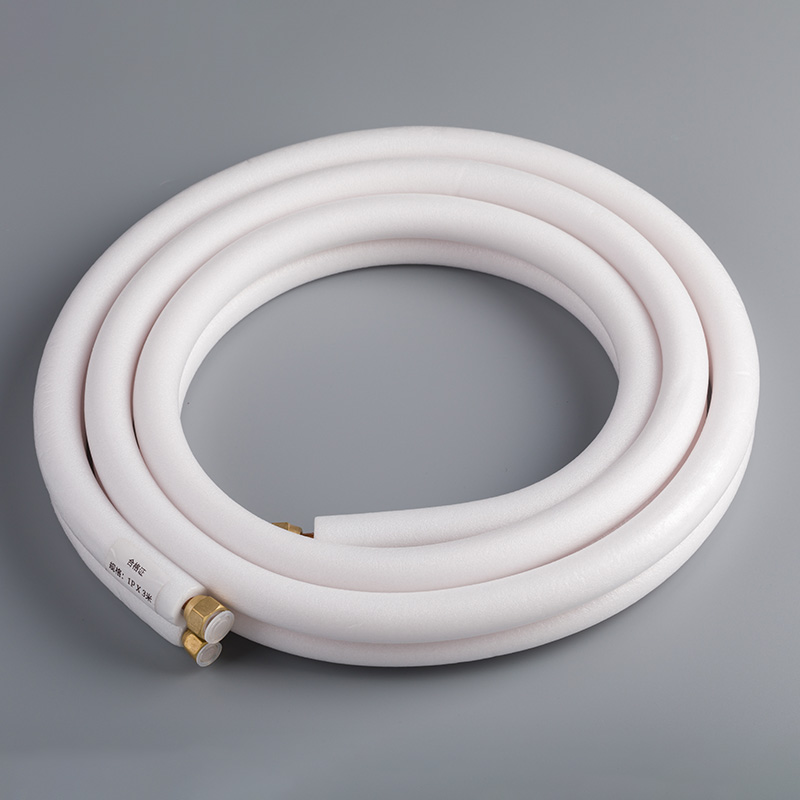
Key steps in the installation process
Installing HVAC line sets needs careful planning to work well. Following the right steps makes the job easier and avoids mistakes. Here’s a simple guide:
Make sure the site is flat and ready for work.
Check electrical and plumbing needs follow local rules.
Secure the outdoor unit so it stays level.
Place the line set carefully, avoiding sharp turns or blocks.
Install the indoor unit where airflow works best.
Use dry nitrogen to clean the refrigerant lines from dirt.
Test the system for 20 minutes to check it works.
Each step is important for a good installation. Doing it right helps refrigerant move smoothly, keeps the system efficient, and stops leaks.
Proper sizing and insulation techniques
Getting the right size and insulation is very important. The line set must match the HVAC system to work properly. If it’s the wrong size, the system may waste energy and not work well.
Insulation keeps the refrigerant safe from outside heat or cold. Use strong materials like elastomeric insulation to stop heat changes. Cover both suction and liquid lines to avoid condensation and damage.
When placing the line set, keep it short and avoid sharp turns. Shorter lines save energy and keep pressure steady. Good insulation improves how the system works and helps it last longer.
Testing for leaks and ensuring system integrity
Checking for leaks is a key part of installing line sets. Leaks can make the system less effective, raise energy bills, and harm the environment. Use trusted methods to find and fix leaks during setup.
Check seals in refrigerant lines and ducts.
Use pressure tests or detectors to find refrigerant leaks.
Inspect seals in parts like compressors and coils.
Measure airflow to spot leaks in vents.
Leak testing keeps the system safe and efficient. Regular checks during installation stop future problems and keep the system reliable.
Tip: Always follow leak-checking rules to protect your HVAC system and save energy.
Common Problems with Line Sets and How to Avoid Them
Why Refrigerant Leaks Happen and How to Stop Them
Refrigerant leaks are a frequent problem in HVAC systems. They happen because of loose parts, poor upkeep, or old equipment. When refrigerant leaks, the system works harder and uses more energy.
You can stop leaks by checking your system often. Look for loose parts or broken seals during inspections. Use tools like pressure tests or leak detectors to find problems early. For example:
Stores like supermarkets lose up to 25% of refrigerant yearly.
Regular checks can lower leaks and save refrigerant.
Store Type | Refrigerant Type | Leak Detection Rate | Notes |
|---|---|---|---|
Walmart | HFCs | 57% | Common industry issue |
Other Stores | HFCs | 55% | Frequent problem |
All Companies | HFCs | 57% | Big environmental impact |
Fixing leaks early keeps your HVAC system efficient and reliable.
How Insulation Problems Affect HVAC Systems
Bad insulation makes HVAC systems work poorly. Without good insulation, refrigerant lines lose or gain heat. This makes it harder to keep indoor spaces comfortable.
Good insulation helps in many ways:
It stops heat from moving into refrigerant lines.
It keeps indoor temperatures steady and prevents drafts.
It lowers energy use by reducing strain on the system.
It helps the system last longer by avoiding damage.
Always check insulation when installing or fixing line sets. Using strong materials saves energy and keeps your system working well.
Tips to Keep Line Sets Working for Years
Taking care of line sets regularly avoids big problems later. Small issues like worn insulation or loose parts can cause major damage if ignored. Plan regular check-ups to keep your system in good shape.
Modern maintenance uses real-time data to predict problems. This method finds issues early and fixes them before they get worse. It also saves energy and extends the life of HVAC parts. For example:
Watching system data helps spot problems early.
Improving operations makes the system use less energy.
Fixing small issues keeps equipment working longer.
Using these tips ensures your HVAC system stays reliable and efficient for years.
HVAC line sets are important for linking system parts together. They help refrigerant move smoothly, which affects how well the system works and uses energy. Using strong materials and installing them correctly makes the system more reliable and lowers future costs. Regular check-ups stop problems like leaks or bad insulation, keeping the system working well for a long time.
Tip: Check your line sets often to find issues early. This easy task saves energy and helps your HVAC system last longer.
FAQ
What size should an HVAC line set be?
The size depends on your HVAC system's power. Most home systems use a 3/4-inch suction line and a 3/8-inch liquid line. Always check the manufacturer's guide for the correct size.
Can old line sets be reused for new systems?
You can reuse old line sets, but they must be cleaned well. Dirt or debris from the old system can harm the new one. If the line set is damaged or doesn’t match, it’s better to replace it.
How often should HVAC line sets be checked?
Check line sets at least once every year. Look for leaks, worn parts, or damaged insulation. Regular checks keep the system working well and avoid expensive fixes.
What materials work best for HVAC line sets?
Copper is the top choice because it’s strong and resists rust. Use high-quality copper with good insulation for long-lasting performance.
Why does insulation matter for HVAC line sets?
Insulation stops heat from affecting refrigerant temperatures. It also saves energy and prevents condensation, which can cause damage over time.
Tip: Use the best insulation to save energy and keep your system reliable.
See Also
Transforming HVAC Systems with Insulated Copper Pipe Coils
Key Safety Tips for Installing Copper Pipe Coils
Exploring the Role of Copper Tubing in AC Systems

© Copyright 2024 Dongguan Baoyuan Refrigeration Parts Co.,Ltd - All Rights Reserved.
