How to Prevent Frozen Air Conditioner Copper Pipes

Frozen air conditioner copper pipes can disrupt your cooling system and cause expensive repairs. Ice buildup often signals underlying issues like poor airflow or low refrigerant. Addressing these problems early prevents damage and ensures efficient cooling. With proper care, you can avoid the hassle of dealing with air conditioner copper pipe frozen problems.
Key Takeaways
Check refrigerant levels often to stop ice on pipes. This helps your air conditioner work well.
Clean air filters and change them every 1-3 months. Clean filters help airflow and stop pipes from freezing.
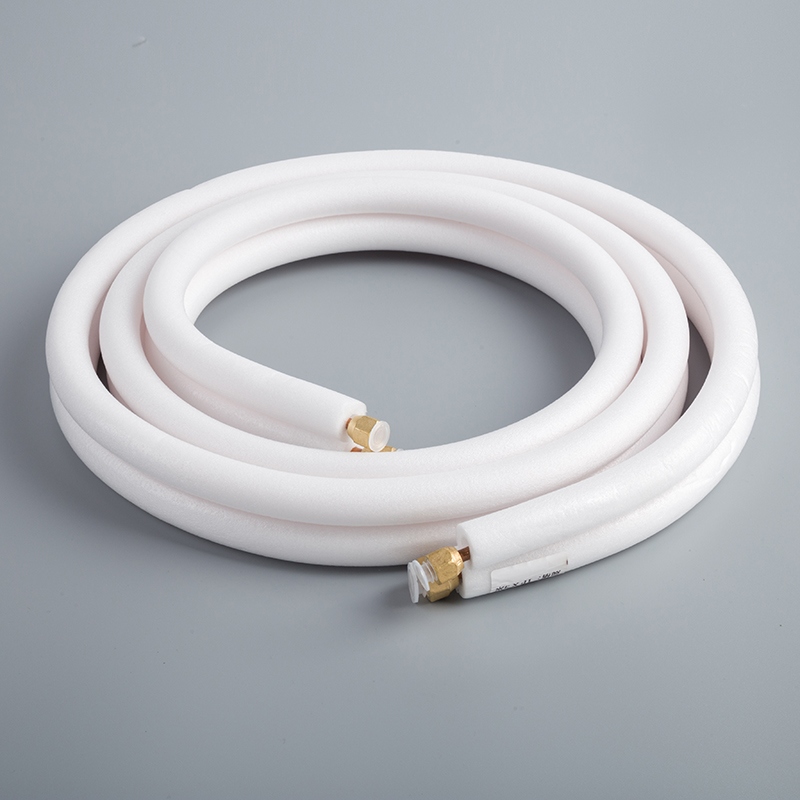
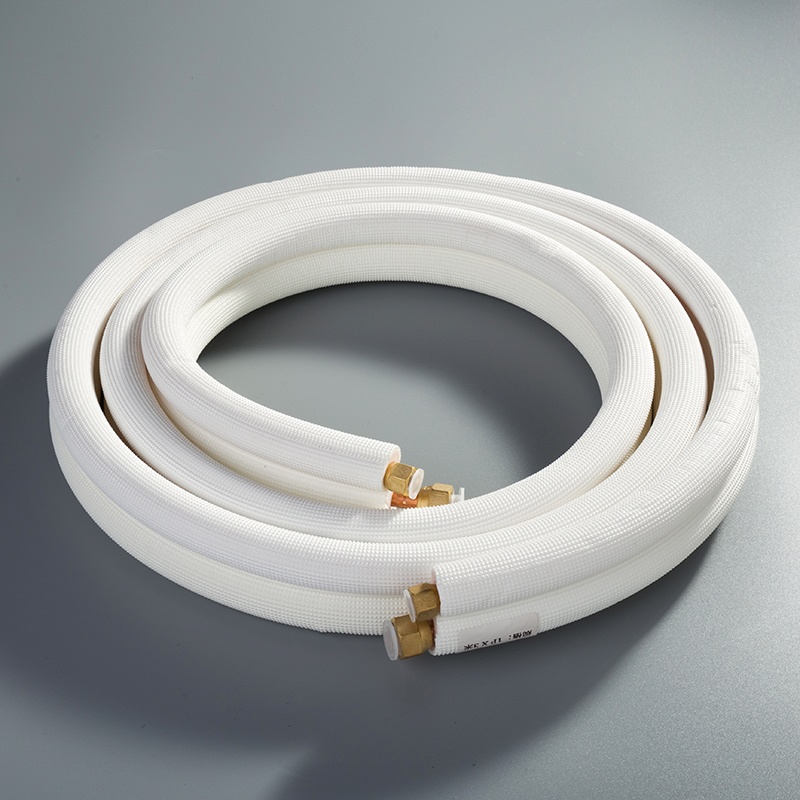
Cover copper pipes with rubber foam or similar materials. Insulation stops water drops and keeps pipes from freezing.
Causes of Air Conditioner Copper Pipe Frozen
Low Refrigerant Levels
Low refrigerant levels can cause your air conditioner to function inefficiently. When refrigerant levels drop, the system struggles to absorb heat, leading to ice formation on the copper pipes. You might notice longer cooling times or reduced airflow from vents. These are clear signs of low refrigerant levels.
Several factors can lead to refrigerant leaks. Corrosion from water or acids can damage copper lines. Improper installation or loose connections may also cause leaks. Even accidental punctures from tools or animals can harm refrigerant lines. Regular maintenance helps you notice low refrigerant levels early and prevents frozen pipes.
Poor Airflow in the System
Poor airflow is another common cause of frozen air conditioner lines. Blocked vents, dirty filters, or leaky ducts can restrict airflow. A blocked condenser or a faulty blower motor can also reduce airflow. When airflow decreases, the evaporator coil may freeze, causing ice to form on the pipes.
Keeping vents open and replacing clogged air filters regularly ensures proper airflow. Addressing these issues promptly prevents frozen pipes and keeps your system running efficiently.
Dirty or Clogged Air Filters
A clogged air filter can obstruct airflow, forcing your system to work harder. This can lead to low airflow and frozen pipes. Dirty filters also reduce cooling efficiency and increase energy consumption.
Replacing air filters every one to three months is a simple yet effective way to avoid this problem. Clean filters improve airflow and prevent ice buildup on your air conditioner’s copper pipes.
Malfunctioning Thermostat or Components
A malfunctioning thermostat can disrupt your air conditioner’s operation. If the thermostat fails to regulate temperature properly, the system may overcool, leading to frozen pipes. Signs of a faulty thermostat include unresponsive controls, inconsistent temperatures, or continuous operation of the unit.
Regularly checking your thermostat and replacing old or damaged components ensures your system functions correctly. This prevents frozen air conditioner lines and maintains consistent cooling.
Lack of Pipe Insulation
Uninsulated copper pipes are more prone to freezing, especially in colder environments. Proper insulation prevents condensation and ice formation. Materials like rubber foam, polyethylene foam, and elastomeric rubber are excellent choices for insulating copper pipes. These materials are flexible, durable, and effective in extreme temperatures.
Investing in quality insulation protects your pipes and enhances your air conditioner’s efficiency. This simple step can save you from costly repairs caused by frozen pipes.
Preventative Measures to Avoid Ice on Air Conditioner Pipe
Regularly Check and Maintain Refrigerant Levels
Maintaining proper refrigerant levels is crucial to prevent frozen pipes. Follow these steps to check refrigerant levels safely:
Turn off and unplug your air conditioner to avoid electrical hazards.
Locate the suction and liquid line service valves on your unit.
Attach refrigerant gauges to the valves correctly.
Turn on the air conditioner and observe the pressure readings after a few minutes.
Compare the readings with the manufacturer’s recommendations.
Contact a professional HVAC technician if you suspect low refrigerant levels.
These steps ensure your system operates efficiently and reduces the risk of ice on air conditioner pipe.
Improve Airflow by Cleaning or Replacing Filters
Clean filters improve airflow and prevent frozen air conditioner lines. When you examine AC filter conditions regularly, you avoid low airflow issues. Benefits of clean filters include:
Consistent temperature control for better comfort.
Reduced wear and tear on components, extending their lifespan.
Lower energy bills due to improved efficiency.
Replace filters every one to three months to maintain proper airflow.
Schedule Routine HVAC Maintenance
Routine maintenance helps identify issues like dirty coil buildup or exposed pipes. A professional technician can clean components, check refrigerant levels, and ensure your system runs smoothly.
Insulate Copper Pipes to Prevent Freezing
Insulating exposed pipes reduces the risk of frozen pipes. Insulation maintains refrigerant temperature, minimizes thermal exchange, and prevents condensation. Use materials like rubber foam or polyethylene foam for effective insulation.
Monitor Thermostat Settings and Avoid Low Temperatures
Set your thermostat to a moderate temperature to prevent frozen water pipes. Avoid setting it too low, especially during cooler weather.
Keep Air Vents Open and Unobstructed
Check AC vents regularly to ensure they remain open and free from obstructions. This promotes proper airflow and prevents frozen air conditioner lines.
Clean Evaporator and Condenser Coils
Dirty coils restrict airflow and reduce efficiency. Clean these coils during routine maintenance to prevent frozen pipes and improve cooling performance.
Troubleshooting Frozen Pipes
Turn Off the Air Conditioner Immediately
When you notice frozen pipes, your first step should be to turn off the air conditioner. Running the system with ice on air conditioner pipe can damage components and worsen the issue. Shutting it down allows the system to defrost safely.
Inspect the System for Ice on Air Conditioner Pipe
After turning off the unit, inspect the copper pipes and surrounding areas for ice buildup. Look for frost or thick layers of ice on the exposed pipes. This visual check helps you confirm the extent of the freezing and identify any potential blockages in the system.
Allow the Pipes to Thaw the Ice Naturally
Let the frozen pipes thaw naturally. The thawing process can take anywhere from one hour to over a day, depending on the severity of the ice buildup. Avoid using heat sources like hairdryers, as they can damage the pipes. Patience is key to safely thaw frozen pipes without causing further harm.
Check for Underlying Issues Like Airflow or Refrigerant
Once the ice has melted, investigate the root cause of the freezing. Common issues include insufficient airflow, low refrigerant levels, or dirty coils. Inspect the air filter for clogs and replace it if necessary. Ensure all vents are open and unobstructed. If you suspect a refrigerant leak, contact a professional to address the problem.
Restart the System and Monitor Performance
After resolving the underlying issues, restart your air conditioner. Monitor its performance closely. Check for consistent cooling and ensure the pipes remain ice-free. If the problem persists, schedule a professional inspection to prevent further damage.
Tip: Regular maintenance and cleaning of exposed pipes, filters, and coils can help you avoid frozen pipes in the future.
When to Call a Professional for Frozen Pipes
Persistent Freezing Despite Preventative Measures
If your air conditioner copper pipe frozen issue persists despite following preventative steps, it’s time to hire an AC professional. Persistent freezing often indicates deeper problems that require expert attention. You might notice frequent ice on air conditioner pipe surfaces or recurring frozen pipes even after cleaning filters, insulating pipes, and maintaining refrigerant levels.
Tip: Ignoring persistent freezing can lead to more severe issues, such as a burst pipe or permanent damage to your system.
Signs of Refrigerant Leaks or System Damage
A refrigerant leak or system damage can cause frozen pipes and other performance issues. Watch for these warning signs:
Warm air blowing from vents
Ice building up on the refrigerant line
Higher electricity bills
Unusual noises like hissing or bubbling
Increased humidity or exhaust-like smells
These symptoms suggest your system isn’t functioning properly. A professional can diagnose and repair refrigerant leaks or other damage to prevent frozen water pipes and ensure efficient cooling.
Unusual Noises or Inefficient Cooling
Unusual noises, such as grinding or rattling, often signal mechanical issues. Inefficient cooling, like longer times to cool your home or uneven temperatures, may also indicate underlying problems. These issues can worsen over time, leading to frozen pipes or system failure. Calling a professional ensures these problems are addressed before they escalate.
Regular Maintenance and Inspections
Scheduling regular maintenance helps prevent frozen pipes and extends the life of your air conditioner. Professionals inspect refrigerant levels, clean coils, and check for leaks or damage. They also ensure proper insulation and airflow, reducing the risk of ice buildup. Investing in routine inspections saves you from costly repairs and keeps your system running efficiently.
Note: Regular maintenance is a proactive way to prevent frozen pipes and avoid unexpected breakdowns during peak cooling seasons.
Preventing frozen pipes in your air conditioner starts with regular maintenance and proper insulation. Addressing issues like low refrigerant and poor airflow improves efficiency and reduces the risk of frozen water pipes. Proactive care offers long-term benefits, such as extending your system’s lifespan, improving energy efficiency, and avoiding costly breakdowns. If frozen pipes persist, seek help from a professional to ensure your system operates smoothly.
Tip: Clean filters and ducts regularly to enhance airflow and prevent frozen pipes.
FAQ
What should you do if your air conditioner pipes freeze frequently?
Inspect for airflow issues, refrigerant leaks, or dirty filters. If the problem persists, contact an HVAC professional for a thorough system evaluation.
How often should you replace air filters to prevent frozen pipes?
Replace air filters every one to three months. This ensures proper airflow, reduces strain on the system, and prevents ice buildup on copper pipes.
Can you use any material to insulate copper pipes?
No, use materials like rubber foam or polyethylene foam. These materials effectively prevent condensation and ice formation, ensuring your pipes stay protected.
Tip: Regular maintenance and proper insulation are key to avoiding frozen air conditioner pipes.
See Also
Enhance Air Conditioning Efficiency Using Copper Pipe Insulation
The Impact of Pure Copper Pipes on Air Conditioning
Discover the Cooling Benefits of Pure Copper Pipes

© Copyright 2024 Dongguan Baoyuan Refrigeration Parts Co.,Ltd - All Rights Reserved.
