What Are Refrigeration Copper Pipes and Their Role in HVAC Systems

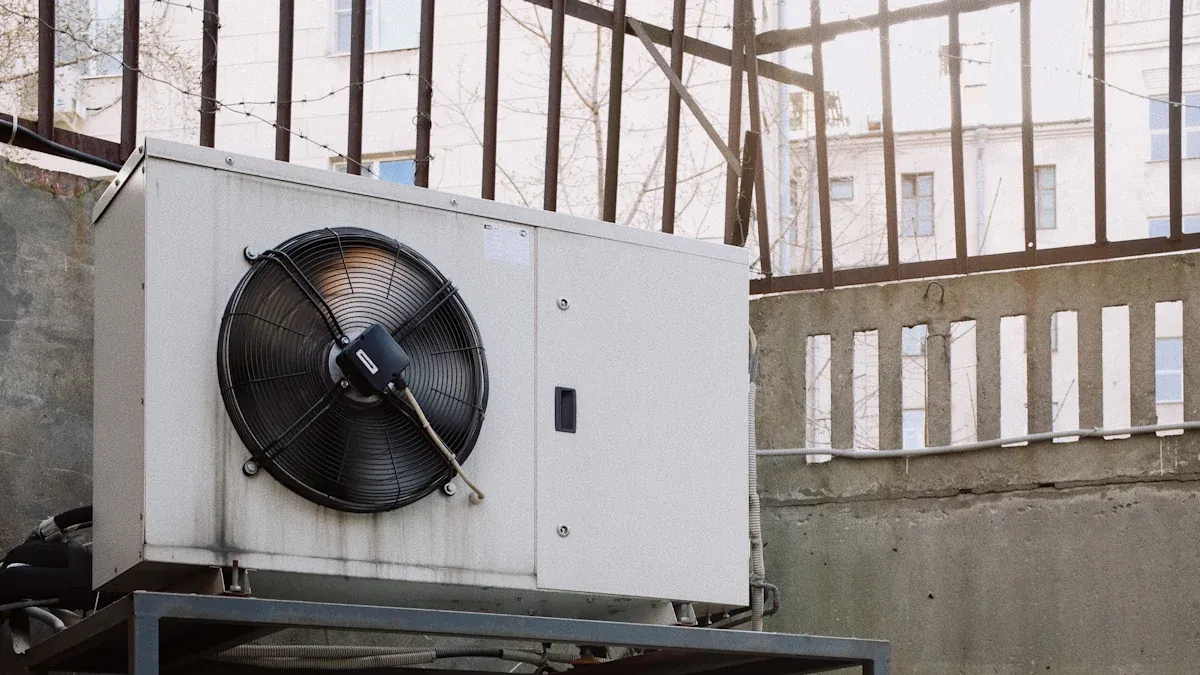
Refrigeration copper pipes are important in HVAC systems. They help systems work smoothly and reliably. These pipes carry refrigerants, moving heat between inside and outside spaces. Copper's great heat transfer ability keeps temperatures steady and improves system performance.
Using copper pipes in these systems has clear benefits. For example:
Changing pipe size from 3/8 inch to 7 mm lowers weight by 31%.
Reducing it further to 5 mm cuts weight by 46%.
Smaller pipes use less refrigerant, saving money and improving efficiency.
This efficiency brings both cost and environmental benefits. Copper pipes are essential in today's HVAC systems.
Key Takeaways
Copper pipes are key parts of HVAC systems. They move heat well and boost performance.
These pipes are strong and do not rust. They last 50 to 80 years, saving on repairs.
Adding insulation to copper pipes stops heat loss. This helps save energy and lowers bills.
Copper pipes work with new and old refrigerants. They keep systems running smoothly.
Picking the right copper pipe for system needs and pressure is important for best results.
Why Copper is Perfect for HVAC Systems
Great at Moving Heat
Copper is one of the best materials for moving heat. It works well in HVAC systems to keep temperatures steady. Copper's ability to transfer heat is almost as good as silver. It is much better than metals like aluminium or stainless steel.
Metal | Thermal Conductivity (Btu/(hr-ft-F)) |
|---|---|
Silver | 247.87 |
Copper | 231 |
Gold | 183 |
Aluminium | 136 |
Yellow Brass | 69.33 |
Cast Iron | 46.33 |
Stainless Steel | 8.1 |
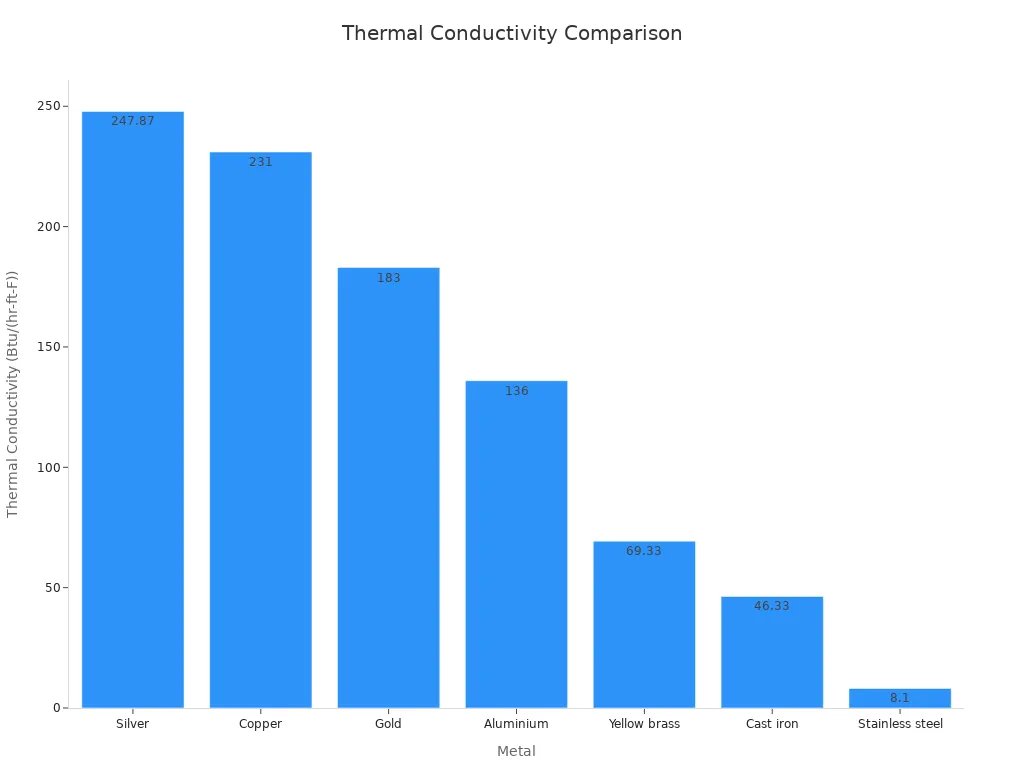
Copper pipes move heat quickly and evenly. This helps HVAC systems work better. For example, in fridges, copper keeps temperatures steady. This makes the system run smoothly and saves energy.
Strong and Long-Lasting
Copper is tough and lasts a long time in HVAC systems. It doesn’t rust easily because it forms a protective layer. This layer stops damage from air and water. Copper pipes can last 50 to 80 years, depending on water and air quality.
Evidence Description | Key Points |
|---|---|
Lifespan of Copper Pipes | Copper pipes last 50 to 80 years, depending on conditions. |
Rust Protection | Copper creates a layer that stops rust and damage. |
Handles High Pressure | Wrot copper can handle four times more pressure than Type L copper. |
Copper pipes don’t leak easily, even with changes in temperature or moisture. This strength means fewer repairs and longer-lasting systems.
Good for the Environment
Copper is eco-friendly and can be reused forever. Recycling copper doesn’t change its quality. Most copper products have over 30% recycled material. Around nine million tonnes of copper are recycled every year.
Copper can be reused forever without losing quality.
Most copper items have over 30% recycled material.
About nine million tonnes of copper are recycled yearly.
Copper also stops mould from growing, which improves air quality. Using copper pipes helps the planet and keeps your home or office air cleaner.
Types of Refrigeration Copper Pipes in HVAC Systems
When choosing copper pipes for HVAC systems, there are different types. Each type is made for specific uses and has unique features. Let’s look at the most common ones.
Type K, L, and M Copper Pipes
The main types of copper pipes are K, L, and M. They differ in wall thickness and how they are used.
Type | Features | Uses |
|---|---|---|
K | Thick walls, handles high pressure, resists rust | Special air conditioning, underground systems |
L | Medium-thick walls, strong, resists rust | Popular for homes and businesses |
M | Thin walls, light, cheaper | Low-pressure home systems, not for high pressure |
Type K pipes are very strong and handle high pressure well. They are used in underground systems and special air conditioning setups. Type L pipes are strong and affordable, making them great for homes and businesses. Type M pipes are cheaper but only work for low-pressure systems.
Coiled and Flexible Copper Pipes
Coiled and flexible copper pipes are very useful in HVAC systems. They are great for tight spaces or tricky layouts. These pipes can bend without breaking or losing strength.
You’ll often find coiled pipes in refrigeration systems. Their flexibility makes installation easier. Flexible pipes also need fewer fittings, which means fewer leaks. This saves time and makes the system more reliable.
Insulated Copper Pipes for Specific Applications
In some HVAC systems, insulated copper pipes are a must. These pipes have a layer of insulation to stop heat loss or gain. This helps the system work better and saves energy.
Insulated pipes also stop condensation from forming on the outside. This protects the system from rust and mould. Using insulated pipes improves efficiency and makes the system last longer.
Benefits of Refrigerant Copper Pipes in Air Conditioning and Refrigeration
Energy Efficiency and Cost Savings
Copper pipes help air conditioners and fridges use less energy. They transfer heat well, making systems work more efficiently. This lowers energy use and reduces electricity bills.
Adding insulation to copper pipes improves efficiency even more. It stops heat from escaping or entering, keeping temperatures steady. For example:
New chillers without CFCs are 30-40% more efficient.
Central chillers can save 15-35% on energy costs.
Using the right-sized chiller cuts energy use by up to 50%.
Choosing copper pipes saves money and helps protect the environment.
Compatibility with Modern Refrigerants
Modern cooling systems use advanced refrigerants to meet green standards. Copper pipes work well with these refrigerants, ensuring smooth operation. Copper is strong and resists rust, making it perfect for both old and new refrigerants.
This makes copper pipes essential for efficient cooling systems. Whether using R-410A, R-32, or other refrigerants, copper ensures reliable performance.
Ease of Installation and Maintenance
Copper pipes are easy to install and maintain. They bend easily, needing fewer joints and connectors. This speeds up installation and reduces the chance of leaks.
Maintaining copper pipes is simple. Check for cracks or discolouration regularly. Clean pipes with mild cleaners to prevent clogs and rust. Lubricate parts to keep them working smoothly. Routine checks by a technician can catch problems early, extending system life.
Copper pipes are a reliable and cost-effective choice for cooling systems.
Picking the Best Refrigeration Copper Pipe for HVAC Systems
Checking System Needs and Pressure Limits
Choosing the right copper pipe starts with knowing your system's needs. Think about pressure limits and temperature changes. Copper pipes grow and shrink with heat changes. For example, copper expands 0.0000094 inches per inch for every degree Fahrenheit. You must plan for this to stop pipes from bending or breaking.
Pressure strength is also important. A 1-inch soft copper pipe can handle up to 700 pounds of pressure. This is before it shrinks to 75% of its size. This makes copper pipes a strong choice for high-pressure systems. By checking these details, you can keep refrigerant flowing well and your system working smoothly.
Thinking About Refrigerants and Environment
The refrigerant type in your system affects your pipe choice. New refrigerants like R-410A and R-32 need pipes that resist rust and stay strong under pressure. Copper pipes are great for this, working well with both old and new refrigerants.
The environment also matters. If your system is in a wet or rusty area, insulated copper pipes help. They stop rust and water drops from forming. This makes your system last longer and keeps refrigerant moving properly.
Balancing Quality and Cost
It’s important to balance good quality with your budget. Better pipes might cost more at first but save money later. They need less fixing and use less energy. Doing a cost check can help you decide wisely.
Factor | Details |
|---|---|
Starting Costs | Look at how much the project will cost to start. |
Running Costs | Check the money needed to keep the system running. |
Income Predictions | Guess how much money the pipes will help you earn. |
Profit Check | See if the project will make enough money to be worth it. |
Payback Time | Find out how long it takes to get back your starting costs. |
Long-Term Value | Check if the project will be good for money in the future. |
Risk Test | See how changes in costs or income might affect your project. |
By thinking about these points, you can pick pipes that work well and fit your budget. This way, your HVAC system will run well without costing too much.
Refrigeration copper pipes are key parts of HVAC systems. They move heat well, helping systems work better and save energy. These pipes are strong and don’t rust easily, lasting a long time. Copper works with new refrigerants and is good for the environment. Picking the right copper pipe keeps your HVAC system running smoothly for many years.
FAQ
Why are copper pipes better for HVAC systems?
Copper pipes are great because they move heat quickly. They are strong and don’t rust easily. Copper works with new refrigerants and can be recycled. These features make HVAC systems work well and last longer.
Can old copper pipes be reused?
Yes, old copper pipes can be reused. Copper keeps its quality even after recycling. Reusing pipes helps the environment by reducing waste. But always check if the pipes are still in good shape for your new system.
Tip: Look for cracks or damage in reused pipes before using them.
How do you take care of copper pipes?
To keep copper pipes working well, check for leaks often. Clean them with gentle solutions and look for cracks or colour changes. Lubricate moving parts and get a professional to inspect them regularly. Good care makes copper pipes last longer.
Can copper pipes work with all refrigerants?
Copper pipes are suitable for most refrigerants, including modern eco-friendly ones like R-410A and R-32. They are strong and resist rust, making them reliable for different HVAC systems.
Do insulated copper pipes save energy?
Yes, insulated copper pipes stop heat from escaping or entering. This keeps temperatures steady and saves energy. Insulation also stops water drops from forming, which prevents rust and mould. This makes the system last longer.
Note: Insulated pipes are very helpful in wet or very hot places.
See Also
Key Benefits Of Copper Pipes In Air Conditioning Systems
The Impact Of Pure Copper Pipes On Air Conditioning
The Importance Of Pure Copper Pipes For Air Conditioning
Reasons To Opt For Copper Pipes In Air Conditioning
Explore Five Ways Pure Copper Pipes Transform Air Conditioning

© Copyright 2024 Dongguan Baoyuan Refrigeration Parts Co.,Ltd - All Rights Reserved.
