Step-by-Step Guide to Replace Copper Pipe Insulation for AC

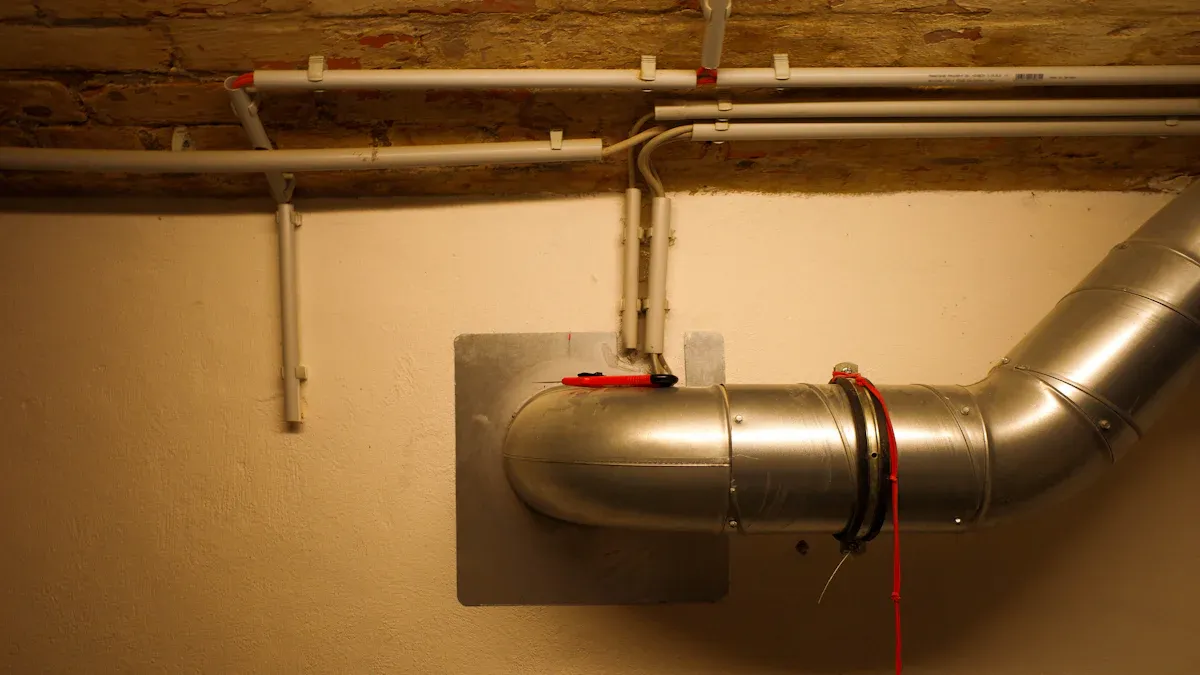
Have you noticed your AC struggling to cool your home? Worn-out or broken copper pipe insulation for air conditioner systems could be the issue. Replacing copper pipe insulation for AC systems is crucial. It helps save energy and prevents moisture problems. Without proper insulation, water can accumulate and lead to damage. This can also increase your energy bills. By upgrading the insulation, your AC will operate more efficiently, and it will safeguard your home from costly repairs.
Key Takeaways
Changing old copper pipe insulation helps AC work better and saves money.
Check for cracks, water drops, or high bills to see if it needs replacing.
Use tools like a knife and tape measure to replace insulation easily.
Pick good materials like foam or rubber to save energy and stop moisture problems.
Check and care for insulation often to make it last longer and keep your AC working well.
Importance of Copper Pipe Insulation for Air Conditioner
Benefits of Proper Air Conditioner Pipe Insulation
Good insulation for AC pipes does more than protect them. It helps your AC work better and lowers energy costs. Insulating the pipes stops heat from entering the refrigerant lines. This means your AC doesn’t have to work as hard.
Another important benefit is stopping moisture problems. Without insulation, water can form on the suction pipe. Over time, this might cause water damage or even mold. Insulation blocks this, keeping your home safe.
Finally, proper insulation makes your AC last longer. It reduces wear and tear, so your unit stays in good shape. This means fewer repairs and replacements for you.
Signs Your Air Conditioning Insulation Needs Replacement
Not sure if your AC insulation needs replacing? Look for these signs:
Cracks or Tears: Damaged insulation won’t protect your pipes properly.
Condensation Buildup: Water drops on pipes mean the insulation isn’t working.
Higher Energy Bills: If your AC runs longer, poor insulation could be why.
Visible Gaps: Gaps in insulation let heat in, making your AC less effective.
Tip: Check your AC pipe insulation often to spot problems early. Fixing it quickly can prevent bigger issues later.
By fixing these problems, your AC will work better, and your home will stay comfy.
Tools and Materials for Replacing Copper Pipe Insulation
Essential Tools for the Job
Before starting, gather all the tools you’ll need. Having the right tools makes the work easier and gives better results. Here’s what you should have:
Utility Knife: Cut old insulation and size new pieces with this.
Measuring Tape: Measure pipes accurately to ensure a snug insulation fit.
Pipe Cutter: Use this to make clean cuts if pipes need adjusting.
Adhesive Tape: Secure insulation with strong tape made for HVAC systems.
Gloves: Protect your hands from sharp edges and insulation materials.
Cleaning Supplies: Wipe pipes clean with a cloth and mild cleaner before adding new insulation.
Tip: Check your tools before starting. Missing tools can slow you down.
Recommended Insulation Materials for Air Conditioners
Picking the right insulation material is very important. It affects how well your AC works and how long it lasts. Here are some good options:
Foam Insulation: Lightweight and easy to install. It stops heat transfer well.
Polyisocyanurate: Saves energy, cutting cooling costs by up to 37% in cooler places like Pittsburgh and 30% in warmer areas like Atlanta.
Vacuum-Insulated Panels (VIP): VIP reduces energy use by 41% in Pittsburgh and 33% in Atlanta. It’s great for top efficiency.
Phase Change Materials (PCM): PCM with cellulose fiber lowers cooling energy use a lot. It’s a smart choice for modern homes.
Rubber Insulation: Durable and moisture-resistant, perfect for protecting liquid lines.
Note: Foam insulation is simple for DIY projects, but VIP and PCM can save more money over time.
Think about your climate and energy needs when choosing insulation. Good insulation improves efficiency and helps your AC last longer.
Step-by-Step Guide to Replacing Copper Pipe Insulation for Air Conditioner
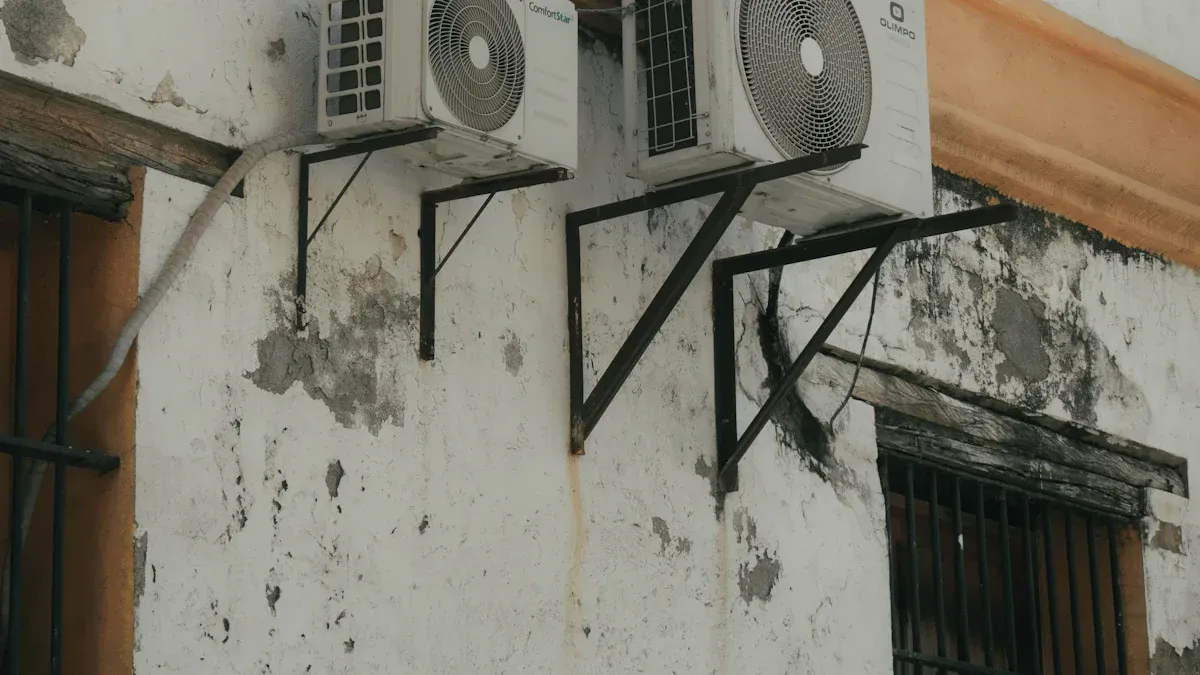
Step 1: Check the Current Insulation
Before starting, examine the insulation on your AC pipes. This helps you find issues and figure out what needs fixing.
Here’s how to check properly:
Look for Damage: Search for cracks, tears, or missing pieces in the insulation. These show it’s time to replace it.
Feel for Wetness: Touch the insulation to see if it’s damp. Wet insulation doesn’t work well.
Spot Water Drops: Check for condensation on the suction pipe. This means the insulation isn’t working right.
For a deeper check, advanced tools can help. Here’s a simple guide:
Method | What It Does | When to Use |
|---|---|---|
Non-destructive methods | Checks insulation without causing damage | Works on both old and new pipes |
Copper wires | Finds moisture inside the insulation | Use with other tools for better results |
TCR-method | Measures electrical resistance in copper wires | Useful for both old and new pipes |
Tip: Not sure about your insulation? Ask a professional for advice. They can tell you if it needs fixing or replacing.
Step 2: Take Off Old Insulation
After checking, remove any damaged or old insulation. This step is important to make sure the new insulation fits well and works properly.
Follow these steps to remove it:
Cut Gently: Use a utility knife to carefully cut the insulation. Be careful not to scratch the copper pipes.
Pull It Off: Peel the insulation away from the pipes. If it’s stuck, use the knife to loosen it.
Throw It Away: Put the old insulation in a trash bag. Some materials need special disposal, so check local rules.
Note: Be careful when handling old insulation. It might have harmful materials, so wear gloves to protect yourself.
Step 3: Clean the Copper Pipes
Before adding new insulation, clean the copper pipes. Clean pipes help the insulation stick better and last longer.
Here’s how to clean them:
Wipe the Pipes: Use a cloth and mild cleaner to remove dirt and grease.
Check for Rust: Look for rust or damage on the pipes. Fix these problems before moving on.
Follow Cleaning Rules: Use industry standards like SSPC-SP-16 to ensure the pipes are clean. This standard requires a surface profile of .75 mil (19.0 microns) and a visual check for cleanliness.
Tip: Clean pipes make insulation work better and last longer. Don’t skip this step!
By doing these steps, you’ll make the installation process easier. Clean pipes help the insulation fit well and improve your AC’s performance.
Step 4: Measure and Cut the New Insulation
Your pipes are clean, so now measure and cut the insulation. This step makes sure the insulation fits tightly for better efficiency.
Here’s how to do it:
Measure Pipe Length: Use a tape to measure each pipe section. Write down the sizes to avoid mistakes.
Mark the Insulation: Lay the insulation flat and mark the sizes on it. Use a pencil or marker to keep it accurate.
Cut Carefully: Use a utility knife to cut along the marks. Straight cuts prevent gaps during installation.
Tip: Cut the insulation slightly longer than needed. Extra length is easier to trim than fixing a short piece.
Pre-slit insulation makes this step easier. Open the slit, place it on the pipe, and adjust the length as needed.
Step 5: Install the New Insulation
Now it’s time to put the insulation on the pipes. This step helps your AC work better and saves energy.
Follow these steps to install it correctly:
Place the Insulation: Line up the insulation with the pipe. Cover the suction line fully to stop gaps.
Seal the Slit: For pre-slit insulation, press the edges together to close it. For non-slit material, wrap it tightly around the pipe.
Check the Fit: Make sure the insulation fits snugly. Loose insulation can cause condensation and lower efficiency.
Note: Start with the suction line first. It’s the bigger pipe and helps prevent water buildup.
For bends or joints, cut smaller insulation pieces. Overlap edges slightly to cover everything completely.
Step 6: Secure the Insulation Properly
The last step is securing the insulation to keep it in place. This ensures it works well and lasts longer.
Here’s how to secure it:
Use Tape: Wrap HVAC tape around seams and ends to hold insulation.
Seal Joints: Add tape or glue to joints for an airtight seal.
Inspect Your Work: Look for gaps or loose areas. Fix them to avoid problems.
Pro Tip: Check insulation regularly, especially after winter. Look for damage or leaks and fix them early to save money.
For advanced options, try smart insulation systems. These adjust to temperature changes automatically. Spray foam is another great choice for sealing and reducing heat transfer.
Securing the insulation properly helps your AC run better and last longer.
Tips for Effective Air Conditioning Insulation Installation
Avoiding Common Mistakes During Installation
Small mistakes during insulation installation can cause big issues. To do it right, avoid these common errors:
Skipping Cleaning: Dirty pipes stop insulation from sticking well. Always clean pipes first.
Wrong Material Choice: Not all insulation works the same. Picking the wrong one can lower energy savings and cause moisture problems.
No Air Sealing: Insulation alone isn’t enough. Without sealing, heat and moisture can still get in.
Bad Measurements: Cutting insulation too short or long leaves gaps or bunches, making it less effective.
Not understanding insulation can also lead to trouble. For instance, if you don’t seal it properly, it might trap moisture instead of blocking it. This increases energy use and reduces cooling.
Tip: Work carefully and check your progress. Make sure everything fits and seals tightly.
Ensuring a Snug Fit for Maximum Efficiency
A tight fit is crucial for insulation to work well. Loose insulation lets heat in, making your AC work harder. Follow these steps for a perfect fit:
Measure Twice, Cut Once: Accurate measurements are key. Use a tape measure and mark insulation before cutting.
Pick the Right Thickness: Thicker insulation saves more energy but must match pipe size.
Seal All Joints: Use HVAC tape or glue to close seams and joints. This stops air leaks and keeps insulation secure.
Studies show well-fitted insulation lowers energy use. In some cases, it can even reduce the need for AC when paired with good ventilation.
Pro Tip: For corners and bends, cut smaller pieces and overlap them. This ensures full coverage without gaps.
Maintenance Tips for Long-Lasting Insulation
After installing insulation, regular care keeps it working well. Good maintenance helps it last longer and keeps your AC efficient. Here’s how to maintain it:
Inspect Often: Look for cracks, gaps, or wear every few months.
Clean Pipes and Insulation: Dust can build up. Wipe them with a damp cloth to keep them clean.
Fix Problems Fast: Repair or replace damaged insulation quickly. Small issues can grow if ignored.
Research shows regular maintenance can add years to HVAC systems. Skipping maintenance can lower efficiency by 5% each year.
Note: Get a professional inspection yearly. Experts can find hidden problems and keep your system in great shape.
By following these tips, you’ll protect your AC pipe insulation and enjoy better performance for years.
Changing old copper pipe insulation isn’t just for keeping your AC working. It also saves energy, lowers bills, and stops water damage. Good insulation keeps the refrigerant cool, helping your AC run better. Over time, weather and use can ruin insulation, so replacing it is important.
Here’s a simple summary of what to do:
Check the pipes and take off broken insulation.
Clean the pipes, measure carefully, and cut the new insulation.
Put it on and secure it tightly for a good fit.
Pro Tip: Check for cracks or gaps often. This helps your insulation last longer and keeps your AC working well.
By doing these steps, you’ll protect your home and enjoy a cooler, more comfortable space. 😊
FAQ
What happens if I don’t replace damaged pipe insulation?
Skipping damaged insulation makes your AC work harder. This raises energy bills and can cause water problems. Over time, it may lead to mold or water damage.
Tip: Check your insulation often to avoid expensive repairs later.
Can I use any type of insulation for my AC pipes?
No, not all insulation works for AC pipes. Foam and rubber are great because they resist moisture and save energy. Always choose materials made for HVAC systems.
Note: Pick insulation based on your local weather for the best results.
How often should I replace AC pipe insulation?
Inspect your insulation every year. Replace it if you see cracks, gaps, or wet spots. Good insulation lasts years, but weather and use can wear it out faster.
Is replacing AC pipe insulation a DIY-friendly task?
Yes, replacing insulation is easy for beginners. With the right tools, you can finish in a few hours. If unsure, hire a pro to ensure it’s done right.
Does insulation thickness matter?
Yes, thicker insulation saves more energy. It blocks heat and stops condensation better. Make sure it fits your pipe size tightly.
Pro Tip: Ask an HVAC expert to find the best thickness for your system.
See Also
The Ultimate DIY Manual for Repairing AC Copper Tubes
Simple Techniques for Professional-Quality AC Copper Tube Installation
Straightforward DIY Instructions for Repairing Split Copper Pipes
Insulation Tips to Enhance AC Performance Using Copper Tubing
Transform Your HVAC System with 1/4 and 3/8 Copper Pipe Coils

© Copyright 2024 Dongguan Baoyuan Refrigeration Parts Co.,Ltd - All Rights Reserved.
