How to Select the Right Aircon Piping Materials for Installation

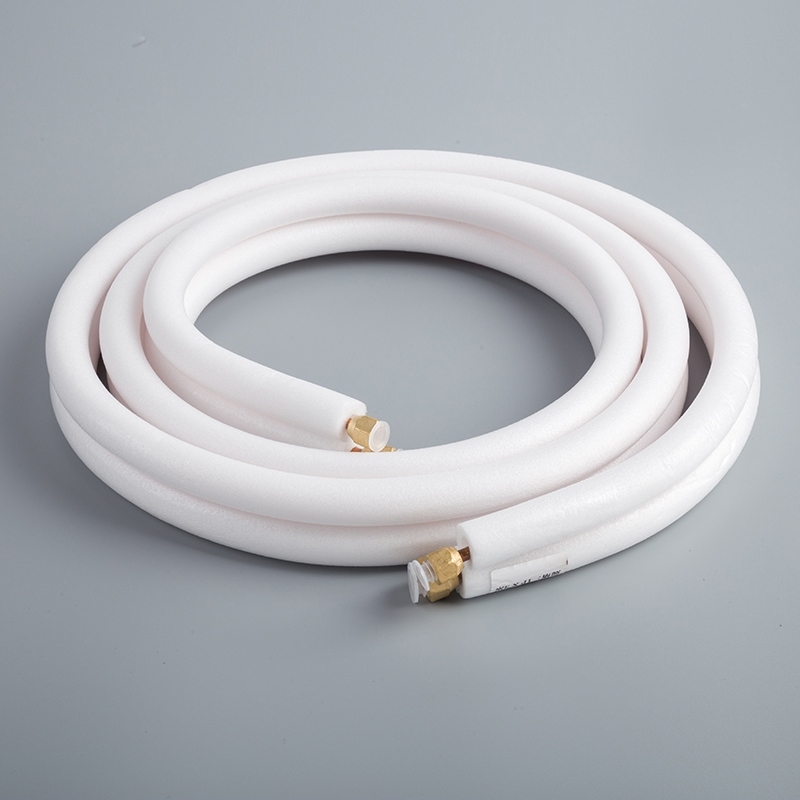
When installing air conditioners, selecting the right aircon piping materials for installers is crucial. The pipes you choose significantly affect how well the system operates and influence the longevity of your air conditioner. Copper pipes are favored because they transfer heat efficiently. As global temperatures rise, energy regulations become stricter, increasing the demand for effective air conditioners. The copper pipe market for air conditioners is projected to grow from $5.2 billion in 2023 to $9.1 billion by 2032.
Utilizing the appropriate aircon piping materials for installers and ensuring they are installed correctly prevents leaks. This also facilitates smooth airflow and conserves energy. Whether you’re a homeowner or an installer, understanding this can help avoid costly repairs. Successful installation always begins with selecting the best piping materials.
Key Takeaways
Pick copper pipes because they are strong and transfer heat well. They last a long time and don’t rust, making them great for air conditioners.
Think about using flexible water pipes since they are easy to install. They cost less and help with moisture control but might need more care later.
Use PVC covers to protect aircon pipes. They keep pipes safe from sunlight and help the system work in different weather.
Check and clean your aircon pipes often. Look for leaks and clear blockages to avoid costly repairs.
Make sure your pipe material works with the refrigerant. This stops leaks and keeps your air conditioner running smoothly.
Types of Aircon Piping Materials
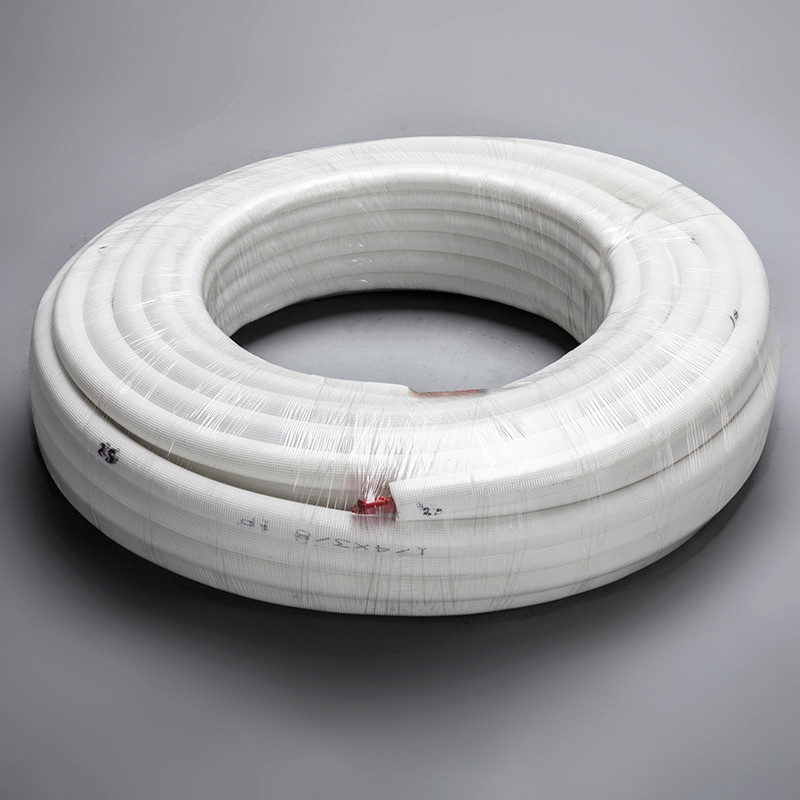
Picking the right aircon piping materials is important for a good cooling system. Below are three common types of materials and their features.
Copper Pipes
Copper pipes are widely used in aircon systems. They are strong and handle high pressure well, making them great for refrigerant flow. Copper doesn’t rust, so it won’t corrode over time. It also transfers heat very well, helping your aircon cool efficiently.
Here’s a simple comparison of copper pipes versus plastic pipes:
Property | Copper Pipes | Plastic Pipes |
|---|---|---|
Corrosion Resistance | Excellent, doesn’t react with chemicals | Poor, can crack or leak easily |
Thermal Conductivity | Great at transferring heat | Weak at transferring heat |
Lifespan | Lasts longer due to strength | Shorter lifespan, needs more upkeep |
Sustainability | Fully recyclable | Not recyclable |
Copper pipes are durable and work efficiently, but they cost more. Think about the price and benefits before choosing.
Flexible Water Pipes
Flexible water pipes are made of plastic and come in different sizes. They are easy to install and help control humidity in aircon systems. Their flexibility reduces leaks and makes installation simpler for workers.
Here’s a quick look at their features and uses:
Piping Material | Characteristics | Applications |
|---|---|---|
Flexible Water Pipes | Plastic, flexible, prevents leaks, easy to install. | Used for humidity control in ACs. |
These pipes are affordable and easy to use but aren’t as tough as copper. Regular care helps them last longer.
PVC Trunking
PVC trunking protects aircon piping and keeps it safe. It’s made from strong PVC material that insulates well and resists UV rays. This makes it suitable for both indoor and outdoor setups. PVC trunking also has safety features like fire resistance and protection from acid and moisture.
Key features of PVC trunking include:
Safety Features: Certified for safety, ideal for places needing electrical protection.
Strong Build: UV-resistant PVC lasts long and reduces replacements.
Full Protection: Shields against fire, acid, and moisture, perfect for tough conditions.
PVC trunking is a dependable way to protect your aircon piping and keep your system running smoothly for years.
Aluminum Pipes
Aluminum pipes are another choice for aircon piping. They are light, cheap, and easy to find. While not as common as copper, they have unique benefits. These might make them a good option for your aircon system.
Why Pick Aluminum Pipes?
Here’s why aluminum pipes could work for your aircon setup:
Cost-Effective: Aluminum pipes cost less than copper ones. If you’re on a budget, this is a big plus.
Lightweight: Aluminum is much lighter than copper. This makes it easier to carry and install, especially for big systems.
Corrosion Resistance: Aluminum doesn’t rust easily, though not as well as copper. It’s still a decent choice for areas with mild exposure to the elements.
Downsides of Aluminum Pipes
Aluminum pipes have some drawbacks you should know about:
Lower Durability: Aluminum isn’t as tough as copper. It can dent or get damaged, which might cause leaks later.
Weaker Thermal Conductivity: Aluminum doesn’t move heat as well as copper. This could lower your aircon’s cooling ability.
Compatibility Issues: Aluminum pipes might not work with all refrigerants. Check if they fit your aircon model before buying.
Comparing Aluminum and Copper Pipes
If you’re unsure between aluminum and copper, here’s a quick comparison:
Feature | Aluminum Pipes | Copper Pipes |
|---|---|---|
Cost | Cheaper | More expensive |
Weight | Lightweight | Heavier |
Durability | Less durable | Highly durable |
Thermal Conductivity | Moderate | Excellent |
Corrosion Resistance | Good | Outstanding |
Copper pipes are better in durability and heat transfer. But aluminum pipes are cheaper and easier to install, which might suit your needs.
When Should You Use Aluminum Pipes?
Aluminum pipes might be a good choice if:
You need a low-cost option.
Your aircon doesn’t need high heat transfer.
The system is in a safe place where strength isn’t critical.
Tip: Not sure if aluminum pipes are right for your aircon? Ask a professional installer. They can guide you based on your needs.
By knowing the pros and cons of aluminum pipes, you can choose wisely. Balance cost, performance, and durability to make the best decision.
Key Factors to Think About When Picking Aircon Piping Materials
When choosing pipes for your air conditioner, think beyond price. The materials you pick affect how well it works, saves energy, and lasts. Let’s explore the main things to consider.
Strength and Durability
Strong pipes are very important for air conditioners. They need to handle pressure and temperature changes without breaking. Weak pipes can cause leaks or damage the system.
Copper pipes are strong and resist rust. They handle high pressure well. Aluminum pipes are cheaper and lighter but not as tough. Flexible water pipes are easy to install but may not last long in tough conditions. Pick the material that fits your needs best.
Tip: If your aircon is in a harsh area, choose copper pipes. They are more reliable over time.
Insulation Quality
Good insulation helps your aircon work better and use less energy. It keeps the refrigerant at the right temperature and lowers electricity bills. Without it, your aircon works harder and wears out faster.
Different materials insulate differently. Fiberglass and foam are great for saving energy. Here’s a quick look at how insulation materials perform in heat:
Insulation Material | Heat Performance Loss (%) in High Temperatures |
|---|---|
Aerogel | Up to 20% |
Fiberglass | Less than 2% |
Mineral Wool | Less than 2% |
Fiberglass and mineral wool are excellent because they lose less performance in heat. Aerogel is advanced but less reliable in hot conditions.
Did you know? Good insulation can cut energy use by 15%, saving you money.
Refrigerant Compatibility
Not all pipes work with every refrigerant. Using the wrong ones can cause leaks or damage. Always check if the pipes match your aircon’s refrigerant.
Copper pipes work with most refrigerants, making them a top choice. Aluminum pipes are cheaper but may not fit all refrigerants. Ask your installer to confirm compatibility.
Pro Tip: Unsure about compatibility? Go with copper pipes. They are safe and work well with most systems.
By thinking about strength, insulation, and refrigerant compatibility, you can choose wisely. This helps your aircon run efficiently and last longer.
Ease of Installation
Installing aircon piping should be simple and quick. Easy-to-handle materials save time and effort. Flexible water pipes are lightweight and bend easily. This makes them great for tight spaces and tricky areas. Many installers prefer them for this reason.
Metal pipes, like copper, need more care during installation. They are strong and efficient but harder to cut and connect. Aluminum pipes are lighter than copper, making them easier to carry. However, they can dent if not handled carefully.
The material you choose affects how reliable the setup is. For example, in places like data centers, condensation can cause problems. Metal pipes might not be the best choice there. Plastic pipes, like CPVC, are easier to install but may weaken over time. Picking the right material ensures both easy installation and long-lasting performance.
Tip: Ask your installer which materials work best for your setup. Flexible pipes are easier to install, but durability is also important.
Cost-Effectiveness
Cost matters when picking aircon piping materials. You need something affordable but reliable. Copper pipes are strong and efficient but cost more. If you’re on a budget, aluminum pipes are a cheaper option. They work well for smaller systems and save money.
Flexible water pipes are another budget-friendly choice. They are cheap and quick to install, lowering labor costs. But they might need more maintenance, which adds to expenses later. PVC trunking isn’t a pipe but protects your pipes. It’s affordable and helps your system last longer by preventing damage.
Here’s how advanced piping can affect costs:
Evidence Description | Key Points |
|---|---|
Advanced piping materials | Cost more upfront but save money over time. |
Smart pipes with sensors | Improve performance and lower energy bills. |
Copper-aluminum hybrid pipes | Combine strength and savings, boosting heat efficiency. |
Spending more now on better materials can save money later. For example, copper-aluminum hybrid pipes are durable and cost-effective. They balance quality and price, making them a smart choice.
Pro Tip: Don’t just look at the price tag. Think about future savings. Spending a bit more now can prevent expensive repairs later.
Best Practices for Aircon Piping Installation
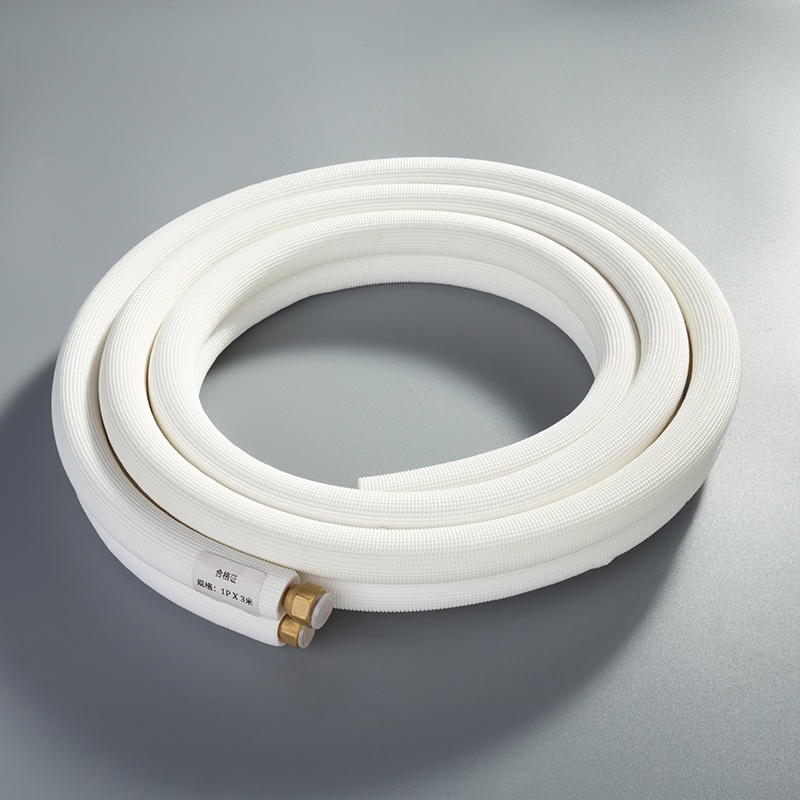
Following good practices for aircon piping helps it work better and last longer. Here are some important steps to follow.
Correct Pipe Placement
Placing aircon pipes properly is very important. Always choose the shortest path between indoor and outdoor units. This reduces refrigerant loss and keeps pressure drops low. Every extra meter of pipe can lower efficiency by 2%.
Here are some helpful tips:
Follow the ASHRAE Standard 34-2019 for safety with refrigerants.
Measure heat loss and pick the right pipe size to avoid pressure drops.
Keep pipes away from heat or places where they might get damaged.
These steps improve your aircon’s performance and prevent future problems.
Insulation Tips
Insulation makes your aircon system work better. It keeps the refrigerant cool, stops condensation, and saves energy. Use at least 9mm insulation for 1/4" liquid lines and 19mm for 3/8"-5/8" gas lines.
Why insulation matters:
It stops heat from affecting the refrigerant, keeping the system efficient.
It prevents condensation, which can cause water damage.
Check insulation often and replace worn-out parts to keep your system working well.
Preventing Leaks
Leaks can harm your aircon system, so stopping them is very important. Test all connections with nitrogen gas to find weak spots early. Use tools to check joints carefully for leaks.
Other ways to prevent leaks:
Install moisture detectors to catch problems quickly.
Keep water lines away from sensitive areas like IT rooms.
Use leak sensors with heat and humidity sensors for extra safety.
Regular inspections and maintenance help avoid leaks and keep your system running smoothly.
By following these best practices, your aircon system will be easier to install and stay reliable for years.
Securing Connections
Making sure aircon pipes are connected tightly is very important. Loose pipes can cause leaks, waste energy, or even break the system. Nobody wants those problems, right? Here’s how to make sure your connections are strong and secure.
Use the Right Tools
Good tools make the job easier. Use strong wrenches, pipe cutters, and sealing tape. These help tighten pipes without breaking them. For threaded pipes, add Teflon tape or thread sealant to stop leaks.
Pro Tip: Check all connections after you’re done. A quick check now can save money later.
Follow Manufacturer Guidelines
Each aircon system has its own instructions for connecting pipes. Always follow these directions. They are made to help your system work well. If you’re unsure, ask the manufacturer or a professional for help.
Test for Leaks
Always test for leaks after connecting the pipes. Use a pressure gauge or nitrogen gas to find weak spots. Fix any issues right away. This keeps your system running smoothly and saves refrigerant.
Secure Pipes with Clamps
Clamps hold pipes in place and stop them from moving. This reduces wear and tear. Pick clamps that match your pipe type. For example, rubber-lined clamps are great for metal pipes.
Did you know? Tight connections help your aircon last longer by reducing pipe strain.
By following these tips, your aircon system will work better and last for years.
Maintenance and Longevity of Aircon Piping
Regular Inspection for Damage or Leaks
Checking your aircon pipes often helps keep them working well. Look for problems like strange sounds, weaker cooling, or cracks in the pipes. These signs can mean trouble is starting. Fixing small issues early stops them from becoming big, expensive repairs.
Taking care of your pipes regularly saves money and makes them last longer. Here’s how maintenance helps:
Evidence Description | Impact on Longevity of Aircon Piping |
|---|---|
Regular care keeps the system efficient and reliable. | Lowers costs and makes pipes last longer. |
Using data to plan maintenance protects HVAC parts. | Stops pipes from wearing out too quickly. |
Good upkeep can save 5-20% yearly on energy bills. | Shows better efficiency and lower costs. |
Tip: Check for leaks every three months. This simple habit prevents surprise breakdowns.
Cleaning and Preventing Blockages
Clean aircon pipes work better and avoid problems. Blocked pipes can cause water damage, mold, or system failure. Cleaning the drain line is a great way to stop these issues.
Steps to clean the drain line:
Find the drain line near the indoor air handler.
Use a vacuum or cleaning kit to clear buildup.
Flush the line with water and vinegar to remove debris.
Do this every few months to keep it clear.
Other cleaning tasks include:
Filter Cleaning: Keeps airflow strong and air quality good.
Coil Cleaning: Removes dirt that slows cooling.
Drain Cleaning: Stops leaks and keeps the system working well.
Did you know? Cleaning your aircon can boost efficiency by 15%, saving energy costs.
Replacing Worn-Out Materials
Even with good care, some aircon parts wear out over time. Replace old materials to stop leaks and keep the system running smoothly. Signs like rust, cracks, or weak cooling mean it’s time for new parts.
Choose strong materials that fit your system. Copper pipes last long, while flexible pipes are easier to install. If unsure, ask a professional for advice.
Pro Tip: Don’t wait for parts to fail completely. Replacing them early avoids costly repairs.
By checking, cleaning, and replacing parts, your aircon pipes will last longer and work better for years.
Tips for Making Piping Last Longer
Taking care of your aircon piping saves money and avoids problems. Follow these simple tips to keep your system working well for a long time.
1. Keep Pipes Secure
Loose pipes can cause leaks and waste energy. Use clamps, hangers, or supports to hold them steady. Always follow the maker’s instructions when setting up the pipes. Adding insulation protects pipes from damage caused by temperature changes.
Tip: Check pipes often to ensure they’re tight. Quick checks stop big problems later.
2. Replace Filters Often
Dirty filters make your aircon work harder, stressing the pipes. Change filters every few months to keep airflow smooth. This also helps your aircon cool better and improves air quality.
3. Get Regular Check-Ups
Have a professional check your system once or twice a year. They can clean parts, check refrigerant, and fix small issues before they grow. Regular tune-ups keep your system and pipes in great shape.
4. Clean Around Outdoor Units
Dirt and leaves near the outdoor unit block airflow. This makes the system overheat and stresses the pipes. Clear debris around the unit to help it work smoothly.
5. Replace Old Parts Early
Don’t wait for parts to break completely. If you see rust, cracks, or weak cooling, replace the damaged parts quickly. Using strong materials like copper pipes helps avoid leaks and lasts longer.
6. Check Refrigerant Levels
Low refrigerant can harm pipes and reduce cooling. Check levels often and refill when needed. This keeps the system running well and prevents damage.
Did you know? Managing refrigerant properly stops leaks and helps pipes last longer.
By following these tips, you’ll avoid expensive repairs and enjoy a reliable aircon system for many years.
Picking the right aircon pipes is very important. Good materials, like copper pipes, help refrigerant flow and transfer heat better. Using proper insulation stops heat loss and keeps your aircon working well. Choosing strong materials and installing them correctly can prevent expensive repairs later.
Taking care of your pipes is also important. Check them often, clean them, and replace old parts when needed. Follow the maker’s instructions and ask a professional for help if unsure. By using durable materials, installing pipes properly, and keeping up with maintenance, your aircon will work reliably for many years.
FAQ
What is the best material for aircon piping?
Copper pipes are the best option. They last long, don’t rust, and move heat well. If you need a cheaper choice, aluminum pipes are okay but not as strong. Think about what your system needs before picking.
How often should I inspect aircon pipes?
Check your pipes every three months. Look for cracks, rust, or leaks. Regular checks help you find problems early and save money on repairs. It’s an easy way to keep your aircon working well.
Can I install aircon pipes myself?
You can try, but it’s not a good idea. Installing aircon pipes needs skill and knowledge about refrigerants. A professional can do it right, ensuring no leaks and proper setup. Hiring an expert saves time and avoids errors.
How do I prevent aircon pipe leaks?
Use strong materials like copper or aluminum pipes. Tighten connections with clamps and sealing tape. After installing, test for leaks using nitrogen gas. Regular maintenance also helps stop leaks and keeps your system running well.
Does insulation really make a difference?
Yes, it does! Insulation keeps refrigerants cold and stops water buildup. It helps your aircon use less energy and last longer. Use good insulation like foam or fiberglass for the best results.
See Also
The Benefits Of Using Copper Pipes In Air Conditioning
Comparing Copper And Aluminum Tubes For Air Conditioning Efficiency
The Importance Of Pure Copper Pipes For Air Conditioning
A Comprehensive Guide To Repairing AC Copper Tubing
Simple Instructions For Professional-Quality Copper Tube Installation

© Copyright 2024 Dongguan Baoyuan Refrigeration Parts Co.,Ltd - All Rights Reserved.
