Top Tips for Choosing Air Conditioning Copper Pipes

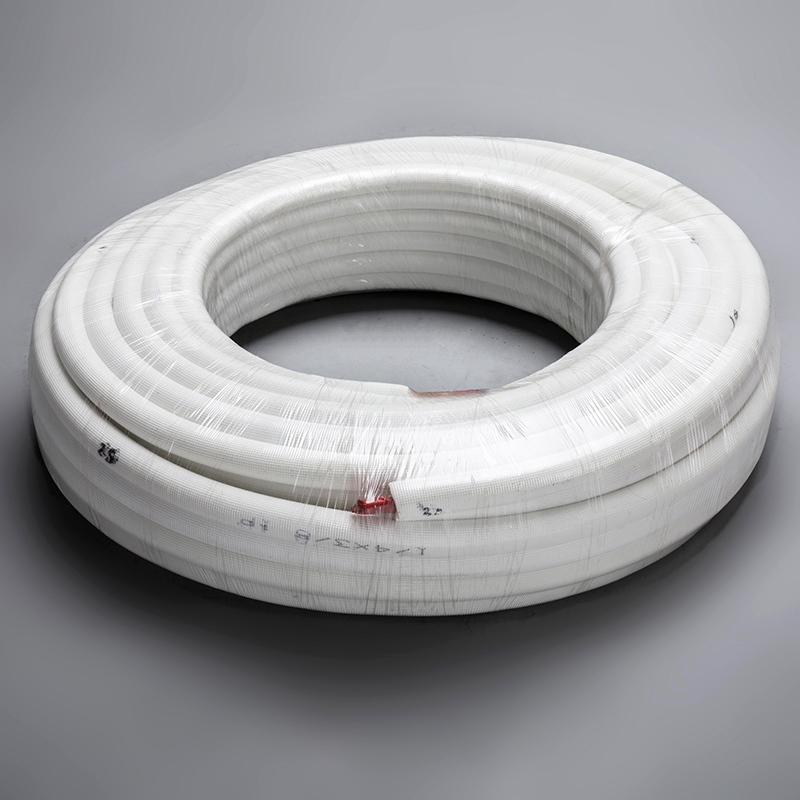
When it comes to air conditioning systems, the selection of the right copper pipes is paramount. Copper pipes play a crucial role in ensuring efficient refrigerant flow and enhancing the overall performance of the system. The benefits of using copper pipes are abundant, from their durability and corrosion resistance to their excellent thermal conductivity. In this blog, we will delve into essential tips for selecting the best air conditioning copper pipe, covering everything from types and properties to factors influencing your decision.
Understanding Copper Pipes

Types of Copper Pipes
Type K: Known for its thick walls and durability, Type K copper pipes are commonly used in commercial plumbing, HVAC, and sprinkler systems. They are often found in underground water main installations due to their heavy and robust nature.
Type L: Considered the most common type of copper piping, Type L pipes are widely used for interior plumbing, fire protection, and certain HVAC applications. Available in both rigid and flexible forms, they strike a balance between thickness and versatility.
Type M: With thinner walls compared to Type K and Type L, Type M copper pipes are frequently utilized for repairs, replacements, and extensions in interior water supply lines. Their affordability and ease of cutting make them popular for residential projects.
Properties of Copper Pipes
Durability: Copper pipes are known for their longevity and resilience against various environmental factors. They can withstand high pressure and temperature fluctuations without compromising their structural integrity.
Corrosion Resistance: One of the key advantages of copper pipes is their exceptional resistance to corrosion. This property ensures that the pipes maintain their quality over an extended period, reducing the risk of leaks or damage.
Thermal Conductivity: Copper is an excellent conductor of heat, making it ideal for air conditioning systems. The high thermal conductivity of copper pipes facilitates efficient heat transfer within the system.
Applications in Air Conditioning
Residential Systems: In residential settings, copper pipes are commonly used for air conditioning units due to their reliability and performance benefits. They ensure proper refrigerant flow and contribute to the overall efficiency of the system.
Commercial Systems: The durability and effectiveness of copper pipes make them a preferred choice for commercial air conditioning applications. Whether in large office buildings or industrial facilities, copper tubes play a vital role in maintaining optimal cooling performance.
Factors to Consider When Choosing Copper Pipes
When selecting copper pipes for air conditioning systems, it is crucial to consider pipe size and diameter. Proper sizing ensures optimal refrigerant flow and system efficiency. Here are some important points to keep in mind:
Importance of Correct Sizing
Matching the pipe size to the cooling capacity of the air conditioner is essential for efficient operation.
Incorrectly sized pipes can lead to restricted flow, affecting the overall performance of the system.
Consult with a professional HVAC technician to determine the appropriate pipe diameter for your specific cooling needs.
Common Sizes Used in HVAC
3/8 inch: Often used in smaller residential air conditioning units.
5/8 inch: Commonly found in larger residential systems and some light commercial applications.
7/8 inch: Typically used in larger commercial air conditioning setups.
Considering wall thickness is another key factor when choosing copper pipes for air conditioning installations:
Impact on Durability
Thicker walls provide added strength and durability, especially in high-pressure environments.
For long-term reliability, opt for copper pipes with adequate wall thickness based on the application requirements.
Recommendations for Different Applications
In residential settings where space may be limited, thinner-walled copper pipes like Type M can be suitable for water supply lines.
For industrial or commercial applications that demand robust piping solutions, thicker-walled options such as Type K are preferred.
When it comes to cost considerations, balancing budget constraints with quality is essential:
Budget vs. Quality
While copper pipes may have a higher initial cost compared to alternatives like PVC or PEX, their longevity and performance benefits justify the investment.
Evaluate your long-term needs and choose copper pipes that offer a balance between upfront expenses and durability.
Long-term Cost Efficiency
Durability: Copper's resistance to corrosion and wear ensures minimal maintenance costs over time.
Efficiency: Opting for high-quality copper pipes initially can lead to energy savings and reduced repair expenses down the line.
By considering these factors diligently, you can make informed decisions when selecting the best air conditioning copper pipe for your specific requirements.
Installation and Maintenance Tips
Proper Installation Techniques
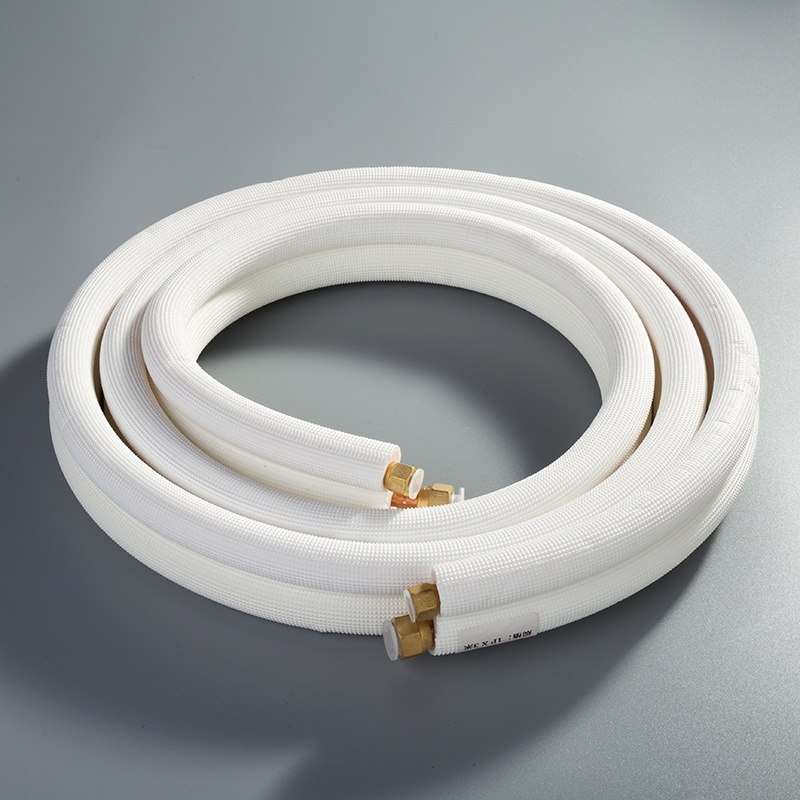
To ensure the optimal performance of your air conditioning system, proper installation techniques for copper pipes are essential. Expert plumbers emphasize the significance of precise soldering and brazing methods to create durable connections that withstand pressure and temperature changes effectively. By following industry best practices, you can avoid potential leaks and ensure a reliable refrigerant flow throughout the system.
Maintenance Best Practices
Maintaining your air conditioning copper pipes is crucial for their longevity and efficiency. Regular inspections allow you to identify any signs of wear or damage early on, preventing costly repairs in the future. Additionally, implementing a routine cleaning schedule and proper upkeep procedures can extend the lifespan of your copper pipes significantly, ensuring consistent performance over time.
Troubleshooting Common Issues
When faced with common issues in your air conditioning system, knowing how to troubleshoot effectively can save you time and money. Identifying leaks promptly is vital to prevent refrigerant loss and maintain optimal cooling capacity. Furthermore, addressing corrosion early on can prevent structural damage to the pipes and ensure uninterrupted operation of your air conditioner.
Recapping the essential aspects discussed, selecting the right copper pipes is paramount for optimal air conditioning performance. Emphasizing durability and efficient refrigerant flow, YogaPipe ACR offers a promising alternative to traditional options. Prioritizing quality over cost ensures long-term reliability and energy efficiency in your system. Remember, the choice of copper pipes impacts not just today but also the future efficiency of your air conditioner. Make an informed decision to enhance your cooling experience with durable and reliable copper pipes like YogaPipe ACR.
See Also
Benefits of Opting for Copper Tubing in Air Conditioning
The Importance of Copper Piping for Effective Air Conditioning
Key Ways Copper Tubing Transforms Air Conditioning
The Impact of Copper Piping on Air Conditioning Efficiency
Exploring the Advantages of Copper Tubing in Air Conditioning

© Copyright 2024 Dongguan Baoyuan Refrigeration Parts Co.,Ltd - All Rights Reserved.
