Understanding Copper Pipe Sizes: Inside vs Outside Diameter

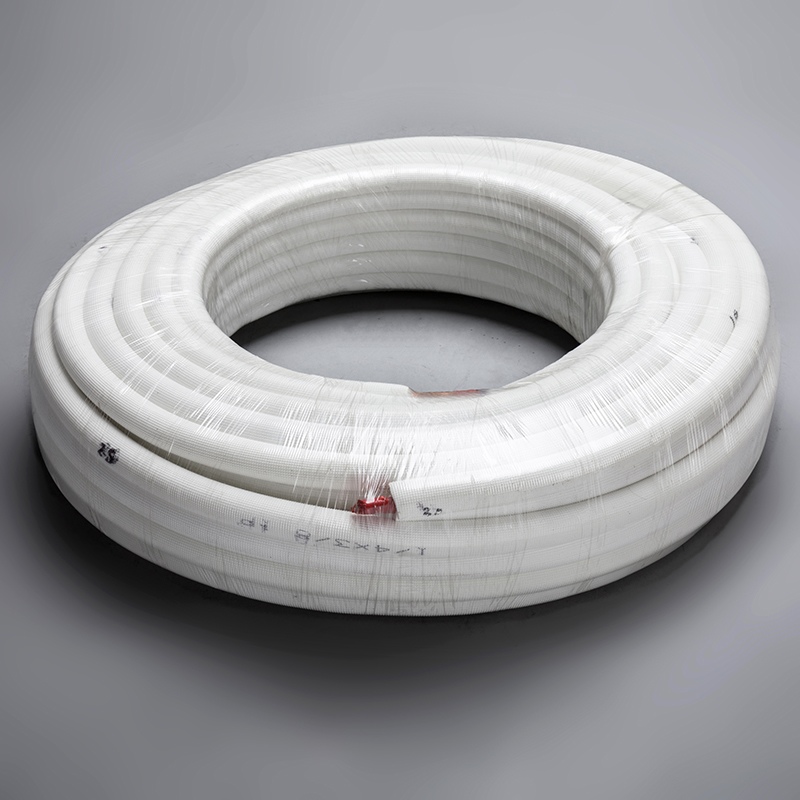
Understanding copper pipe sizes is crucial for anyone involved in construction or plumbing. Copper pipes play a significant role in building construction, accounting for nearly half of all copper use. You might often encounter confusion between inside and outside diameters. This distinction becomes especially important when determining what size copper pipe for air conditioning systems. Knowing the correct diameter ensures efficient energy use and prevents costly mistakes. As the global market for copper pipes and tubes continues to grow, grasping these concepts will become increasingly vital for both professionals and DIY enthusiasts.
Key Terms and Definitions
Inside Diameter (ID)
Definition and significance
The Inside Diameter (ID) of a copper pipe refers to the measurement across the interior of the pipe. This dimension is crucial because it determines the flow capacity of the pipe. When you know the ID, you can calculate how much fluid or gas can pass through the pipe efficiently. This measurement becomes especially important in systems where precise flow rates are necessary, such as in HVAC systems or water distribution networks.
Common applications
Copper pipes with specific inside diameters find use in various applications. In plumbing, the ID helps ensure that water flows smoothly through residential and commercial buildings. In HVAC systems, the ID plays a critical role in refrigerant lines, facilitating efficient heat transfer. The ID also matters in medical-gas systems, where maintaining a consistent flow rate is vital for safety and performance.
Outside Diameter (OD)
Definition and significance
The Outside Diameter (OD) measures the distance across the exterior of the pipe. This measurement is essential for fitting and installation purposes. When you select a pipe, the OD helps determine the compatibility with other components, such as fittings and connectors. The OD remains constant, which simplifies the process of matching pipes with the correct fittings.
Common applications
Copper pipes with specific outside diameters are widely used in construction and plumbing. In building construction, the OD ensures that pipes fit snugly within walls and ceilings. In heating and cooling systems, the OD allows for precise connections between different components, ensuring efficient operation. The OD also plays a role in oil fuel transfer lines, where secure connections are necessary to prevent leaks and ensure safety.
Copper Pipe Sizing Systems
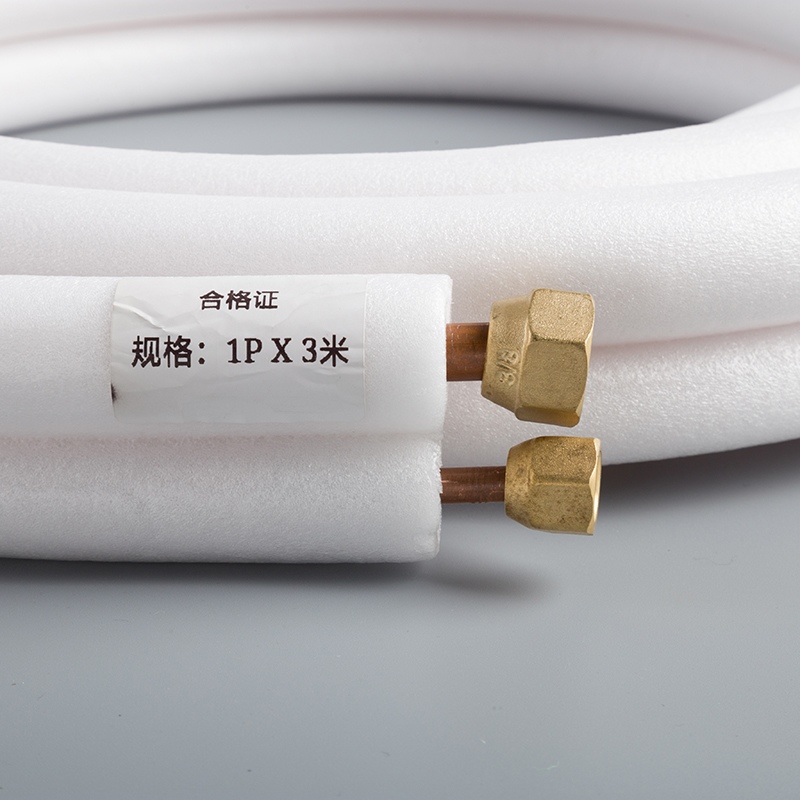
Understanding copper pipe sizing systems is essential for selecting the right materials for your projects. Two primary systems exist: Iron Pipe Size (IPS) and Copper Tube Size (CTS). Each has its unique characteristics and applications.
Iron Pipe Size (IPS)
Historical context
The Iron Pipe Size (IPS) system dates back to the early days of plumbing and construction. It originated when iron pipes were the standard for water and gas distribution. Over time, the IPS system became a benchmark for measuring pipes, even as materials evolved. The system's historical roots highlight its long-standing influence in the industry.
Diameter control and specifications
In the IPS system, the outside diameter remains constant, while the inside diameter varies based on wall thickness. This consistency in the outer measurement ensures compatibility with fittings and connectors. When you work with IPS, you can rely on standardized specifications, making it easier to plan and execute projects.
Copper Tube Size (CTS)
Historical context
The Copper Tube Size (CTS) system emerged as copper gained popularity in plumbing and construction. The Wieland Group, established in 1820, played a significant role in the production and processing of copper products. This shift towards copper brought about the need for a new sizing system, tailored to the unique properties of copper tubing.
Diameter control and specifications
In the CTS system, the nominal size corresponds to the approximate inside diameter. This approach allows for precise flow calculations, crucial in applications like HVAC systems. The introduction of push-to-connect fittings further simplified the installation process, eliminating the need for special tools. You can now achieve secure connections with ease.
What size copper pipe for air conditioning
When considering what size copper pipe for air conditioning, the CTS system provides clear guidelines. The inside diameter plays a pivotal role in determining the efficiency of refrigerant lines. Selecting the correct size ensures optimal performance and energy efficiency. By adhering to CTS specifications, you can avoid costly mistakes and ensure your air conditioning system operates smoothly.
Related Concepts
Nominal Pipe Size (NPS)
Definition and importance
The Nominal Pipe Size (NPS) system provides a standardized way to identify pipe sizes. It represents a set of standard sizes for pipes used in various industries. NPS is crucial because it simplifies the process of selecting and ordering pipes. You can easily match pipes with fittings and other components, ensuring compatibility and efficiency in your projects.
How it relates to copper pipe sizing
NPS plays a significant role in copper pipe sizing. While copper pipes often use the Copper Tube Size (CTS) system, understanding NPS helps you navigate different sizing standards. NPS focuses on the nominal diameter, which approximates the inside diameter of the pipe. This approach aligns with the CTS system, where the nominal size also corresponds to the inside diameter. By understanding both systems, you can make informed decisions when selecting copper pipes for plumbing, heating, and cooling systems.
Pipe Schedule
Definition and importance
The Pipe Schedule refers to the wall thickness of a pipe. It is a critical factor that affects the pipe's strength and durability. The schedule number indicates the thickness, with higher numbers representing thicker walls. Understanding pipe schedules is essential for ensuring that pipes can withstand the pressures and temperatures of their intended applications. You can select the appropriate schedule to meet the specific requirements of your project.
How it affects wall thickness and diameter
Pipe schedules directly impact the wall thickness and, consequently, the inside diameter of a pipe. As the schedule number increases, the wall thickness becomes greater, reducing the inside diameter. This relationship is vital for flow calculations and pressure ratings. In copper piping systems, selecting the correct schedule ensures that the pipes can handle the demands of the application, whether it's for residential plumbing or industrial systems. By considering both the schedule and the nominal size, you can optimize the performance and safety of your copper piping installations.
Practical Implications
Importance for Ordering Materials
Ensuring correct size and fit
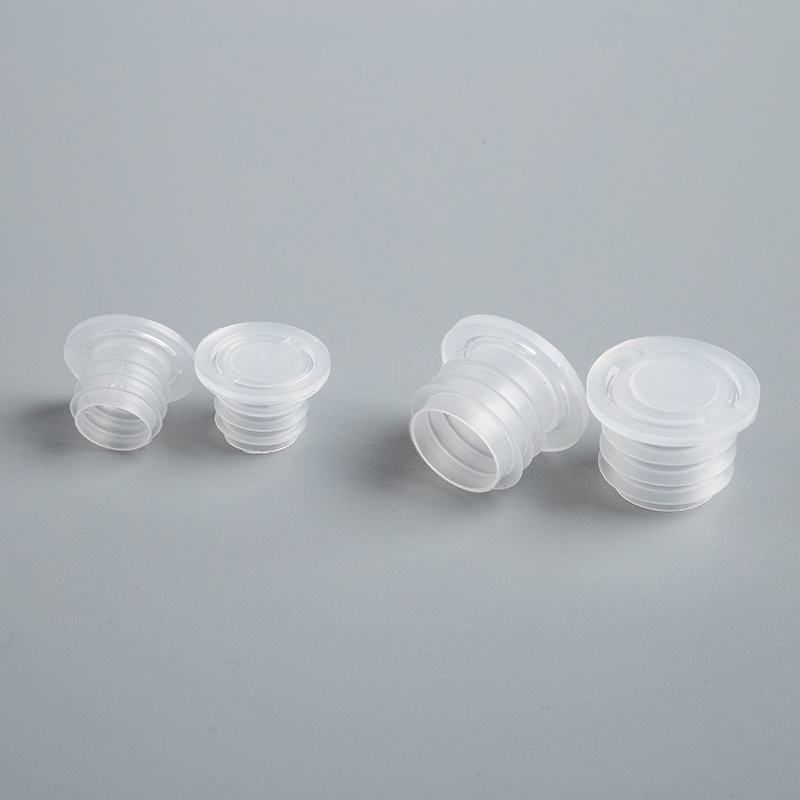
When you order copper pipes, selecting the correct size is crucial. The right size ensures that the pipes fit perfectly with other components in your system. This precision prevents leaks and enhances the efficiency of your plumbing or HVAC systems. You should always verify the inside and outside diameters before making a purchase. This step guarantees that the pipes will meet the specific requirements of your project.
Avoiding costly mistakes
Choosing the wrong pipe size can lead to significant financial losses. Incorrect sizing may result in poor system performance or even damage to the infrastructure. You might face additional costs for replacements or repairs. By understanding copper pipe sizes, you can avoid these costly errors. Make informed decisions to ensure that your projects run smoothly and within budget. Proper knowledge of pipe sizing not only saves money but also time and resources.
Understanding copper pipe sizes is essential for anyone involved in plumbing or construction. By knowing the difference between inside and outside diameters, you ensure that your projects run smoothly and efficiently. This knowledge helps you select the right fittings and connections, preventing costly mistakes. Copper tubing, measured by its outside diameter, caters to various plumbing needs. As the market faces challenges like price volatility, alternatives such as plastic and composite pipes gain popularity. However, copper remains a reliable choice due to its durability and efficiency. Equip yourself with this understanding to make informed decisions in your projects.
See Also
Unraveling Copper Pipe Dimensions: An In-Depth Manual
Necessary Steps: Measuring Copper Pipe Diameter Correctly
5 Crucial Tips for Selecting the Correct Copper Pipe Size

© Copyright 2024 Dongguan Baoyuan Refrigeration Parts Co.,Ltd - All Rights Reserved.
