Why Understanding Pipe Diameter Matters for Copper Pipes

Why Understanding Pipe Diameter is Important for Copper Pipes
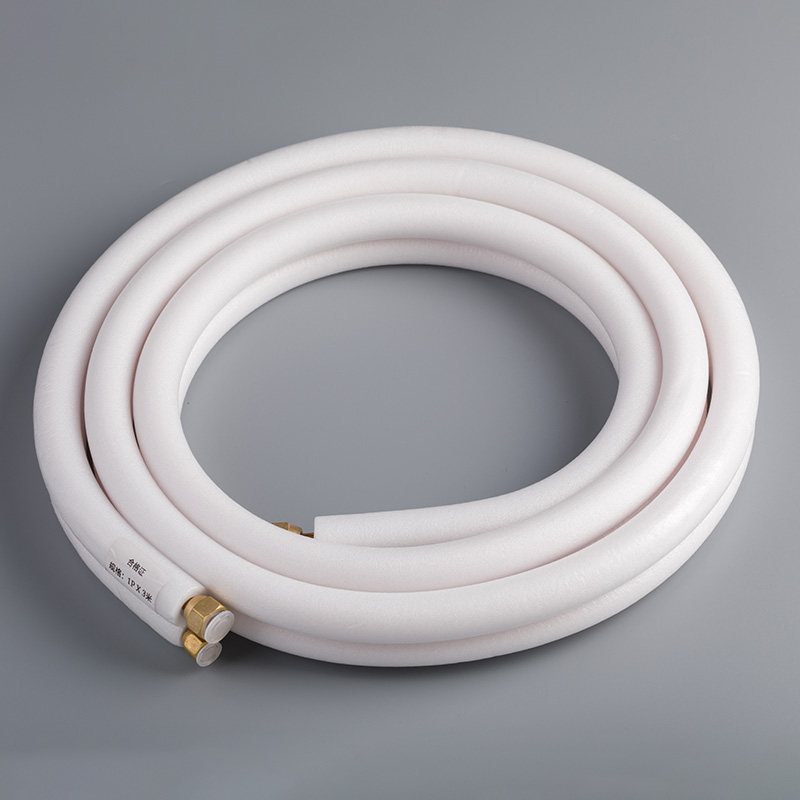
Pipe diameter holds significant importance in plumbing systems, especially when it comes to copper pipes. The size and type of pipe material installed directly affect performance and service life. Baoyuan, a leading manufacturer of pure copper connecting pipes for air conditioners, emphasizes the importance of correct pipe sizing. Copper pipes, known for their durability and efficiency, are commonly used in various applications, including air conditioning systems. Incorrect pipe sizing can lead to reduced water flow, increased pressure, and potential system failures. Understanding the correct pipe diameter ensures optimal performance and longevity of the plumbing system. For more information on high-quality copper pipes, visit Baoyuan's product page at https://copperpipe.net/products/.
Write a 'Why' blog post on 'Why understanding pipe diameter is important for copper pipes'
The Basics of Pipe Diameter
Definition and Measurement
Pipe diameter refers to the width of the pipe's cross-section. Measurement standards vary by region. Australia uses the outside diameter for classification. North America uses the nominal diameter, while New Zealand uses the nominal bore. These differences can cause confusion when selecting pipes. For example, a 1/2" copper pipe may not match a 1/2" PEX tube due to different measurement standards.
Types of Pipe Diameters
Two main types of pipe diameters exist: nominal and outer. The nominal diameter is often expressed in inches or DN (Diameter Nominal). The outer diameter is measured in millimeters. Conversion methods help bridge these differences. Understanding these types ensures proper selection and installation of copper pipes.
Importance of Correct Pipe Diameter in Copper Pipes
Impact on Water Flow
The diameter of a pipe significantly influences water flow. A larger pipe diameter allows for greater flow rates. This reduces fluid velocity and minimizes friction losses. Conversely, a smaller pipe diameter increases fluid velocity, leading to higher friction losses. Proper pipe sizing ensures optimal water flow and system performance.
Impact on System Efficiency
Correct pipe diameter directly affects system efficiency. Larger diameters lead to lower PSIs (Pounds per Square Inch), while smaller pipes generate higher PSIs. Incorrect sizing can cause pressure drops or surges, affecting the overall efficiency of the system. Proper sizing minimizes turbulence and impact, ensuring longevity and performance.
Methods for Determining the Right Pipe Diameter
Calculations and Formulas
Several calculations and formulas help determine the right pipe diameter. Engineers consider factors like flow rate, pressure, and material viscosity. The flow rate is proportional to the fourth power of the pipe diameter. Small changes in diameter cause significant changes in flow rate. Accurate calculations ensure the correct pipe size for specific applications.
Tools and Software
Various tools and software assist in determining the right pipe diameter. These tools consider multiple factors, including system requirements and environmental conditions. Software solutions provide precise measurements and recommendations. Using these tools ensures accurate and efficient pipe sizing, reducing the risk of errors.
Common Mistakes and How to Avoid Them
Overestimating or Underestimating Diameter
Incorrect pipe diameter selection often results from overestimating or underestimating the required size. Overestimating the diameter can lead to excessive material costs and inefficient system performance. Larger pipes may reduce fluid velocity, causing sediment buildup and potential blockages. Underestimating the diameter can increase fluid velocity, leading to higher friction losses and pressure drops. Both scenarios negatively impact system efficiency and longevity.
Ignoring Specific System Requirements
Ignoring specific system requirements poses another common mistake. Each plumbing system has unique needs based on factors like flow rate, pressure, and material viscosity. For example, air conditioning systems require precise pipe sizing to maintain optimal performance. Using a one-size-fits-all approach can result in system failures and increased maintenance costs. Properly assessing system requirements ensures accurate pipe diameter selection.
Understanding pipe diameter remains crucial for copper pipes. Correct sizing ensures optimal water flow and system efficiency. Incorrect pipe diameter can lead to severe issues such as erosion corrosion and pinhole leaks. These problems can cause system failures within a year. Ensuring proper pipe sizing prevents these issues and extends the lifespan of plumbing systems. Consulting professionals or using reliable tools guarantees accurate sizing. Baoyuan offers high-quality copper pipes that meet precise specifications. Visit Baoyuan's product page for more information.
See Also
Unraveling the Mystery of Copper Pipe Dimensions: An In-Depth Manual
5 Crucial Tips for Selecting the Correct Copper Pipe Size
Your Indispensable Handbook: Measuring Copper Pipe Dimensions
1.5 Inch vs 0.5 Inch Copper Pipe: Which One to Choose?
5 Vital Copper Pipe Dimensions Every Plumber Must Understand

© Copyright 2024 Dongguan Baoyuan Refrigeration Parts Co.,Ltd - All Rights Reserved.
