
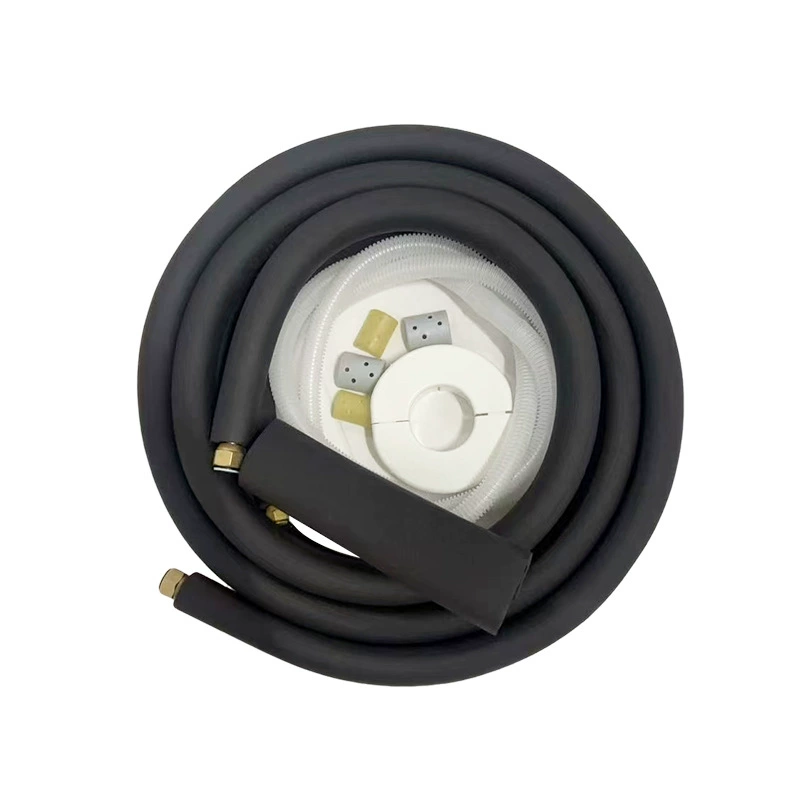
You want great results for your plumbing projects, so choosing the right copper tubes is important. Water pressure, where you put the tubes, and following rules affect your choices. If you know how different copper types vary, you can avoid errors and expensive fixes.
Tip: Consider how strong, costly, and easy to install the copper tube is before you pick one for your plumbing.
Key Takeaways
Pick the right copper tube for your plumbing job. Type K works best underground. Type L is good for most indoor plumbing. Type M fits low-pressure systems.
Choose the right size for your copper pipes. Think about how many fixtures you have. Check your water needs and pressure to get good flow.
Use the right way to join copper pipes. Soldering works well for water supply. Brazing is better for high-pressure jobs. Always clean pipe ends before joining them.
Take care of your copper pipes often to stop leaks and rust. Look for problems every few months. You can add a water filter system if needed.
Follow local plumbing rules to stay safe and follow the law. This helps you avoid trouble and keeps your plumbing working well.
Copper Tube Types and Uses
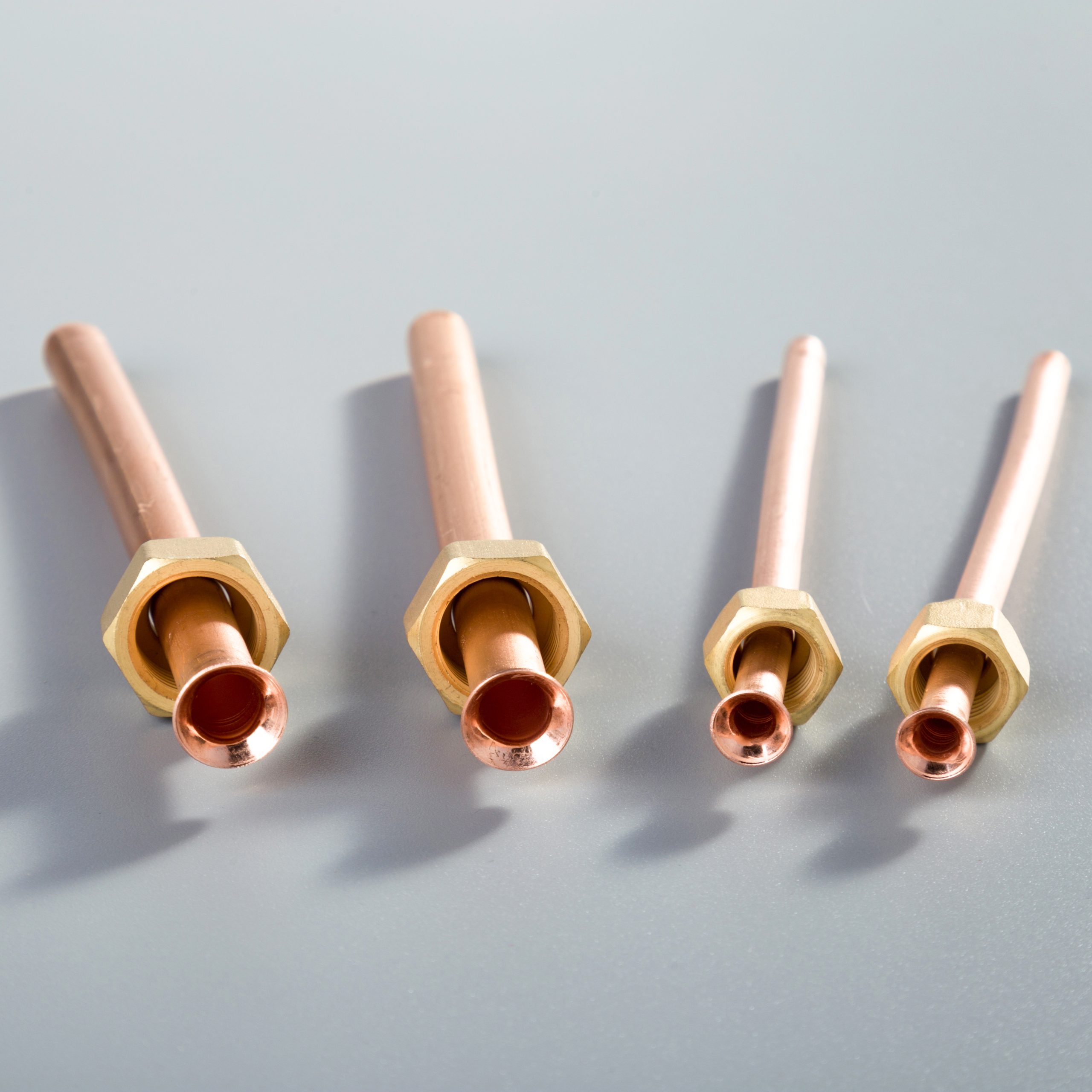
When you need copper tubes for plumbing, it helps to know the differences. There are three main types: Type K, Type L, and Type M. Each type has a different wall thickness and use. Picking the right one makes your plumbing work better.
Type K Copper Tubes
Type K copper tubes have the thickest walls. The wall is about 0.049 inches thick. This makes them very strong and hard to break. They are good for places where pipes go underground or outside. These pipes protect against damage from dirt or heavy things. That is why people use Type K for underground water lines and outdoor plumbing.
Tip: Use Type K copper pipe if you need pipes underground or in places where they might get hit or crushed.
Type L Copper Tubes
Type L copper pipes have medium-thick walls. The wall is about 0.045 inches thick. They are strong but not as thick as Type K. These pipes work well inside and outside buildings. Most homes and businesses use Type L for water supply. They can handle normal water pressure and do not rust easily. This makes them a good choice for many jobs.
Here’s a quick look at where Type L copper pipes work best:
Why It Works Well | |
|---|---|
Residential water supply systems | Good for pressure and saves money |
Commercial water supply & HVAC | Strong enough for most jobs |
Compressed air systems | Does not rust and works for air pressure |
Type M Copper Tubes
Type M copper pipes have the thinnest walls. They are thinner than Type K and Type L. This makes them light and easy to move. Type M is best for low-pressure plumbing inside homes. They cost less but are not as strong. Do not use them for high pressure or rough places.
Here’s a quick look at the good and bad sides of Type M copper pipe:
Limitations | |
|---|---|
Saves money | Not for high pressure |
Good for low-pressure systems | Not as strong as Type L |
Light and easy to put in | Not for tough jobs or outdoors |
Quick Comparison of Copper Pipe Types
Type | Wall Thickness | Durability Description |
|---|---|---|
Type K | 0.049 inches | Thickest wall, protects from damage, best for outside and underground. |
Type L | 0.045 inches | Medium wall, good for flow and does not rust, great for inside plumbing and normal pressure. |
Type M | Thinner than K and L | Flexible and does not rust, best for home low-pressure plumbing, not as strong as others. |
Knowing about these copper pipe types helps you choose the right one. If you need strong pipes for underground, pick Type K. For most inside plumbing, Type L is a good fit. If you want to save money and have low pressure, use Type M. Always think about where the pipes will go and how much pressure they need.
Choosing the right copper tubes helps your plumbing last longer and work well. Take your time and pick the type that fits your project.
Choosing Copper Pipe Size
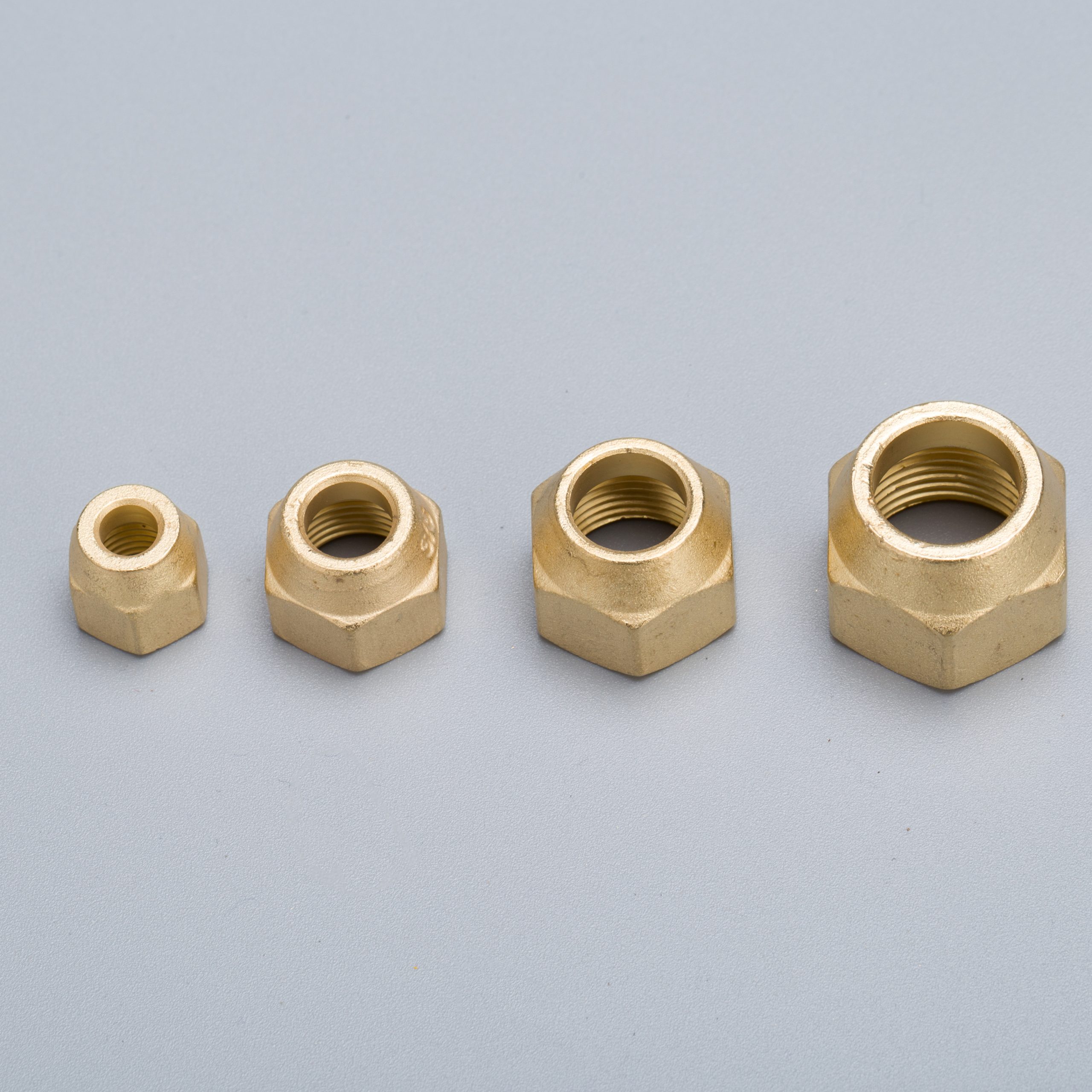
When you start choosing copper pipe for plumbing, you want to get the size right. The right size helps your plumbing systems work well and last longer. If you pick a pipe that is too small, you might get weak water flow. If you pick one that is too big, you could waste money and space.
Diameter Selection
You need to think about a few things when you pick the diameter for copper pipes. Here are some tips to help you with sizing:
Check how many fixtures your pipe will serve. More fixtures mean you need a bigger pipe.
Look at your water supply needs. If you want strong flow, use larger diameters like ¾-inch or even 1-inch copper pipe.
Think about water pressure. Higher pressure can handle smaller pipes, but low pressure needs wider pipes to keep water moving.
Use code tables to estimate the total flow demand in gallons per minute (GPM).
Calculate the total Water Supply Fixture Units (WSFU) for your project. This helps you match the pipe size to peak flow.
For most residential plumbing, use ¾-inch copper pipe for main supply lines and ½-inch for branch lines.
Always check a pressure-loss chart for your chosen copper type and size. If the pressure drop is too high, pick a bigger pipe.
Tip: Double-check your sizing for important projects. Upsize the pipe if you want to keep good water flow and pressure.
Length and Cutting Tips
After you pick the right diameter, you need to measure the length. Measure the distance between fittings and add a little extra for mistakes or changes. Always use a pipe cutter made for copper tubes. This gives you a clean, straight cut.
Here are some quick tips for cutting and sizing copper pipe for plumbing:
Mark your cut with a marker so you do not make mistakes.
Use a pipe cutter, not a saw, for a smooth edge.
After cutting, use a deburring tool to remove sharp edges. This keeps water flowing smoothly and protects your plumbing.
Check local codes for minimum and maximum pipe lengths in certain types of projects.
Choosing copper pipe size is not just about what fits. You want to match the pipe to your water flow, pressure, and code needs. This helps your copper pipes last longer and keeps your residential plumbing running smoothly.
Copper Pipe Installation Tips
Joining Copper Pipes
When you install copper pipe, you have a few ways to join the pieces. Each method has its own strengths and best uses. Picking the right one helps your plumbing last longer and keeps leaks away. Here’s a quick look at the most common joining methods:
Joining Method | Typical Service Temp (°F) | Max Working Pressure (psi) |
|---|---|---|
Soldered Joint | 100–250 | Up to 200 |
Brazed Joint | Up to 250+ | Higher than soldered |
Press-Connect Fitting | 0–250 | 200–300 |
Threaded Copper Pipe | Ambient–moderate | Lower than soldered/press |
You might wonder which method to use. Soldering is popular for water supply lines because it is reliable and cost-effective. Brazing works well for heating or high-pressure jobs. Press-fit systems are fast and safe since you do not need a flame. Here’s a table to help you compare:
Method | Pros | Cons |
|---|---|---|
Soldering | Reliable, affordable, easy to learn | Needs open flame, must clean pipes |
Brazing | Strong, handles high heat and pressure | Needs hotter torch, more skill needed |
Press-Fit | Fast, no flame, consistent results | Special tool, higher fitting cost |
Flare | No flame, reusable | Needs special tools, not for high pressure |
Compression | No heat, quick install | Not always code-approved, can loosen |
Tip: Always clean the ends of copper tubes before joining. This helps you get a tight, leak-free seal.
Maintenance and Longevity
You want your copper pipes to last for years. Good maintenance keeps your plumbing strong and safe. Here are some easy steps you can follow:
Check your copper pipe for leaks or corrosion every few months.
Install a water filtration system to remove chlorine, which can damage copper.
Use a water softener if your water has lots of minerals.
Replace old or damaged sections of pipe before they cause bigger problems.
Watch your water pressure. High pressure can stress copper pipes and lead to leaks.
Insulate pipes in cold areas to prevent freezing.
Clean drains and flush your water heater to keep everything running smoothly.
Try smart home tech, like leak detectors, for extra peace of mind.
Note: Following local plumbing codes helps you avoid problems and keeps your drainage and heating systems safe.
Taking care of your copper pipes means fewer repairs and a longer life for your plumbing. With the right joining methods and regular checks, you can enjoy safe water supply and reliable copper tubes for many years.
When you choose copper tubes for plumbing, you need the right type and size. Look at this table to see what is important for copper to last a long time in homes:
Factor | Why It Matters |
|---|---|
Corrosion Resistance | Keeps copper strong for many years |
Material Quality | Lets copper handle water pressure |
Installation Reliability | Stops leaks and makes pipes last |
Always install copper tubes the right way and check them often. Follow local rules or ask an expert if you do not know what to do.
FAQ
What type of copper pipe should I use for hvac systems?
You want to use copper pipe with thicker walls for hvac systems. Type L works well for most jobs. If you install pipes underground, pick Type K. These choices help your hvac run safely and last longer.
Can I use copper pipe for air conditioning projects?
Yes, you can use copper pipe for air conditioning. Copper handles pressure changes and keeps your air conditioning system running smoothly. Many hvac systems rely on copper because it resists corrosion and works well with refrigerants.
How do I know if my copper pipes are safe for drinking water?
You can trust copper pipes for drinking water if you follow local codes. Copper does not rust and keeps water clean. Always check that your copper pipe meets plumbing standards before you install it in your home.
Why do hvac systems use copper instead of other materials?
Copper works great in hvac because it resists corrosion and handles high pressure. You can bend copper easily, which helps in tight spaces. Most hvac systems use copper for both heating and cooling lines.
How often should I check copper pipes in my hvac system?
You should check copper pipes in your hvac system every year. Look for leaks, corrosion, or damage. Regular checks help you catch problems early and keep your hvac running well.