Guide to Buying Copper Pipes for Air Conditioners

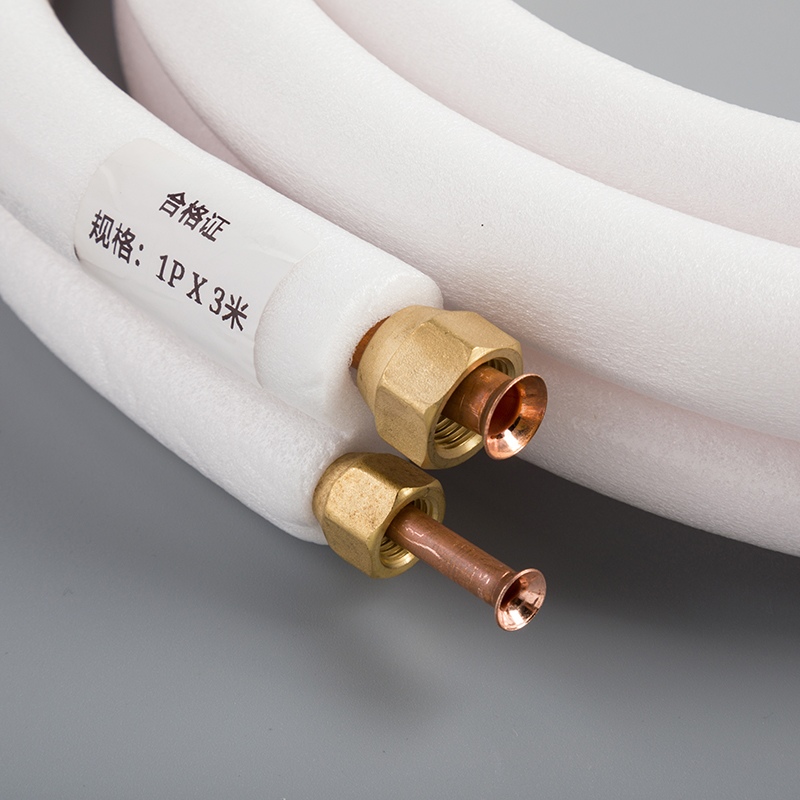
Choosing the right copper pipes for AC systems directly impacts their performance and efficiency. These pipes ensure optimal performance by offering superior heat transfer and corrosion resistance. Their durability withstands environmental factors and internal pressures, ensuring long-term reliability. Proper insulation further enhances efficiency by maintaining refrigerant temperature, reducing noise, and protecting against UV rays. When selecting copper pipes for AC, consider factors like pipe size, compatibility with refrigerants, and cost. Understanding these elements helps you make a wise investment. For convenience, you can explore air conditioner copper pipe buy online options to find the best fit.
Key Takeaways
Pick the right copper pipe for your AC system. Type K is strong for high pressure, Type L is flexible and affordable, and Type M is not good for refrigerants.
Make sure the pipe size and thickness fit your AC. This helps it work better and saves energy.
Use ACR copper pipes for refrigerants. They are clean and sealed to stop dirt, keeping your AC working well.
Check your copper pipes often for leaks or rust. Finding problems early can save money and make your AC last longer.
Think about how copper pipes help the environment. They can be recycled and save energy, making them a smart and green choice for your AC.
Types of Copper Pipes for AC
Type K Copper Pipes
Durability and High-Pressure Suitability
Type K copper pipes are known for their exceptional strength and durability. Their thick walls make them ideal for high-pressure applications. For example, a ¾-inch Type K pipe has a wall thickness of 0.065 inches, while a ½-inch pipe has a thickness of 0.049 inches. This robust design allows these pipes to handle extreme pressures without compromising performance. If you need reliable ac copper pipe options for demanding systems, Type K is one of the best copper pipes available.
Common HVAC Applications
Type K pipes are versatile and widely used in various systems. In HVAC, they are essential for heating, ventilation, and air conditioning systems that require high-pressure resistance. They are also used in water distribution, fire protection systems, and oil transportation. The table below highlights their common applications in AC systems and beyond:
Application Type | Description |
|---|---|
Water Distribution | Used for main water lines and underground lines. |
Fire Protection | Suitable for fire sprinkler systems. |
HVAC | Commonly found in heating, ventilation, and air conditioning systems. |
Oil Transportation | Used for transporting oil in various systems. |
Type L Copper Pipes
Medium Thickness and Versatility
Type L copper pipes strike a balance between strength and flexibility. Their medium wall thickness allows them to handle moderate pressures and temperatures, making them suitable for a variety of HVAC applications. These pipes are easier to install in complex spaces due to their flexibility. If you’re looking for ac copper pipe options that offer versatility, Type L pipes are an excellent choice.
Ideal for Residential Air Conditioning
Type L pipes are commonly used in residential air conditioning systems. They are more affordable than Type K pipes but still provide good durability. Their moderate thickness makes them easier to work with during installation. The table below outlines their advantages:
Advantage | Description |
|---|---|
Versatility | Suitable for a wide range of applications, from residential to light commercial use. |
Cost-Effective | More affordable than Type K pipes while still offering good durability. |
Ease of Installation | The moderate thickness makes these pipes easier to work with and install. |
Type M Copper Pipes
Thin Walls and Cost-Effectiveness
Type M copper pipes are the most economical option among the types of copper pipes. Their thin walls make them lightweight and easy to handle during installation. These pipes are ideal for budget-conscious projects where high pressure is not a concern.
Limitations for Refrigerant Use
While Type M pipes are cost-effective, they have limitations when used with refrigerants. Their thin walls make them susceptible to contamination and structural failure under high pressure. Additionally, they do not meet the cleanliness standards required for refrigeration systems, which can lead to system failures. For this reason, they are not recommended for refrigerant use in air conditioning systems.
ACR Copper Pipes for Air Conditioners
Pre-cleaned and Sealed for Refrigerants
ACR copper pipes undergo a specialized pre-cleaning and sealing process, making them ideal for refrigerant use. This process ensures the pipes remain free from contaminants, moisture, and oxidation, which can compromise the performance of your air conditioning system. The benefits of this process are outlined below:
Benefit | Explanation |
|---|---|
Prevents contamination | Ensures internal cleanliness, critical for refrigerant performance. |
Reduces moisture intrusion | Protects system reliability by preventing moisture that can impair refrigerant efficiency. |
Minimizes oxidation | Helps maintain system performance by avoiding clogs in components like valves and filters. |
Protects compressor oil | Prevents contamination of oil, ensuring better lubrication and system operation. |
Assists in moisture evacuation | Ensures a tighter, more efficient refrigeration cycle by removing non-condensables. |
By choosing ACR copper pipes, you can enhance the efficiency and longevity of your AC system. Their pre-cleaned interiors ensure refrigerants flow smoothly, reducing the risk of system failures.
Designed Specifically for AC Systems
ACR copper pipes are engineered to meet the unique demands of air conditioning systems. Their design includes several features that make them stand out:
High thermal conductivity for efficient heat transfer.
Corrosion resistance for durability in various environmental conditions.
Ability to withstand high pressures, making them suitable for modern air conditioning systems.
These features ensure that ACR copper pipes deliver optimal performance in both residential and commercial AC systems. Their ability to handle high pressures makes them compatible with advanced refrigerants used in today’s energy-efficient air conditioners. If you’re looking for an ac copper pipe that combines reliability and performance, ACR pipes are an excellent choice.
When selecting copper pipes for your air conditioner, consider ACR pipes for their superior design and pre-cleaned properties. They provide a dependable solution for maintaining your system’s efficiency and reducing long-term maintenance costs.
Factors to Consider When Choosing Copper Pipes
Pipe Size and Thickness
Matching pipe size to cooling capacity
Choosing the correct pipe size and thickness is crucial for your air conditioning system's performance. The pipe size directly affects the cooling capacity by determining the refrigerant flow rate. Larger pipes allow more refrigerant to circulate, which is ideal for high-capacity systems. Smaller pipes, on the other hand, are better suited for compact units. Matching the pipe size to your AC's cooling capacity ensures optimal energy efficiency and prevents unnecessary strain on the system.
Measuring and selecting the correct dimensions
Accurate measurements are essential when selecting copper pipes. Follow these best practices to ensure you choose the right dimensions:
Plan the pipe layout to minimize bends and kinks, which can reduce efficiency.
Use high-quality tools for precise cutting and shaping.
Secure pipes with appropriate fasteners to prevent movement during operation.
Seal joints effectively using soldering or brazing to maintain airtight connections.
Additionally, consider factors like refrigerant type and system pressure. For example, modern refrigerants often require specific copper pipe thicknesses to prevent leaks and maintain durability under high pressure.
Compatibility with Refrigerants
Ensuring material compatibility with modern refrigerants
Modern refrigerants demand copper pipes that can handle their unique properties. Moisture control is critical because even a small amount of moisture (0.1%) can reduce system efficiency by up to 5%. Copper pipes with proper sealing and pre-cleaning help maintain refrigerant purity, ensuring efficient heat exchange and energy savings.
Preventing corrosion and leaks
Moisture inside copper pipes can react with refrigerants, forming corrosive acids. These acids damage the pipes and reduce their longevity. To prevent this, choose pipes designed for compatibility with AC refrigerants. This ensures your system remains free from leaks and corrosion, maintaining its energy efficiency over time.
Cost and Budget Considerations
Balancing affordability with quality
When choosing copper pipes, balancing cost and quality is essential. Factors like pipe size and thickness, compatibility with AC refrigerants, and durability influence the overall cost. While thinner pipes may seem affordable initially, they often lack the strength needed for long-term use. Investing in durable pipes ensures better performance and reduces maintenance expenses.
Long-term savings with durable options
Durable copper pipes offer significant long-term cost efficiency. They are easy to install and can be shaped on-site, reducing installation costs. Their corrosion resistance and superior heat transfer efficiency enhance energy performance, leading to lower utility bills. Additionally, smaller diameter pipes require less refrigerant, further cutting costs.
Property | Benefit |
|---|---|
Corrosion Resistance | Less likely to crack or leak, leading to a longer lifespan. |
Heat Transfer Efficiency | Superior conductor of heat, enhancing energy efficiency of AC systems. |
Longevity | Reduced maintenance costs and fewer repairs over time. |
By investing in high-quality copper pipes, you ensure your AC system operates efficiently while saving money in the long run.
Environmental Impact of AC Copper Pipes
Recyclability and Eco-Friendly Choices
Copper pipes offer significant environmental benefits due to their recyclability. Unlike many materials, copper can be recycled multiple times without losing its quality or structural integrity. This makes it a sustainable choice for air conditioning systems. By choosing copper pipes, you help reduce waste and conserve natural resources.
Here are some key eco-friendly advantages of copper pipes:
Copper is infinitely recyclable, meaning it can be reused without degradation.
Recycling copper requires 85% less energy compared to mining new materials.
At the end of their life, 100% of copper pipes can be recycled, minimizing landfill waste.
Using recyclable materials like copper supports sustainable practices in the HVAC industry. It also reduces the demand for raw material extraction, which can harm the environment. By opting for copper pipes, you contribute to a greener future while ensuring your air conditioning system remains efficient and reliable.
Reducing Environmental Footprint
Selecting the right copper pipes can significantly lower the environmental footprint of your air conditioning system. Copper's durability and corrosion resistance reduce the need for frequent replacements, which minimizes waste. Its excellent heat transfer properties also improve energy efficiency, helping your AC system consume less power.
Here’s how copper pipes help reduce environmental impact:
Their durability ensures fewer replacements, cutting down on material waste.
Efficient heat transfer reduces energy consumption, lowering greenhouse gas emissions.
Recycling copper supports a circular economy, as nearly half of Europe’s copper demand is met through recycled materials.
By choosing copper pipes, you not only enhance your AC system's performance but also promote eco-friendly practices. This decision helps conserve energy, reduce waste, and support sustainable development. Small choices like these can make a big difference in protecting the planet. 🌍
Installation and Maintenance Tips for Copper Pipes
Proper Installation Techniques
Importance of professional installation
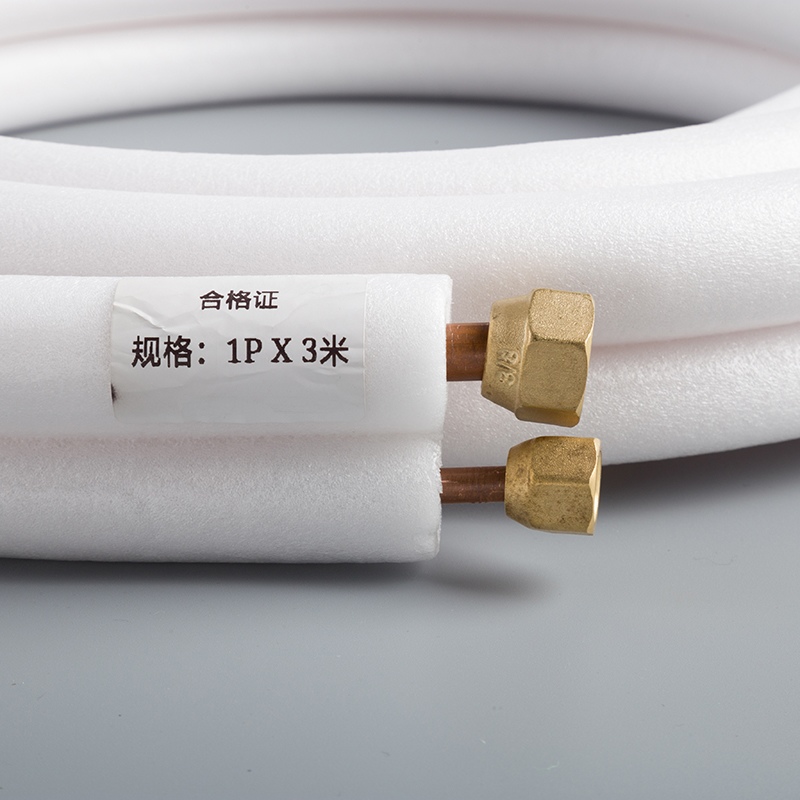
Professional installation ensures your copper pipes function efficiently and last longer. Experts use precise tools and techniques to cut, bend, and join pipes seamlessly. They also plan the pipe layout to minimize bends and kinks, which can reduce efficiency. By hiring professionals, you avoid costly mistakes and ensure your air conditioning system operates at peak performance.
Tip: Always choose certified technicians for installing copper pipes. Their expertise guarantees proper alignment and secure connections, reducing the risk of leaks or damage.
Avoiding common mistakes during setup
Avoiding mistakes during installation is crucial for maintaining your AC system's efficiency. Here are some common errors to watch out for:
Using substandard materials that may lead to leaks or breakdowns.
Incorrectly calculating the air conditioner’s capacity, which affects cooling performance.
Poor-quality bends in the pipes, which can cause refrigerant leaks.
Improper drain pipe installation, leading to water damage.
By addressing these issues, you can ensure a smooth and efficient setup for your copper pipes.
Regular Maintenance Practices
Inspecting for leaks and corrosion
Regular inspections help you identify potential problems early. Use these best practices to check for leaks and corrosion:
Perform visual inspections for moisture, water stains, or mold around pipe joints.
Use a pressure gauge to detect drops in pressure, which may indicate leaks.
Apply protective coatings to exposed pipes to prevent corrosion in humid environments.
Routine checks keep your pipes in good condition and extend their lifespan.
Cleaning and maintaining pipe integrity
Cleaning your copper pipes prevents blockages and ensures smooth refrigerant flow. Remove debris regularly to avoid airflow restrictions. Insulating pipes also prevents freezing and bursting during colder months. Avoid harsh cleaning agents, as they can corrode the pipes. These maintenance best practices improve the integrity of your pipes and enhance the overall performance of your AC system.
Troubleshooting Common Issues
Identifying signs of wear and tear
Over time, copper pipes may show signs of wear. Look for cracks, discoloration, or unusual noises from your AC system. These signs often indicate leaks or structural damage. Addressing these issues promptly prevents further complications.
Knowing when to replace copper pipes
If your pipes frequently leak or show extensive corrosion, it may be time to replace them. Old pipes can compromise your AC system’s efficiency and increase energy costs. Replacing them with high-quality options ensures long-term reliability and performance.
Note: Regular maintenance and timely replacements save you money by preventing major repairs and improving energy efficiency.
Choosing the right copper pipes is vital for the performance and longevity of your air conditioning system. The guide has covered various pipe types, installation tips, and maintenance practices to help you make informed decisions. Key takeaways include evaluating refrigerant type, system pressure, and pipe thickness to ensure durability and corrosion resistance. Always inspect for quality indicators like wall thickness and brand logos.
Consulting professionals or trusted suppliers can simplify the process. Experts provide insights on pipe durability, recommend installation techniques, and ensure compliance with local standards. Trusted suppliers also guide you on maintenance practices to extend the lifespan of your system. For convenience, explore options to air conditioner copper pipe buy online and find the best fit for your needs.
Tip: Matching pipe thickness to your AC system's requirements enhances performance and reduces long-term costs.
FAQ
What type of copper pipe is best for residential air conditioning?
Type L copper pipes work best for residential AC systems. They offer a balance of durability and affordability. Their medium wall thickness ensures reliable performance while being easier to install in tight spaces.
Tip: Always check your AC system’s specifications to confirm compatibility with Type L pipes.
Can I use Type M copper pipes for my air conditioner?
Type M pipes are not recommended for air conditioners. Their thin walls cannot handle the high pressure of refrigerants. They are better suited for low-pressure water systems.
Note: Using Type M pipes in AC systems may lead to leaks and system failures.
How do I measure the correct size of copper pipes for my AC?
Measure the pipe diameter based on your AC’s cooling capacity. Larger systems require wider pipes for efficient refrigerant flow. Use a pipe sizing chart or consult your AC manual for guidance.
Tip: Accurate measurements prevent inefficiencies and ensure proper system performance.
Are copper pipes environmentally friendly?
Yes, copper pipes are eco-friendly. They are 100% recyclable and can be reused without losing quality. Recycling copper reduces energy consumption and minimizes waste.
♻️ Choosing copper pipes supports sustainable practices and helps lower your environmental footprint.
How often should I inspect my AC copper pipes?
Inspect your copper pipes every six months. Look for signs of leaks, corrosion, or damage. Regular maintenance ensures your AC system operates efficiently and prevents costly repairs.
Tip: Schedule inspections before peak cooling seasons to avoid unexpected issues.
See Also
The Benefits of Selecting Copper Pipes for AC Systems
The Importance of Pure Copper Pipes in Air Conditioning
Transforming Air Conditioning with Pure Copper Pipe Technology

© Copyright 2024 Dongguan Baoyuan Refrigeration Parts Co.,Ltd - All Rights Reserved.
