Why Copper Is the Best Choice for HVAC Systems

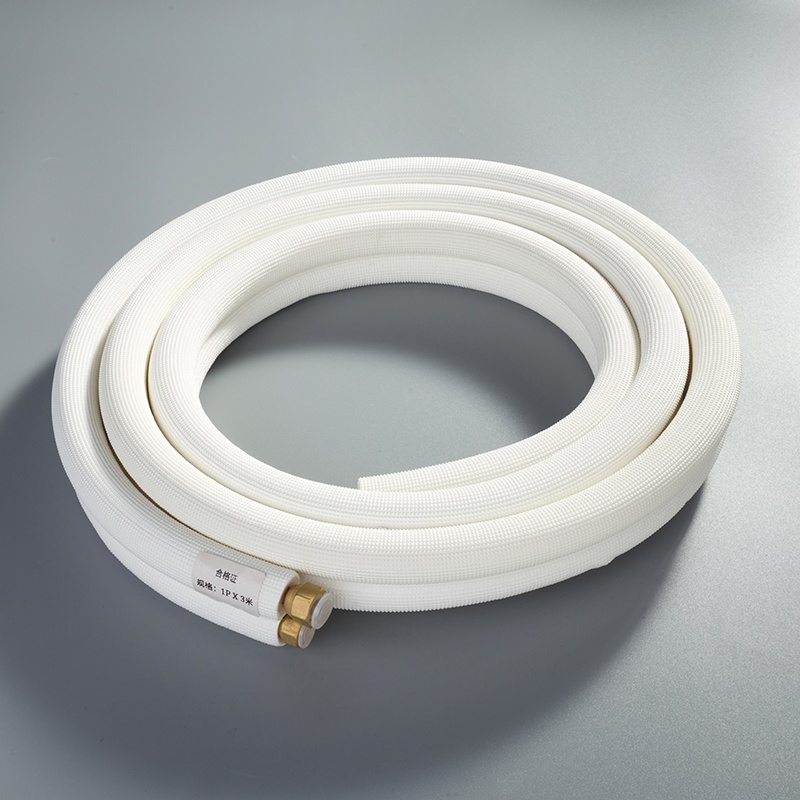
Benefits of Using Copper in HVAC Systems
In the realm of HVAC systems, the choice of materials holds paramount importance. Copper, a preferred material in this domain, stands out for its exceptional properties. Its high thermal conductivity and resistance to corrosion make it indispensable for heat exchangers and refrigeration systems. The market's inclination towards sustainable practices further elevates copper's value, given its recyclability and enduring lifespan. As an unsung hero in HVAC systems, copper tubing plays a pivotal role in maintaining indoor comfort through efficient heat transfer and durability.
Benefits of Using Copper in HVAC Systems
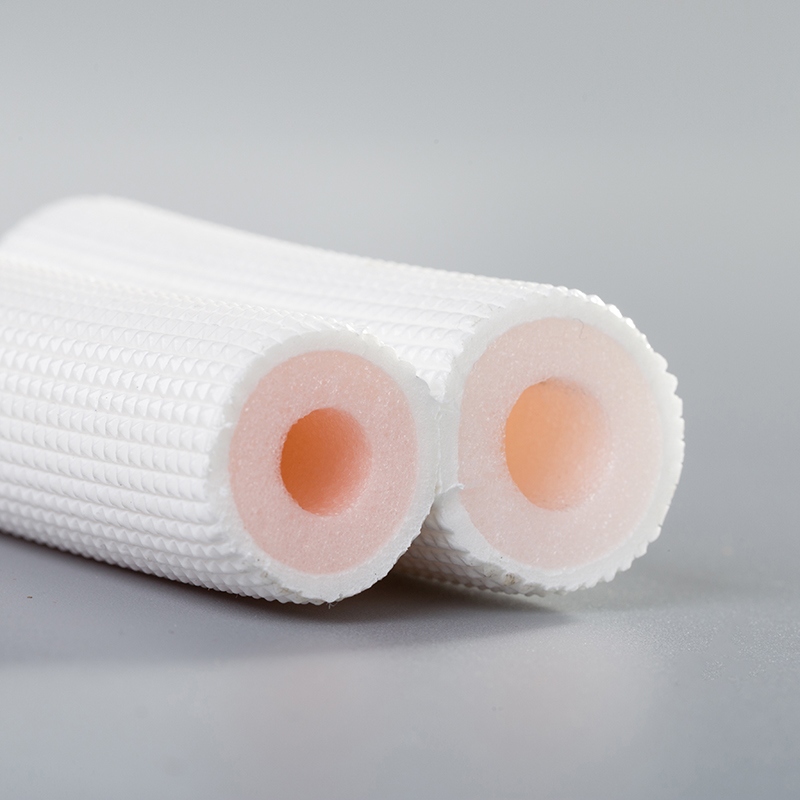
Durability and Longevity
Copper's innate ability to resist corrosion ensures the longevity and reliability of HVAC systems. Its exceptional durability and anti-corrosive properties make it the preferred choice for critical components such as heat exchangers and coils. Copper tubing plays a vital role in air conditioning systems, excelling at efficiently transferring heat and enduring the demands of refrigeration.
Resistance to Corrosion
Copper's resistance to corrosion is a standout feature that sets it apart from other materials. The durability of copper pipes ensures that HVAC systems remain robust over time, reducing the need for frequent replacements. This resistance to corrosion guarantees a longer lifespan for air conditioners, making them a reliable choice for sustainable HVAC installations.
High Tensile Strength
The high tensile strength of copper further enhances its durability in HVAC systems. It can withstand the pressures and demands of refrigeration processes without compromising its structural integrity. This strength contributes to the overall reliability of copper tubing, ensuring optimal performance in various HVAC applications.
Thermal Conductivity
Copper's exceptional thermal conductivity is a game-changer in HVAC systems, enabling efficient heat transfer and significant energy savings. Its high thermal conductivity rating nearly 60 times higher than stainless steel allows for rapid and effective heat exchange within HVAC components.
Efficient Heat Transfer
The efficiency of heat transfer in HVAC systems is greatly enhanced by copper tubes due to their superior thermal conductivity. Copper's ability to quickly conduct heat ensures that cooling or heating processes are carried out effectively, maintaining indoor comfort levels with minimal energy consumption.
Energy Savings
By utilizing copper tubes in HVAC systems, significant energy savings can be achieved. The high thermal conductivity of copper reduces the energy required for heat transfer, leading to lower operational costs and increased energy efficiency. Choosing copper translates into long-term savings on energy bills while promoting sustainability through reduced resource consumption.
Reliability and Safety
Copper's reliability and safety features make it an ideal choice for ensuring optimal performance and health standards in HVAC systems. Its non-combustible properties and bacteriostatic nature contribute significantly to maintaining a safe indoor environment free from harmful microorganisms.
Non-combustible Properties
The non-combustible nature of copper adds an extra layer of safety to HVAC installations by reducing fire hazards associated with combustible materials. Copper's fire-resistant properties ensure that HVAC systems operate securely without compromising building safety standards.
Bacteriostatic Properties
Copper's bacteriostatic properties inhibit the growth of harmful microorganisms within HVAC systems, promoting cleaner indoor air quality. By incorporating copper components, such as tubes or coils, microbial contamination risks are minimized, creating a healthier environment for occupants.
Practical Considerations
When considering the practical aspects of HVAC systems, Copper emerges as a cost-effective and reliable choice. Its unique properties set it apart from other materials, ensuring long-term savings and efficient performance.
Cost-Effectiveness
Initial Investment vs. Long-term Savings
Copper stands out for its cost-efficiency in HVAC systems. While the initial investment may be slightly higher, the long-term savings outweigh this factor significantly. The durability and energy efficiency of copper result in reduced operational costs over time.
Comparison with Other Materials
Comparing Copper to alternative materials reveals its superiority in terms of sustainability and performance. Unlike other materials, copper is fully recyclable, reducing energy consumption and offering natural resistance to corrosion.
Maintenance and Upkeep
Ease of Maintenance
Maintaining HVAC systems with copper components is straightforward due to the material's inherent properties. Copper's durability minimizes the need for frequent repairs or replacements, saving both time and resources in the long run.
Longevity Reducing Replacement Needs
The longevity of copper components plays a crucial role in reducing replacement needs within HVAC systems. By opting for copper tubing or coils, property owners can enjoy extended lifespans for their installations without compromising on performance.
Professional Installation
Availability of Skilled Labor
Ensuring professional installation by skilled labor is essential for maximizing the benefits of copper in HVAC systems. Proper installation practices guarantee optimal performance and longevity, enhancing the overall efficiency of heating and cooling processes.
Standardized Installation Practices
Following standardized installation practices is key to leveraging the full potential of copper components in HVAC systems. Adhering to industry standards ensures safety, reliability, and efficiency in operation, making it a worthwhile investment for property owners.
Environmental Impact
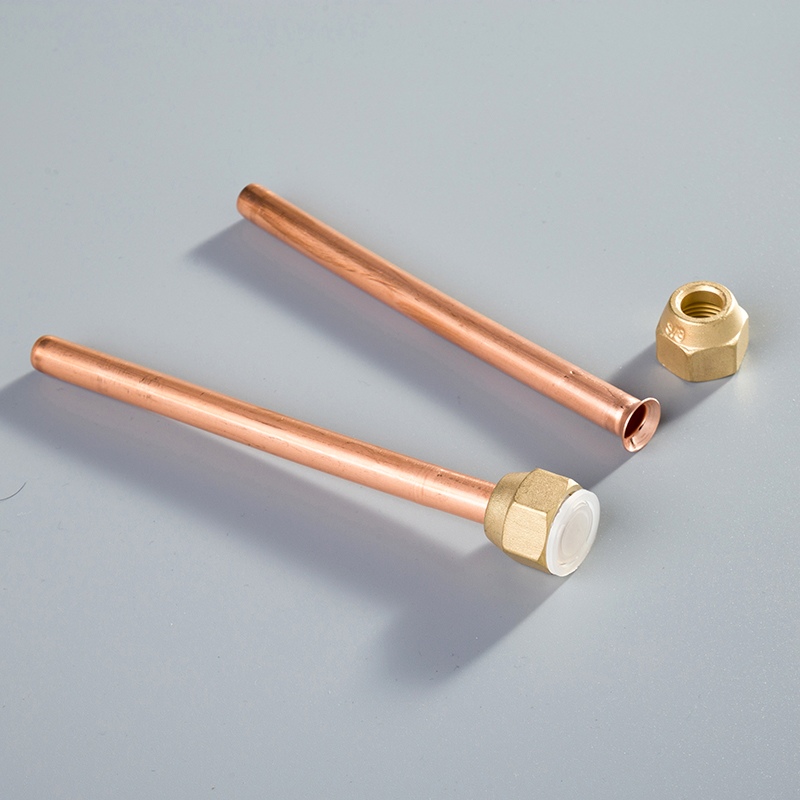
In the realm of HVAC systems, copper emerges as a sustainable and energy-efficient choice, significantly impacting environmental sustainability and operational efficiency. The recyclability of copper tubing in air conditioning systems plays a vital role in reducing waste and promoting eco-friendly construction practices.
Sustainability
Recyclability of Copper
Copper's recyclability is a key factor in promoting sustainable HVAC practices. The ability to recycle copper tubing reduces environmental impact by minimizing resource consumption and waste generation. By incorporating recycled copper components, HVAC systems contribute to a circular economy model that prioritizes sustainability.
Reduced Environmental Footprint
The utilization of copper pipes and tubes in HVAC systems leads to a reduced environmental footprint. Copper's durability and resistance to corrosion ensure long-lasting performance, decreasing the need for frequent replacements that can contribute to waste accumulation. This longevity aligns with sustainable practices, emphasizing the importance of choosing materials with lasting benefits.
Energy Efficiency
Lower Energy Consumption
Copper tubing's impact on energy efficiency is substantial within HVAC systems. The high thermal conductivity of copper allows for rapid heat exchange, reducing the energy required for heating or cooling processes. By utilizing copper components, HVAC systems operate more efficiently, leading to lower energy consumption and decreased operational costs.
Contribution to Green Building Standards
Copper's role in contributing to green building standards is significant due to its eco-friendly properties. The demand for energy-efficient HVAC systems has elevated the importance of materials like copper that promote sustainability. By integrating copper pipes and tubes into HVAC installations, buildings can adhere to green construction guidelines while enhancing overall system performance.
HVAC professionals emphasize that copper tubing is the unsung hero of HVAC systems, playing a pivotal role in maintaining indoor comfort. Its exceptional heat transfer properties, durability, and ease of fabrication make it the preferred choice for critical components like heat exchangers and coils. Leveraging the efficiency and sustainability of copper reduces energy consumption and minimizes environmental impact. By nature, copper's low reactivity ranking ensures long-lasting standard construction for HVAC systems, providing natural protection against corrosion. Copper emerges as a reliable and eco-friendly option for future HVAC projects.
See Also
Benefits of Opting for Copper Tubing in Air Conditioning
Key Advantages of Copper Piping in Air Conditioning
Exploring the Major Advantages of Copper Tubing in AC

© Copyright 2024 Dongguan Baoyuan Refrigeration Parts Co.,Ltd - All Rights Reserved.
