How to Choose the Best Copper Pipe for Your Mini Split Air Conditioner

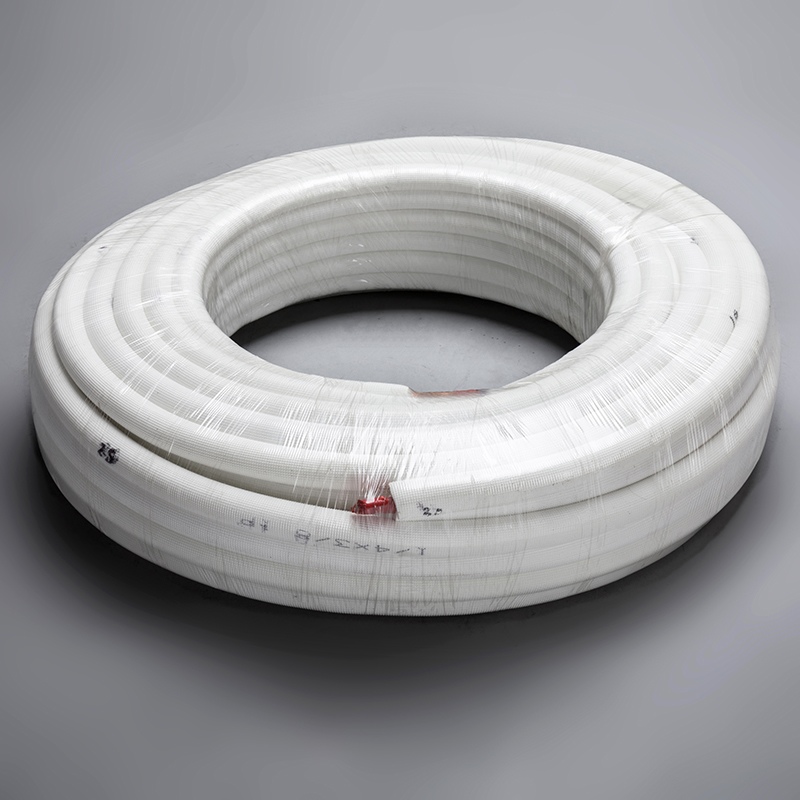
When using a mini split air conditioner, a copper pipe for mini split air conditioner is essential. These pipes help the unit operate efficiently and save energy. High-quality copper pipes also contribute to the longevity of the system. Using the wrong type of pipes can lead to poor performance or even damage to the system. Strong copper pipes are the best choice for your cooling needs. Be sure to select the right size, quality, and insulation to enhance efficiency. This ensures your unit runs smoothly for many years.
Key Takeaways
Picking the right copper pipe helps your mini split work well. It keeps refrigerant flowing smoothly for better cooling and energy savings.
Good copper pipes stop leaks and damage. Strong pipes don’t rust and last longer, saving repair costs over time.
Insulation is very important. It prevents energy loss and shields pipes from temperature changes, making your system work better.
Always use the correct pipe size for your mini split. Wrong sizes can cause bad performance and higher energy bills.
Don’t make common installation mistakes. Using proper methods keeps your system running well and lasting longer, giving you comfort for years.
Why the Right Copper Pipe Matters for Your Mini Split System
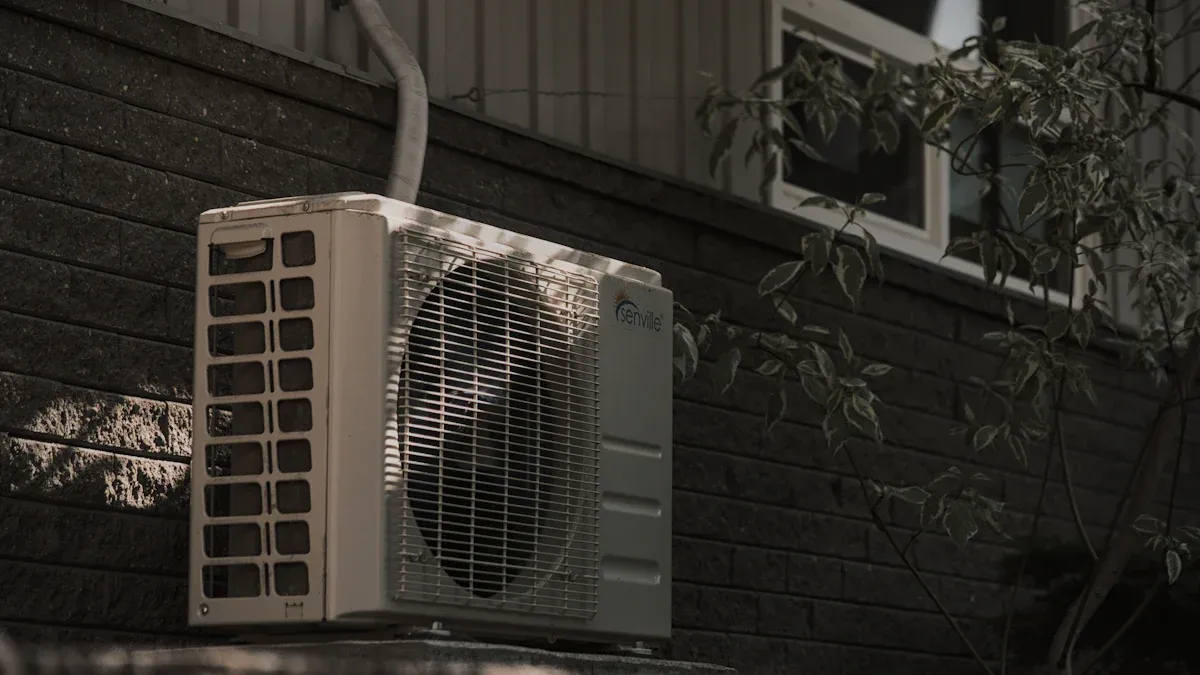
Helps Your System Work Better
The copper pipe in your mini split AC is important. Picking the right pipe helps your system work well. Good copper pipes let refrigerant flow smoothly. This keeps your unit cooling or heating evenly. It also lets your system handle its BTU capacity without problems.
Here’s how the right pipe improves performance:
Performance Metric | Improvement Percentage |
|---|---|
Less space inside the pipe | Up to 41% |
Smaller coil size | 57% |
These changes mean your mini split uses less energy but works better. You save money and stay comfortable.
Stops Energy Waste
Saving energy is important for mini split systems. Bad pipes or wrong sizes can cause leaks or pressure drops. This wastes energy and makes your system work harder. Good copper pipes stop these problems. They keep refrigerant sealed and flowing well.
Insulation also helps. Insulated pipes stop heat from escaping or entering. This keeps your system working efficiently, even in extreme weather.
Makes Your System Last Longer
The right copper pipe doesn’t just improve performance—it helps your system last longer. Strong copper resists rust and damage. This protects your mini split from wear over time. When your system doesn’t struggle with leaks or inefficiencies, its parts stay in good shape.
Think of it like this: choosing the right pipe now saves you money later. It’s a small decision that keeps your mini split working for years.
Key Factors to Pick the Right Mini Split Line Set
Choosing the right mini split line set is very important. It helps your system work well and last longer. Let’s look at the key things to consider.
Pipe Size and System Details
The first step is picking the correct pipe size. The size of the copper pipes affects how refrigerant moves. Pipes that are too small make the system work harder. Pipes that are too big waste energy and cause problems.
Here are some important pipe size details:
Liquid Line Outer Diameter: 3/8 inch
Suction Line Outer Diameter: 5/8 inch
Insulation Thickness: 1/2 inch
Line Set Length: Usually 50 feet
Always match the pipe size to your unit’s connection. Pipes that fit well prevent leaks and keep refrigerant flowing smoothly. If you’re unsure, check your system’s manual for the right size.
Tip: Local rules may require certain materials or methods. Check these before starting your project.
Quality and Strength of Materials
The quality of copper pipes matters a lot. Strong copper, like C12200, is the best choice. It is tested to handle high pressure and heat.
Here’s why good copper pipes are worth it:
Durability: Strong copper lasts longer and avoids leaks.
Performance: Well-made pipes improve refrigerant flow and save energy.
Corrosion Resistance: They stay reliable even in tough conditions.
Warranty: Many good pipes come with a 10-year warranty for peace of mind.
Feature | Benefit |
|---|---|
Premium-grade copper construction | Strong and reliable, reducing leaks and failures. |
Superior insulation properties | Stops energy loss and protects pipes from moisture damage. |
Enhanced corrosion resistance | Works well for years, even in bad weather. |
Good copper pipes not only improve performance but also save money on repairs later.
Why Insulation Matters
Insulation is often forgotten but very important. It stops energy loss and keeps refrigerant at the right temperature. It also protects pipes from damage. Without insulation, your system may lose efficiency.
Here’s what to know about insulation:
Material Options: Elastomeric materials work very well.
Thickness: Use at least 1/2 inch thick insulation.
Temperature Stability: Insulation keeps refrigerant steady, even in extreme weather.
Fluid Temperature Range (°F) | Minimum Insulation Thickness (inches) |
|---|---|
Above 350°F | 4.5 |
201-250°F | 2.5 |
Good insulation makes your system work better and protects copper pipes. It stops moisture, which can cause rust or freezing in cold weather.
Note: Pre-insulated copper line sets save time. They are ready to use and need no extra preparation.
By focusing on pipe size, material quality, and insulation, you can pick the best mini split line set for great performance and long-lasting reliability.
Compatibility with Mini Split System Requirements
When picking a mini split line set, it must fit your system. If it doesn’t match, problems like leaks or poor performance can happen. Let’s go over what to check for a perfect fit.
1. Match the Refrigerant Type
Your mini split uses a specific refrigerant, like R-410A or R-32. The copper pipe for mini split air conditioner systems must work with this refrigerant. Using the wrong pipe can cause leaks or damage. Always check your unit’s manual to confirm the refrigerant type and pick the right line set.
Tip: Most modern line sets list the refrigerant they support. Check this before buying.
2. Check the Pipe Length
The pipe length affects how well your system works. Pipes that are too short won’t connect the indoor and outdoor units. Pipes that are too long can lower refrigerant pressure and reduce efficiency. Manufacturers provide maximum and minimum pipe lengths. Follow these to avoid issues.
System Type | Recommended Line Set Length |
|---|---|
Small Mini Split (9,000 BTU) | 15–25 feet |
Medium Mini Split (18,000 BTU) | 25–50 feet |
Large Mini Split (24,000+ BTU) | 50+ feet |
Note: Longer pipes may need extra refrigerant to keep pressure steady.
3. Ensure Proper Connection Fittings
Mini split systems have specific connection sizes for liquid and suction lines. These must match the copper pipe dimensions in your line set. Wrong sizes can cause leaks or make installation hard. Most units list the needed outer diameter (OD), like a 3/8-inch liquid line and a 5/8-inch suction line.
4. Verify Insulation and Weather Resistance
The insulation on your line set should meet your system’s needs. Good insulation stops energy loss and protects pipes from weather. Some systems need UV-resistant insulation for sunlight exposure. Pre-insulated line sets save time and ensure proper fit.
By checking these details, you can avoid mistakes and keep your system running well. Compatibility isn’t just about fitting pipes—it ensures your unit works efficiently and lasts longer.
Common Mistakes to Avoid During Installation
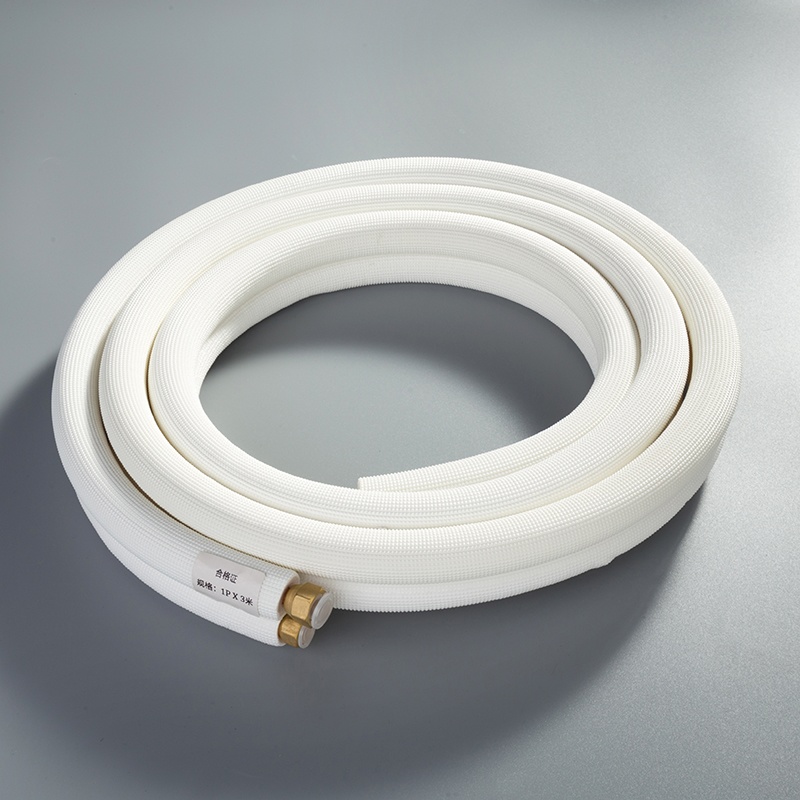
Even with great tools, bad installation can cause big problems. Avoiding mistakes helps your mini split system work well and last longer. Let’s look at common errors and how to avoid them.
Using the Wrong Pipe Sizes
Picking the wrong pipe size is a common mistake. The copper pipe size affects how refrigerant moves in the system. Pipes that are too small increase pressure, making the system less efficient. Pipes that are too big can lower capacity and damage parts.
Problem | What Happens |
|---|---|
Higher pressure drop | Makes the system less efficient and reduces performance. |
Lower capacity | Causes poor cooling or heating output. |
Part failure | Parts like valves may break due to wrong pipe sizes. |
Mini split makers give exact pipe sizes and lengths for best results. Not following these can cause refrigerant issues and poor performance. Always check your unit’s manual for the right pipe size.
Tip: Check liquid and suction line sizes before installing. This simple step avoids big problems later.
Using Cheap Copper Pipes
Not all copper pipes are the same. Cheap pipes may cost less now but cause problems later. Thin, low-quality pipes can leak or rust easily. Over time, this leads to refrigerant loss and expensive fixes.
Reports show more leaks from poor copper quality in recent years. Also, bad insulation on pipes often causes rust, needing costly repairs.
Good copper pipes last longer and work better. Strong pipes resist damage and keep your system running well. Look for pipes with good rust protection and a warranty to protect your money.
Note: Spending more on strong copper pipes now saves repair costs later.
Skipping Insulation
Skipping insulation is a big mistake during installation. Insulation keeps refrigerant lines safe from temperature changes. Without it, heat loss or gain happens, making the system work harder. This wastes energy and lowers efficiency.
The U.S. Department of Energy says sealing and insulating refrigerant lines can save up to 20% on energy bills. Insulation also stops moisture, which can cause rust or freezing in cold weather. Elastomeric insulation is a great choice because it’s durable and stable.
Pro Tip: Pre-insulated line sets save time and ensure proper insulation thickness.
Skipping insulation doesn’t just waste energy—it can also shorten your system’s life. Protect your system by insulating all refrigerant lines properly.
By avoiding these mistakes, your mini split system will work better and last longer. Take your time during installation to enjoy reliable performance and lower energy costs.
Skipping System Compatibility
Ignoring system compatibility can cause big issues for your mini split. Each unit is made to work with specific parts. Using mismatched components can lower efficiency or even damage the system. Here’s what to check:
Wrong Refrigerant Type
Your mini split needs a certain refrigerant to work right. Using pipes that don’t match the refrigerant can cause leaks or poor performance. For instance, R-410A refrigerant needs pipes that handle high pressure.
Tip: Look at your unit’s manual to confirm the refrigerant type before buying pipes.
Pipe Length Problems
The length of the refrigerant line affects how well your system works. Pipes that are too short won’t connect the indoor and outdoor units. Pipes that are too long can drop refrigerant pressure, lowering efficiency. Manufacturers give maximum and minimum pipe lengths for their systems.
System Type | Recommended Line Set Length |
|---|---|
Small Mini Split (9,000 BTU) | 15–25 feet |
Medium Mini Split (18,000 BTU) | 25–50 feet |
Large Mini Split (24,000+ BTU) | 50+ feet |
Note: Longer pipes may need extra refrigerant to keep pressure steady.
Wrong Fitting Sizes
Mini split systems need specific connection sizes for liquid and suction lines. If the fittings don’t match, you might get leaks or installation problems. Check the outer diameter (OD) of the pipes to make sure they fit your unit.
By focusing on these details, you can avoid expensive mistakes. Compatibility isn’t just about fitting parts—it ensures your system works efficiently and lasts longer.
Bad Pipe Bending and Installation
How you install copper pipes can affect your mini split’s performance. Poor techniques can cause leaks, lower efficiency, or even break the system. Let’s look at common mistakes and how to avoid them.
Bad Pipe Bending
Copper pipes bend easily, but bending them wrong can cause kinks or cracks. These problems block refrigerant flow and make your system less efficient.
Here’s how to bend pipes correctly:
Use a pipe bender for smooth, even curves.
Don’t bend pipes by hand—it can create uneven shapes.
Check for damage after bending.
Pro Tip: Practice bending on scrap pipes if you’re new to it.
Skipping Flare Connections
Flare connections seal the refrigerant line. Skipping this step or doing it poorly can cause leaks. Always use a flaring tool to secure the pipes to the unit.
Over-Tightening Connections
Tightening connections too much can damage fittings or crush pipe ends. This leads to leaks and costly repairs. Tighten just enough to seal without deforming the pipe.
Forgetting Pipe Insulation
Insulation isn’t just for saving energy—it also protects pipes. Without insulation, pipes can freeze in winter or rust from moisture. Pre-insulated pipes save time and protect better.
Not Checking for Leaks
Always test for leaks after installation. Use a nitrogen pressure test or soap bubble test to check connections. Skipping this step can cause refrigerant loss and poor performance.
By following these steps, your mini split will work better and last longer. Taking time to install pipes properly saves money and prevents future problems.
Picking the right copper pipe for your mini split is important. It helps your system work well and last longer. Pay attention to things like pipe size, material strength, and insulation. Ensure everything fits your system’s requirements.
Avoid errors like choosing the wrong pipe size or skipping insulation. These simple steps save money and keep your air conditioner running smoothly. With good decisions, your mini split will keep your home cool and comfy for a long time.
FAQ
What size copper pipe is needed for a mini split?
The size depends on your system. Most mini splits use a 3/8-inch liquid line and a 5/8-inch suction line. Check your manual for exact details. Using the wrong size can cause leaks or lower efficiency.
Can I use any type of copper pipe?
No, not all copper pipes work. You need strong, refrigeration-grade copper pipes like C12200. These pipes handle high pressure and resist rust, helping your system last longer and work better.
Is insulation for copper pipes necessary?
Yes, insulation is very important. It stops energy loss, keeps refrigerant at the right temperature, and protects pipes from damage. Use insulation that’s at least 1/2-inch thick. Pre-insulated pipes save time and effort.
How long can copper pipes be for a mini split?
The length depends on your system. Small units (9,000 BTU) usually need 15–25 feet, while larger ones (24,000+ BTU) may need 50+ feet. Follow the manufacturer’s rules to avoid problems like pressure drops.
What happens if copper pipes are bent wrong?
Bending pipes wrong can cause kinks or cracks. This blocks refrigerant flow, lowers efficiency, and might harm your system. Always use a pipe bender for smooth curves and check for damage after bending.
See Also
The Benefits Of Selecting Copper Pipes For Cooling Systems
The Importance Of Pure Copper Pipes In Air Conditioning
Transforming Air Conditioning With Pure Copper Pipe Technology

© Copyright 2024 Dongguan Baoyuan Refrigeration Parts Co.,Ltd - All Rights Reserved.
