Ductless Mini-Split Copper Pipes: Best Choice?

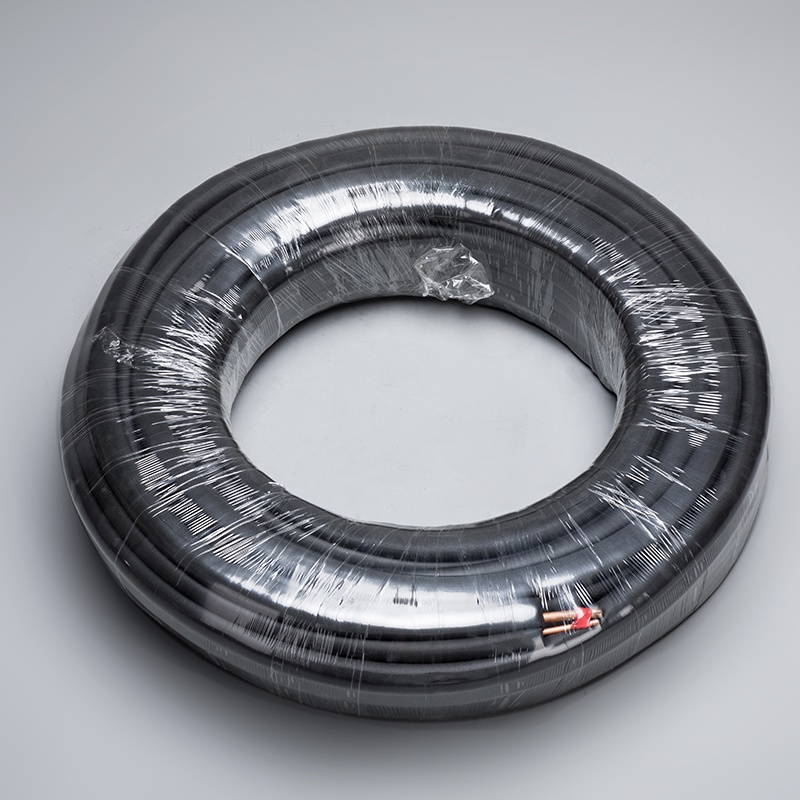
Ductless mini-split systems provide an efficient solution for heating and cooling spaces without the need for extensive ductwork. These systems depend significantly on ductless mini-split copper pipes, which are essential for their functionality. Copper piping for HVAC connects the indoor and outdoor units, facilitating the seamless flow of refrigerant. The high heat conductivity of copper ensures energy efficiency, helping to reduce costs and maintain consistent temperatures. Furthermore, the durability and corrosion resistance of copper make it an ideal choice for long-lasting performance. By opting for ductless mini-split copper pipes, you secure a reliable and efficient HVAC solution for your home or office.
Advantages of Copper Pipes
When considering ductless mini-split systems, copper piping for HVAC emerges as a superior choice. Let's explore the advantages that make ductless mini-split copper pipes an excellent option for your heating and cooling needs.
Durability
Copper pipes offer remarkable durability, which is crucial for long-term performance in HVAC systems.
Long lifespan
Copper pipes boast a long lifespan, ensuring that your ductless mini-split system remains reliable over the years. The inherent strength of copper allows it to withstand various environmental conditions without degrading. This longevity means fewer replacements and repairs, saving you time and money.
Resistance to wear and tear
Copper's resistance to wear and tear further enhances its durability. Unlike other materials, copper maintains its integrity even under constant use. This resilience makes copper piping for HVAC a wise investment, as it reduces the likelihood of unexpected failures or leaks.
Resistance to Corrosion
Copper's natural properties make it highly resistant to corrosion, a common issue in HVAC systems.
Natural properties of copper
Copper possesses unique natural properties that prevent corrosion. Its biostatic nature inhibits the growth of bacteria and viruses, ensuring a clean and safe environment. This characteristic not only extends the life of the pipes but also contributes to the overall health of your HVAC system.
Comparison with other materials
Compared to other materials like aluminum, copper stands out for its corrosion resistance. While aluminum may offer cost benefits, it is susceptible to formicary corrosion, which can lead to premature failures. Copper, on the other hand, remains robust and reliable, making it the preferred choice for ductless mini-split systems.
Efficiency in Refrigerant Flow
Copper piping for HVAC plays a vital role in maintaining efficient refrigerant flow, which is essential for optimal system performance.
Conductivity benefits
Copper's high heat conductivity ensures efficient energy transfer within the system. This property allows for quick and effective heating or cooling, reducing energy consumption and lowering utility bills. By choosing ductless mini-split copper pipes, you benefit from enhanced energy efficiency.
Impact on system performance
The efficiency of refrigerant flow directly impacts the performance of your HVAC system. Copper pipes facilitate smooth and consistent refrigerant movement, preventing bottlenecks and ensuring that your system operates at peak efficiency. This seamless flow translates to better temperature control and comfort in your space.
Comparison with Alternative Materials
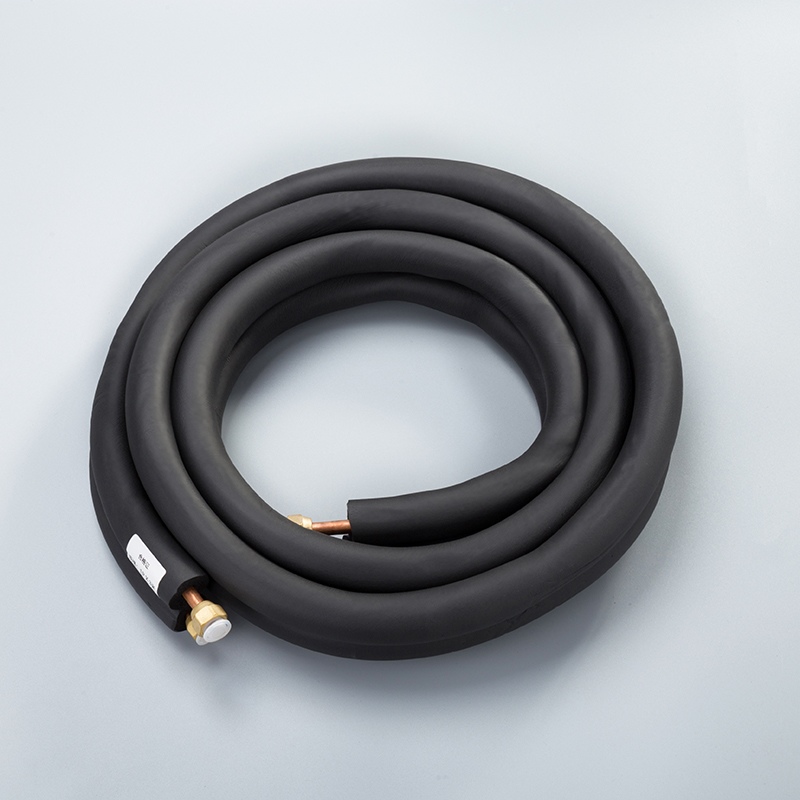
When choosing materials for ductless mini-split systems, you might consider alternatives to copper. Let's explore how these options stack up against copper pipes.
Aluminum Pipes
Aluminum pipes often come up as a potential alternative to copper. Understanding their differences can help you make an informed decision.
Cost differences
Aluminum pipes generally cost less than copper pipes. This lower price might seem appealing if you're on a tight budget. However, the initial savings may not outweigh the long-term benefits of copper's durability and efficiency. Copper's durability and efficiency often lead to fewer repairs and replacements, which can save you money over time.
Performance comparison
In terms of performance, copper outshines aluminum. Copper's high heat conductivity ensures efficient energy transfer, which is crucial for maintaining optimal system performance. Aluminum, while immune to formicary corrosion, lacks the same level of heat conductivity. This difference can impact the overall efficiency of your HVAC system. Additionally, copper's biostatic nature prevents bacterial growth, contributing to a healthier environment.
Other Materials
Besides aluminum, other materials like plastic and steel also serve as alternatives. Let's examine how they compare to copper.
Plastic Pipes
Plastic pipes offer flexibility and ease of installation. However, they fall short in durability and heat conductivity. Plastic cannot match copper's ability to withstand wear and tear over time. Moreover, plastic pipes may not provide the same level of efficiency in refrigerant flow, potentially affecting your system's performance.
Steel Pipes
Steel pipes present another option, known for their strength. Yet, they lack the corrosion resistance that copper offers. Steel can corrode over time, leading to leaks and system inefficiencies. Copper's natural resistance to corrosion makes it a more reliable choice for long-lasting performance.
Potential Issues and Mitigation
Corrosion Concerns
Copper pipes, while highly durable, can face corrosion under certain conditions. Understanding the causes and prevention methods is crucial for maintaining the integrity of your ductless mini-split system.
Causes of Corrosion
Corrosion in copper pipes often results from exposure to corrosive environments. Factors such as moisture, pollutants, and chemicals can accelerate the corrosion process. For instance, environments with high humidity or acidic conditions can lead to the deterioration of copper over time. Additionally, improper installation or lack of maintenance can contribute to corrosion issues.
Prevention Methods
Regular maintenance checks can also identify early signs of corrosion, allowing for timely intervention. Using corrosion inhibitors, both organic and inorganic, can provide an additional layer of protection. These inhibitors form a protective film on the copper surface, preventing corrosive elements from causing damage. Regular maintenance checks can also identify early signs of corrosion, allowing for timely intervention.
Importance of Quality Materials
The quality of materials used in your ductless mini-split system plays a vital role in its performance and longevity. Selecting high-quality copper and ensuring proper installation are key factors in achieving optimal results.
Selecting High-Quality Copper
When choosing copper pipes, prioritize quality. High-quality copper offers superior durability and resistance to corrosion. It ensures efficient heat conductivity, which is essential for the effective operation of your HVAC system. Look for copper that meets industry standards and specifications to guarantee reliability and performance.
Proper Installation Techniques
Proper installation techniques are equally important in preventing potential issues. Ensure that skilled professionals handle the installation of your ductless mini-split system. They should follow best practices to avoid common pitfalls such as improper fittings or inadequate insulation. Correct installation not only enhances the efficiency of your system but also extends its lifespan, providing you with a reliable heating and cooling solution.
In summary, copper pipes stand out as the optimal choice for ductless mini-split systems. You benefit from their durability, corrosion resistance, and efficient heat conductivity. These qualities ensure long-lasting performance and energy efficiency. Copper's ability to transfer heat quickly makes it a superior option compared to other materials. By choosing copper, you secure a reliable HVAC solution that requires minimal maintenance. Embrace the advantages of copper pipes for a seamless and efficient heating and cooling experience in your space.
See Also
Benefits of Opting for Copper Tubing in Air Conditioning
Exploring the Perfect Insulation for Copper Tubing
The Transformational Power of Pure Copper Tubing in AC
Revealing the Economic Advantages of Dual Copper Tubing Coils
Unlocking the Cooling Benefits: Pure Copper Tubing in AC Units

© Copyright 2024 Dongguan Baoyuan Refrigeration Parts Co.,Ltd - All Rights Reserved.
