How to Choose the Best Insulated Copper Pipes for Split ACs

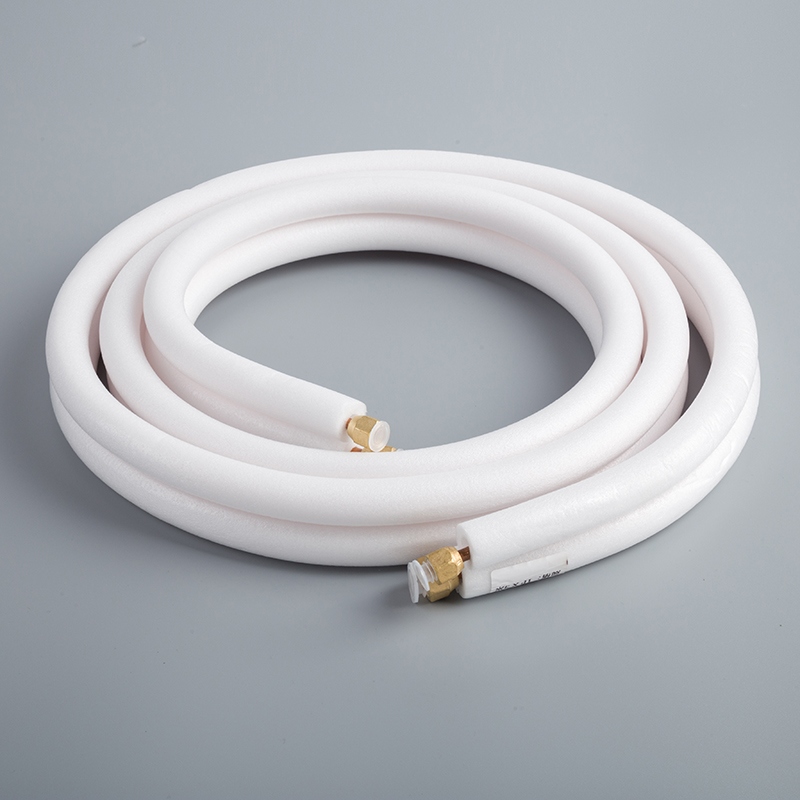
Choosing the right copper pipe with insulation for split ACs is important. It helps your air conditioner work well and last longer. Good insulation keeps the refrigerant cold, improving cooling and saving power. It also stops water drops forming, protecting pipes and nearby areas.
Bad or incorrect pipes can make your AC less efficient. This can lead to breakdowns and higher electricity costs. Insulated copper pipes with insulation reduce heat transfer, making cooling quicker and rooms more comfortable. Purchasing high-quality copper pipe with insulation for split AC systems avoids expensive repairs and keeps your AC functioning smoothly.
Key Takeaways
Picking the right copper pipes helps your AC work better and last longer.
Proper insulation stops water damage and keeps refrigerants at the right temperature.
Choose the right pipe size for good refrigerant flow and cooling.
Using quality pipes saves money on repairs and lowers energy bills.
Taking care of pipes and insulation keeps cooling efficient and avoids big repairs.
Understanding Copper Pipes with Insulation for Split ACs
The role of copper pipes in split AC systems
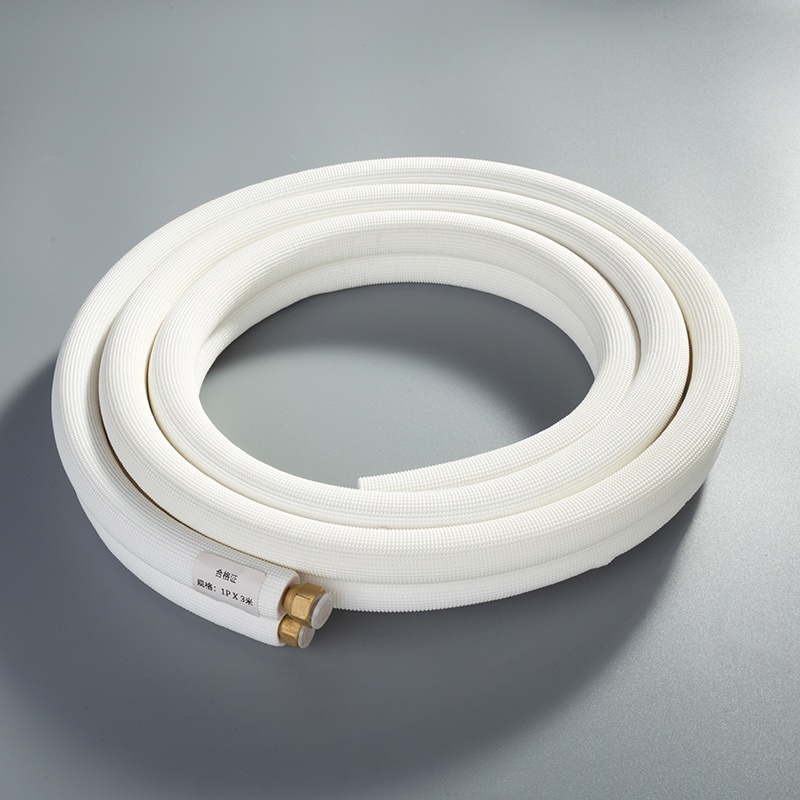
Copper pipes are very important for split AC systems. They link the indoor and outdoor units, creating the cooling system's main pathway. These pipes carry the refrigerant, which is needed to cool your home. Without them, the AC cannot work properly.
The indoor unit has an evaporator coil made of copper pipes. This coil cools your home by taking heat out of the air. This process keeps your home comfortable. Copper pipes also control the refrigerant's flow and pressure, which is key for good performance. They are strong and handle high pressure, making them the best choice for AC systems.
Why insulation is essential for energy efficiency and condensation prevention
Insulated copper pipes help your split AC work better. The insulation stops heat from moving between the refrigerant and the air. This keeps the refrigerant at the right temperature for cooling or heating. It also saves energy, lowering your electricity bills.
Insulation also stops water from forming on the pipes. Without it, moisture can build up, causing water damage and less efficiency. Dry pipes improve air quality by stopping mould and mildew. Insulation also protects pipes from damage, helping them last longer.
Here are the main benefits of insulating copper pipes in split ACs:
Stops water build-up and damage.
Keeps refrigerant at the right temperature.
Saves energy and improves efficiency.
Protects pipes from rust and extends their life.
Meets safety rules for reliable use.
Using good insulated copper pipes ensures your AC works well and lasts longer.
Key Things to Think About When Picking Copper Pipes
Pipe size and how it affects cooling and pressure
The size of copper pipes is very important for ACs. The pipe's width changes how refrigerants flow, which impacts cooling and pressure. If the pipe is too narrow, refrigerant flow slows down. This makes cooling less effective and the system works harder. If the pipe is too wide, refrigerant moves poorly, lowering performance.
When choosing pipes, check the length and width based on your AC's needs. Longer pipes might need wider diameters to keep good pressure. Always follow the maker's instructions to match refrigerants and system needs.
Insulation quality: Thickness, material, and UV protection
Good insulation helps copper pipes work better and last longer. It stops heat from moving, keeping refrigerants at the right temperature. It also stops water drops, avoiding damage and mould.
Different insulation features affect how well the system works:
Insulation Feature | How It Helps |
|---|---|
Thickness | Stops heat loss, improving cooling |
Material | Blocks moisture and keeps good thermal properties |
UV Protection | Stops sunlight damage, making insulation last longer |
Top-quality insulation can cut energy bills by up to 30%. It also keeps air clean by stopping leaks and heat that harm AC parts. Pick insulation with strong UV protection and good thickness for long-lasting use.
Matching refrigerants and system needs
Matching refrigerants is key for safe and efficient AC systems. Different refrigerants have unique traits that affect pipe performance. For example, some pipes handle modern refrigerants like R410A and R32 better.
Make sure pipes fit your system’s needs. Check pipe length, pressure strength, and heat flow to match your AC. Using the wrong pipes can cause leaks, poor cooling, or system failure.
Here’s a comparison to help you decide:
Copper Pipe Type | Rust Resistance | Heat Flow | Pressure Strength | Uses |
|---|---|---|---|---|
SWG22 | Strong | Excellent | Normal | Split and Central ACs |
Type L | Better | Good | High | Big Commercial and Industrial ACs |
Mexflow | Strong | Great | Normal | Home and Business Refrigeration |
Choosing the right copper pipes ensures refrigerant compatibility and better system performance.
Wall thickness and rust resistance for lasting use
Thicker walls make copper pipes stronger and more durable. They handle pressure well and resist damage, making them reliable. Pipes with even wall thickness work better and avoid leaks or breaks.
Tests on TP2 copper pipes showed rolling affects wall thickness. Ultrasonic checks found uneven thickness lowers pressure strength over time. Pipes with steady thickness stayed strong under stress, perfect for split ACs.
Rust resistance is also key for durability. Plain copper pipes last over 20 years but may get small rust spots. Tin-coated pipes resist rust better, stopping deep damage and lasting longer than 20 years.
Pick pipes with good wall thickness and rust protection. These features keep your AC pipes working well for many years.
Saving money: Balancing quality, lifespan, and cost
Choosing copper pipes means thinking about price and long-term value. Copper pipes cost more at first but save money later.
Top copper pipes cool rooms better with great heat transfer.
They last longer, so you won’t replace them often.
Easy-to-install designs cut labour costs and improve efficiency.
Less upkeep means lower costs over time.
Buying high-quality copper pipes ensures they work well with refrigerants. Cheap pipes might seem good but cost more in repairs later. Focus on quality for better performance and lower costs overall.
Types of Copper Pipes for Split ACs
Soft copper pipes vs hard copper pipes: Pros and cons
When picking copper pipes for split ACs, there are two types: soft copper pipes and hard copper pipes. Each has its own features and uses.
Soft copper pipes are bendable and easy to shape. This makes them great for tight spaces or when pipe length needs adjusting. They don’t need extra fittings for corners. But, they can get damaged easily with dents or bends. Careful handling is needed to keep them working well.
Hard copper pipes are strong and stiff. They don’t get damaged as easily during use or setup. These pipes are best for fixed setups where bending isn’t needed. However, their stiffness means you’ll need extra fittings for corners, which can cost more.
Here’s a simple comparison:
Feature | Soft Copper Pipes | Hard Copper Pipes |
|---|---|---|
Flexibility | Very flexible | Not flexible |
Durability | Okay | Very strong |
Installation Ease | Easy in small spaces | Needs extra fittings |
Cost | Cheaper upfront | Costs more due to fittings |
Ideal Use | Adjustable setups | Fixed setups |
Knowing these differences helps you choose the right pipe for your needs.
Pre-insulated copper pipes: Features and benefits
Pre-insulated copper pipes are ready-made with insulation. This saves time since you don’t need to add insulation yourself. The insulation keeps refrigerants cool, helping the AC work better.
One big benefit is energy saving. The insulation stops heat from affecting the refrigerant. This keeps cooling efficient and lowers electricity bills. It also stops water drops from forming, protecting the pipes from damage.
Pre-insulated pipes are quick to install. You can focus on fitting them without worrying about extra steps. Many have UV-resistant insulation, making them great for outdoor use in sunlight.
If you want an easy and durable option, pre-insulated copper pipes are a smart pick.
Common grades like Type L and their suitability for split ACs
Copper pipes come in different grades, each suited for specific jobs. For split ACs, Type L pipes are a top choice because they are strong and versatile.
Type L pipes have thicker walls than Type M pipes. This makes them tougher and able to handle high pressure. They work well with modern refrigerants like R410A and R32, ensuring good performance.
Another plus is their rust resistance. This helps them last longer, so you won’t need to replace them often. Whether for home or business ACs, Type L pipes are reliable.
When choosing a grade, check the pipe size and wall thickness. The right grade ensures smooth refrigerant flow and keeps your AC running efficiently.
Installation and Maintenance Tips for Insulated Copper Pipes
Tips for installing copper pipes with insulation for split ACs
Installing copper pipes properly helps your AC work well. Follow these steps to avoid problems like leaks or poor cooling:
Tip | Explanation |
|---|---|
Weld Connections | Weld where the copper pipe meets the branch pipe, not between pipes. |
Use Nitrogen | Add nitrogen during welding to stop air from entering and causing damage. |
Keep Pressure | Hold pressure for 24 hours: 40 kg for R410A and 20 kg for R22 refrigerants. |
These steps help refrigerant flow smoothly and improve cooling. Measure pipe length carefully to avoid extra bends that slow refrigerant. Always choose pipes that match your AC's refrigerants and pressure needs.
How to maintain insulation and save energy
Taking care of insulation keeps your AC energy-efficient. Broken insulation lets heat in, making cooling harder and bills higher. Check insulation often for cracks, tears, or sun damage. Replace damaged parts quickly to keep cooling effective.
Clean pipes and insulation to remove dirt and moisture. This stops mould and mildew from forming. For outdoor pipes, use UV-protected insulation to handle sunlight. Good maintenance makes your AC last longer and work better.
When to replace worn-out copper pipes
Copper pipes can wear out over time, affecting performance. Watch for these signs:
Cooling is weaker or uneven in different areas.
Rust or corrosion appears on the pipes.
Leaks or refrigerant loss happen, causing system issues.
If you see these problems, check pipes and connections for damage. Replace pipes with thick walls and rust protection for long-lasting use. Regular checks and timely replacements save money and keep your AC running smoothly.
Choosing the right insulated copper pipes for split ACs is important. You need to think about pipe size, insulation, and durability. These things affect cooling, energy use, and how long the system lasts. For example, the pipe size should match the AC’s cooling power and refrigerant type.
Cooling Power | Max Pipe Length |
|---|---|
1.5P | Up to 15 metres |
2P | Up to 20 metres |
3P | Up to 25 metres |
5P | Up to 30 metres |
Installing pipes properly helps them work better and last longer. Good installation stops leaks and improves cooling, saving energy. Taking care of insulation stops heat loss and water drops forming.
Correct installation lowers energy bills by improving cooling.
Copper pipes are strong and need less fixing over time.
Flexible pipes are easier to fit into tight spaces.
Always check your AC maker’s guide to pick the right pipes. Getting help from experts ensures proper fitting and avoids costly mistakes.
FAQ
What thickness should copper pipe insulation have for split ACs?
The best thickness is between 1/4 inch and 1/2 inch. Thicker insulation keeps heat out and stops water drops. It also saves energy and shields pipes from harm. Always follow your AC maker’s advice for the best choice.
Can Type M copper pipes be used for split ACs?
Type M pipes are thinner and weaker than Type L pipes. They are not good for split ACs as they handle less pressure. Type L pipes are stronger and better for refrigerants, lasting longer.
How can I tell if my copper pipes need replacing?
Check for rust, leaks, or weaker cooling. Uneven cooling or refrigerant loss also shows pipe problems. Regular checks help spot damage early and replace pipes before bigger issues arise.
Are pre-insulated copper pipes good for outdoor use?
Yes, pre-insulated pipes with UV protection are great outdoors. They resist sunlight and heat damage. This makes them perfect for areas with direct sun or tough weather.
Should copper pipes be installed by a professional?
Yes, experts ensure proper fitting and avoid problems like leaks. They follow maker instructions and use special tools for correct installation. This boosts efficiency and avoids costly fixes.
See Also
The Benefits Of Selecting Copper Pipes For Cooling Systems
Find The Perfect Insulation Solution For Copper Tubing
The Importance Of Pure Copper Pipes In Air Conditioning
Enhance Air Conditioning Performance Using Insulated Copper Pipes

© Copyright 2024 Dongguan Baoyuan Refrigeration Parts Co.,Ltd - All Rights Reserved.
