Tips for Choosing HVAC Line Sets for Your Project

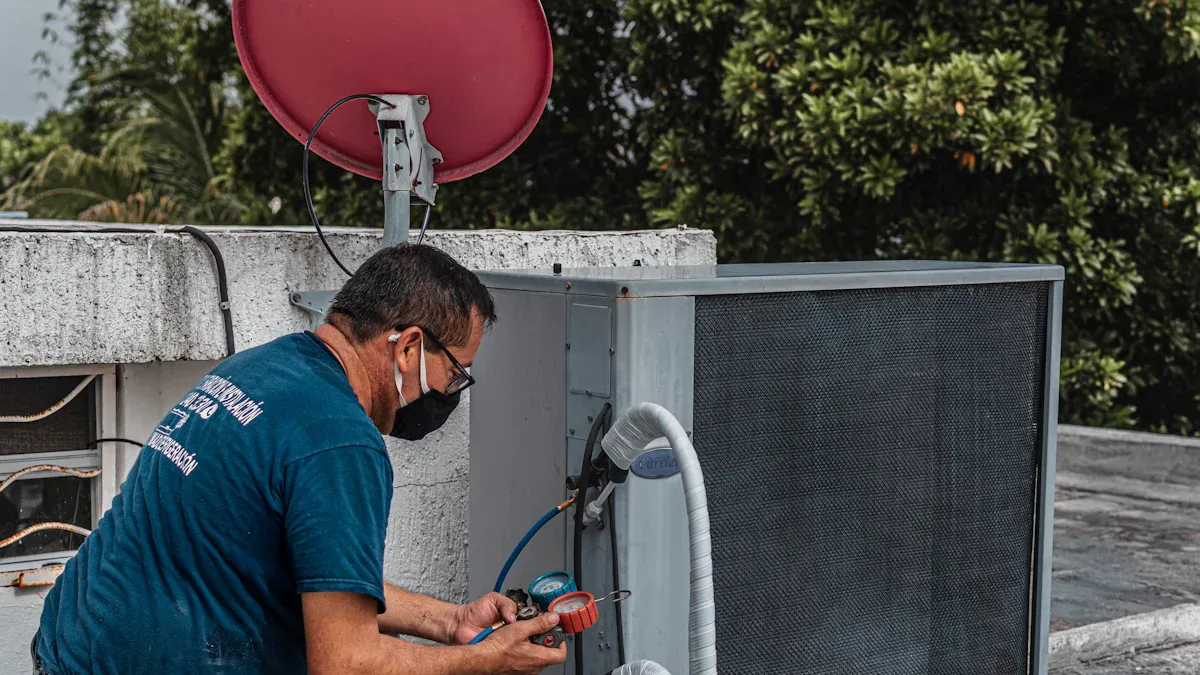
Choosing the right HVAC line sets, especially when considering HVAC line set wholesale options, is very important. These parts help your system work well and save energy. Picking the wrong ones can raise energy costs or harm your system.
Focus on a few main things: matching your HVAC system, strong materials, good insulation, and easy installation. Smart choices now, particularly when purchasing HVAC line set wholesale, prevent expensive problems later. Whether buying new or wholesale, choosing correctly matters a lot.
Key Takeaways
Pick HVAC line sets that fit your system and refrigerant. This helps your system work well and save energy.
Use strong materials like copper for long-lasting performance. Good materials make your system last longer and work better.
Insulation is important for saving energy. It stops heat loss and lowers your energy bills.
Make sure the size and length of line sets are correct. Right sizing avoids pressure problems and keeps your system running well.
Check your line sets often for damage. Finding problems early can save money and make your HVAC system last longer.
Understanding HVAC Line Sets
What Are Refrigerant Line Sets?
Refrigerant line sets are key parts of your HVAC system. They link the indoor and outdoor units, letting refrigerant flow and do its job. These line sets have two copper pipes: one moves cooled refrigerant outside, and the other brings heated refrigerant back inside.
Choosing the right size is very important. If the line set is too small, your system may not cool well, and energy costs could rise. If it’s too big, it might waste energy or cause leaks. Picking the correct size for your HVAC system helps it work smoothly and efficiently.
Tip: Always check the refrigerant type and unit distance before picking a line set. These details help you choose the right size.
Components of HVAC Line Sets
HVAC line sets are more than just pipes. They include parts that help refrigerant flow and stay insulated. Here’s what they include:
Specification | Details |
|---|---|
Insulation Thickness | 3/8 in |
Length | 25 ft |
Liquid Line (OD) | 3/8 in |
Suction Line (OD) | 7/8 in |
Material | Copper, Rubber |
Material Type | C12200, Elastomer |
UL Listed | UL 700 |
Copper pipes are the main part, but insulation matters too. Good insulation stops heat transfer, keeping refrigerant at the right temperature as it moves.
The Role of Line Sets in HVAC System Efficiency
Your HVAC system works best with good line sets. These pipes move refrigerant, which is like the system’s lifeblood. Damaged or wrong-sized line sets make the system work harder, using more energy and wearing out faster.
Research shows that good line sets improve efficiency. For example, studies from different climates found that properly sized and insulated line sets save energy and boost performance.
Note: Taking care of your refrigerant line sets can make your HVAC system last longer and save you money over time.
Key Factors to Consider
Compatibility with Your HVAC System and Refrigerant Type
Make sure the HVAC line sets match your system and refrigerant. Not all line sets fit every system or refrigerant type. Using the wrong ones can harm your system or make it work poorly.
First, find out what refrigerant your system uses. Common types are R-410A and R-22. Each type needs specific materials and sizes for line sets. For example, R-410A systems often need thicker insulation to handle higher pressure.
Also, check the distance between indoor and outdoor units. Longer distances may need bigger line sets for better performance. Always read your system’s manual or ask a professional to ensure the line set fits your system.
Tip: Follow the manufacturer’s advice on refrigerant type and line set size. This simple step can help you avoid expensive repairs later.
Choosing the Right Material for Durability
The material of the line set affects how long it lasts and works. Copper is popular because it’s strong, flexible, and doesn’t rust easily. But not all copper is the same. Choose high-quality copper with a coating to protect it from outdoor damage.
Here’s why material matters:
Evidence Point | Description |
|---|---|
Importance of Protection | Protecting refrigerant line sets helps efficiency and meets building rules. |
Material Recommendations | Hardcast TPO-2265 and Seal-Tack White shield against UV rays and damage. |
Code Compliance | Florida’s building code requires weatherproof insulation for outdoor use. |
Efficiency Enhancement | Good insulation and protection improve HVAC efficiency and prevent overheating. |
Picking strong materials isn’t just about lasting longer. It also helps your system work better and follow local building rules.
Importance of Insulation for Energy Efficiency
Insulation is key for saving energy in HVAC line sets. Without it, heat can transfer, making your system less efficient. This means higher energy bills and more wear on your system.
Materials like PVC and rubber work well for insulation. They stop heat transfer and keep refrigerant at the right temperature. Studies show that good insulation can save energy and lower costs over time.
Did You Know? Insulation doesn’t just save energy. It also stops condensation, which can cause mold and damage your home.
When picking insulation, check its thickness and ability to handle weather. Thicker insulation is better for extreme weather, and weatherproof materials are great for outdoor use.
Pro Tip: Check your insulation regularly for damage. Fixing worn insulation can improve efficiency and make your system last longer.
Sizing and Length Needs for Best Performance
Getting the right size and length for your HVAC line set is very important. It’s not just about fitting the pipes. It helps your system work well and last longer. Here’s what you should know to make the right choice.
Why Size Is Important
The size of the line set affects how your system works. Pipes that are too small increase refrigerant pressure, which can harm your system. Pipes that are too big lower pressure, causing problems or wasting energy.
Tip: Check your HVAC manual for the correct line set size. Manufacturers design systems with specific sizes, so follow their advice for the best results.
Why Length Matters
The length of the line set is as important as its size. Most systems need at least 15 feet of line set to work properly. This gives refrigerant enough room to flow and keep the right pressure. But going over the maximum length, often 150 feet, can cause issues.
Here’s a quick guide to remember:
Line sets come in standard lengths like 15, 25, or 50 feet.
Mini split systems may need specific lengths to work well.
Too much length can lower efficiency and damage the system.
Picking the Right Line Set
Start by measuring the distance between your indoor and outdoor units. Add a little extra for bends, but don’t add too much. If you’re unsure, ask a professional or check the manufacturer’s guide.
Pro Tip: If you need a longer line set, use an extension kit. These kits help keep your system efficient even with extra length.
Mistakes to Avoid
Sizing and length mistakes happen often. Here are some to watch out for:
Skipping the Manual: Not following the manufacturer’s guide can lead to problems.
Guessing the Length: Always measure carefully to avoid buying the wrong size.
Ignoring Insulation: Long line sets need good insulation to save energy.
Paying attention to these details helps your HVAC system run better. A little effort now can save you money and trouble later.
When to Replace or Upgrade
Signs Your Line Sets Need Replacement
HVAC line sets don’t last forever. Over time, they wear out. How can you tell it’s time to replace them? Watch for these signs:
Visible Damage: Look for cracks, rust, or leaks on the pipes.
Reduced Cooling: If your AC struggles to cool, the line sets may be bad.
Weird Noises: Hissing or bubbling sounds might mean a refrigerant leak.
Frequent Repairs: Fixing your HVAC often could mean the line sets are failing.
Tip: Check your line sets every year. Regular checks can catch problems early and save money.
Benefits of Upgrading to New Refrigerant Line Sets
New line sets can make your air conditioner work better. Here’s why upgrading is a good idea:
Better Efficiency: New line sets help refrigerant flow smoothly, improving performance.
Lower Energy Bills: Properly sized and insulated line sets save energy and money.
Modern Refrigerants: New line sets work with advanced refrigerants like R-410A.
Longer System Life: Fresh line sets reduce stress on your HVAC, helping it last longer.
Did You Know? Upgrading line sets can improve cooling, making your home more comfortable in summer.
Common Scenarios Requiring Line Set Replacement
Sometimes, replacing line sets isn’t optional—it’s necessary. Here are common reasons to get new ones:
System Upgrades: New air conditioners often need matching line sets.
Refrigerant Changes: Switching refrigerants, like from R-22 to R-410A, needs updated line sets.
Big Repairs: Major HVAC damage means replacing line sets for proper function.
Old Line Sets: If your line sets are 15–20 years old, it’s time to upgrade.
Pro Tip: Always hire a professional to replace line sets. They’ll ensure the new ones fit and work correctly.
Refrigerant Line Set Installation Tips
Best Practices for Line Set Installation
Installing refrigerant line sets correctly saves time and trouble later. Follow these steps to ensure your HVAC system works well:
Planning: Decide the best path for the lines. Avoid sharp turns or risky spots.
Measuring and Cutting: Measure the copper pipes carefully. Cut them to the right size to avoid waste.
Flaring or Swaging: Shape the pipe ends to fit tightly.
Brazing or Soldering: Join the pipes using heat to create a strong, leak-proof seal.
Insulation: Cover the pipes with good insulation to stop heat loss.
Sealing: Close gaps where pipes go through walls to block air leaks.
Pressure Testing: Check for leaks by filling the pipes with nitrogen gas.
Vacuuming: Remove air and moisture from the pipes with a vacuum pump.
Charging: Add the correct refrigerant as per the manufacturer’s instructions.
Final Inspection: Look over the entire setup to ensure everything is correct before starting the system.
Pro Tip: Wear gloves and goggles during installation. This protects you from burns or injuries when working with heat.
Avoiding Common Installation Mistakes
Small errors during installation can cause big problems later. Knowing what to avoid helps save money and time.
Mistakes like poor airflow, bad sealing, or wrong pipe sizes can harm HVAC systems. These errors reduce efficiency and performance. Experts recommend following proper guidelines to avoid such issues.
Here are common mistakes and how to prevent them:
Skipping Pressure Testing: Not testing for leaks can waste refrigerant and lower efficiency. Always test with nitrogen gas.
Improper Insulation: Using thin or wrong insulation can raise energy costs. Pick weatherproof insulation for outdoor pipes.
Wrong Pipe Size: Pipes that are too big or small disrupt refrigerant flow. Follow the manufacturer’s size guide.
Poor Sealing: Gaps around pipes let air and moisture in. Seal these areas properly to keep the system efficient.
Did You Know? Badly installed refrigerant lines can shorten your HVAC system’s life by causing extra wear.
Ensuring Proper Insulation During Installation
Insulation is very important for refrigerant line sets. Without it, your HVAC system may lose efficiency and cost more to run. Here’s why insulation matters and how to do it right:
Stops Heat Transfer: Insulation keeps refrigerant at the right temperature, helping the system work better.
Prevents Condensation: Good insulation stops moisture buildup, which can cause mold or damage.
Protects from Weather: Outdoor pipes need insulation that can handle sun, rain, and extreme temperatures.
Rules like IECC-2018 C403.11.3.1, ASHRAE 90.1-2019 6.3.2.l, and California Title 24 – 2019 4.4.1.2.F.2 stress using weatherproof insulation for outdoor pipes. These materials resist sunlight and water damage.
When insulating refrigerant pipes, remember these tips:
Use thick insulation for very hot or cold weather.
Pick durable materials like foam or rubber.
Check insulation often for damage or wear.
Pro Tip: Paint or coat outdoor insulation to protect it from sunlight and make it last longer.
By focusing on insulation during installation, you can make your HVAC system work better and save energy costs over time.
Recommended Products and Resources
Top Brands for HVAC Line Sets
Picking a trusted brand for HVAC line sets is important. Good brands make systems last longer and work better. Here are some top-rated options:
Rank | Brand | Trust Score | Rating |
|---|---|---|---|
1 | Trane | 113.4 | ★★★★★ |
2 | Carrier | 112.5 | ★★★★★ |
3 | Lennox | 107.2 | ☆☆☆ |
4 | Rheem | 104.3 | ☆☆ |
5 | Whirlpool | 104.0 | ☆☆ |
Trane and Carrier are the most reliable brands. They use strong materials and save energy. If you want a dependable choice, start with these two.
Tip: Read reviews before buying. Research helps avoid problems later.
Where to Find HVAC Line Set Wholesale Options
Finding wholesale HVAC line sets can save money on big projects. Wholesale suppliers offer lower prices and bulk deals. Here’s how to find good ones:
Perspective | Primary Research | Secondary Research |
|---|---|---|
Supply Side | Manufacturers, Technology distributors, and wholesalers | Company reports, Government publications, Independent investigations |
Demand Side | End-user surveys, Consumer surveys, Mystery shopping | Case studies, Reference customers |
Start by contacting manufacturers or distributors directly. Many offer discounts for contractors or large orders. Online marketplaces also have wholesale options. Look for certified suppliers with good reviews.
Pro Tip: Compare prices from different wholesalers. Check their reputation before buying.
Additional Resources for Line Set Installation and Maintenance
Installing and taking care of HVAC line sets can be tricky. Luckily, there are tools and services to help. Whether you’re a beginner or an expert, these resources make things easier:
Resource | Description |
|---|---|
ABM Electrical Services | Helps keep systems safe and working well. |
Design & Startup | Ensures new equipment is installed correctly. |
Modernization & Decommissioning | Plans for long-term safety and serviceability. |
Arc Flash Compliance Training | Teaches safety rules for NFPA 70E and OSHA standards. |
Safety Training and Label Installation | Offers training for specific label needs. |
TEGG Service | Prevents downtime and protects against electrical risks. |
These resources cover installation and maintenance. For example, ABM Electrical Services offers safety checks, while TEGG Service prevents system failures.
Did You Know? Regular maintenance keeps your HVAC system running smoothly and lasting longer.
Picking the right HVAC line sets is very important. It helps your system work well and keeps energy costs low. Look for sets that match your system, use strong materials, have good insulation, and are easy to install. This can prevent future problems.
Tip: Ask HVAC experts or check reliable sources for help. They can guide you to make the best choice for your needs.
Choosing carefully now will save money, make your system last longer, and improve its performance all year.
FAQ
What should you do if you think there’s a refrigerant leak?
If your cooling is weak or you hear hissing, check the line sets for damage. Call an expert to fix the leak. Regular check-ups can stop leaks from getting worse.
Can old line sets be reused during a system upgrade?
Reusing old line sets isn’t always smart. They might not fit the new system or refrigerant. New line sets work better and avoid problems during installation.
How do you pick the right insulation for outdoor line sets?
Choose insulation that handles weather, sunlight, and moisture. Foam or rubber are good options. Thick insulation is best for very hot or cold weather. Check it often to keep your system working well.
What’s the best way to measure line set length?
Measure the space between indoor and outdoor units. Add a little extra for bends, but don’t overestimate. If unsure, ask a pro or check the manufacturer’s guide.
How often should HVAC line sets be checked?
Check line sets once a year for cracks, rust, or leaks. Regular inspections keep your system running well and lasting longer.
See Also
Top 5 Tips for Effectively Utilizing 1/4 Copper Fittings
A Comprehensive Guide to Choosing 1/4 and 3/8 Copper Coils
5 Key Tips for Handling Uncommon 1/2-Inch Copper Pipes

© Copyright 2024 Dongguan Baoyuan Refrigeration Parts Co.,Ltd - All Rights Reserved.
