How to Clean Air Conditioner Copper Pipes Safely

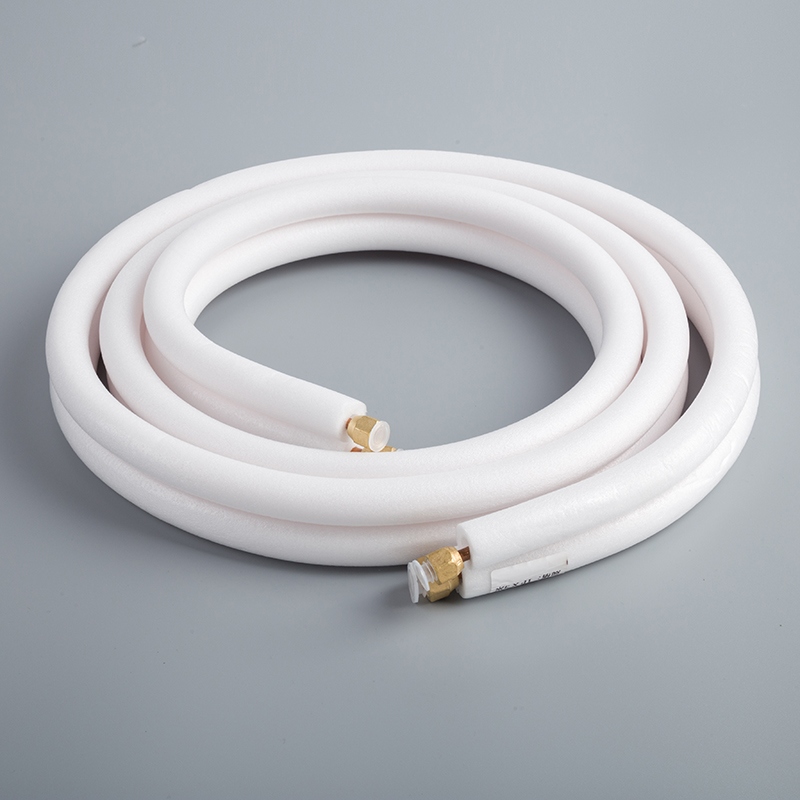
Your air conditioner works to keep your home cool, but dirty copper pipes can make it operate slower. Learning how to clean air conditioner copper pipes helps it run better and saves you money. For instance, one person saved 10-15% on costs after cleaning their pipes. Ignoring this maintenance can lead to rust and higher energy bills. Understanding how to clean air conditioner copper pipes safely ensures your AC continues to function effectively. Let’s explore why this is important and how to do it.
Key Takeaways
Clean your AC's copper pipes often to save energy and money.
Use soft brushes and natural cleaners like vinegar or baking soda.
Wear gloves and goggles to stay safe from dirt and chemicals.
Check pipes for damage or rust before cleaning to avoid problems.
Get a professional to check your AC yearly to keep it working well.
Tools and Materials for Cleaning Copper Pipes
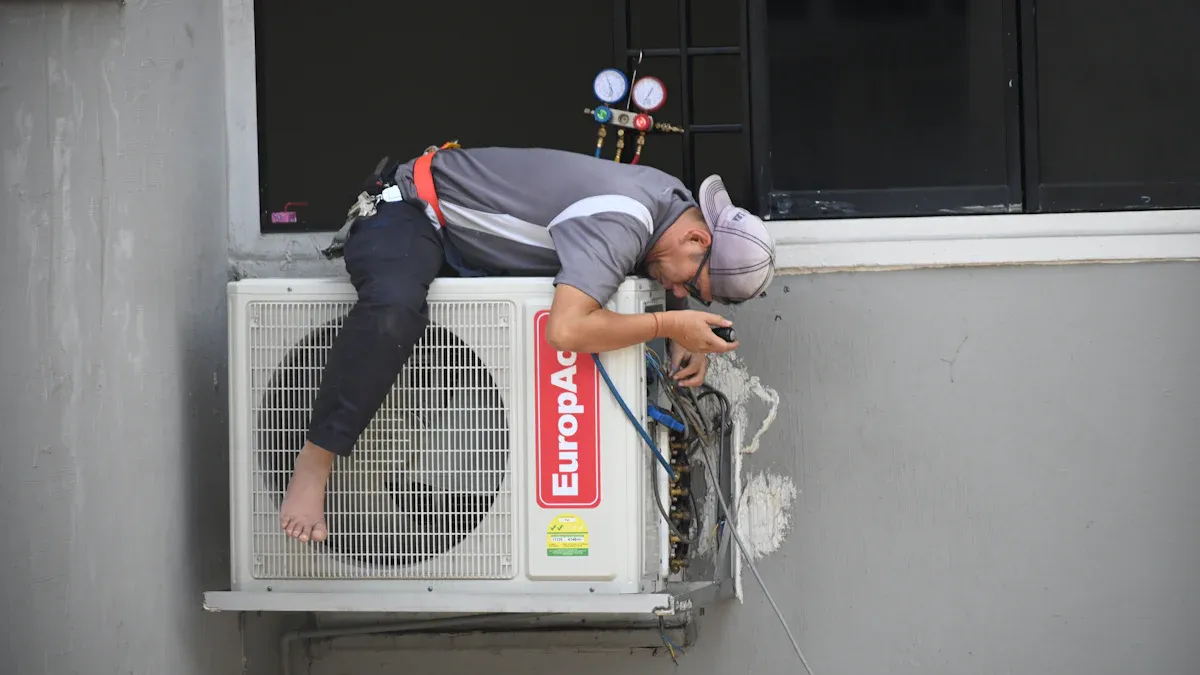
Cleaning your air conditioner’s copper pipes is simple with the right items. Using proper tools, cleaners, and safety gear makes the job safe and easy. Let’s go through it step by step.
Tools You’ll Need
Gather these basic tools to clean your copper pipes well:
Soft-bristle brushes: Gently scrub dirt without scratching the pipes.
Microfiber cloths: Use these to dry and polish the pipes.
Pipe cleaners: Clean inside tight or curved pipe sections easily.
Buckets or containers: Mix and hold your cleaning solutions here.
Rubber gloves: Keep your hands safe from cleaning chemicals.
Copper pipes are strong and simple to care for. They rarely clog, making cleaning quicker and easier.
Cleaning Solutions (Natural and Chemical Choices)
You can choose between natural or chemical cleaners. Natural ones are safer for the environment, while chemical ones clean tougher grime.
Natural cleaners:
Mix equal parts vinegar and water for a gentle cleaner. Add baking soda for stronger cleaning. This mix is safe for both your pipes and nature.Chemical cleaners:
Buy copper-specific cleaners from hardware stores. These remove tarnish and buildup without harming the pipes. Always read and follow the product instructions.
Since copper pipes are eco-friendly, natural cleaners match their sustainable qualities. They also last longer, so you won’t need frequent repairs.
Safety Gear to Stay Protected
Always use safety gear to avoid risks while cleaning:
Gear | Purpose |
|---|---|
Nitrile gloves | Protect your skin from chemicals or cleaning agents. |
Safety goggles | Keep your eyes safe from splashes or flying debris. |
Respirator mask | Prevent breathing in fumes or dust during cleaning. |
These safety items are tested to meet high standards. For example, they block harmful bacteria and chemicals effectively.
With these tools, cleaners, and safety gear, you’re ready to clean your copper pipes like an expert!
Preparing for the Cleaning Process
How to Safely Turn Off and Disconnect the AC System
Before cleaning your air conditioner’s copper pipes, you need to safely turn off and disconnect the system. This step prevents accidents and keeps you safe. Follow these steps to do it right:
Choose a Safe Location: Pick a spot near the AC unit that’s easy to reach. Make sure it’s no more than 6 feet away.
Turn Off the Power: Switch off the power at the main circuit breaker. Double-check that the AC is completely off.
Install a Disconnect Box: Secure the disconnect box to a wall at a comfortable height. This box lets you safely cut off power to the AC unit.
Route the Wiring: Run the wires from the circuit breaker and AC unit to the disconnect box. Keep the wires neat and organized.
Connect the Wires: Attach the wires from the circuit breaker to the line terminals and the AC wires to the load terminals.
Insert the Disconnect Block: Place the disconnect block into the box. Use a pull-out style for easy access.
Test the Setup: Turn the power back on briefly to test the disconnect switch. Make sure it works properly.
Safety Tip: Always wear insulated gloves when handling electrical components. This reduces the risk of electric shock.
Inspecting Copper Pipes for Damage or Corrosion
Once the AC system is off, inspect the copper pipes carefully. Look for signs of damage like dents, cracks, or corrosion. Corrosion often appears as green or white spots on the pipes. If you notice severe damage, consider calling a professional for repairs.
Use a flashlight to check hard-to-see areas. Run your fingers along the pipes to feel for rough spots or buildup. Identifying issues early helps prevent bigger problems later.
Pro Tip: If you spot minor corrosion, you can clean it during the process. For major damage, don’t attempt repairs yourself.
Setting Up a Safe and Clean Workspace
A clean workspace makes the job easier and safer. Choose a well-lit area with plenty of ventilation. Lay down a tarp or old towels to catch any spills or debris. Keep your tools and cleaning solutions within reach to avoid unnecessary movement.
Organize your safety gear, like gloves and goggles, before starting. This ensures you’re fully protected throughout the cleaning process.
Reminder: Keep children and pets away from the workspace to avoid accidents.
With your AC system disconnected, pipes inspected, and workspace ready, you’re all set to start cleaning!
How to Clean Air Conditioner Copper Pipes
Removing Dirt and Debris from the Pipes
Start by clearing dirt and debris from the copper pipes. This helps cleaning solutions work better on the pipes. Follow these steps:
Wipe the Pipes: Use a dry microfiber cloth to clean the pipes. This removes loose dust and dirt easily.
Brush Stubborn Dirt: Use a soft-bristle brush for tougher spots. Be gentle to avoid scratching the copper.
Check Hidden Areas: Look at corners and bends where dirt collects. Use a pipe cleaner to reach these tricky spots.
Cleaning your copper pipes every six months keeps them working well. Studies show cleaning improves airflow and makes air conditioners more efficient.
Tip: Clean in a bright area so you don’t miss any spots.
Using Natural Cleaning Solutions (e.g., Vinegar and Baking Soda)
Natural cleaners are safe and eco-friendly for copper pipes. They remove tarnish and buildup without causing harm. A great option is vinegar and baking soda. Here’s how to use it:
Make a Paste: Mix baking soda, salt, vinegar, and flour into a paste.
Apply the Paste: Spread it over tarnished areas of the pipe.
Wait 30 Minutes: Let the paste sit to break down the tarnish.
Scrub Gently: Use a soft brush or cloth to remove the paste.
Rinse Well: Wash the pipe with warm soapy water to clean off residue.
Dry the Pipe: Use a microfiber cloth to dry it completely.
This method is simple and works well. It keeps your air conditioner running smoothly.
Pro Tip: Disconnect pipes from the AC system before using liquids.
Using Chemical Cleaners Safely
For heavy grime, chemical cleaners made for copper pipes work best. Always prioritize safety when using these products.
Here’s how to use them safely:
Pick the Right Cleaner: Buy a cleaner made for copper pipes. These won’t harm the pipes.
Wear Safety Gear: Use gloves, goggles, and a mask to stay safe.
Work in Ventilated Areas: Open windows or use a fan to avoid breathing fumes.
Follow Directions: Read the label and use the cleaner as instructed. Too much can damage the pipes.
Rinse After Cleaning: Wash the pipes with water to remove leftover chemicals.
Studies show using protective gear and good ventilation is important. These steps keep you safe while cleaning effectively.
Reminder: Never mix chemical cleaners with vinegar. This can cause dangerous reactions.
By following these tips, you can clean copper pipes safely and effectively using natural or chemical methods.
Rinsing and Drying the Pipes Properly
After cleaning the copper pipes, rinsing and drying them is vital. This step removes leftover residue and prevents future corrosion or scaling. Follow these simple steps to do it right.
Rinsing the Pipes
Rinsing clears out dirt, debris, and cleaning solution from the pipes. Here’s how to rinse effectively:
Use Warm Water: Rinse the pipes with warm water. It helps wash away grime and leftover cleaner.
Add Citric Acid: Mix a little citric acid in the water. This stops scaling and keeps the copper shiny.
Sanitize with Steam: If you can, use steam to sanitize the pipes. This is helpful for pipes with heavy buildup.
Inspect for Residue: Check the pipes after rinsing to ensure no dirt or cleaner remains.
Tip: Rinse the pipes well after each cleaning step. This avoids residue buildup or unwanted reactions.
Drying the Pipes
Drying the pipes is just as important as rinsing. Moisture left behind can cause rust or tarnish. Follow these steps to dry them properly:
Wipe with Microfiber Cloths: Use a soft microfiber cloth to dry the pipes. These cloths absorb water without scratching the surface.
Check Hidden Spots: Look at corners, bends, and joints where water might stay. Dry these areas carefully.
Air Dry in Ventilated Space: Let the pipes air dry in a well-ventilated area. Avoid direct sunlight to prevent uneven drying.
Clean Organic Residue: If you see organic material, clean it with a bit of baking soda before drying.
Pro Tip: Once the pipes are dry, buff them lightly with a clean cloth for a polished look.
Taking time to rinse and dry your copper pipes keeps them in great shape. It also helps your air conditioner work better and saves money. Don’t skip this step—your AC will perform much better!
Reassembly and Testing After Cleaning
Reconnecting the Copper Pipes to the System
After cleaning and drying the copper pipes, reconnect them to the air conditioner. This step ensures the system works well without leaks. Follow these simple steps:
Cut the Pipes Neatly: Use a tube cutter to trim pipe ends. Clean cuts help pipes fit tightly and prevent leaks.
Attach the Pipes Securely: Connect the copper pipes firmly to the system. Check that all connections are tight and secure.
Seal the Joints: Use silver solder to join the pipes. This creates strong seals that stop refrigerant from leaking.
Test with Pressure: Before turning the AC on, test the pipes with nitrogen. This ensures the system is safe and ready to use.
Task | Why It’s Important |
|---|---|
Cut pipes with a tube cutter | Makes clean cuts for tight fits and prevents leaks. |
Stops refrigerant from escaping and ensures proper flow. | |
Solder joints with silver solder | Creates strong, leak-proof seals for system reliability. |
Test pipes with nitrogen | Confirms the system is safe and ready for operation. |
Tip: Wear gloves and goggles to stay safe from heat and sharp edges.
Testing the Air Conditioner for Proper Functioning
Once the pipes are reconnected, test the air conditioner. This step checks if cleaning improved its performance. Follow these steps:
Turn Power On: Switch the circuit breaker back to "on."
Run the AC: Set the thermostat to cool and let it run for 10–15 minutes.
Feel the Airflow: Place your hand near the vents. The air should feel cool and steady.
Inspect the Pipes: Look for leaks or condensation around the copper pipes.
If everything works well, your air conditioner is ready to use!
Pro Tip: If cooling feels uneven or weak, check the pipe connections for leaks or blockages.
Troubleshooting Common Issues After Cleaning
Sometimes problems happen after cleaning, but they’re usually easy to fix. Here are common issues and solutions:
Weak Airflow: Check for dirt or corrosion you missed. Clean any green spots on the pipes.
Leaking Pipes: Look at the soldered joints. Re-solder if you see gaps or leaks.
Strange Noises: Listen for hissing or rattling. These may mean loose connections or refrigerant leaks.
If you can’t fix the problem, call a professional for help. They can quickly find and solve the issue.
Reminder: Clean your pipes every six months to avoid these problems and keep your AC running well.
Maintenance Tips for Clean AC Coils and Copper Pipes
Taking care of your air conditioner goes beyond cleaning. Regular upkeep keeps it efficient, stops copper pipe corrosion, and ensures steady cooling. Here are some easy tips to maintain clean AC coils and copper pipes.
Checking for Corrosion or Dirt Often
You can’t fix problems you don’t notice. Regular checks help you find issues early and avoid expensive repairs. Here’s why they matter:
Spot corrosion or dirt before it harms your AC coils or copper pipes.
Keep your system safe by catching leaks or blockages early.
Show you care about safety and quality, especially if rules apply.
How often should you check? It depends on your AC and surroundings. The table below shows key factors and how often to inspect them:
Factor | How Often to Check |
|---|---|
Anions | Based on corrosion problems and water changes. |
Temperature and pH | Measure directly in the field. |
Dissolved gases | Include in a corrosion monitoring plan. |
Hardness and calcium levels | Needed for calculating corrosion risks. |
Heavy metals | Test for specific metals in pipes. |
Chloride and sulfate | Check for signs of corrosion. |
Tip: Inspect every six months to stop copper pipe corrosion and keep your AC working well.
Adding Protective Coatings to Copper Pipes
Protective coatings act like shields for copper pipes. They prevent corrosion, make pipes last longer, and keep your AC running smoothly. Here’s what to know:
Why use coatings? While copper pipes resist corrosion, tough conditions can wear them out. Coatings add extra protection.
Which coatings work best? The table below lists coatings and their durability in different places:
Coating Type | Where to Use | How Long It Lasts |
|---|---|---|
Acrylic lacquer with tarnish inhibitor | Outdoor, urban areas | Over 5 years |
Silicone primer + acrylic top coat | Indoors, low wear | Over 6 years |
Nitrocellulose lacquer | Open outdoor spaces | Less than 1 year |
Baked epoxy coating | Bathroom fixtures | Over 5 years |
Thermosetting epoxy clear coating | Car interiors | Works well |
To apply a coating:
Clean pipes to remove dirt and grease.
Pick a coating that fits your environment.
Spread the coating evenly and let it dry fully.
Pro Tip: Use acrylic lacquer for outdoor pipes. It lasts longer and stops tarnish well.
Hiring Professionals Once a Year
Even with regular care, professional help is important. Experts have tools and skills to keep your AC in great shape. Here’s why yearly maintenance matters:
It makes your AC last longer by reducing wear.
Experts clean parts like coils and filters, improving air quality.
They adjust your system for better efficiency, lowering energy costs.
Professionals find small issues early, avoiding big repairs later.
Here’s a quick look at why professional care helps:
Benefit | Why It’s Useful |
|---|---|
Longer Lifespan | Reduces wear and makes HVAC units last longer. |
Better Air Quality | Cleans parts and filters for fresher indoor air. |
Improved Efficiency | Boosts performance and cuts energy use. |
Preventive Care | Spots small problems early to avoid major fixes. |
Saves Money | Stops costly repairs and improves efficiency. |
Reminder: Get professional maintenance yearly to keep AC coils and copper pipes in top condition. It’s worth the investment.
By following these tips, you’ll keep your AC coils and copper pipes clean, enjoy steady cooling, and save on energy costs. Regular care ensures your system works well all year long.
Cleaning your air conditioner’s copper pipes isn’t just for better cooling. It also saves money and keeps you safe. Regular cleaning stops buildup, avoids rust, and helps your AC work well.
Here’s why it’s important:
It stops rust by removing dirt and organic buildup.
It makes your AC more efficient and prevents sudden failures.
It keeps things safe by spotting leaks or clogs early.
Quick Tip: Always turn off the power and wear safety gear before cleaning.
By keeping up with these easy steps, your AC will cool better and need fewer repairs. Start now—your air conditioner will work much better!
FAQ
What happens if I don’t clean my air conditioner’s copper pipes?
If you don’t clean the copper pipes, your AC won’t cool well. Dirty pipes can raise energy bills and cause breakdowns. Over time, grime can lead to rust and ruin the pipes. Cleaning often keeps your AC working and avoids expensive repairs.
Can I use household items to clean copper pipes?
Yes, you can use items from home! Vinegar and baking soda work great for cleaning copper pipes. They are safe, easy to use, and good for the environment. Mix them into a paste, spread it on the pipes, and rinse well. Always disconnect pipes before using liquids.
How often should I clean my air conditioner’s copper pipes?
Clean the copper pipes every six months to stop dirt and rust. If you live in a dusty place or use your AC a lot, clean them more often. This keeps your AC running smoothly.
Are chemical cleaners safe for copper pipes?
Chemical cleaners made for copper pipes are safe if used properly. Follow the directions on the label and wear gloves and goggles. Never mix chemicals with vinegar, as it can cause dangerous reactions.
Should I hire a professional to clean my AC pipes?
If cleaning feels hard or the pipes are badly damaged, call a professional. They have the right tools and skills to fix problems and keep your AC in great shape.
Tip: Clean the pipes yourself and get a pro check-up yearly for the best results.
See Also
Transforming Air Conditioning With Pure Copper Pipe Innovations
Exploring Pure Copper Pipes: The Key To Effective Cooling
Unlocking The Benefits Of Pure Copper Pipes For AC
Enhancing Air Conditioning Performance With Pure Copper Pipes

© Copyright 2024 Dongguan Baoyuan Refrigeration Parts Co.,Ltd - All Rights Reserved.
