Energy-Efficient Replacements for Twin Insulated Copper Pipes

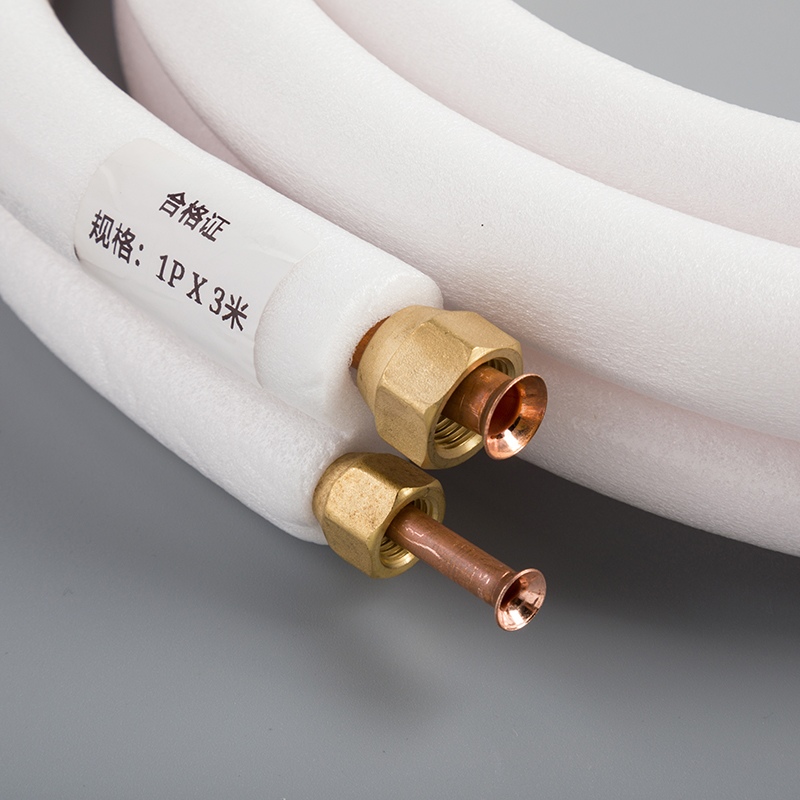
When searching for energy-efficient replacements for a twin insulated copper pipe, you have several excellent options. These include PEX pipes, aluminum pipes, stainless steel pipes, composite pipes, polypropylene pipes, pre-insulated line sets, and Super Flex Pipes. Each alternative offers unique advantages. Many of these materials improve energy efficiency by reducing heat loss. Others lower costs through easier installation or longer lifespans. By choosing the right replacement, you can save money and reduce environmental impact without compromising performance.
Key Takeaways
Explore various energy-efficient alternatives to twin insulated copper pipes, such as PEX, aluminum, and stainless steel, each offering unique benefits tailored to specific applications.
Consider the cost-effectiveness of options like PEX pipes, which provide lower installation costs and ease of use, making them ideal for residential and commercial systems.
Prioritize energy efficiency by opting for pre-insulated line sets, which minimize heat loss and can significantly reduce energy bills in HVAC applications.
Evaluate the installation complexity of each material; flexible options like PEX and Super Flex Pipes simplify the process, saving time and labor costs.
Match the pipe type to your project's specific needs, ensuring optimal performance by selecting materials suited for plumbing, HVAC, or high-temperature applications.
Overview of Twin Insulated Copper Pipes
What Are Twin Insulated Copper Pipes?
You often find twin insulated copper pipes in HVAC and refrigeration systems. These pipes transport refrigerants and fluids while maintaining their temperature. The insulation minimizes heat loss or gain, which improves the efficiency of the system. This feature also helps extend the lifespan of the pipes. Their corrosion-resistant properties make them reliable for residential, commercial, and industrial applications. Whether you're cooling a home or running a large-scale refrigeration unit, these pipes deliver consistent performance.
Why Consider Alternatives?
Rising Material Costs
Copper prices have risen significantly in recent years. If you're managing a project, this increase can strain your budget. Twin insulated copper pipes, while effective, are no exception to this trend. Many alternatives, such as PEX or aluminum pipes, offer similar benefits at a lower cost. Switching to these options can help you save money without sacrificing quality.
Energy Efficiency Concerns
Although twin insulated copper pipes reduce heat loss, they may not always meet modern energy efficiency standards. Newer materials, like composite or polypropylene pipes, often provide better insulation. These alternatives can help you achieve greater energy savings. By upgrading, you can reduce your energy bills and contribute to a more sustainable future.
Availability and Sustainability Issues
Copper is a finite resource, and its availability fluctuates based on global demand. This can lead to delays in sourcing materials for your projects. Additionally, mining and processing copper have environmental impacts. Choosing sustainable alternatives, such as pre-insulated line sets or Super Flex Pipes, can help you avoid these challenges. These options are often easier to source and align with eco-friendly practices.
Alternatives to Twin Insulated Copper Pipes
PEX Pipes
Energy Efficiency and Thermal Performance
PEX pipes offer excellent thermal performance. Their flexibility allows for fewer joints, reducing the risk of leaks and heat loss. This design ensures better energy efficiency compared to rigid materials. PEX pipes also maintain consistent temperatures, making them a reliable alternative to a twin insulated copper pipe in residential and commercial systems.
Flexibility and Ease of Installation
You will find PEX pipes much easier to install than copper. Their flexibility allows them to bend around corners, eliminating the need for additional fittings. This feature reduces installation time and labor costs. PEX pipes are also lightweight, making them easier to handle during installation.
Cost-Effectiveness Compared to Copper
PEX pipes are more affordable than twin insulated copper pipes. While their lifespan is shorter, the lower installation costs make them a cost-effective choice. The table below highlights the cost comparison:
Pipe Type | Installation Cost Range | Lifespan Comparison |
|---|---|---|
PEX | $4,000 - $6,000 | Shorter lifespan than copper |
Twin Insulated Copper | $8,000 - $10,000 | Longer lifespan than PEX |
Aluminum Pipes
Lightweight and Easy to Handle
Aluminum pipes are significantly lighter than copper. This feature makes them easier to transport and install. You can also modify aluminum piping systems with minimal effort, saving time and labor costs.
Thermal Conductivity and Energy Efficiency
While copper has superior thermal conductivity, aluminum offers unique advantages. It is lighter and easier to machine, which can improve heat dissipation for certain applications. For systems requiring large surface areas, aluminum can provide efficient thermal performance.
Affordability and Suitability for Specific Applications
Aluminum pipes are more affordable than copper and excel in specific applications. They are ideal for systems requiring clean air, as they meet ISO air quality standards. Aluminum's corrosion resistance enhances airflow and reduces energy costs. Additionally, its fittings are more secure, minimizing leaks and improving efficiency.
Stainless Steel Pipes
Durability and Corrosion Resistance
Stainless steel pipes are highly durable and resistant to corrosion. Their oxide coating prevents further damage, making them a superior choice over copper in environments with high chloride levels. Grades like 316 and 316L are particularly effective in such conditions.
Energy Efficiency in High-Temperature Applications
You can rely on stainless steel pipes for high-temperature systems. Their strength and resistance to thermal expansion ensure consistent performance. These properties make them an energy-efficient alternative to a twin insulated copper pipe in demanding applications.
Longevity and Maintenance Considerations
Stainless steel pipes require minimal maintenance. Their durability ensures a long lifespan, reducing the need for frequent replacements. This longevity offsets the higher initial cost, making them a cost-effective option over time.
Composite Pipes
Multi-Layered Structure and Insulation Properties
Composite pipes feature a multi-layered design that combines materials like aluminum and polyethylene. This structure enhances insulation, reducing heat loss and improving energy efficiency. You can rely on these pipes for consistent thermal performance in both residential and commercial systems. Their insulation properties also make them suitable for transporting hot or cold fluids over long distances without significant temperature changes.
Versatility Across Applications
You can use composite pipes in a wide range of applications. They work well in plumbing, heating, and cooling systems. Their corrosion resistance makes them ideal for areas with hard water or chemical exposure. Additionally, their lightweight nature simplifies installation, even in complex layouts. Whether you’re upgrading a home system or managing a large-scale project, composite pipes offer a versatile solution.
Cost and Installation Complexity
While composite pipes provide excellent performance, their installation can be more complex than other alternatives. You may need specialized tools and expertise to ensure proper connections. This can increase initial costs. However, their durability and low maintenance requirements often offset these expenses over time, making them a cost-effective choice for long-term use.
Polypropylene Pipes
Durability and Resistance to Chemical Contamination
Polypropylene pipes stand out for their resistance to chemical contamination. They can handle exposure to various chemicals without degrading. The table below highlights their resistance ratings:
Chemical | Resistance Rating at 20°C | Resistance Rating at 60°C |
|---|---|---|
Benzoic acid | 1 | 2 |
Hydrofluoric acid | 2 | 2 |
Nitric acid 65% | 4 | 4 |
Sulphuric acid 93% | 3 | 4 |
Acetone | 2 | 2 |
Petrol | 4 | 4 |
Toluene | 3 | 4 |
This durability makes polypropylene pipes a reliable choice for systems exposed to harsh substances.
Lightweight and Cost-Effective
Polypropylene pipes are lightweight, which simplifies transportation and installation. Their affordability makes them an attractive alternative to a twin insulated copper pipe. You can achieve significant cost savings without compromising on performance.
Suitability for Plumbing Applications
These pipes excel in plumbing systems. Their resistance to scaling and corrosion ensures long-term reliability. You can use them for both hot and cold water applications, making them a versatile option for residential and commercial plumbing needs.
Pre-Insulated Line Sets
Enhanced Energy Efficiency
Pre-insulated line sets are designed to minimize heat transfer. Their built-in insulation reduces energy loss, improving the efficiency of HVAC systems. You can rely on these pipes to maintain consistent temperatures, which lowers energy consumption and operating costs.
Higher Initial Cost vs. Long-Term Savings
Although pre-insulated line sets have a higher upfront cost, they offer long-term savings. Their energy-efficient design reduces utility bills over time. Additionally, their durability minimizes the need for frequent replacements, further lowering maintenance expenses.
Applications in HVAC Systems
These line sets are widely used in HVAC systems. Their insulation ensures optimal performance in heating and cooling applications. Whether you’re installing a new system or upgrading an existing one, pre-insulated line sets provide a reliable and efficient solution.
Super Flex Pipes
High-Pressure and High-Performance Capabilities
Super Flex Pipes excel in high-pressure applications. Their design ensures they can handle demanding systems without compromising performance. Compared to twin insulated copper pipes, they offer several advantages. The table below highlights key differences:
Feature | Super Flex Pipes | Twin Insulated Copper Pipes |
|---|---|---|
High-Pressure Capability | Yes | Yes |
Length | Longer than Copper | Standard Length |
Weight | Lighter than Copper | Heavier |
Flexibility | High | Limited |
Handling | Easier to Handle | More Difficult |
Kink Resistance | Virtually Impossible to Kink | Prone to Kinking |
Theft Risk | No Worries of Theft | Higher Risk |
You can see that Super Flex Pipes outperform copper in areas like flexibility, weight, and handling. These features make them a reliable choice for high-performance systems.
Flexibility and Ease of Use
Super Flex Pipes are incredibly flexible. This flexibility allows you to install them in tight spaces or around obstacles without additional fittings. Their lightweight nature makes them easier to transport and handle. Unlike copper pipes, they resist kinking, which reduces the risk of damage during installation. You can complete projects faster and with fewer complications.
Their ease of use also extends to maintenance. The durable material resists wear and tear, ensuring long-term reliability. You won’t need to worry about frequent repairs or replacements, saving time and money.
Superior Alternative for HVAC Applications
Super Flex Pipes are a superior choice for HVAC systems. They offer several benefits that make them stand out:
Longer lengths reduce the need for joints.
Lightweight design simplifies transportation and installation.
High flexibility allows for easier routing in complex layouts.
Virtually impossible to kink, ensuring smooth operation.
No risk of theft, unlike copper pipes.
These features make Super Flex Pipes ideal for modern HVAC systems. Whether you’re upgrading an existing system or installing a new one, they provide a dependable and efficient solution. Their performance and ease of use make them a valuable alternative to traditional copper pipes.
Factors to Consider When Choosing an Alternative
Cost
Initial Investment vs. Long-Term Savings
When choosing a replacement for a twin insulated copper pipe, cost plays a significant role. You should evaluate both the initial investment and the potential savings over time. Some alternatives, like PEX or polypropylene pipes, have lower upfront costs. These options can save you money during installation. However, materials like stainless steel or pre-insulated line sets may cost more initially but offer long-term savings through durability and energy efficiency.
To make the best decision, consider the lifespan of the material. A pipe with a higher initial cost but a longer lifespan can reduce the need for frequent replacements. This approach minimizes maintenance expenses and ensures better value over time.
Energy Efficiency
Thermal Performance and Insulation
Energy efficiency is another critical factor. Pipes with superior insulation reduce heat loss, which lowers energy consumption. For example, pre-insulated line sets and composite pipes are designed to maintain consistent temperatures. These materials help you save on energy bills while improving system performance.
You should also consider the thermal conductivity of the material. While copper has excellent conductivity, newer options like Super Flex Pipes or polypropylene pipes often provide better insulation. These alternatives can meet modern energy standards and contribute to a more sustainable system.
Installation Complexity
Ease of Installation and Required Expertise
The complexity of installation can impact both time and cost. Flexible materials like PEX and Super Flex Pipes are easier to install. Their lightweight nature and ability to bend around obstacles reduce the need for additional fittings. This simplicity can save you time and labor costs.
On the other hand, materials like stainless steel or composite pipes may require specialized tools and expertise. These options might increase installation costs but offer long-term reliability. You should assess your project’s requirements and choose a material that balances ease of installation with performance.
Tip: If you’re unsure about installation, consult a professional to ensure the job is done correctly. Proper installation can enhance the efficiency and lifespan of your chosen alternative.
Application Suitability
Matching the Pipe Type to Specific Needs
Choosing the right pipe type depends on the specific requirements of your project. Each alternative to twin insulated copper pipes offers unique features that make it suitable for certain applications. To make the best decision, you need to evaluate factors like temperature demands, fluid type, and system complexity.
Here’s how you can match pipe types to your needs:
For Plumbing Systems:
Polypropylene pipes work well for residential and commercial plumbing. Their resistance to scaling and corrosion ensures reliable performance for hot and cold water systems. If you need a lightweight and cost-effective option, polypropylene is a great choice.For HVAC Systems:
Pre-insulated line sets and Super Flex Pipes excel in heating and cooling applications. Pre-insulated line sets minimize energy loss, making them ideal for maintaining consistent temperatures. Super Flex Pipes offer high flexibility and durability, which simplifies installation in tight spaces.For High-Temperature Applications:
Stainless steel pipes are the best option for systems exposed to extreme heat. Their strength and resistance to thermal expansion ensure consistent performance. These pipes are perfect for industrial settings or high-pressure environments.For Chemical Transport:
If your system handles chemicals, polypropylene pipes provide excellent resistance to contamination. Their durability makes them reliable for transporting fluids in harsh conditions.For Versatile Use:
Composite pipes offer flexibility across multiple applications. Their multi-layered structure provides insulation and corrosion resistance, making them suitable for plumbing, heating, and cooling systems.
Tip: Always consider the specific demands of your project. For example, if you need a pipe for a high-pressure system, Super Flex Pipes might be your best option. On the other hand, for a cost-effective plumbing solution, PEX or polypropylene pipes could be more suitable.
The table below summarizes the suitability of each pipe type:
Pipe Type | Best Applications | Key Features |
|---|---|---|
PEX Pipes | Residential plumbing, heating systems | Flexible, easy to install, cost-effective |
Aluminum Pipes | Air systems, lightweight applications | Lightweight, corrosion-resistant |
Stainless Steel Pipes | High-temperature, industrial systems | Durable, heat-resistant |
Composite Pipes | Plumbing, heating, cooling systems | Insulated, versatile |
Polypropylene Pipes | Chemical transport, plumbing systems | Chemical-resistant, lightweight |
Pre-Insulated Line Sets | HVAC systems | Energy-efficient, durable |
Super Flex Pipes | HVAC, high-pressure systems | Flexible, kink-resistant |
By understanding the strengths of each material, you can select the most efficient and cost-effective option for your project.
You have several energy-efficient and cost-effective alternatives to a twin insulated copper pipe. Options like PEX, aluminum, and stainless steel pipes offer unique benefits tailored to various applications. Each material provides advantages in energy efficiency, durability, or ease of installation. Evaluating factors like cost, thermal performance, and application suitability ensures you make the best choice for your project.
To select the ideal replacement, consider professional resources. For example:
PEX tubing works well in closed-loop heating systems like radiant floor heating.
Comparing PEX and copper requires weighing the pros and cons of each material.
Consulting experts or using research tools can help you make an informed decision.
FAQ
What is the most cost-effective alternative to twin insulated copper pipes?
PEX pipes are the most cost-effective option. They have a lower upfront cost and are easy to install. Their flexibility reduces labor expenses, making them an affordable choice for residential and commercial systems.
Which alternative offers the best energy efficiency?
Pre-insulated line sets provide the best energy efficiency. Their built-in insulation minimizes heat loss, ensuring consistent temperatures. This feature makes them ideal for HVAC systems focused on reducing energy consumption.
Are these alternatives durable enough for long-term use?
Yes, many alternatives like stainless steel and composite pipes offer excellent durability. Stainless steel resists corrosion, while composite pipes have multi-layered structures that enhance strength. Both options ensure long-term reliability.
Can I install these alternatives myself?
You can install flexible options like PEX or Super Flex Pipes without professional help. However, materials like stainless steel or composite pipes may require specialized tools and expertise. Consulting a professional ensures proper installation.
Which alternative is best for high-temperature applications?
Stainless steel pipes are the best choice for high-temperature systems. They resist thermal expansion and maintain performance under extreme conditions, making them ideal for industrial or high-pressure environments.
See Also
Exploring the Budget-Friendly Benefits of Copper Pipe Coils
Finding the Perfect Insulation Solution for Copper Pipes
Explore 5 Eco-Friendly Options for AC Tubing
Revealing the Environmental Benefits of Twin Copper Coils
Uncovering the Eco-Friendly Benefits of Avoiding Copper Tubes

© Copyright 2024 Dongguan Baoyuan Refrigeration Parts Co.,Ltd - All Rights Reserved.
