How to Fix Line Set Vibration in Air Conditioners

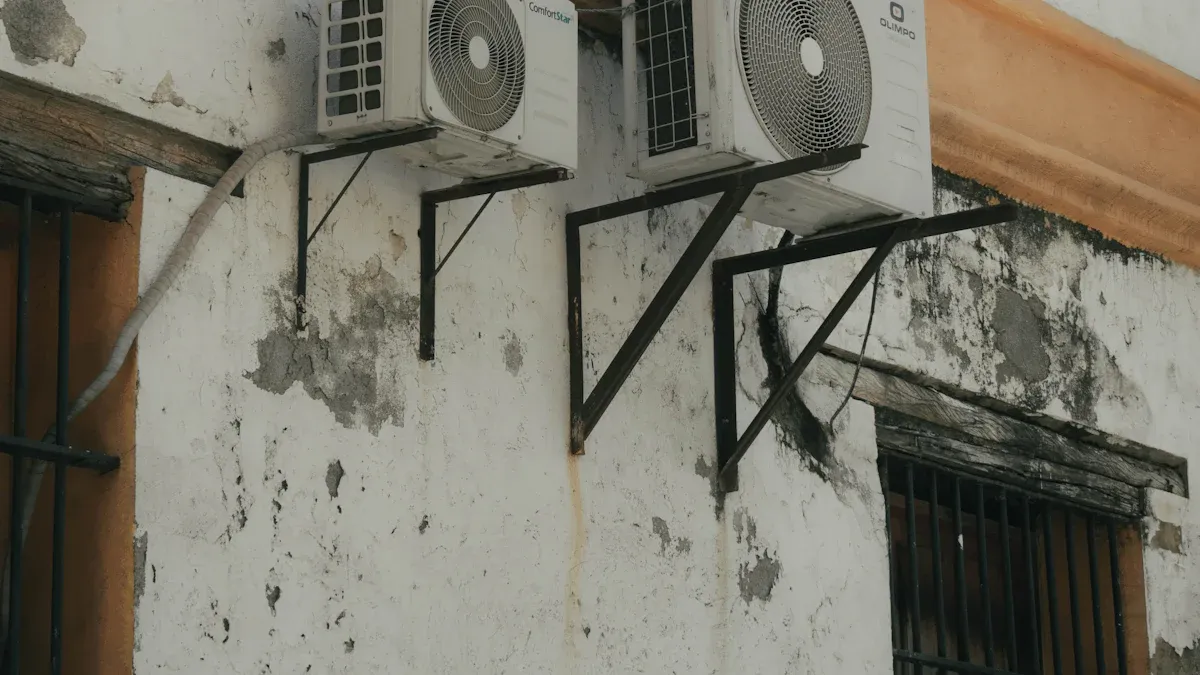
Line set vibration occurs when the AC's refrigerant lines shake, often due to loose mounts, old insulation, or touching surfaces. This line set vibration absorber for air conditioner can help mitigate these shakes, which can create noise and potentially harm the system over time.
If left unaddressed, it may lead to costly repairs or decreased efficiency. Addressing the issue early prevents damage and keeps the AC quieter. Incorporating a line set vibration absorber for air conditioner can significantly reduce noise and safeguard the system.
Key Takeaways
Tighten loose brackets and clamps to stop shaking pipes. Checking often can avoid expensive fixes.
Replace worn-out or broken insulation to lower noise. Good insulation helps your AC stay quiet.
Add vibration pads to absorb shaking from the compressor or fan. This keeps your AC steady and quiet.
Make sure the pipes have enough room around them. Remove anything blocking them to reduce noise and damage.
Get regular HVAC check-ups to find issues early. This saves money and keeps your AC working well.
Common Causes of Line Set Vibration
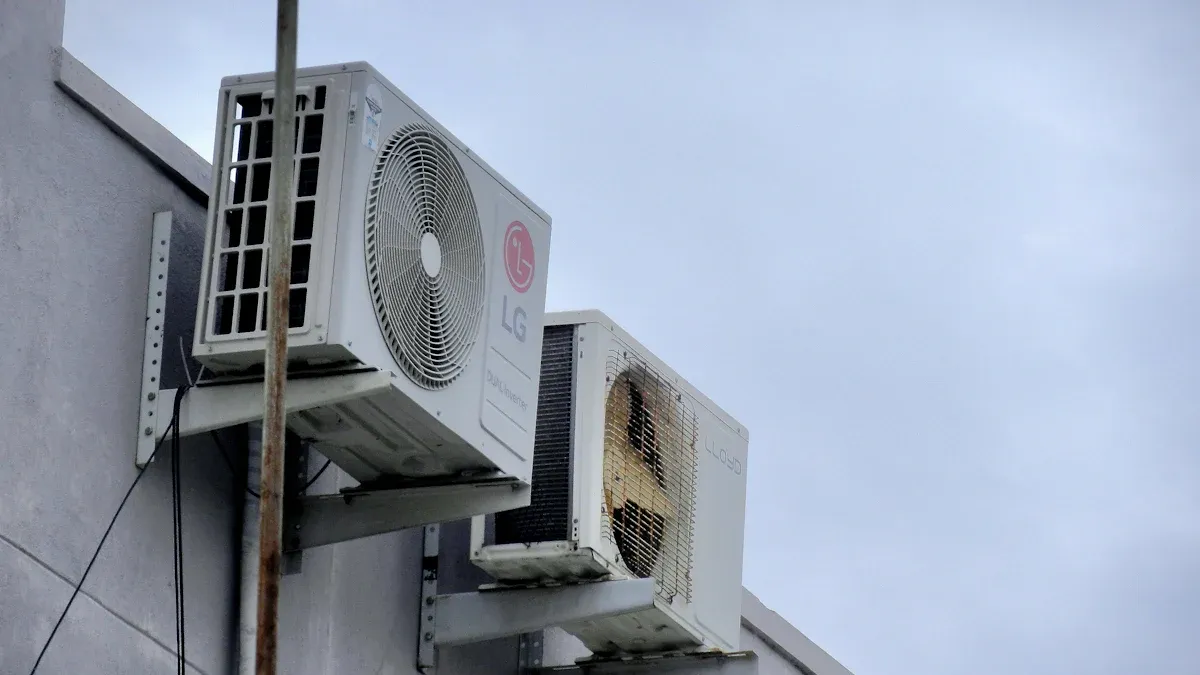
Loose or improperly secured line sets
If line sets are not held tightly, they can shake. This shaking happens when mounting brackets are loose or installed wrong. Over time, vibrations from the compressor or fan motor make the lines move more. This increases noise and can cause problems.
Tip: Look at the brackets and clamps holding the line set. Tighten or replace them if they seem loose or broken.
Worn-out or damaged insulation
The insulation around line sets helps reduce noise and shaking. When insulation gets old, cracked, or damaged, it stops working well. This can make the lines touch other surfaces, causing rattling or buzzing sounds.
Signs of bad insulation include:
Cracks or splits in the foam.
Missing pieces of insulation.
Louder noise from the air conditioner.
Replacing old insulation with good-quality foam can make the AC quieter. It also protects the line set from damage.
Line sets too close to walls or surfaces
If line sets are near walls or ceilings, they can make noise. Vibrations from the line set can hit these surfaces, creating loud sounds. This often happens when there isn’t enough space around the line set.
Note: Make sure the line set has space around it. Use spacers or padding to stop noise from surface contact.
Fixing these problems can reduce vibration and keep your air conditioner quiet and efficient.
Vibrations from the compressor or fan motor affecting the line set
The compressor and fan motor are busy parts of your AC. They move a lot when running, which can shake the refrigerant line set. This shaking can make the AC noisy and wear it out faster.
First, check the compressor and fan motor for problems. Look for loose bolts or worn-out parts. If anything is loose, tighten it to stop extra shaking.
You can also use vibration dampeners or isolators. These tools soak up movement from the compressor and fan motor. Rubber or spring dampeners work well for AC systems. Place them between the motor or compressor and where they are mounted.
Another fix is to check the fan blades. If the blades are not straight, they can wobble and cause more shaking. Adjust them so they spin evenly. This can lower vibrations a lot.
If your AC is old, its parts might be worn out. Replacing old parts can make the system steady again and reduce noise.
Fixing these vibrations helps protect the line set. It also makes your AC quieter and work better.
How to Stop AC Vibration
Check and secure the line set
To stop AC vibration, first check the line set. Vibrations happen when brackets or clamps don’t hold it tightly. Look for loose screws or bolts and tighten them right away. If brackets are broken or worn, replace them with new ones for a better fit.
Rubber bushings on refrigerant tubes can lower stress. They let the line set move naturally with the compressor, stopping too much shaking. Adding shock-absorbing loops in the tubing can also help. These loops reduce bending and prevent damage over time.
Tip: Check the line set often for damage or wear. Fixing problems early can save money later.
Use a line set vibration absorber for air conditioners
A line set vibration absorber is great for cutting noise and shaking. It stops vibrations from spreading to walls or other parts of the system. Installing vibration pads during setup can also help keep the system steady.
Ways to reduce vibrations include:
Wrap soundproof blankets around the AC unit. These block a lot of noise.
Replace a bad AC compressor. A new one can lower vibrations.
Use Victaulic couplings instead of rubber connectors. They work better and need less care.
This chart shows how dampers absorb vibrations at different levels. For example, at 25 Hz, the damper absorbs 14 W of power, cutting down vibrations a lot.
Add or replace insulation to reduce noise
Insulation helps lower noise and shaking in AC systems. Over time, it can crack or wear out, making it less useful. Replacing old insulation with good materials can make a big difference.
Material | Benefits |
|---|---|
Fiberglass | Cheap, easy to use, cuts noise by half |
Foam | Strong, fills gaps, blocks most sound |
Foam insulation works well to block noise and shaking. It fills gaps tightly around the line set. This stops noise and keeps the line set from touching other surfaces.
Note: Fixing air leaks in ducts can stop whistling sounds and improve how the system works.
Adding or fixing insulation is an easy way to stop AC vibration and make your space quieter.
Install vibration dampeners or isolators
Vibration dampeners or isolators help stop AC vibration and noise. These tools absorb vibrations from the compressor or fan motor. They stop the shaking from reaching the line set. This protects your AC parts and makes your home quieter.
There are two main types of vibration systems: passive and active. Passive systems use springs, dampers, and weights to reduce shaking. They work well for high-frequency vibrations and are affordable. Active systems use sensors and devices to cancel low-frequency vibrations. These are advanced and used for special equipment, but passive systems are fine for home AC units.
To install vibration dampeners:
Find where the vibration starts. Check the compressor, fan motor, and line set.
Pick the right dampeners. Rubber and spring dampeners are common for ACs.
Place the dampeners between the moving part and its mount. Attach them tightly to stop movement.
Test the AC after installing. Run it to see if noise and shaking are less.
Tip: Check dampeners often for damage. Replace them if they wear out.
Using vibration dampeners can stop AC vibration and help your system last longer.
Replace worn or damaged components
Old or broken AC parts can cause noise and shaking. Over time, parts like the compressor, fan motor, or brackets may fail. Replacing these quickly keeps your AC stable and working well.
First, check the compressor and fan motor. Look for loose bolts, cracks, or strange sounds. A bad compressor can make the whole system shake. Replacing it with a good one can fix this. A broken fan motor or bent fan blades can also cause noise. Fix or replace the blades to make them spin smoothly.
Next, inspect the brackets and clamps holding the line set. If they are loose or broken, the line set will move too much. Replace them with strong brackets to hold the line set firmly. Adding rubber or shock-absorbing materials can lower vibrations even more.
Finally, look at the insulation around the line set. Old or damaged insulation can let the line set touch walls or other surfaces, causing noise. Replace it with good foam or fiberglass to stop this problem.
Note: Always use the right replacement parts for your AC. Check your manual or ask a technician if unsure.
Replacing damaged parts is key to keeping your AC quiet and efficient. It stops AC vibration and prevents more damage to your system.
Tools and Materials for Fixing Line Set Vibration
Simple tools like screwdrivers, wrenches, and utility knives
Having the right tools makes fixing line set vibrations easier. Basic tools like screwdrivers, wrenches, and utility knives are very helpful. Each tool has a specific job, so use them properly.
Tool Type | Tips for Use |
|---|---|
Hand Tools | Pick the right tool for the task. Keep blades sharp and use carefully. |
Wrenches | Choose the correct size. Avoid using extra force or extensions. |
Screwdrivers | Make sure the tip fits the screw slot. Don’t use them to cut. |
Utility Knives | Cut away from your body to stay safe. Plan your cuts ahead. |
These tools are useful for tightening brackets or cutting insulation. Always use them carefully to avoid getting hurt.
Materials like foam insulation, vibration dampeners, and mounting brackets
Good materials help reduce noise and keep your AC steady. Foam insulation, vibration dampeners, and mounting brackets are great options:
Foam Insulation: Blocks noise by turning sound into heat. It also stops the line set from touching other surfaces.
Vibration Dampeners: Items like pads or tape absorb movement and turn it into heat. Pads work well for isolating the compressor and fan motor.
Mounting Brackets: Hold the line set firmly to stop shaking. Some brackets have special layers to reduce vibrations.
Using these materials makes your AC quieter and more efficient. You can also add soundproof blankets for extra noise control.
Safety gear like gloves and goggles
Safety is very important when fixing line set vibrations. Gloves and goggles keep you safe from injuries:
Safety Goggles: Protect your eyes from dust, debris, or other dangers while working.
Gloves: Keep your hands safe from cuts, burns, or chemicals when using tools and materials.
Wearing safety gear lowers risks and helps you focus on the job. Always check your gear before starting work.
Preventive Maintenance to Stop AC Vibration
Check refrigerant lines often for damage
Look at refrigerant lines regularly to stop vibration problems. Over time, cracks, loose parts, or bad insulation can happen. These issues cause shaking, loud noise, and make your AC work less efficiently. Checking the lines often helps you find and fix problems early.
Finding problems early is very important. It helps you spot things like old insulation or loose brackets before they get worse. Regular checks, like vibration tests, can catch issues quickly. This keeps your AC running well and lasting longer.
Tip: Check refrigerant lines every few months. Look for cracks, missing insulation, or movement. Fixing small problems early saves money later.
Make sure the line set is installed and mounted right
Installing and mounting the line set correctly stops vibrations. If lines touch walls or ceilings, they can shake more and make loud noises. This can also harm your AC system.
To avoid this, use strong brackets and clamps to hold the line set tightly. Add rubber or shock-absorbing materials to reduce shaking. Use spacers or padding to keep the line set away from surfaces that might make it vibrate more.
Note: If you’re not sure about the setup, ask an HVAC expert. Good mounting lowers vibrations and helps your AC last longer.
Plan regular HVAC check-ups
Regular HVAC check-ups help stop vibration problems and keep your system healthy. During these check-ups, technicians check for issues like loose parts or misaligned components. They use tools to find problems early and fix them fast.
Routine maintenance stops small problems from becoming big ones. Studies show it can cut HVAC breakdowns by 95%. It also saves money, giving back up to 500% in value over time.
Emergency fixes cost much more than regular service, especially in bad weather. Regular check-ups keep your AC working well and save you money.
Tip: Get HVAC maintenance twice a year—before summer and winter. This keeps your system ready for heavy use without trouble.
Keep the area around the line set clear of obstructions
Make sure nothing is too close to your line set. Objects nearby can make vibrations worse, causing noise and wear. A clear space helps the line set work better and last longer.
Check the area around the line set for items like boxes, furniture, or plants. Even small things can make the line set shake more. Move these items away to give the line set some space. This reduces noise and protects the insulation and brackets from damage.
Tip: Leave a few inches of space around the line set to avoid contact with other surfaces.
Think about the surroundings too. Vibrations from heavy vehicles or machines nearby can affect the line set. To prevent this:
Don’t park cars close to the line set.
Keep the ground smooth and free of bumps.
Use padding near loading areas to absorb impacts.
These steps help keep the line set steady and quiet.
Also, check for plants or branches near the line set. Wind can make them rub against it, causing noise and damage. Trim plants regularly to keep the line set clear. Keeping the area clean improves airflow and helps your AC work better.
By clearing the area, you reduce stress on the line set and enjoy a quieter, more efficient AC system.
Fixing line set vibration is easy with a few steps. Tighten the line set, change old insulation, and add dampeners. Check your AC often to find problems early. These steps lower noise and keep your air conditioner safe from damage.
Taking care of your AC helps it work better. It finds problems early, avoids breakdowns, and saves money.
Benefit | What It Does |
|---|---|
Finds Problems Early | Spots issues before they cause expensive repairs. |
Less Downtime | Keeps your AC running without sudden stops. |
Saves Money | Cuts costs on repairs and new parts by fixing things early. |
Start today to keep your air conditioner quiet and reliable. Small fixes now can stop big problems later.
FAQ
Why does the line set in my AC vibrate?
The line set vibrates when refrigerant lines shake. This happens because of loose brackets, old insulation, or touching surfaces. Vibrations from the compressor or fan motor can also cause shaking and noise.
Can I fix line set vibration on my own?
Yes, you can fix it yourself. Tighten loose brackets, replace old insulation, or add vibration dampeners. Use simple tools like screwdrivers and wrenches. For harder problems, ask an HVAC expert to avoid making it worse.
How often should I check my AC for vibration problems?
Check your AC every three to six months. Look for loose parts, broken insulation, or strange noises. Regular checks help you find and fix problems early, saving money.
What materials help stop vibration?
Foam insulation, rubber dampeners, and strong brackets work best. Foam reduces noise and stops contact with surfaces. Rubber dampeners absorb shaking, and sturdy brackets keep the line set steady.
When should I get professional help?
Call a pro if the noise or shaking won’t stop. Also, call if parts look damaged. A technician can find tough problems, fix broken parts, and make sure your AC works well.
See Also
Simple Solutions to Fix Copper Pipe Coil Problems
DIY Guide to Resolving Common Pipe Coil Issues
Comprehensive DIY Tips for Repairing AC Copper Tubes

© Copyright 2024 Dongguan Baoyuan Refrigeration Parts Co.,Ltd - All Rights Reserved.
