How to Install Copper Pipe Insulation for AC Units

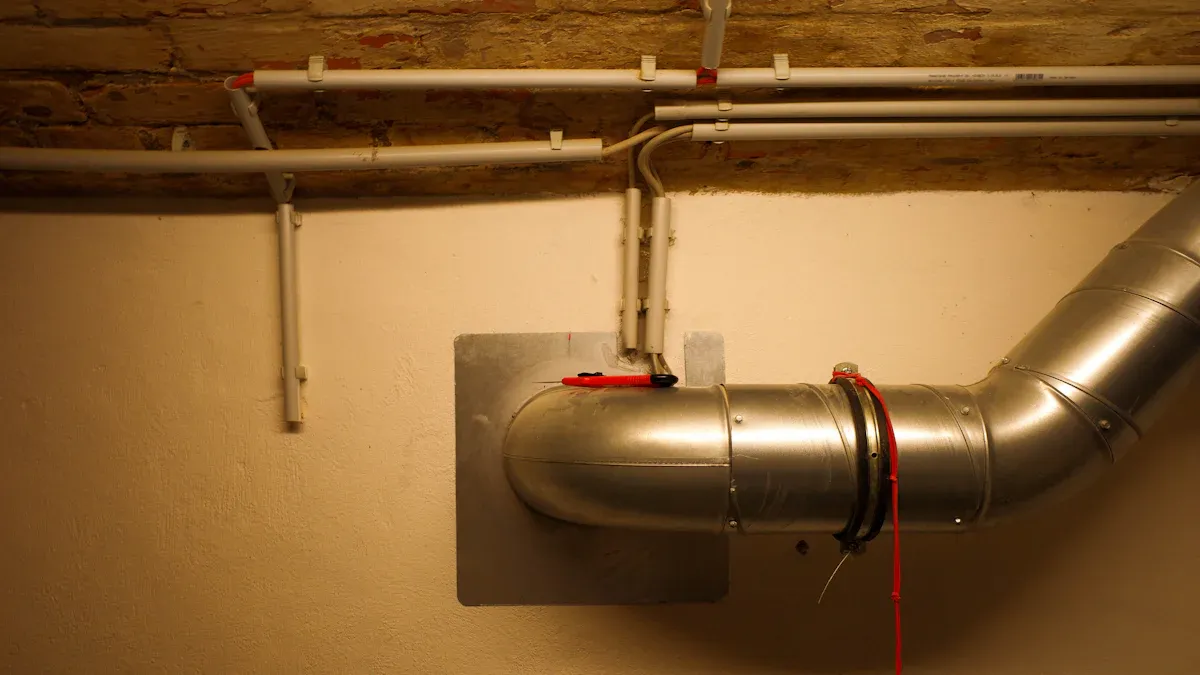
Copper pipe insulation for air conditioner units helps them operate more efficiently. Without this insulation, pipes can lose energy, causing the system to work harder. By adding copper pipe insulation for air conditioner systems, you can save energy, reduce bills, and prevent condensation. This, in turn, helps to avoid rust and mold. Insulating the pipes ensures they function effectively for an extended period.
Key Takeaways
Wrapping copper pipes helps your AC work better and saves money.
Use soft foam insulation to stop heat loss and water drops, keeping it working well for a long time.
Check the insulation often to fix problems early and make your AC last longer.
Tools and Materials for Installing Copper Pipe Insulation
Tools You’ll Need
Get your tools ready before starting the job. This makes the work easier and faster. Here’s what you’ll need:
Utility Knife or Scissors: Use these to cut the insulation to size.
Mitre Box: Helps you cut angles neatly, especially for pipe bends.
Duct Tape or Insulation Tape: Keeps the insulation in place by sealing seams.
Having these tools ready will make the job quicker and simpler.
Picking the Best Insulation Material
Choosing the right insulation is important for your air conditioner pipes. Flexible elastomeric thermal insulation is a great option. It stops heat transfer and keeps condensation away. This makes it perfect for refrigerant lines. APArmaflex insulation is a good example. It lasts long and resists mold and mildew.
This insulation also stops pipes from freezing in cold areas. By reducing heat loss, it saves energy and lowers bills. Knowing the types of insulation helps you pick the best one for your system.
Extra Items for a Better Finish
To complete the job well, you’ll need a few more things:
Adhesive or Sealant: Use this if your insulation doesn’t stick on its own.
Closed Cell Foam Tape: Fills gaps and blocks moisture from getting in.
Sleeves and Canned Foam: Protect pipes through walls by filling sleeves with foam.
Electrical Tape: Wrap it around pipes to stop foam from sticking to them.
These extras help secure the insulation and keep your pipes safe.
Getting Ready to Add AC Pipe Insulation
Switch off the AC system
Make sure the air conditioner is off before starting. This keeps you safe and avoids damaging the system. Find the power switch on the outdoor unit or turn off the breaker. Check again to confirm the system is not running before you begin.
Take off old insulation gently
If there’s old insulation, remove it carefully to protect the copper pipes. Wear gloves and a mask with a Type-H filter to stay safe. Use soapy water to keep dust down while working. Wrap the old insulation in plastic and tape it shut. Throw it away following local rules. This makes the area clean and ready for new insulation.
Check and clean the copper pipes
After removing old insulation, check the pipes for damage. Look for rust, leaks, or rough spots. Feel the pipes for uneven areas and listen for strange sounds that could mean leaks. Clean the pipes using vinegar and salt or baking soda and lemon juice. Rub the solution on rusty spots, scrub lightly, and rinse with water. For tough spots, use a soft emery cloth or pipe brush. Dry the pipes fully before continuing.
Tip: Clean, undamaged pipes help the insulation stick better and work well.
Step-by-Step Guide to Installing Copper Pipe Insulation
Measure and cut the insulation
First, measure the size and length of the copper pipes. Use a tape measure to get exact numbers. This helps you pick insulation that fits tightly. For curved parts, measure each section separately to fit the bends.
After measuring, cut the insulation to the needed lengths. Use scissors or a utility knife for smooth cuts. For sharp pipe bends, use a mitre box to cut neat angles. Cutting properly avoids gaps that make insulation less effective.
Tip: Double-check your measurements before cutting to save material.
Apply the insulation to the pipes
Place the insulation around the copper pipes, making sure it fits well. For foam insulation, open the slit and slide it over the pipe. If using pre-slit insulation, line up the edges to fully cover the pipe.
For refrigerant pipes, cover the entire length, including curves and joints. This stops heat loss and condensation. If the insulation has sticky edges, remove the tape and press them together firmly.
Note: Good insulation keeps your air conditioner working efficiently by holding the refrigerant's temperature.
Seal and secure the insulation
Sealing the insulation is important to keep it safe from water and damage. Use duct tape or insulation tape to close the seams. Wrap the tape tightly, especially around bends and joints, to keep the insulation in place.
For outdoor pipes, use weatherproof sealant to guard against sun and rain. Fill gaps with closed-cell foam tape to block moisture. For pipes going through walls, use sleeves filled with foam to seal the openings.
Benefits: Sealing stops water damage, saves energy, and makes your air conditioner last longer.
Benefit | Description |
|---|---|
Improves System Efficiency | Insulation helps the air conditioner cool rooms better. |
Stops Water Damage | Prevents condensation, avoiding water damage to nearby areas. |
Reduces Mold and Mildew | Stops condensation, improving air quality and health. |
Extends Lifespan | Helps the air conditioner last longer by protecting it. |
Prevents Rust | Keeps copper pipes safe from water and harmful materials. |
Lowers Wear and Tear | Reduces stress on parts, lowering the chance of breakdowns. |
Saves Energy | Cuts energy use, saving money and helping the environment. |
Cost-Effective | Saves money over time, making insulation worth the cost. |
By following these steps, you can insulate air conditioner copper pipes easily. This improves energy use and protects your system from harm.
Tips for Effective Air Conditioner Pipe Insulation
Avoid common installation mistakes
Small errors during insulation can cause big issues later. One mistake is leaving gaps in the insulation. Gaps let moisture in, causing condensation and pipe damage. Another error is picking the wrong insulation material. Some materials can't handle high heat or stop mold well.
Not sealing seams tightly is another common problem. Loose seams can make insulation less effective over time. Skipping the cleaning step before installing insulation can also cause it to not stick properly.
Did you know? Water damage and frozen pipes cost $15-$20 billion yearly. Many of these problems happen due to poor maintenance or bad insulation, especially in winter.
To avoid these issues, clean pipes well, use good insulation, and seal seams tightly. These steps protect your system and save money over time.
Ensure a snug fit for efficiency
Insulation must fit tightly around AC pipes. A snug fit stops air gaps that cause energy loss and condensation. It also keeps insulation in place during tough conditions.
For example, polymer-jacketed insulation keeps temperatures steady and improves cooling. This type fits tightly, blocking moisture and preventing damage.
Evidence Description | Importance of Snug Fit |
|---|---|
Protects equipment from moisture damage and supports efficient operation. | Prevents moisture ingress, ensuring insulation efficiency. |
Maintains consistent temperatures and enhances cooling efficiency. | Helps control temperature and improve system performance. |
Reduces moisture risk and prevents costly repairs. | Ensures long-term effectiveness and durability. |
Always measure pipes carefully and pick insulation that fits well. A snug fit boosts efficiency and helps your AC last longer.
Regularly inspect and maintain insulation
Checking insulation often keeps it working well. Over time, wear can cause cracks, gaps, or loose seams. Regular inspections help find and fix these problems early.
Cleaning the insulation and nearby areas removes dirt that can reduce performance. Replace damaged insulation quickly to avoid bigger issues.
Routine checks also help meet safety rules and keep your system running smoothly. This care extends insulation life and prevents sudden breakdowns.
Tip: Check your insulation every six months. This habit saves time and money in the future.
By following these tips, your copper pipe insulation will stay effective. Proper installation, tight fits, and regular care keep your AC running well for years.
Putting insulation on AC copper pipes is simple if done right. First, measure and cut the insulation to fit the pipes. Next, wrap it tightly around the pipes and seal it well. This stops moisture, saves energy, and helps your system last longer. Using flexible materials with sticky backing makes the job easier and quicker. Check the insulation often to keep it in good shape. Taking care of the insulation protects your AC and lowers energy bills.
FAQ
What is the best insulation for AC copper pipes?
Flexible foam insulation is the best choice. It blocks moisture, stops heat loss, and lasts longer. Pick insulation that fits tightly for better results.
How often should I check my pipe insulation?
Check your insulation twice a year. Regular checks help find cracks, gaps, or damage early. This keeps your AC system working well.
Can I add insulation without hiring a professional?
Yes, you can do it yourself. Follow the steps in this guide. Use proper tools and materials for a smooth DIY project.
Tip: Always switch off your AC before starting insulation work.
See Also
Enhance Air Conditioning Performance Using Copper Pipe Insulation
The Benefits of Selecting Copper Pipes for AC Systems
Find the Perfect Insulation Solution for Copper Tubing

© Copyright 2024 Dongguan Baoyuan Refrigeration Parts Co.,Ltd - All Rights Reserved.
