What is a Standard Size AC Pipe Kit with Fittings and Its Benefits

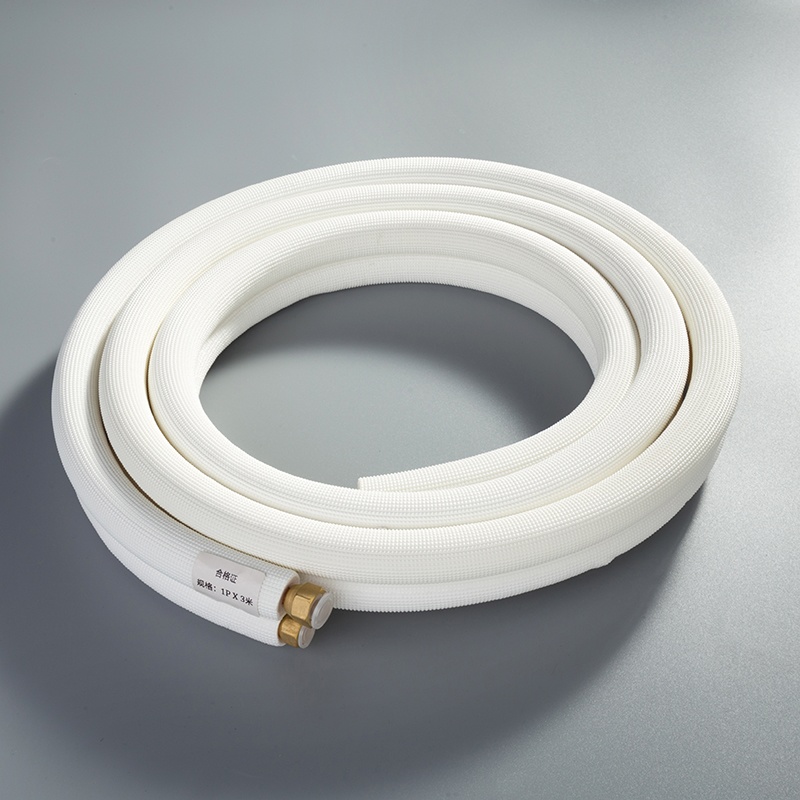
A standard size AC pipe kit with fittings includes pipes and connectors that are ready to use. These kits facilitate the movement of refrigerant between indoor and outdoor units, ensuring that the air conditioner operates efficiently and cools effectively. Utilizing a standard size AC pipe kit with fittings helps prevent leaks and enhances reliability. The design is tailored to fit perfectly, minimizing errors during installation and boosting overall performance.
Key Takeaways
A standard AC pipe kit makes installation easier. It has pre-flared pipes and fittings that connect quickly, saving time and avoiding errors.
These kits help save energy. Standard sizes and good materials stop leaks, so your AC works better and uses less electricity.
Strong materials like copper and aluminum last a long time. Picking a good kit means fewer fixes and a dependable AC system.
Standard size kits can be used in many places. They fit different AC systems, making them great for homes, offices, and factories.
Talk to an HVAC expert to pick the right kit. Their advice helps you get the best materials and sizes for your AC system.
Understanding a Standard Size AC Pipe Kit
What is included in a standard size AC pipe kit?
A standard size AC pipe kit with fittings has key parts needed to connect indoor and outdoor units of an air conditioner. These kits make installation easier and work with most systems. Below is a list of what’s usually included:
Component | Details |
|---|---|
Material | Pure Copper |
Insulation Tube | High-quality foam, waterproof, freeze-proof, fire-resistant |
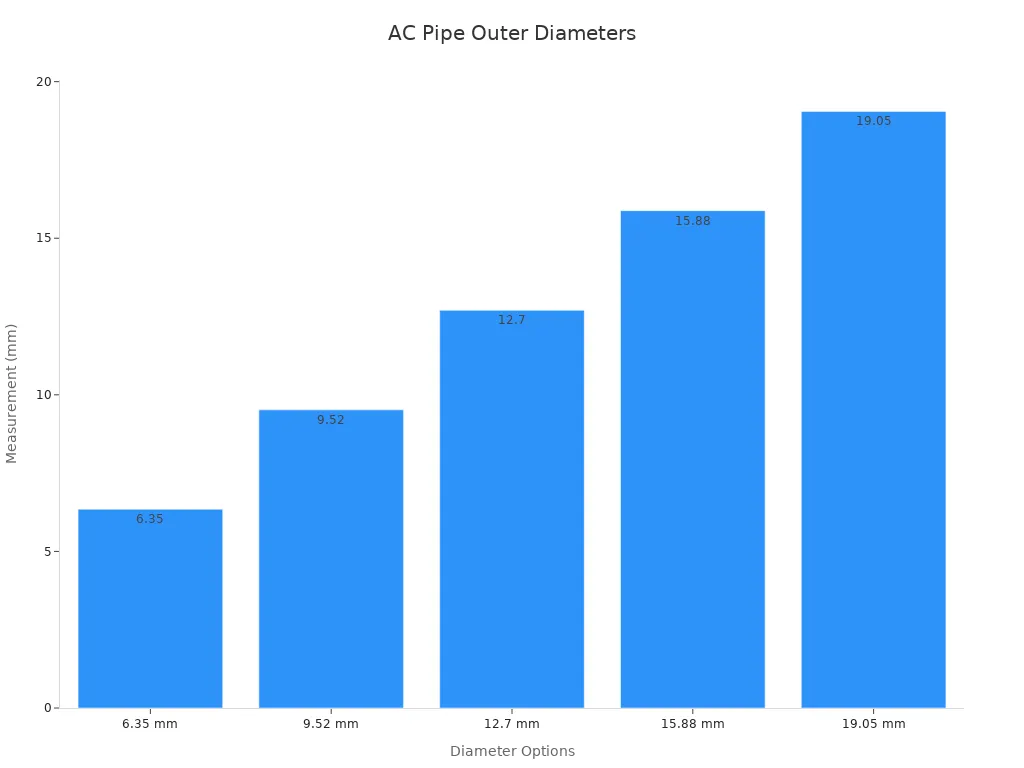
Outer Diameter | 6.35 mm; 9.52 mm; 12.7 mm; 15.88 mm; 19.05 mm |
Length | 3-10 meters |
Cu(min) | 10% |
Wall Thickness | 0.7-1.2 mm |
Features | Pre-flared ends, thick insulation, dependable quality |
These parts work together to move refrigerant efficiently between units. The insulation keeps the refrigerant cool, saving energy and improving system performance.
Common dimensions and materials used in air conditioning piping
Air conditioning pipes come in different sizes and materials for various uses. Common materials include copper, aluminum, and copper-aluminum blends. Copper is popular because it lasts long, resists rust, and conducts heat well. Aluminum and copper-aluminum are lighter and cheaper options.
Here’s a table showing common pipe types and uses:
Pipe Type | Material | Common Applications | Standards/Specifications |
|---|---|---|---|
Carbon Steel Pipe | SGP | Moves chilled water, hot water, and steam in big buildings | Threaded joints, welding, flanges |
Copper Pipe | Copper | Handles refrigerants under high pressure | JIS H3300 C1220T, insulation meets JIS A9511 A-PE-C-2 |
Vinyl Chloride Pipe | Vinyl Chloride | Used for drainage and wastewater | N/A |
Coiled Pipe | Copper | Flexible for use near indoor units | 20-meter rolls for sizes under 19.05mm |
Straight Pipe | Copper | Comes in 4-meter lengths for refrigerant piping | N/A |
Refrigerant pipe diameters range from 6.35 mm to 19.05 mm, with wall thicknesses of 0.7 mm to 1.2 mm. These sizes are standard to fit most air conditioners.
Why standardization matters in air conditioning systems
Standardization is important for air conditioners to work well and last long. Using standard sizes and materials ensures parts fit properly, reducing leaks and problems. It also makes installation easier since technicians can trust the consistent sizes.
Standardized pipes also improve energy efficiency. Studies show that modern systems with standard parts can cut electricity use by over 75% compared to older models. This saves money and helps the environment by lowering energy use.
Tip: Always pick a standard size AC pipe kit with fittings that meets global standards. This ensures it works well and lasts longer.
Types of Pipes and Fittings in AC Pipe Kits
Copper pipes: Features, sizes, and benefits
Copper pipes are strong and great at moving heat. They help air conditioners work well by transferring heat efficiently. Copper doesn’t rust, so it lasts a long time.
Here are some details about copper pipes used in AC systems:
Specification | Details |
|---|---|
Material | 99.9% Pure copper |
Pressure Rating | 2100 to 7000 PSI |
Insulation | 1/2" Polypropylene & UV Resistant |
Working Temperature | -40ºC to 120ºC |
Size Options | 1/4", 3/8", 1/2", 5/8", 3/4", 7/8", 1 1/8" |
Length Options | 15m, 20m, 25m, 30m, 50m |
Features | Flaring and nuts for easy installation, insulated for efficient refrigeration |
Benefits | Makes AC setup simple, keeps connections tight, improves cooling |
Copper pipes come in many sizes to fit different AC systems. They handle high pressure, making them good for modern units. Their insulation stops energy waste, helping your AC work better.
Aluminum pipes: Features, sizes, and benefits
Aluminum pipes are lighter and cheaper than copper pipes. They are good for places where weight and cost matter. Aluminum doesn’t rust, so it works well in wet areas.
These pipes come in different sizes to match various AC systems. Aluminum doesn’t move heat as well as copper but still works for basic cooling needs. It’s a budget-friendly option for homes and businesses.
Essential fittings: Elbows, couplings, connectors, and their uses
Fittings connect pipes and keep the system leak-free. Common fittings in AC kits include:
Elbows: Change pipe direction, usually at 90° or 45°.
Couplings: Join pipes of the same size for smooth connections.
Connectors: Link pipes of different sizes or materials for flexibility.
Good fittings stop leaks and keep the system running well. Proper installation avoids problems and saves money on repairs later.
Insulation materials: Importance and benefits.
Insulation is very important for air conditioning systems. It covers pipes to stop heat from moving in or out. This keeps the refrigerant at the right temperature, helping your AC work well.
One big benefit of insulation is saving energy. Without it, refrigerant can lose or gain heat. This makes your AC work harder, using more electricity and costing more money. Insulated pipes stop heat loss, keeping your system efficient and saving you money.
Insulation also stops condensation. When warm air touches cold pipes, water can form. This might cause damage or mold over time. Insulation keeps pipes dry and protects your home from these problems.
It also makes pipes last longer. Pipes in extreme weather can wear out quickly. Insulation protects them, so they last longer and need fewer repairs.
ASTM standards show why good insulation matters. These rules make sure insulation works well to stop heat transfer. Using insulated pipes that meet these standards helps your AC run its best.
Benefits of Using a Standard Size AC Pipe Kit
Better system performance and efficiency
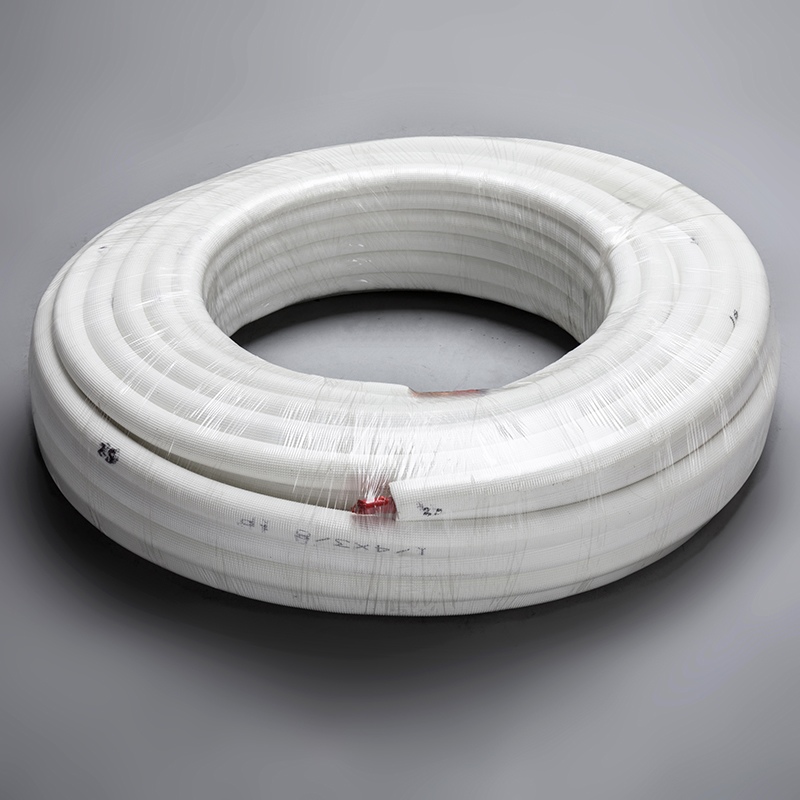
Using a standard size AC pipe kit with fittings helps your air conditioner work better. The exact sizes and strong materials in these kits let refrigerant move easily between indoor and outdoor units. This smooth flow stops energy waste and keeps cooling steady.
Standard pipes also lower the chance of leaks. Leaks can reduce refrigerant levels, making your AC work harder. When refrigerant stays stable, your system uses less power, cutting down on energy bills. Studies show that systems with standard pipes use much less energy than older, non-standard ones.
Tip: Check your AC pipes often for damage or wear. This simple habit keeps your system efficient and avoids expensive repairs.
Easier installation process
Setting up an air conditioner can be tricky, but a standard size AC pipe kit with fittings makes it easier. These kits include pre-flared pipes, connectors, and insulation that fit perfectly together. You won’t need to make custom changes, saving time and effort.
The included fittings, like elbows and couplings, make pipe connections secure. Even if you’re not an expert, these parts reduce mistakes during setup. With everything in one kit, you don’t have to worry about parts not matching.
Note: Easy installation saves time and prevents future problems caused by bad connections.
Stronger pipes and less maintenance
Standard size AC pipe kits with fittings are built to last. Materials like copper and aluminum resist rust and damage, so the pipes stay strong for years. Insulation adds extra protection from extreme heat or cold, making the pipes last even longer.
Studies back up how long these pipes can last. For example:
A study found over 600,000 miles of AC pipes in North America last about 50 years.
Another report says AC pipes on the West Coast can last 65 to 105 years, depending on use.
Tools like digital assessments help find problems early, reducing repairs and keeping pipes in good shape.
Choosing a durable kit means fewer repairs over time. This saves money and keeps your AC reliable, even when it’s working hard.
Callout: Strong pipes lower the risk of leaks, which can harm your AC and the environment. Always pick materials that meet industry standards for long-lasting use.
Works with many air conditioning systems.
Standard size AC pipe kits with fittings fit different air conditioners. They work well with split ACs, central ACs, and window units. These kits help refrigerant move smoothly, keeping cooling steady. Their universal design follows industry rules, making them dependable for most setups.
How do these kits fit different systems?
Universal Sizes:
These kits come in common sizes for most ACs. For example, refrigerant pipes are usually 6.35 mm to 19.05 mm wide. These sizes fit most units without needing special changes.Flexible Materials:
Copper and aluminum pipes in these kits work with many refrigerants. Copper handles high-pressure refrigerants, making it great for modern ACs. Aluminum is lighter and works well for lower-pressure systems.Pre-Flared Pipes and Fittings:
Kits often include pre-flared pipes and parts like elbows and couplings. These make setup easier and prevent leaks. They work for both home and business AC systems.Insulation for Any Weather:
Insulation in these kits handles hot and cold climates. It stops heat from affecting refrigerant, keeping cooling steady.
Why compatibility matters
Easy Setup:
These kits are simple to install. Standard sizes and fittings mean fewer problems, even for beginners.Saves Money:
One kit works for many systems, so you don’t need extra parts. This saves money and reduces waste.Safer Systems:
Good fittings stop refrigerant leaks, protecting the environment and your AC. These kits are built for safe, long-term use.Ready for the Future:
As AC technology changes, these kits stay useful. They work with newer systems, making them a smart buy.
Tip: Check your AC’s details before buying a kit. This ensures the kit fits your system perfectly.
Where these kits are used
Standard size AC pipe kits are used in homes, offices, and factories. For example:
In homes, they connect split ACs for quiet, effective cooling.
In offices and malls, they keep central AC systems running smoothly.
In factories, they handle big cooling systems where strength and safety matter.
Choosing a standard size AC pipe kit ensures your system works well while staying efficient and durable.
Choosing the Right AC Pipe Kit
Understanding your air conditioner’s needs
Picking the right AC pipe kit starts with knowing your system. Check the refrigerant type your air conditioner uses. Different refrigerants need specific pipe materials and sizes. High-pressure refrigerants in modern systems work best with copper pipes.
Measure the pipe diameter and length your system needs. Most air conditioners use pipes between 6.35 mm and 19.05 mm wide. Measure the distance between indoor and outdoor units. This ensures the kit has pipes long enough for installation.
Think about your AC’s cooling power. Bigger systems need thicker pipes for more refrigerant flow. Matching pipe size to your system stops energy waste and keeps it running smoothly.
Considering climate and location
Your environment affects how well your AC pipe kit works. Cities are often hotter because of buildings and human activities. This is called urban warming, which increases the need for air conditioning.
Factor | What It Means |
|---|---|
Urban Warming | Cities get hotter due to human activities and buildings. |
AC Demand | Hotter areas need more air conditioning. |
Energy Cycle | More AC use makes cities even warmer, using more energy. |
Hot and humid places need pipes with strong insulation to keep refrigerant cool. Cold areas need pipes that resist freezing. Coastal regions need corrosion-resistant materials like copper to handle salty air.
Choosing a kit based on your location helps your AC work better and last longer.
Why material quality matters
Good materials make AC pipes last longer and work better. Copper pipes are strong and don’t rust, making them great for long-term use. Aluminum pipes are cheaper and lighter but don’t last as long in tough conditions.
Pick kits with good insulation. Insulated pipes keep refrigerant at the right temperature, saving energy. They also stop condensation, which can cause mold or damage.
Durable pipes save money by needing fewer repairs. Pipes that meet industry rules, like ASTM standards, are safer and more reliable. A high-quality kit protects your AC and keeps it working for years.
Getting expert help to choose the best kit.
Picking the right AC pipe kit with fittings can be confusing. There are many choices, and it’s hard to know what’s best. Asking an expert for help makes the process easier and ensures you pick the right kit.
Why ask an expert?
Proper System Check:
Experts carefully check your air conditioner. They look at refrigerant type, cooling power, and pipe size needs. This helps you get a kit that fits perfectly.Best Material Advice:
Professionals know which materials work well in different places. For example, they may recommend copper for strength or aluminum for saving money. Their advice helps you avoid mistakes.Meets Safety Rules:
Experts make sure your kit follows important rules like ASTM or JIS. This keeps your system safe and working well for a long time.Custom Suggestions:
Every air conditioner is different. Experts give advice based on your home, weather, and system needs.
Tip: Always hire a licensed HVAC expert. Their knowledge helps you pick the perfect kit for your AC.
How to find a good expert?
Search for certified HVAC pros with great reviews.
Ask friends or family for trusted recommendations.
Make sure the expert knows your type of air conditioner.
Getting professional advice saves time and avoids problems. It also helps your AC work better and last longer. A little help now can make a big difference later.
Using a standard size AC pipe kit with fittings helps your air conditioner work better and last longer. These kits make setup easier, lower upkeep needs, and boost performance. Choosing strong materials like copper or aluminum keeps pipes durable and avoids expensive fixes.
Tip: Check your air conditioner’s details and local weather before buying. This ensures you pick the right size and material for the best results.
Knowing your system’s needs and asking an expert can help you choose wisely. This saves energy and makes your air conditioner last longer.
FAQ
1. What does an AC pipe kit with fittings do?
An AC pipe kit links the indoor and outdoor units. It helps refrigerant move smoothly, keeping your air conditioner cool. The fittings stop leaks and make the system reliable.
Tip: Pick a kit that fits your AC for better results.
2. Can I set up an AC pipe kit myself?
You can install it if you know basic technical steps. But hiring a pro ensures correct setup and avoids mistakes like leaks. This keeps your air conditioner safe and working well.
Note: Wrong installation might cancel your AC’s warranty.
3. How can I find the right pipe size for my AC?
Look at your AC manual for the suggested pipe size. Most systems use pipes between 6.35 mm and 19.05 mm wide. Measure the distance between units to check if the pipe is long enough.
4. Why is insulation needed in AC pipe kits?
Insulation stops heat from affecting the refrigerant’s temperature. This saves energy and lowers electricity bills. It also prevents water drops that can cause mold or damage.
Reminder: Use good-quality insulation for better results and longer use.
5. Which is better: copper or aluminum pipes?
Copper pipes last longer and handle high pressure well, making them great for modern ACs. Aluminum pipes are cheaper and lighter but may not last as long in tough weather. Choose based on your budget and needs.
Tip: Ask an HVAC expert to help pick the right material.
See Also
The Advantages of Using Copper Pipes in AC Systems
A Comprehensive Overview of 3-Inch Copper Pipe Fittings
Discovering Five Key Advantages of Copper Pipes for AC

© Copyright 2024 Dongguan Baoyuan Refrigeration Parts Co.,Ltd - All Rights Reserved.
