Why Copper Pipes Are Crucial for Air Conditioning Systems

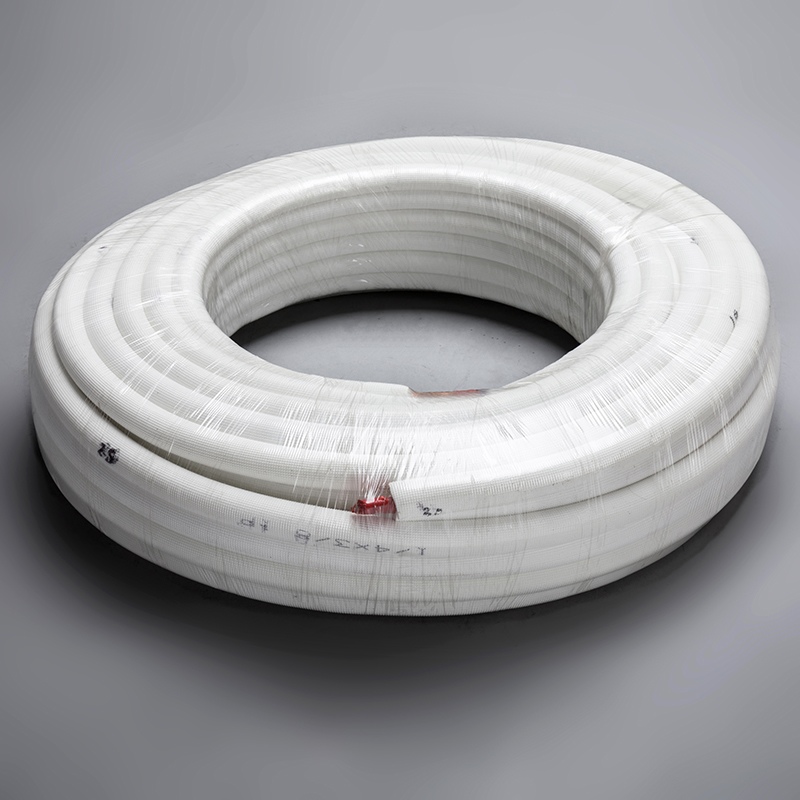
When choosing materials for air conditioners, one might wonder why use copper pipe for air conditioner systems. Copper pipes are the best choice because they move heat efficiently, making cooling fast and effective. This efficiency is particularly important for air conditioners as the world gets hotter and the demand for energy-saving solutions increases.
Additionally, copper is known for its strength. It resists rust, which helps keep air conditioners functioning properly and prevents leaks. Copper pipes are essential in modern HVAC systems, enabling new technologies to operate effectively while adhering to strict energy regulations. These outstanding features are precisely why use copper pipe for air conditioner applications is so prevalent.
Fun fact: The HVAC industry relies heavily on copper pipes because they excel at moving heat and managing refrigerants with ease.
Key Takeaways
Copper pipes move heat well, cooling homes faster with less energy.
Copper is strong and doesn’t rust, lasting a long time.
Using copper pipes lowers energy bills because they save power.
Copper pipes work with new and old refrigerants in AC systems.
Copper is good for the environment and can be recycled easily.
Why Use Copper Pipe for Air Conditioner
Improving Cooling and Heat Transfer
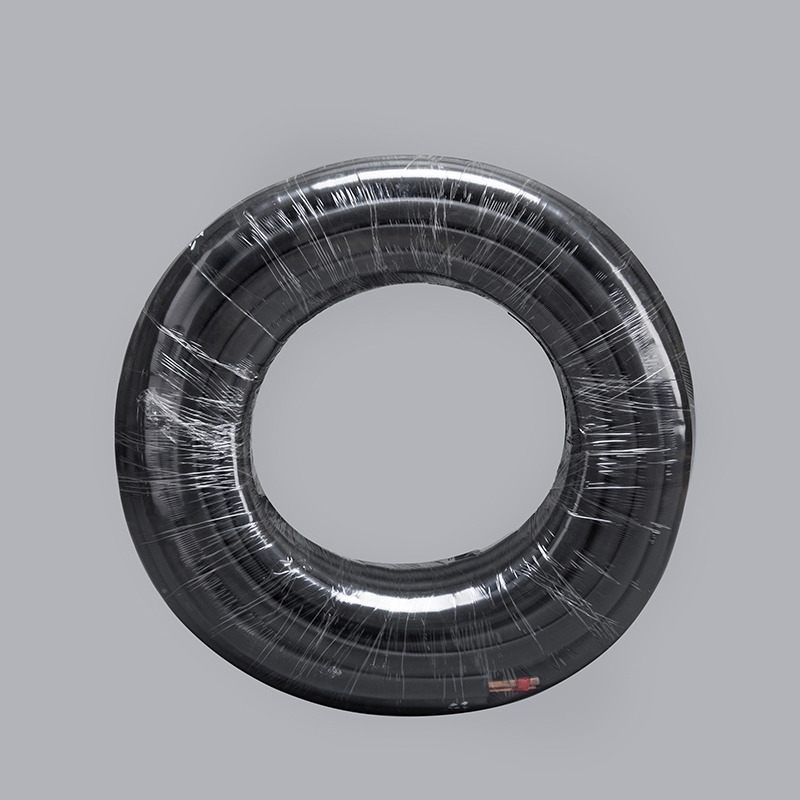
Copper pipes are key to making air conditioners work better. They are great at moving heat, which is why they are perfect for HVAC systems. Copper is excellent at conducting heat, helping the refrigerant absorb and release heat quickly. This fast heat transfer helps your air conditioner cool your home while using less energy.
The inside of copper pipes is smooth, which helps heat move easily. This smoothness reduces friction, letting the refrigerant flow without problems. It also cuts down on energy waste and boosts your air conditioner's performance. Copper's ability to conduct heat well ensures that the evaporator and condenser coils work efficiently. This keeps your home at a comfortable temperature.
Tip: Using copper pipes in your air conditioner can save you money. They help your system use less energy, lowering your utility bills.
Ensuring Reliable Performance
Copper pipes are strong and dependable, making them essential for HVAC systems. They stay in good shape even in tough conditions, so you won’t need repairs often. This means your air conditioner will keep working well for a long time.
Copper doesn’t rust or break down easily, even in wet or hot environments. This makes it a great choice for air conditioners, which often face harsh conditions. Copper pipes can also handle high pressure, up to 1000 PSI, making them suitable for homes and businesses.
Feature | Description |
|---|---|
Durability | Copper pipes last long and work reliably. |
Corrosion Resistance | Copper resists rust, lasting longer in different conditions. |
Efficiency in Heat Exchange | Small, grooved pipes improve energy efficiency in cooling systems. |
Lifespan | Copper pipes can last up to 70 years, depending on use and environment. |
Pressure Tolerance | Can handle pressures up to 1000 PSI, ensuring strong performance. |
Choosing copper pipes for your air conditioner means a system that works well for years. They handle extreme heat and pressure, making them a smart choice for any HVAC system.
Copper Pipes and Durability
Resistance to Corrosion and Environmental Factors
Copper pipes are special because they don’t rust easily. This keeps your HVAC system working well, even in tough conditions. Unlike other materials, copper stays strong when exposed to water, heat, or chemicals. This makes it a great choice for air conditioners in humid or harsh environments.
Things like water quality, pH levels, and certain ions can cause rust. But copper pipes are tough and resist these problems. Studies show that less leftover carbon inside copper pipes helps stop rust. This means they last longer and work better. New metal-making methods also spread anodes evenly, stopping rust in one spot and avoiding leaks.
Key Findings | Description |
|---|---|
Pitting Corrosion | Small holes from rust can cause leaks in pipes. |
Environmental Factors | Water, pH, and ions like chloride can lead to rust. |
Residual Carbon Impact | Less leftover carbon means better rust protection. |
Testing Methods | Tests check carbon levels and rust resistance. |
Metal Processing | New methods stop rust and make pipes stronger. |
Using copper pipes means your air conditioner can handle tough environments. They don’t rust easily, which stops leaks and helps your HVAC system last longer. This saves you money on repairs.
Longevity in Air Conditioning Systems
Copper pipes last a very long time in air conditioners. They are strong and keep your HVAC system running for many years. Unlike other materials, copper stays solid under high pressure and heat. This makes it perfect for homes and businesses.
Copper pipes can last up to 70 years, depending on how they’re used. This means you won’t need to replace them often, saving money. They resist damage, so your air conditioner works well even in hard conditions. Plus, copper doesn’t leak easily, keeping your system efficient.
Did you know? Copper pipes can handle very high pressure, up to 1000 PSI. This makes them great for modern air conditioners with advanced refrigerants.
Choosing copper pipes gives you strength and long-lasting performance. Your air conditioner will stay reliable, efficient, and save you money for many years.
Copper Refrigerant Lines and Compatibility
Adaptability to Modern Refrigerants
Copper refrigerant lines are made to work with modern refrigerants. They are an important part of air conditioning systems. ACR copper, a special type of copper pipe, is used in HVAC systems. It works with refrigerants like R-410A, R-22, and R-134a. This makes it useful for both old and new air conditioners. You can trust copper lines to perform well in any system.
ACR copper is flexible, making installation easier. It handles high pressure and big temperature changes. These are common in today’s air conditioners. Copper also moves heat well, helping with cooling and heating. It doesn’t rust, so leaks and failures are rare. These features make copper refrigerant lines essential for reliable air conditioning systems.
Tip: Always match copper refrigerant lines to the refrigerant type in your air conditioner. This ensures the best performance.
Ensuring System Efficiency and Reliability
Good copper refrigerant lines help your air conditioner work better. Copper moves heat quickly, making cooling faster and saving energy. This lowers your bills while keeping your home cool.
Insulation on copper lines stops condensation and keeps the refrigerant cold. This reduces wasted energy and improves performance. Copper is strong and handles high pressure and temperature changes. It lasts a long time, making it a smart choice. Standard copper pipe sizes also make repairs and maintenance easier.
Performance Outcome | Explanation |
|---|---|
Efficient refrigerant transportation | Copper lines move heat quickly, improving cooling and heating. |
Thermal conductivity | Copper transfers heat well, boosting system efficiency. |
Insulation benefits | Insulation stops condensation and keeps refrigerant at the right temperature. |
Energy efficiency | Less heat loss means lower energy use and smaller bills. |
Copper refrigerant lines are key to keeping your air conditioner efficient and reliable. Using high-quality copper pipes ensures your system works well for many years.
Ease of Installation and Maintenance
Malleability and Flexibility of Copper Pipes
Copper pipes are important in air conditioners because they are easy to bend. You can shape them to fit tight spaces or tricky areas. This makes them great for HVAC systems where space is limited. Unlike stiff materials, copper lets you make smooth curves without needing many joints. Fewer joints mean fewer chances for leaks, which helps your system work better.
Copper's flexibility also saves time and money during installation. You need fewer tools and can adjust pipes on-site without harming them. For example, special tools can bend copper sharply without breaking it. This makes the setup process simple and smooth. Copper can fit into different designs, making work easier for HVAC technicians. That’s why it’s a top choice for homes and businesses.
Tip: Clean the ends of copper pipes before connecting them. This helps prevent leaks and ensures a tight seal.
Cost-Effectiveness in Repairs and Upkeep
Copper pipes are easy to fix and save money over time. Unlike aluminum coils, which can’t be repaired, copper pipes can be patched up quickly. This means fewer replacements and lower costs. Copper’s ability to move heat and stay strong makes it reliable for years. You spend less on repairs while your air conditioner works well.
Plastic pipes often need expensive replacements as they wear out. Studies show replacing 5,000 plastic lines could cost $16.5 million. Copper avoids these problems because it resists damage and rust. Simple cleaning and regular checks keep your HVAC system running smoothly. Choosing copper pipes is a smart way to save money in the long run.
Note: Use special clamps to secure copper pipes and stop vibrations. This small step helps your air conditioner last longer.
Energy Efficiency and Environmental Benefits
Cutting Down Energy Waste in Air Conditioners
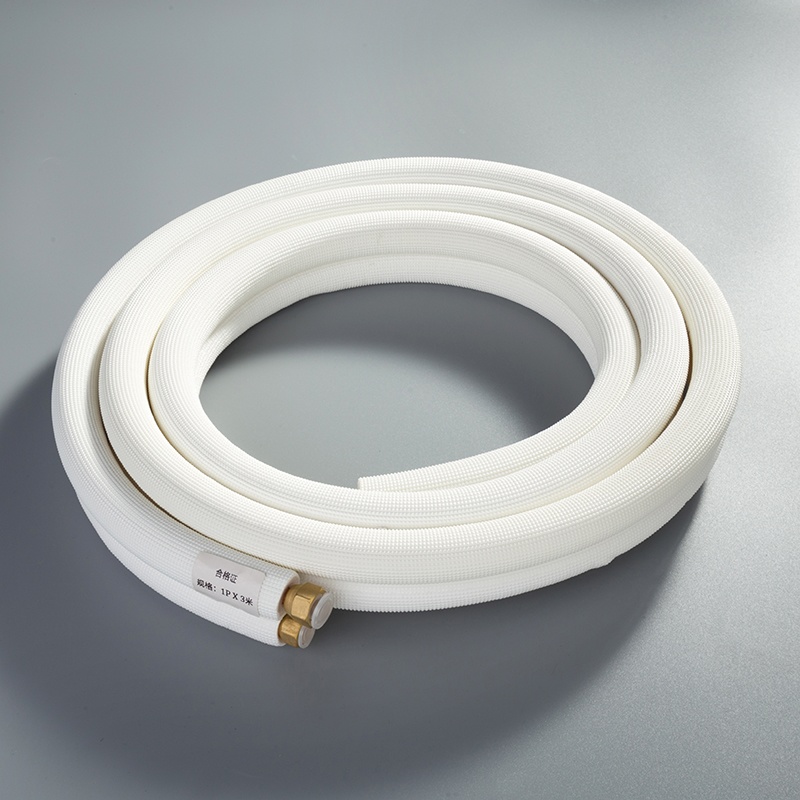
Copper is key to making HVAC systems energy-efficient. It moves heat quickly, with thermal conductivity between 300 and 400 W/(m•K). This helps air conditioners cool homes faster while using less energy. Grooved copper tubes improve this by adding more surface area for heat transfer. These grooves also lower pressure drops, letting refrigerant flow smoothly and boosting efficiency.
Copper also reduces flow resistance, helping air conditioners work without extra effort. This lowers energy waste and keeps your system running better. Choosing copper pipes means saving on energy bills and having a dependable cooling system. Copper is a smart pick for anyone wanting an efficient air conditioner.
Tip: Keep copper pipes clean and maintained to avoid energy loss.
Promoting Eco-Friendly and Sustainable Choices
Copper supports eco-friendly practices in many ways. Its strength helps HVAC systems last longer, cutting down on replacements. This reduces waste and saves resources. Plus, copper is fully recyclable, making it a green choice for air conditioners.
Some studies say materials like FlowGuard Gold CPVC may have less impact on global warming than copper. Still, copper is favored for its great efficiency and dependability. Using copper in air conditioners supports sustainability while giving you a high-performing system.
Did you know? Recycling copper uses only 15% of the energy needed to make new copper, making it a greener option for HVAC systems.
Copper pipes are very important in air conditioners. They move heat well and last a long time. These features make copper perfect for HVAC systems, even in tough conditions. Plus, copper is eco-friendly because it can be recycled and saves energy.
Big companies like Carrier and Goodman use advanced copper designs to improve systems. For instance, Carrier uses tiny copper tubes to use less refrigerant and work better. The table below shows how copper helps HVAC systems improve:
Company | Technology Description | Benefits |
|---|---|---|
Carrier and Bryant | Tiny copper tubes for better cooling | Uses less refrigerant and makes the system more efficient |
Goodman Manufacturing | SmartCoil™ with aluminum fins and small copper tubes | Smaller design that improves how heat is transferred |
Johnson Controls | Coils with aluminum tubes and special fins | Better heat performance and higher efficiency for HVAC systems |
Using copper pipes helps air conditioners work better, last longer, and support a greener planet.
FAQ
Why are copper pipes better than aluminum for air conditioners?
Copper pipes are tougher and last longer than aluminum ones. They don’t rust easily and can handle high pressure well. Copper also moves heat faster, which helps cool better. Aluminum pipes cost less but break easier and are harder to fix.
Tip: Pick copper pipes for better durability and energy savings.
Can copper pipes work with modern refrigerants like R-410A?
Yes, copper pipes work great with modern refrigerants like R-410A. They can handle the high pressure and temperature changes these refrigerants need. This makes copper a good choice for both old and new air conditioners.
Are copper pipes good for the environment?
Yes, copper is eco-friendly because it can be recycled completely. Recycling copper uses only a small amount of energy compared to making new copper. Its long life also means less waste, making it a green option for air conditioners.
Did you know? Recycling copper cuts greenhouse gases and saves natural resources.
How long do copper pipes last in air conditioners?
Copper pipes can last as long as 70 years if cared for properly. They resist rust and handle tough conditions well. Cleaning and checking them regularly can make them last even longer.
Are copper pipes simple to install and repair?
Yes, copper pipes are easy to bend and shape, so they’re simple to install. They need fewer joints, which means fewer leaks. Fixing them is also easy since they can be patched or soldered instead of replaced.
Note: Always call a trained HVAC technician for installation or repairs to keep your system working its best.
See Also
The Benefits of Using Copper Pipes in Air Conditioning
Pure Copper Pipes: Essential for Optimal Air Conditioning Efficiency
Key Advantages of Copper Pipes in Modern Air Conditioning
Transforming Air Conditioning with Pure Copper Pipe Technology

© Copyright 2024 Dongguan Baoyuan Refrigeration Parts Co.,Ltd - All Rights Reserved.
