
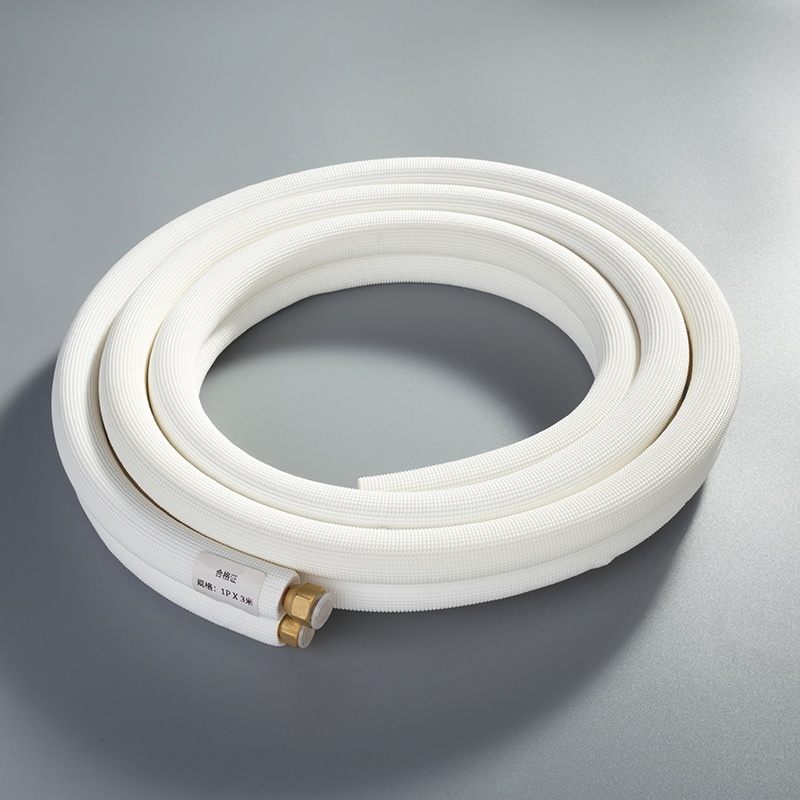
Have you ever stood in the hardware aisle, unsure which copper tubing fits your project? You can make a smart choice if you start by thinking about what your project needs. The durability and recyclability of copper make it a top pick for many home improvements and renovations. New rules also help protect your water, so matching the right tubing to your use and local codes matters. Here are a few common needs that guide your selection:
Type K works best underground for water lines.
Type L fits most indoor plumbing jobs.
Type M suits lighter tasks like some heating and air conditioning.
You do not need to feel overwhelmed. With the right guide, you can pick the perfect copper tubing for your next project.
Key Takeaways
Figure out what your project needs before picking copper tubing. Decide if you need it for plumbing, HVAC, or gas lines. This helps you choose the right kind.
Think about where you will put the copper tubing. Indoor and outdoor places can change how long the tubing lasts. They also affect how well it works.
Learn the difference between nominal and actual sizes of copper tubing. Always check the outside diameter to make sure it fits right.
Follow local building rules so you do not make expensive mistakes. Following the rules keeps things safe. It also helps you pass inspections.
Pick the right copper tubing for your project. Type K is good for underground jobs. Type L works well for indoor plumbing. Type M is best for low-pressure uses.
Identify Your Project Needs
When you pick copper tubing, first think about your project. You should know your goal before buying anything. This guide helps you find the best choice for your needs.
Intended Use: Plumbing, HVAC, Gas Lines
Decide how you will use the tubing. Each job needs something different. Plumbing needs tubing that can handle water pressure and last a long time. HVAC systems need tubing that bends easily and does not leak. Gas lines need tubing that follows strict safety rules.
Tip: Always check your local building codes before you start.
Here are some common uses and what you should look for:
Plumbing: Pick tubing that does not rust and can handle strong water flow.
HVAC: Get tubing that bends without breaking and fits your system.
Gas Lines: Use tubing made for gas, and make sure all parts are tight.
Environmental Factors: Indoor vs. Outdoor
Where you put the tubing changes how long it lasts and how well it works. Indoor and outdoor places have different problems.
High humidity and salty air can make copper tubing last only 5-10 years instead of 25.
VOCs and moisture can make tubing rust faster, especially with some insulation.
Soil can hurt buried lines. Bad soil can damage tubing faster than above-ground pipes.
Changes in indoor temperature can stress joints and cause small leaks.
You can use these steps to keep your tubing safe:
Preventive Measure | Description |
|---|---|
Water Testing and Treatment | Test your water for things that cause rust and fix it. |
Use Dielectric Fittings | Stop rust when joining copper to other metals. |
Apply Protective Coatings | Put coatings on pipes to protect them from harm. |
Insulation of Pipes | Cover pipes in very hot or cold places to stop damage. |
Proper Ventilation | Make sure air moves well in damp places to keep pipes dry. |
Soil Testing | Check soil for things that cause rust before burying pipes. |
Think about how your choice affects the environment. The table below shows how copper tubing and plastic piping compare:
Factor | Copper Tubing | Plastic Piping |
|---|---|---|
Sourcing | Mining can hurt animal homes | Made from oil and gas |
Production | Uses a lot of energy, may pollute | Usually uses less energy |
Durability | Lasts a long time | Usually does not last as long |
Recyclability | Easy to recycle | Some types can be recycled |
Environmental Costs | High because of mining | Depends on the material |
Disposal | Needs careful handling | Some types are hard to throw away |
Note: Copper can be recycled and is worth money, but you must get rid of it the right way to help the planet.
If you think about your project and where you will put the tubing, you can make better choices. These tips help you avoid trouble and get the best results for your plumbing or HVAC system.
Copper Tube Types Explained
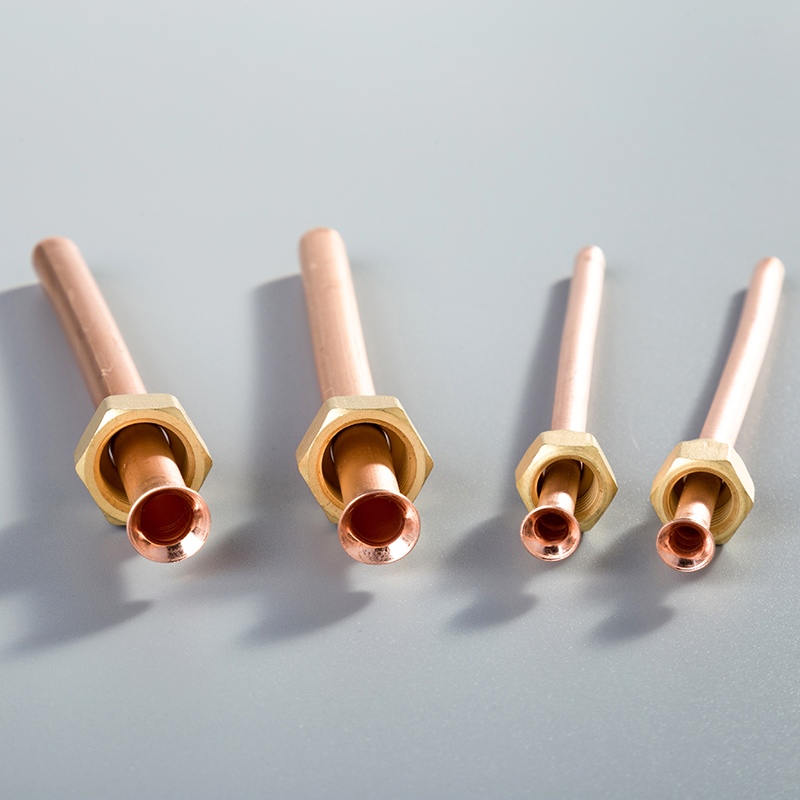
Type K, L, M, DWV Overview
Choosing the right copper tube type depends on your project’s needs. Each copper tube type has different wall thickness, pressure ratings, and durability. These differences affect how well the tubing performs in various applications.
Here is a quick comparison of the main copper tube types:
Copper Type | Wall Thickness (3/4-inch) | Pressure Rating | Durability | Best For |
|---|---|---|---|---|
Type K | Thickest | High | Very Durable | Underground water main lines |
Type L | 0.045 inches | Moderate to High | Durable | Interior water lines |
Type M | 0.032 inches | Standard | Less Durable | Domestic water lines |
DWV | Thinnest (0.040 for 1¼-inch) | Low (15 psi) | Least Durable | Drain and vent systems |
Type K copper tubing has the thickest walls. It handles high pressure and lasts a long time. Use it for underground water supply lines or fire protection systems. Type L offers a good balance of strength and cost. It works well for most indoor plumbing and HVAC jobs. Type M is thinner and lighter. It suits low-pressure water lines and is more affordable. DWV tubing has the thinnest walls and low pressure rating. It fits drainage and vent systems where pressure is not a concern.
Tip: Type L is the most versatile copper tube type. It works well in both residential and commercial settings. It also handles acidic water better than Type M.
Hard vs. Soft Copper Tubing
Copper tubes come in two forms: hard and soft. Each has its own benefits and drawbacks depending on your project.
Soft copper tubing bends easily. You can install it faster because it requires fewer fittings and tools. It also resists vibrations and seismic movements better. However, soft copper costs more per foot. It needs careful handling to avoid kinks. If you bend it too sharply, the tube can collapse and block water flow. Soft copper also dents easily and does not look as neat as hard copper.
Hard copper tubing is rigid and straight. It holds its shape well and looks clean after installation. Hard copper is less expensive than soft copper. It requires more fittings and soldering during installation. This type works best when you want a strong, long-lasting pipe that stays in place.
Here is a quick list of pros and cons for soft copper tubing:
Pros:
Faster installation
Fewer fittings needed
Better resistance to vibration and movement
Cons:
Higher cost per foot
Prone to kinking if mishandled
Can dent easily
Less visually clean than hard copper
When choosing between hard and soft copper tubes, think about your project’s layout and budget. Soft copper suits curved runs and tight spaces. Hard copper fits straight runs and areas where appearance matters.
By understanding copper tube types and forms, you can pick the right copper tubing for your project. This knowledge helps you avoid mistakes and ensures your system works well for years.
Tips for Sizing Copper Tubing
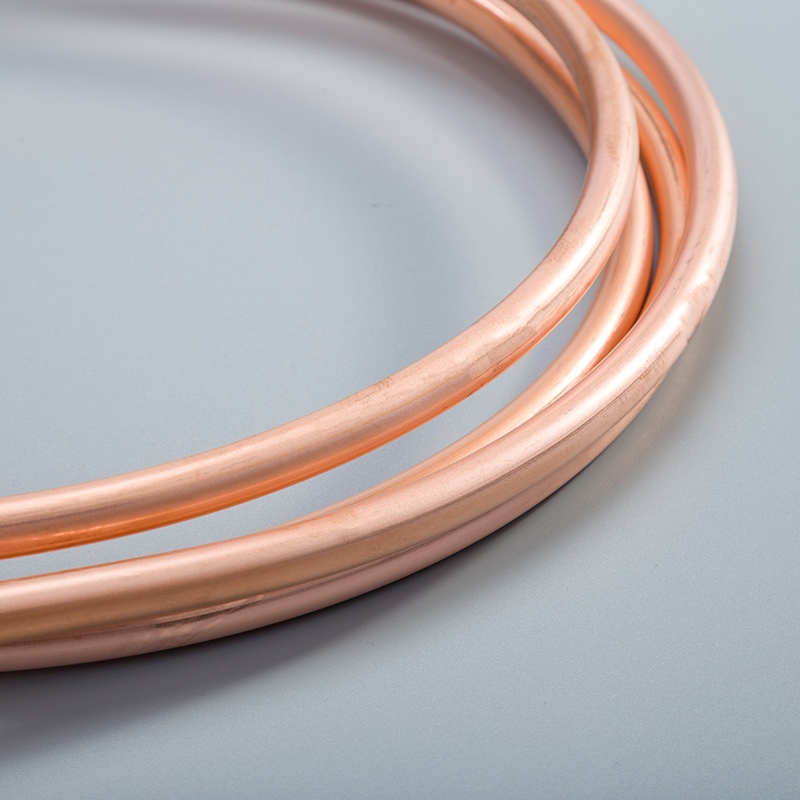
Choosing the right size for copper tubing can make or break your project. This guide will help you avoid common mistakes and ensure your system works as planned.
Nominal vs. Actual Size
You might see copper tubing labeled as “1/2 inch” or “3/4 inch.” These numbers can be confusing. They do not match the real size of the pipe. Here is what you need to know:
Nominal size is the name of the pipe, not the true measurement.
Actual size means the real outside diameter (OD) and wall thickness.
For example, a 1/2-inch copper pipe actually measures 0.625 inches across the outside.
Most fittings and tools use the actual OD, not the nominal size.
Knowing the difference helps you pick the right parts and avoid leaks.
Tip: Always check both the nominal and actual size before buying copper tubing or fittings.
Measuring and Matching to Your Project
You need to measure copper tubing the right way to get a good fit. Follow these steps:
Measure the outside diameter (OD) with a tape measure or caliper.
Remember, the nominal size does not match the OD.
Use a copper pipe size chart to compare your measurement with standard sizes.
Check manufacturer datasheets or ASTM B88/B306 tables for exact numbers.
Double-check your measurements before you order or cut tubing.
The diameter and wall thickness of copper tubing affect how much water or air can flow through and how much pressure the pipe can handle. Look at this table to see how different types compare:
Type | Wall Thickness | Application Description |
|---|---|---|
Type K | Thickest | Handles high pressure and works well underground. |
Type L | Moderate | Good for homes and businesses, balances strength and cost. |
Type M | Thinnest | Best for low-pressure heating, costs less but is less durable. |
DWV | Thinnest | Used for drains and vents, not for pressure systems. |
Thicker walls mean the pipe can handle more pressure.
Thinner walls let more flow but are less strong.
By following these tips, you can size copper tubing correctly and avoid problems. Accurate sizing keeps your copper system safe and efficient.
Compatibility and Codes
Local Building Codes
You must follow local building codes when installing copper tubing. These rules keep your home safe and protect your plumbing. Different places may have different codes. Most follow one of these main standards:
Code Name | Description |
|---|---|
Uniform Plumbing Code | Made by IAPMO, it covers all parts of plumbing systems and fixtures. |
International Plumbing Code | A model code by ICC with rules for plumbing in many building types. |
National Standard Plumbing Code | Sets rules for water supply, drainage, and plumbing operations. |
If you ignore these codes, you could have big problems. Inspectors might give violation notices, fines, or stop your work. Here is what can happen if you break the rules:
Consequence Type | Description |
|---|---|
Issue Violation Notice | Inspectors write a report and give a deadline to fix the problem. |
Apply Fines or Fees | You may have to pay money, from small fees to thousands of dollars. |
Suspend or Revoke Permits | Work can be stopped or permits taken away until you fix the issue. |
Enforce Legal Action | For serious or repeated problems, legal steps or license actions may happen. |
Tip: Always check with your local building office before starting. This can save time and money.
Fittings and Connections
Use the right fittings and connections to keep your copper tubing strong and leak-free. Copper fittings come in many shapes like elbows, tees, couplings, and adapters. Elbows change pipe direction. Tees let you split pipes. You can join copper pipes by soldering, press fittings, or special fittings like compression and flare types. Soldering seals tightly. Press fittings make installation faster. Special fittings help with unique jobs and give a strong connection.
Industry rules help you pick and install copper tubing. ASTM B88 covers seamless copper water tubes for plumbing and heating. EN 1057 sets rules for copper tubes in water and gas systems. These standards help you choose safe and lasting parts.
By following these tips and checking codes, your copper system will work well and meet all rules.
Quality and Cost Tips
Spotting Quality Copper Tubing
When you buy copper tubing, quality is important. Good copper tubing lasts longer and works better under pressure. Look at the wall thickness. Thicker walls make pipes stronger and help stop dents and leaks. Check if the surface is smooth and has the same color everywhere. Good copper tubing should not have cracks, pits, or strange colors.
Also, look at the fittings and joints. Good tubing usually comes with well-made fittings that fit tightly and help stop leaks. Do not pick tubing that feels very light or weak. This often means the walls are thin and the tubing will not last long.
Tip: Ask the seller about the tubing’s pressure rating and how long it should last. Good brands will give you this information.
Here is a simple table to show the difference between budget and premium copper tubing:
Feature | Budget Options | Premium Options |
|---|---|---|
Wall Thickness | 0.3-0.4mm | 0.6-0.8mm |
Pressure Resistance | 800-900 PSI | 1,000-1,200 PSI |
Insulation | Basic single-layer | Multi-layer systems |
Operational Lifespan | 7-10 years | 10-15 years |
Installation Efficiency | Standard fittings | Precision-engineered fittings |
Balancing Budget and Performance
You do not always need the most expensive copper tubing. Think about what your project needs and where you will use it. For indoor plumbing with normal pressure, budget tubing often works fine. It saves money and still meets safety rules.
If your project has high pressure, is outside, or must follow strict rules, it is better to buy premium copper tubing. It lasts longer and you will not need as many repairs. Premium tubing also goes in faster because the fittings are better, so you save time and work.
To get the best value, try these tips:
Pick thicker walls if you can afford it.
Choose tubing with good pressure ratings for safety.
Think about how you will install it and what fittings you need.
Buy from brands you trust that give clear product details.
Do not buy very cheap tubing because it might break early and cost more later.
By choosing good copper tubing and spending your money wisely, your project will work well and last a long time.
Common Mistakes to Avoid
When working with copper tubing, problems can happen if you don’t plan well. Here are some usual mistakes and how to keep your project going smoothly.
Over/Under-Sizing
Sizing mistakes happen a lot. Many people confuse nominal size with the real size. Always measure the outside diameter, not just the label. Different copper types have different wall thicknesses. This changes the inside size even if the label looks the same. If the tubing is too small, water flow or pressure may be low. If it is too big, you waste money and space.
Tip: Use a tape measure or caliper to check the outside diameter before buying or cutting tubing.
Ignoring Codes
You must follow building codes for every plumbing job. Not following rules can cause safety risks like leaks or fires. You might fail inspections and have to fix your work again. Insurance may not pay if you break rules. Not following codes can also lower your home’s value and make selling harder.
Safety risks from wrong pipe size or bad ventilation
Failed inspections and costly fixes
Legal trouble and insurance issues
Shorter system life and more leaks
Lower property value
Always check local codes before starting. This helps you avoid big problems later.
Wrong Copper Tube Type
Picking the wrong tube type is another mistake. Each type has a special use. Type K is best underground or for heavy jobs. Type L fits most indoor water lines. Type M is for low-pressure systems. DWV is only for drains and vents, not pressurized water. Using the wrong type can break rules or cause early failure.
Type K: Underground water or heavy HVAC
Type L: Indoor water and general plumbing
Type M: Low-pressure water and heating
DWV: Drains, waste, and vents only
Check your project needs and match the tube type to the job.
By knowing these mistakes, you can make better choices and finish your copper project with confidence.
You can make smart choices for your next project by starting with your needs. Use this checklist to guide you:
Choose the right type based on wall thickness and application.
Type K works best underground, Type L fits most plumbing, and Type M suits low-pressure jobs.
Check that your copper tubing meets ASTM or EN standards.
Have you tried these tips? Share your experience or ask a question below!
FAQ
What is the safest way to cut copper tubes?
You should use a tube cutter for clean cuts. Always wear gloves and goggles for safety. Keep your hands away from the blade. Check the area for sharp edges after cutting. Follow these safety tips to protect yourself and your copper tubes.
How do you prepare copper pipe and fittings for soldering?
Clean the ends of the copper pipe and fittings with a wire brush. Apply flux to both surfaces. Fit them together tightly. These steps help you get a strong joint when you solder copper pipes. Always follow soldering safety tips to avoid burns.
What are the top soldering safety tips for beginners?
Always wear safety glasses and gloves. Work in a well-ventilated area. Keep a fire extinguisher nearby. Never touch hot copper tubes. Let everything cool before handling. These safety tips help you avoid injuries during soldering.
Can I use copper tubes for residential water supply?
Yes, you can use copper tubes for residential water supply. They last a long time and resist corrosion. Make sure you follow all safety rules and local codes. Copper tubes are a popular choice for residential water supply systems.
How do I avoid common soldering mistakes?
Clean all surfaces before soldering.
Use the right amount of heat.
Do not rush the process.
Check for leaks after you finish.
Always follow safety tips.
These steps help you get strong, leak-free joints when you solder copper pipes.
See Also
Selecting Ideal Copper Tubing for Plumbing Needs in 2026