
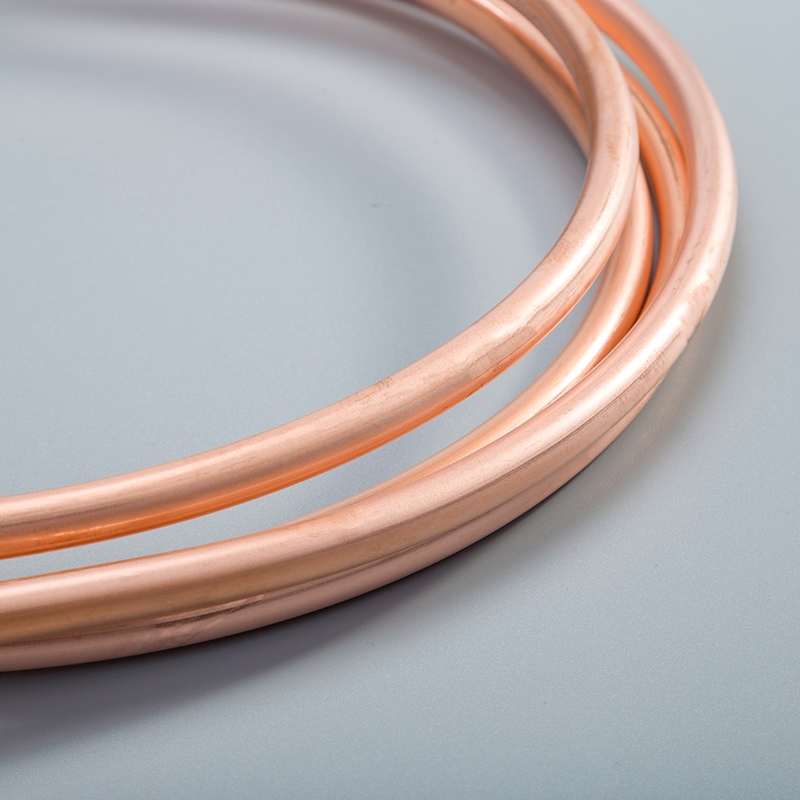
Imagine you start a plumbing job and see many Copper Pipes at the store. You may not know which pipe is best for your house. Many people have problems like old pipes, tree roots, and weather. Pipes can get rusty or leak after some years. This can make water pressure low or make water smell bad. When you pick pipes, you should think about water chemistry, wall thickness, how well it fights rust, and safety.
Old pipes and tree roots can make leaks and damage.
Water chemistry and pipe thickness help pipes last longer.
You can pick the right pipe if you know what to check.
Key Takeaways
Learn about the types of copper pipes. Type K works best underground and for high-pressure jobs. Type L is good for indoor use. Type M saves money for low-pressure needs. DWV is only for drains.
Think about wall thickness when picking pipes. Thicker pipes like Type L last longer. They handle pressure better. This lowers the chance of leaks and repairs.
Look at your water pressure and flow needs. Pick pipes that can handle your home’s water use. This helps you avoid low pressure and keeps water flowing well.
Always follow local plumbing codes. These rules keep you safe and help with proper installation. They stop you from making expensive mistakes.
Use the homeowner checklist to help you choose. This makes sure you think about all important things before buying and installing copper pipes.
Types of Copper Pipes
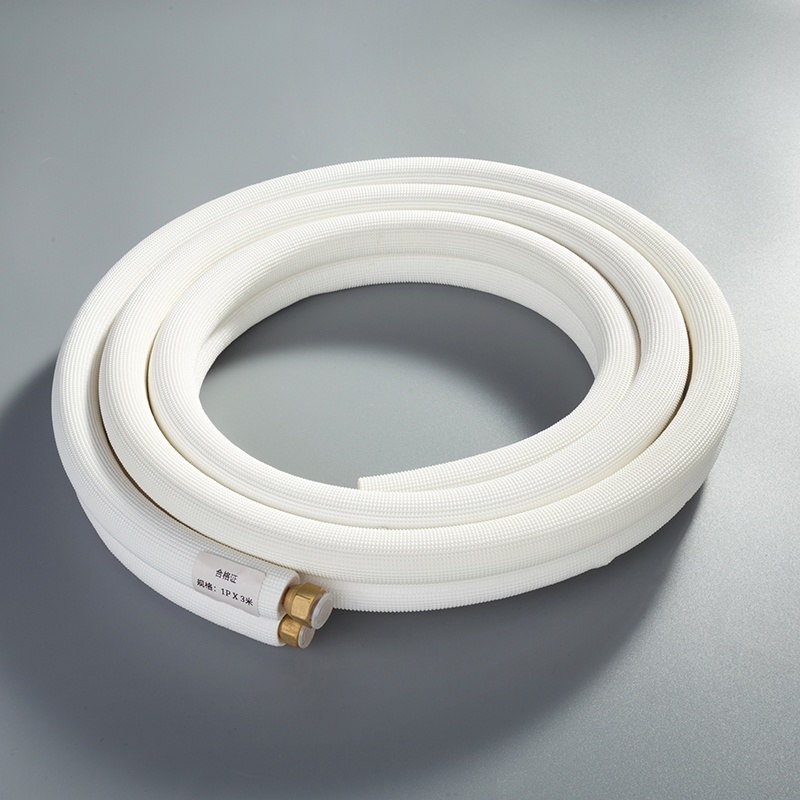
There are different kinds of Copper pipes. Each kind is made for a special job in plumbing. If you know how they are different, you can pick the best one for your house. The main types are Type K, Type L, Type M, and DWV. They are not the same in wall thickness, how much they bend, and what they are used for.
Type K – Thickest for Underground and High Pressure
Type K has the thickest walls. For a 1/2-inch pipe, the wall is about 0.049 inches thick. You can buy it as a stiff pipe or in rolls that bend. The thick wall makes it very strong and tough. People use Type K mostly for pipes under the ground, sprinkler systems, and HVAC jobs. It can handle high water pressure and lasts a long time, even if buried. It can last 50 to 70 years. Type K pipes have a green stamp. Because it is so strong, it costs more money. Most people do not use it inside their homes.
Type L – Versatile for Residential Water Lines
Type L has walls that are not as thick as Type K. The wall is about 0.045 inches thick. You can get it as a stiff pipe or in rolls too. Most plumbers use Type L for water pipes inside houses and for fire safety systems. You can use Type L pipes inside or outside your house. They are strong and not too expensive, so many plumbers like them. Type L pipes have a blue stamp. They work well with medium or high water pressure and last a long time.
Type M – Cost-Effective for Indoor Use
Type M has the thinnest walls. The wall is about 0.032 inches thick. It is lighter and easier to cut and bend. But it is not as strong as Type K or Type L. Type M is good for indoor plumbing with low water pressure and for fixing pipes. You will see a red mark on Type M pipes. It costs less money, but the thin wall means it is not good for high water pressure or outside. Many plumbers like Type L better than Type M because it is stronger. But Type M is a good choice if you want to save money and your local rules say it is okay.
DWV – For Drain, Waste, and Vent
DWV pipes have thin walls, about 0.040 inches thick. They are not made for water pressure. DWV pipes are only for drains, waste, and vent lines. Water moves through these pipes by gravity, not pressure. You do not use DWV pipes for water supply. These pipes are found in old houses. Most new homes use PVC or ABS pipes instead.
Type of Copper Pipe | Wall Thickness | Flexibility | Common Applications |
|---|---|---|---|
Type K | Thickest (0.049 in) | Rigid and flexible rolls | Underground water mains, sprinkler systems |
Type L | Medium (0.045 in) | Rigid and flexible rolls | Indoor plumbing, fire protection |
Type M | Thinnest (0.032 in) | Rigid and flexible rolls | Low-pressure indoor plumbing |
DWV | Thin (0.040 in) | Not flexible | Drain, waste, and vent lines only |
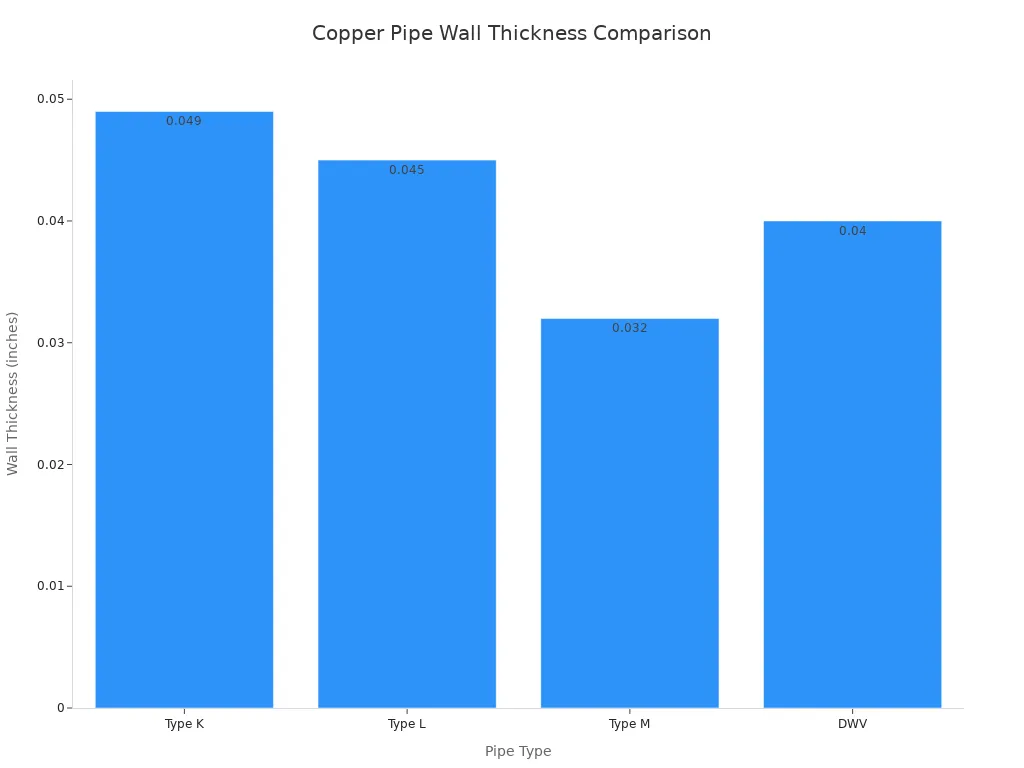
Tip: Think about where you will put the pipe and how much water pressure it needs to handle. Type K is best for underground and high-pressure jobs. Type L is good for most indoor pipes. Type M is a cheaper choice for low-pressure pipes. DWV is only for waste lines.
Copper Pipes Comparison
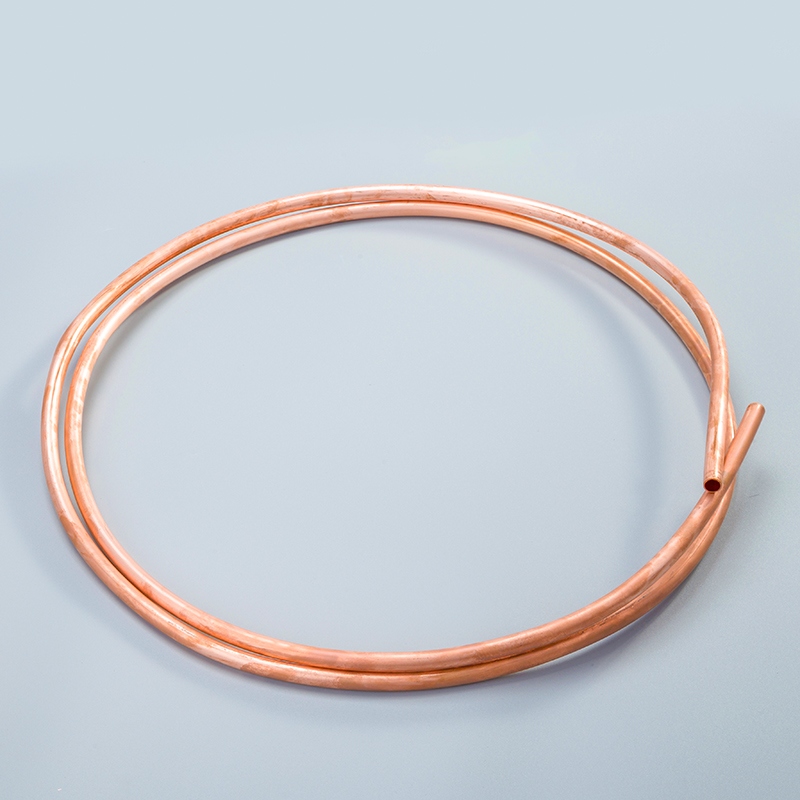
Thickness and Durability
When you choose pipes for your home, thickness matters. Thicker pipes last longer and handle more pressure. Type L copper stands out because it is thicker and more durable than Type M. You get better protection against pressure changes, temperature swings, and outside bumps. This means fewer leaks and repairs over time. Type L also resists corrosion, which helps if your water has lots of minerals. Type M costs less, but its thin walls can wear out faster, especially in tough water conditions. If you want a plumbing system that lasts, Type L gives you peace of mind.
Type L copper handles pressure and temperature changes well.
Type L resists corrosion and pinhole leaks.
Type M may save money at first but can need more repairs later.
Flexibility and Installation
Flexibility makes installation easier. Some copper pipes come in rolls, so you can bend them around corners. This saves time and cuts down on the number of joints you need. Here is a quick look at which types offer flexible options:
Type | Flexible Form Available | Common Use |
|---|---|---|
Type K | Yes | Main water lines, underground |
Type L | Yes | Branch water supply lines |
Type M | No | Branch water supply lines |
DWV | No | Drain, waste, and vent lines |
Flexible pipes help you finish jobs faster and may lower labor costs. You spend less time cutting and joining pipes, which makes the work smoother.
Typical Applications
You want the right pipe for each job. Copper Pipes work well for both hot and cold water. They resist corrosion and keep your water clean. Type L is a favorite for water supply lines because it handles high pressure and heat. Type K is best for underground or main water lines. Type M fits low-pressure indoor jobs if your local code allows it. For drain, waste, and vent lines, DWV pipes do the job. They move air and waste, not pressurized water.
Note: Always match the pipe type to its job. This keeps your plumbing safe and long-lasting.
Choosing Copper Pipes for Your Home
Water Pressure and Flow Needs
Picking the right copper pipe starts with knowing your water pressure. Pipes need to hold the pressure without leaks or bursts. You also need to think about how much water moves through the pipes at once.
When you pick pipe materials, make sure they can handle your home’s water pressure.
Here are some things to remember:
Flow Rate Requirements: Figure out how much water your house uses at busy times. If you have more showers or sinks, you need pipes that can move more water.
Pipe Material: The material changes how water flows and how much pressure is lost. Copper pipes are strong and let water move easily.
Building Codes: Local rules tell you what size and type of pipe you need for your water pressure and flow.
Longer pipes lower water pressure. For example, if you double a pipe from 30 feet to 60 feet, you get about one-third less water. More sinks or showers mean you need bigger pipes to keep water moving well.
Copper Pipe Type | Pressure Suitability | Characteristics |
|---|---|---|
Type K | High pressure | Thick walls, good for high-pressure systems |
Type L | Medium pressure | Works for many jobs, handles medium pressure |
Type M | Low pressure | Thin walls, best for low-pressure use |
Copper pipes are tough and can take hits without breaking. Type L comes in both bendable and stiff forms, so it is easy to put in and works well.
Installation Location
Where you put your pipes changes which type you should use. Different places have different needs for pipes.
Type K has the thickest walls. It is best for underground or high-pressure spots. It does not get damaged by dirt or roots.
Type L is good for most pipes inside your house. It works for hot and cold water and can sometimes be used outside.
Type M is thinner and best for low-pressure pipes inside. Do not use it outside because it may not last.
DWV pipes only carry waste and air, not water under pressure.
Type | Common Use | Best for |
|---|---|---|
Type K | Main water lines, underground | Underground and high-pressure lines |
Type L | Branch water supply lines | Inside plumbing, sometimes outside |
Type M | Branch water supply lines | Low-pressure plumbing in homes |
DWV | Drain, waste, vent lines | Waste systems with no pressure |
Type K is strong, so it is good for basements, underground, and big HVAC jobs. Type L works well in walls, ceilings, and pipes you can see inside. Type M is cheaper, but check your local rules before using it.
Local Code Requirements
Local plumbing rules decide which copper pipes you can use. These rules keep your water safe and your pipes working well.
Pipes for drinking water must meet NSF 372 for lead.
Soldered joints for water and heat follow Copper Development Association rules.
Brazed joints for HVAC and medical gas must meet ASTM B88.
Press-connect fittings for water and gas need to meet ICC CodeNotes and ANSI rules.
Threaded copper pipes are for special jobs or repairs and follow IPC/UPC codes.
Always check the newest local code and ask your local Authority Having Jurisdiction (AHJ).
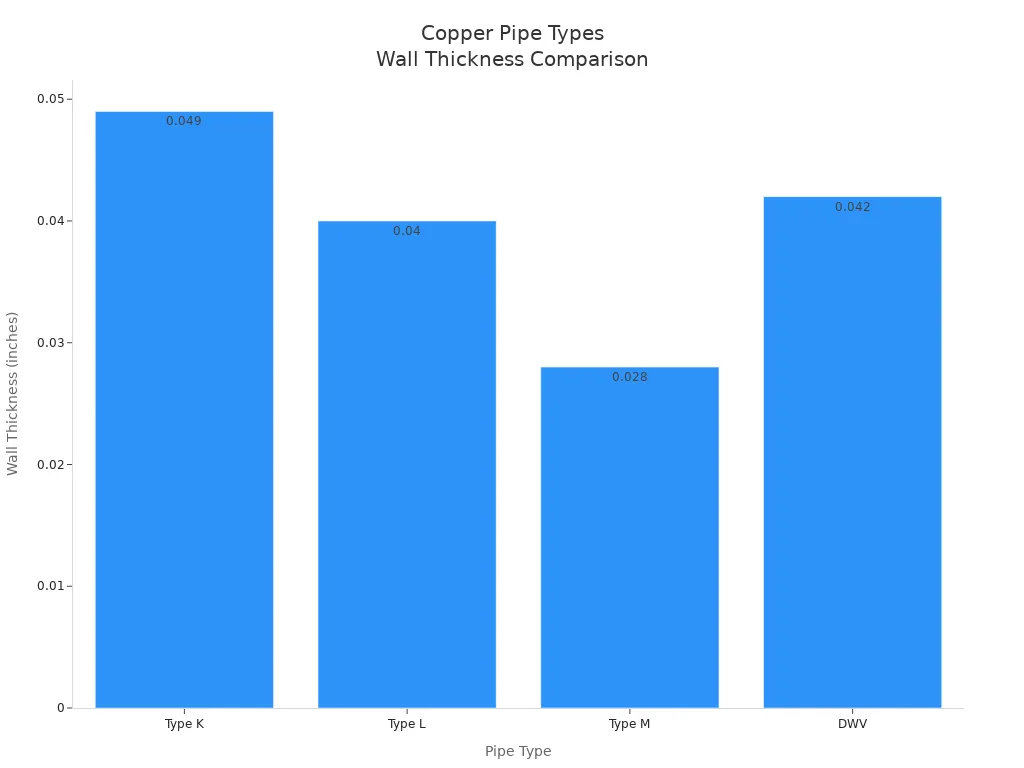
Type | Wall Thickness (in.) | Common Applications | Notes |
|---|---|---|---|
Type K | 0.049 | Underground water, big HVAC jobs | Highest pressure, can be buried |
Type L | 0.040 | Inside water, HVAC lines | Most used for pipes above ground |
Type M | 0.028 | Low-pressure water in homes | Not always allowed by local rules |
DWV | 0.042 | Drain, waste, vent lines | Never for water or gas under pressure |
Cost vs. Longevity
You need to balance cost and how long pipes last. Copper pipes can last 50 to 70 years, so you do not have to fix or replace them often. But the price you pay at first is different for each type.
Type of Copper Pipe | Size | Cost per Foot |
|---|---|---|
Type L | 1/2″ | $4.90 |
Type L | 3/4″ | $6.90 |
Type L | 1″ | $27.74 |
Type M | 1/2″ | $4.40 |
Type M | 3/4″ | $5.50 |
Type M | 1″ | $16.36 |
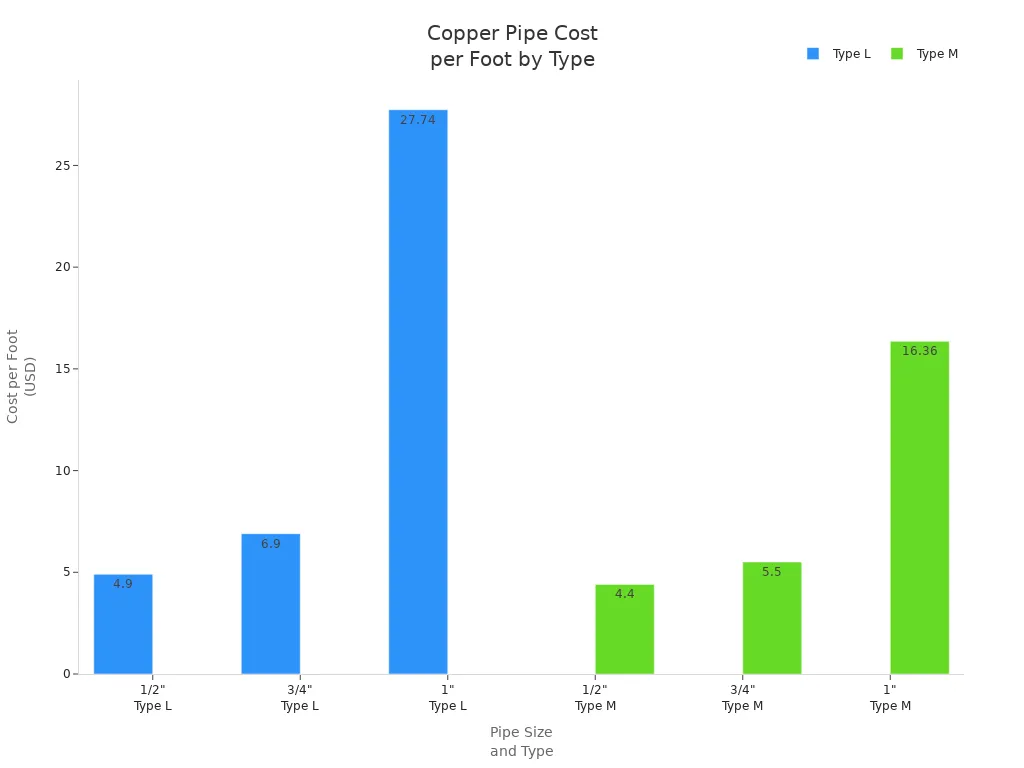
It costs $4 to $10 for each foot to put in pipes, depending on how hard the job is and where the pipes go. Type L costs more than Type M but lasts longer and fights rust better. Type K costs the most but is best for tough jobs.
Water quality can change how long pipes last. If your water is too acidic or alkaline, pipes can rust. Test your water often to help your pipes last longer.
Picking pipes that last longer helps you save money because you do not have to fix or replace them as much.
Quick Guide to Copper Pipe Selection
Summary Table of Types and Uses
You can use this table to compare the main types of copper pipes at a glance. It shows wall thickness, best uses, and how to spot each type. This makes it easy to pick the right pipe for your project.
Copper Pipe Type | Wall Thickness | Best For | Identifying Features |
|---|---|---|---|
Type K | Thicker | Underground water main lines | Green markings, rigid and flexible rolls |
Type L | Moderate | Interior water lines | Blue markings, used for hot water and fire protection |
Type M | Thinner | Domestic water lines | Red markings, lightweight, cost-effective |
Copper DWV | Thinnest | Drain and vent systems | Yellow markings, large diameters, max 15 psi pressure |
You can also look at these important criteria when you choose:
Criteria | Type K | Type L | Type M |
|---|---|---|---|
Water Pressure | Best for high-pressure | Handles standard | Suitable for low-pressure |
Location | Best for underground | Ideal for interior lines | Not specified |
Budget | Not specified | Not specified | Most affordable |
Durability | Strongest | Strong | Less durable |
🛠️ Tip: Always check the markings on the pipe. This helps you avoid mistakes during installation.
Homeowner Checklist
You can use this checklist to help you choose the right copper pipe for your home. Go through each step before you buy or install any pipe.
Check your water pressure.
Decide where you will install the pipe (underground, inside, or for drains).
Look at your local plumbing codes.
Set your budget for the project.
Choose the pipe type that matches your needs:
Type K for underground or high-pressure jobs.
Type L for most indoor water lines.
Type M for low-pressure, budget-friendly projects.
DWV for drain and vent systems only.
Look for the color markings on the pipe (green, blue, red, or yellow).
Ask a professional if you feel unsure about your choice.
✅ Note: Picking the right copper pipes helps your plumbing last longer and keeps your water safe.
You can make your plumbing safer and stronger by choosing the right copper pipe. Review your checklist and check local codes before you start. If you feel unsure, ask a professional for help. Copper pipes offer many benefits:
They resist corrosion and last up to 70 years.
Copper keeps your water safe and clean.
Pipes are lightweight and easy to install.
Copper is fire resistant and can be recycled.
Smart choices help your plumbing last longer and protect your home.
FAQ
What is the best copper pipe for drinking water?
You should use Type L copper pipe for drinking water. It is safe, strong, and resists corrosion. Most plumbers choose Type L for water supply lines inside homes.
Can I use Type M copper pipe for hot water?
Yes, you can use Type M for hot water if your local code allows it. Type M works for low-pressure indoor plumbing. Always check your local rules before you buy.
How do I know which copper pipe I have?
Look for colored markings on the pipe:
Green for Type K
Blue for Type L
Red for Type M
Yellow for DWV
Tip: The color helps you pick the right pipe for your project.
Do copper pipes rust or corrode?
Copper pipes do not rust like iron. They resist most corrosion. However, very acidic or alkaline water can cause problems. Test your water to help your pipes last longer.
Are copper pipes safe for my family?
Yes, copper pipes are safe for your family. They do not add harmful chemicals to your water. Copper is a trusted material for clean, safe plumbing.
See Also
Selecting Ideal Copper Tubing for Your 2026 Plumbing Needs