
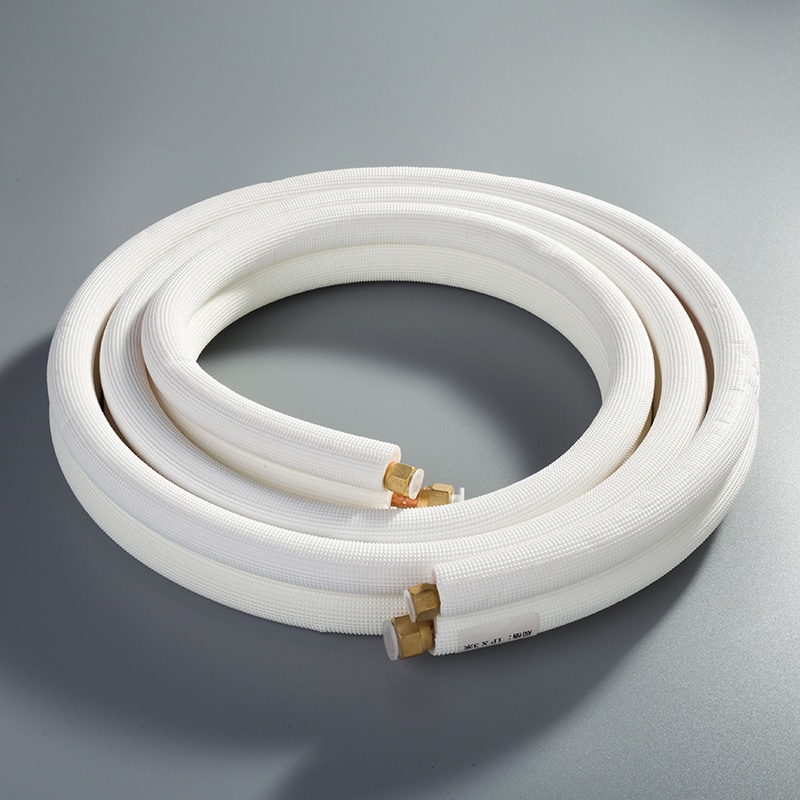
If you want a pipe that fits most home plumbing jobs, pick Type L. It works well for water supply lines and handles everyday water pressure. Type M can save you money for indoor plumbing if your local rules allow it. Need something for underground or high-pressure spots? Type K stands tough. Copper Pipes give you safe, long-lasting options for your home’s needs.
Key Takeaways
Pick Type L copper pipes for most home plumbing jobs. They have a good mix of strength and price. This makes them great for water supply lines.
Type K pipes work best for underground or high-pressure uses. Their thick walls make them strong and safe.
Type M pipes cost less and are good for indoor plumbing. But they are not good for high-pressure spots. Always check local rules before using them.
Always check the color codes on copper pipes to know their type fast. Green means Type K, blue means Type L, red means Type M, and yellow means DWV.
Talk to local plumbing experts before starting any plumbing work. This helps keep things safe and follow the rules.
Benefits of Copper Pipes
Why Homeowners Choose Copper
You want pipes that last a long time. Copper Pipes are strong and dependable. Many people pick copper because it does not break easily. Copper keeps your water clean and safe. It does not burn or melt fast, so it helps protect your house from fire. Copper Pipes are good for the planet because they can be recycled and make less pollution when made.
Here’s a simple look at how copper stacks up against PEX or CPVC:
Benefit | Description |
|---|---|
Durability | Copper pipes can last 50 to 70 years before you need new ones. |
Safety | Copper does not catch fire and keeps water safe to drink. |
Environmental Impact | Copper can be recycled and makes less pollution than other pipes. |
You may ask how long copper lasts. Most copper pipes stay strong for 50 to 70 years if you take care of them. This means you do not need to fix or change them often. Many people like copper because it saves money and time over the years.
Copper pipes last a very long time, sometimes over 50 years.
If you install and care for them well, they last even longer.
This means you do not have to replace them often, which saves time and money.
Common Residential Uses
Copper Pipes are used in many places in your house. They bring water to your kitchen and bathroom. They help your heating and cooling work right. Copper is also used for gas lines because it can handle heat and does not burn.
Water Supply and Distribution: Copper pipes are used to bring clean water because they do not rust.
HVAC Systems: They are used in air conditioning and heat pumps because they are strong and can handle high heat and pressure.
Natural Gas Supply Lines: Copper pipes are chosen for gas lines because they do not burn and can take high heat.
Tip: If you want pipes that last and keep your water safe, copper is a good choice for most homes.
Types of Copper Pipes
Type K – Thickest and Most Durable
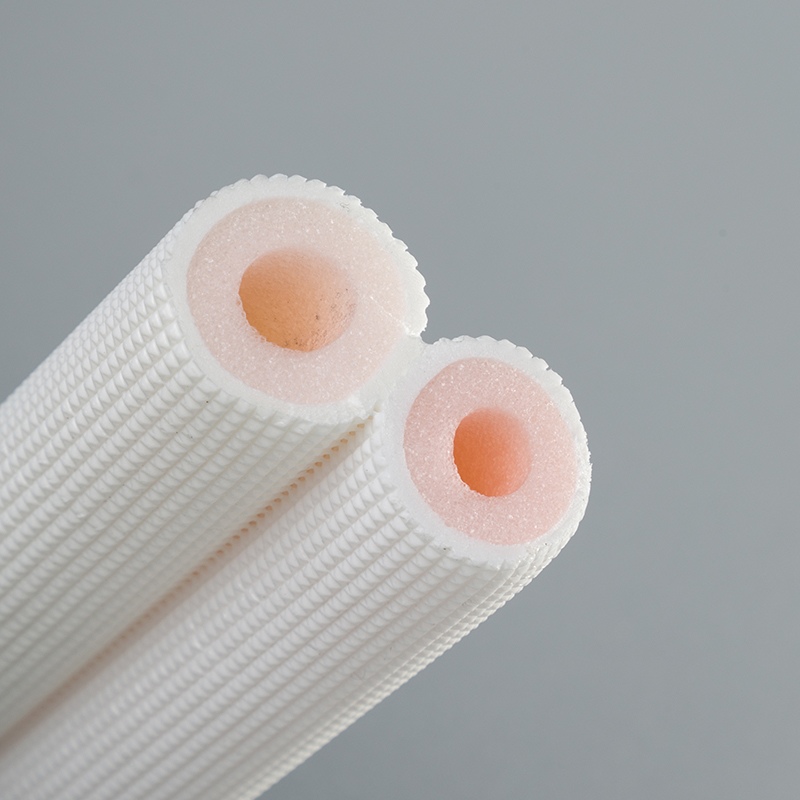
Type K copper pipes have the thickest walls. They can handle the most pressure and last the longest. People use Type K pipes underground or where water pressure is very high. These pipes are very strong and work well even in tough spots.
Here’s a quick look at their specs:
Property | Value |
|---|---|
Wall Thickness (in.) | 0.035 – 0.083 |
Operating Pressure (psi) | 400 – 1,200 |
Burst Pressure (psi) | 1,000 – 3,000 |
Type K pipes are great for main water lines or outside plumbing. You can get them as rigid or flexible pipes for different jobs.
Type L – Versatile Residential Choice
Type L copper pipes are strong and not too expensive. Their walls are thicker than Type M pipes. This means they do not rust as fast and can take more water pressure. That is why many people use Type L for plumbing inside and outside their homes.
Check out how Type L compares to Type M:
Property | Type L Copper Pipe | Type M Copper Pipe |
|---|---|---|
Wall Thickness | Thicker walls for durability | Thinner walls, less durable |
Corrosion Resistance | More resistant | Less resistant |
Pressure Handling | Handles higher water pressure | Suitable for standard pressure |
Common Uses | Residential and commercial | Mainly residential low-pressure |
If you want a pipe that works almost anywhere, pick Type L.
Type M – Cost-Effective for Indoors
Type M copper pipes have thin walls. This makes them light and cheaper to buy. They are good for indoor plumbing where water pressure is not too high. Many homes use Type M for water lines that do not need to handle heavy pressure.
Here’s what you should know about Type M:
It is good for homes because it saves money.
It is not good for high-pressure spots or places with acidic water.
It is used for water supply in low-pressure areas.
If you want to save money and your local rules say it is okay, Type M is a smart pick for inside your house.
DWV – For Drain, Waste, and Vent
DWV copper pipes are not like the other types. They have the thinnest walls and cannot hold water pressure. These pipes move drain, waste, and vent water out of your house.
You do not use DWV pipes for water supply. They are always rigid and easy to spot because they do not have pressure ratings.
Tip: Always pick the right pipe for your job. The right copper pipes help your plumbing last longer and keep your home safe.
Identifying Copper Pipes
Color Codes and Markings
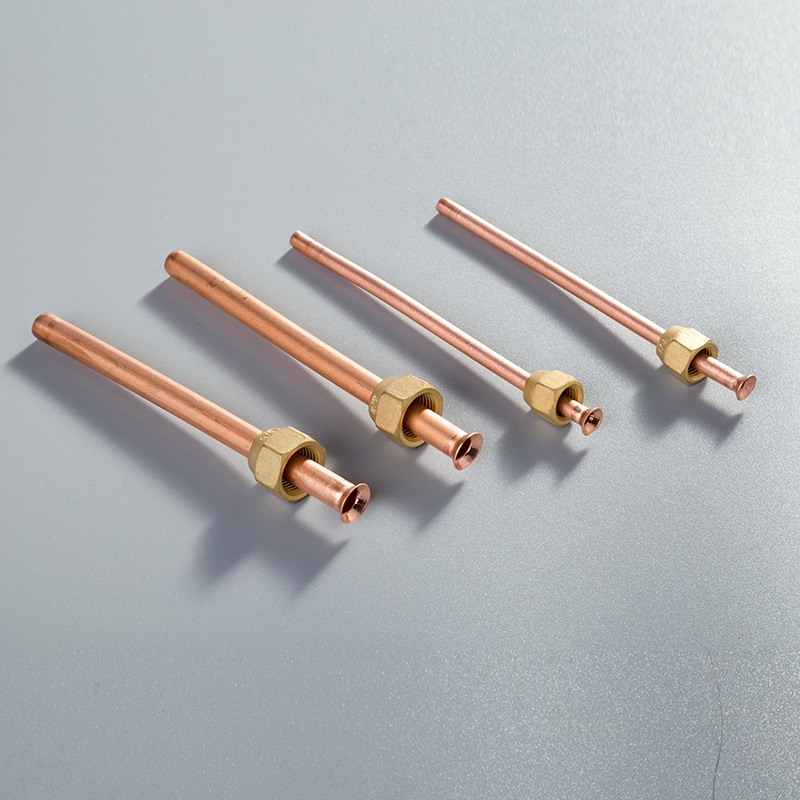
Copper pipes have different colors and markings. These help you know what type of pipe you are looking at. Each color shows what the pipe is used for. If you learn these codes, you can pick the right pipe fast. This saves you time and helps you avoid mistakes.
Here’s a simple table to help you tell them apart:
Type | Wall Thickness (in.) | Color Code | Common Applications |
|---|---|---|---|
K | 0.049 | Green | Underground water service, heavy-duty HVAC, fire protection |
L | 0.040 | Blue | Interior potable water, general plumbing, HVAC linesets |
M | 0.028 | Red | Low-pressure residential water, hydronic heating |
DWV | 0.042 | Yellow | Drain, waste, and vent (non-pressurized) |
A green stripe means you have Type K. This pipe is thick and strong. Blue means Type L, which is good for most indoor jobs. Red shows Type M, which is thinner and for low-pressure spots. Yellow means DWV, which is only for drains and vents.
Tip: Always look at the pipe’s markings before you buy or use it. This helps you pick the right one and avoid problems.
Wall Thickness and Sizing
Wall thickness is important when picking copper pipes. Thick walls make pipes stronger and able to hold more pressure. Thin walls are lighter and cost less, but they are not as strong.
Here’s a quick table about wall thickness and uses:
Type | Wall Thickness | Applications |
|---|---|---|
Type K | Thickest | Water distribution, fire protection, oil, HVAC, underground installations. |
Type L | Medium | Interior plumbing, fire protection, some HVAC applications, outdoor use. |
Type M | Thinnest | Repairs, replacements, extensions to interior water supply lines, often favored for residential work. |
DWV | Lowest | Used for drain and vent lines with very low water pressure, typically in exposed locations. |
Type K has the thickest walls. It is best for hard jobs like underground water lines. Type L is strong and not too expensive. It works well inside your house. Type M is thinner and best for low-pressure plumbing inside. DWV pipes have the thinnest walls. They only carry waste or air, not pressurized water.
Pipe size also matters. Copper pipes come in different widths. The size is measured by the outside of the pipe. Pick the right size for your water needs and local rules.
If you know the color codes, markings, and wall thickness, you can choose the right copper pipe. This helps your plumbing last longer and work better.
Copper Pipes are a smart pick if you know how to spot them.
Choosing the Right Copper Pipe
Application and Location
When picking copper pipes for your home, think about where and how you will use them. Different types fit different jobs best. Here’s a quick guide to help you match pipe types to their common uses:
Type K copper pipe: This one has the thickest walls and the best corrosion resistance. Use it for underground water mains or heavy-duty spots where strength matters most.
Type L: This type works well inside your home. It handles potable water and HVAC supply lines. It fits both new builds and remodels because it balances strength and cost.
Type M copper: This pipe is lighter and cheaper. It’s good for indoor plumbing where water pressure stays low. But some places don’t allow it for drinking water because its walls are thinner.
DWV copper tubing: Use this only for drains, waste, and vent systems. It can’t hold water pressure, so never use it for supply lines.
Knowing where you plan to install the pipes helps you pick the right type. For example, use Type K outside underground, Type L for most indoor water lines, and Type M if your local rules allow it and you want to save money.
Local Codes and Regulations
Before buying any copper pipes, check your local plumbing codes. These rules keep your home safe and your plumbing legal. Most areas follow the International Plumbing Code (IPC), but they might add their own rules. Here’s what you should know:
Aspect | Details |
|---|---|
Local Plumbing Rules | Usually based on IPC with extra local requirements |
Importance of Permits | You need permits to make sure your work meets safety and legal standards |
Local codes often say which copper pipe types you can use for water supply. Some places don’t allow Type M for potable water. Others require Type K for underground lines. Getting a permit means an inspector will check your work. This helps avoid costly mistakes and keeps your family safe.
Tip: Always call your local building department before starting plumbing work. They can tell you what pipes are allowed and if you need a permit.
Cost and Durability Factors
Cost matters, but so does how long your pipes will last. Copper pipes come in different prices and strengths. Here’s a simple table to compare the three main types:
Type | Durability | Cost | Description |
|---|---|---|---|
K | Most durable | Most expensive | Thickest walls, great for high pressure and outdoor use |
L | Medium durability | Moderate cost | Balanced choice, good for indoor plumbing and flow rate |
M | Least durable | Least expensive | Thinnest walls, flexible, good for tight spaces and moderate pressure |
You get what you pay for. Type K pipes can last at least 100 years, making them a great long-term investment for tough jobs. Type L pipes last 50 to over 100 years, so they work well for most indoor plumbing. Type M pipes last 20 to 50 years, which might be enough if you want to save money and your water pressure is low.
Think about your budget and how long you want your plumbing to last. If you want pipes that stand the test of time, Type L or K are better choices. If you want to save upfront and your local codes allow it, Type M can work indoors.
Remember, choosing the right copper pipes helps your plumbing stay safe, strong, and efficient for years.
Choosing the right copper pipe keeps your home safe and your plumbing strong. Match the pipe type to your job, check water pressure, and always follow local codes. Picking the wrong pipe can cause leaks or even water damage. You might also want to look at PEX or CPVC for some projects. If you feel unsure, talk to a licensed plumber with these qualifications:
Local authority license
PHCC or ASPE certification
The right choice today saves you trouble tomorrow!
FAQ
What is the best copper pipe for drinking water?
You should use Type L copper pipe for drinking water. It offers a good balance of strength and cost. Most plumbers recommend it for water supply lines in homes.
Can I use Type M copper pipe for all plumbing jobs?
No, you can’t. Type M works for low-pressure indoor plumbing only. Some local codes do not allow it for drinking water. Always check your area’s rules before you buy.
How do I know which type of copper pipe I have?
Look for colored markings on the pipe:
Green = Type K
Blue = Type L
Red = Type M
Yellow = DWV
Tip: The color stripe tells you the type at a glance.
Are copper pipes better than PEX or CPVC?
Copper pipes last longer and resist fire. PEX and CPVC cost less and are easier to install. Your choice depends on your budget, local codes, and what you want from your plumbing.
Do copper pipes ever rust?
No, copper pipes do not rust. They can corrode over time if water is very acidic, but they will not turn rusty like iron pipes.
See Also
Selecting Ideal Copper Tubing for Your 2026 Plumbing Needs