
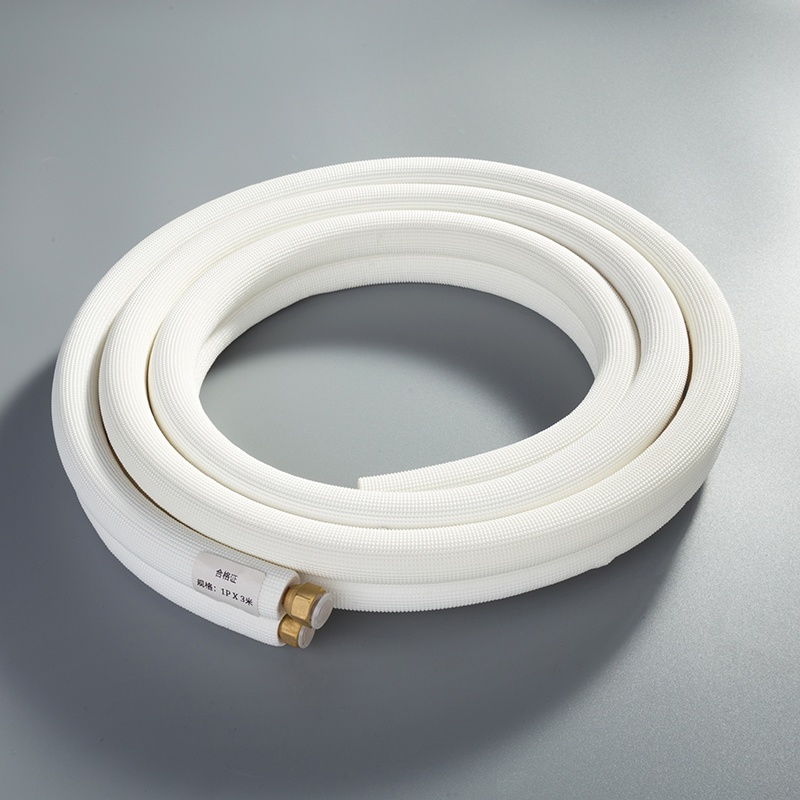
Choosing the right hvac line sets pre-insulated copper piping will help your system run smoothly and last longer. You need to check the size of your hvac line sets pre-insulated copper piping. Look at the copper type and make sure the quality of the insulation matches your needs. Use hvac line sets pre-insulated copper piping that fits your unit for the best results. Good hvac line sets pre-insulated copper piping can prevent leaks and save money.
Tip: Always compare the specs of your unit with your hvac line sets pre-insulated copper piping before you buy.
HVAC Line Sets Pre-Insulated Copper Piping gives you an easy way to boost efficiency and protect your investment.
Key Takeaways
Pick the correct size for your HVAC line set. This helps it work well and stops expensive repairs.
Use good copper and thick insulation. This makes your HVAC system last longer and saves energy.
Always make sure your line set matches your HVAC unit’s needs. This prevents problems with how it works.
Check and take care of your line set often. This helps it last longer and keeps your HVAC running well.
Think about saving money over time when choosing a line set. Buying quality can lower energy bills and fix costs.
Line Set Sizing for HVAC Systems
Choosing the right line set size is one of the most important steps when you install or replace an HVAC system. If you pick the wrong size, your system will not work well. You may see higher energy bills, poor cooling, or even damage to your equipment. Correct sizing helps your HVAC system last longer and keeps your home comfortable. You also protect your investment and improve system efficiency.
Measuring Pipe Diameter
You need to measure the outside diameter of the copper pipes in your line set. This is the standard method for all HVAC line sets. Use a pipe caliper or a tape measure. Place the tool around the pipe and read the measurement. Write down the size in inches. Do not guess or use the inside diameter. The outside diameter gives you the correct size for ordering new line sets or replacing old ones.
Tip: Always double-check your measurements before you buy new line sets. Even a small mistake can cause big problems for your HVAC system.
Matching Line Set Size to Unit Specs
You must match the line set size to your HVAC unit’s specifications. Each system has a recommended size based on its cooling capacity, measured in BTUs. If you use the wrong size, your system will not run at its best. Check your unit’s manual for the correct line set size. If you do not have the manual, use the table below as a guide.
BTU Capacity | Liquid Line Size | Suction Line Size |
|---|---|---|
9,000-12,000 BTU | 1/4 inch | 3/8 inch or 1/2 inch |
18,000-24,000 BTU | 1/4 or 3/8 inch | 1/2 or 5/8 inch |
30,000-36,000 BTU | 3/8 inch | 5/8 or 3/4 inch |
Always check the installation manual for your specific model. The right line set size helps your HVAC system move refrigerant smoothly. This keeps your home cool and saves energy.
Liquid and Suction Line Recommendations
A line set has two pipes: the liquid line and the suction line. The liquid line carries refrigerant from the outdoor unit to the indoor coil. The suction line returns refrigerant to the compressor. Both lines must have the correct size and length. If you use a line set that is too small, you will restrict refrigerant flow. This can reduce cooling by 10-15%, raise energy use, and wear out the compressor faster. If you use a line set that is too large, you may see oil starvation. This can cause the compressor to fail.
Line Set Size | Consequence | Impact on Performance and Longevity |
|---|---|---|
Undersized | Restricted refrigerant flow | Reduces cooling capacity by 10-15%, increases energy consumption, and accelerates wear on compressor components. |
Oversized | Low refrigerant velocity | Causes oil starvation, leading to lubrication failure and potential compressor seizure. |
Excessive length | Pressure reduction and oil pooling | Strains the system, making it harder for the compressor to maintain proper pressures. |
You should also pay attention to line set length. Most HVAC line sets come in standard lengths, but you can order custom sizes. Measure the distance between your indoor and outdoor units. Add a little extra for bends and turns. Do not use a line set that is much longer than needed. Long line sets can lower efficiency and make your system work harder.
Note: Proper line set sizing and length help you get the best efficiency and longest life from your HVAC system.
When you follow these steps, you make sure your HVAC line sets fit your system. You avoid common mistakes and keep your home comfortable year-round.
Copper Types and Insulation Quality
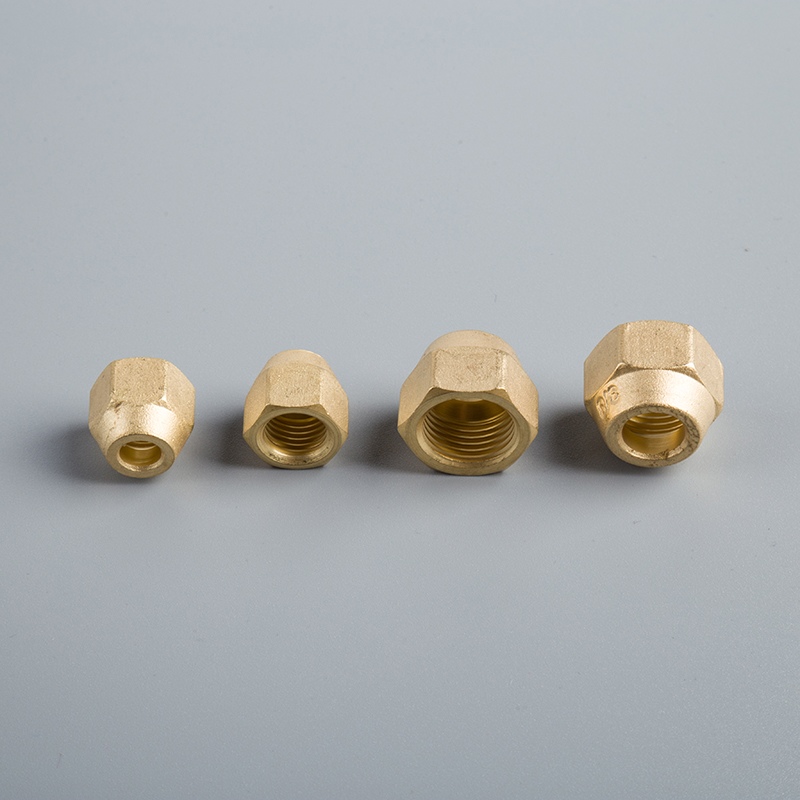
Type K, L, and M Copper Explained
It is important to know about copper types before you pick a line set for your hvac system. There are three main types: Type K, Type L, and Type M. Each type has a different wall thickness and strength. Type K copper has the thickest wall. People use it underground when they need extra strength. Type L copper is the most common for hvac line sets. It works well inside homes and small businesses. Type M copper has the thinnest wall. You see it in water line repairs, but it does not last as long in hvac systems.
Here is a table to help you compare the types:
Type | Durability | Application |
|---|---|---|
Type K | High | Used for underground applications where extreme strength is needed. |
Type L | Medium | Commonly used for interior plumbing, fire protection, and some hvac applications. |
Type M | Low | Typically used for repairs and replacements in interior water supply lines, less expensive. |
You should choose high-quality copper for your hvac line set. This helps your system last longer and work better.
Insulation Materials and Thickness
Insulation keeps your hvac line set at the right temperature. You can find insulation made from foam, rubber, or polyethylene. Good copper tubing with thick insulation stops energy loss. Most hvac line sets use insulation that is at least 3/8 inch thick. Thicker insulation is better for hot or humid places. You should check the insulation for cracks or gaps. Good insulation protects the copper tubing and helps your hvac system run well.
Tip: Pick high-quality copper tubing with thick insulation for the best results in your hvac system.
Impact on Efficiency and Durability
The copper type and insulation quality both change how well your hvac system works. Good copper tubing stops leaks and rust. This means fewer repairs and a longer life for your hvac line set. Thick insulation keeps the refrigerant at the right temperature. This helps your hvac system use less energy and saves you money. If you use poor copper or thin insulation, your hvac system will not last as long. You might pay more and have more problems.
You should always pick high-quality copper for your hvac line set. This gives you the best mix of strength, efficiency, and value. Good copper tubing and insulation protect your investment and keep your hvac system working year after year.
Ensuring HVAC Compatibility
System and Line Set Matching
You need to make sure your hvac system and line set work well together. The right match helps your hvac unit run smoothly and last longer. Always check the manufacturer’s specifications before you buy a line set. These specs tell you the correct size and type for your hvac system. If you use the wrong size, your hvac may not cool or heat your home as it should. Problems like low refrigerant pressure or high pressure can happen. These issues can damage your hvac and cost you money.
The correct size of the line set is critical for the efficient operation of mini split hvac systems.
Manufacturer specifications must be followed to ensure compatibility between the line set and the hvac unit.
Incorrect sizing can lead to issues such as low refrigerant pressure or increased pressure, both of which can cause system inefficiency or damage.
Note: Always double-check the specs for your hvac and line set before you start your project.
Pre-Charged Line Sets for Mini-Splits
Mini-split hvac systems often use pre-charged line sets. These line sets come filled with refrigerant from the factory. You do not need to add refrigerant during installation. This makes the job faster and easier. Pre-charged line sets also help prevent leaks because they stay sealed until you connect them. You should still check that the pre-charged line set matches your mini-split hvac system. Look at the length, diameter, and type. If you use the wrong line set, your hvac may not work right.
Pre-charged line sets save time during installation.
They reduce the risk of refrigerant leaks.
Always match the pre-charged line set to your mini-split hvac system’s specs.
Tip: If you are not sure which line set to use, ask a professional or check your hvac manual.
Installation Tips and Pitfalls
Pre-Insulated vs. Field-Insulated
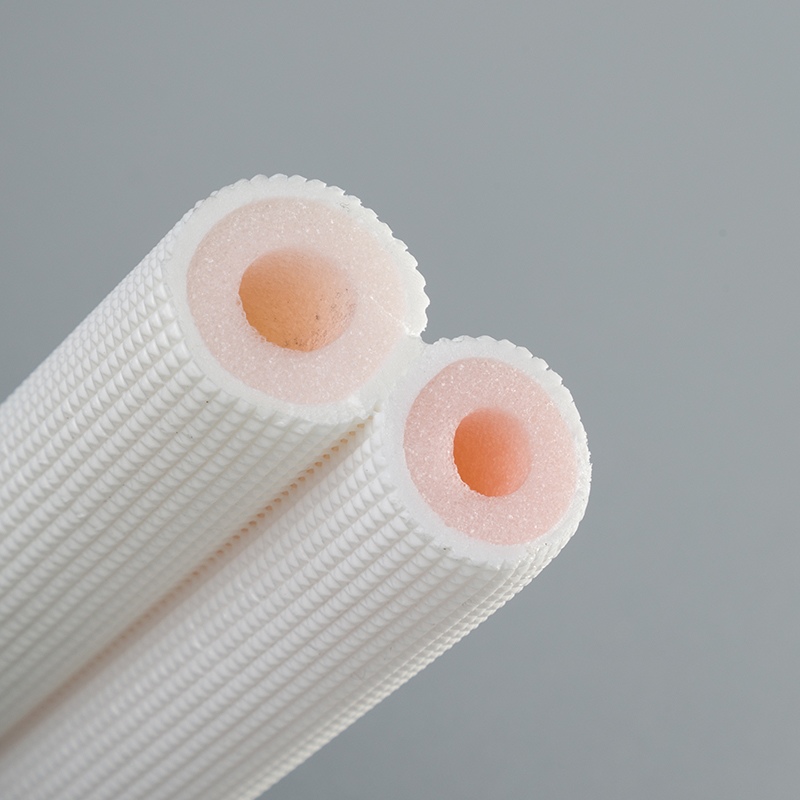
You have two choices for your hvac line set. One is pre-insulated, and the other is field-insulated. Pre-insulated line sets are ready to use right away. You do not need to wrap the pipes yourself. This saves you time and helps you avoid mistakes. Field-insulated line sets need you to add insulation during installation. You must measure and cut the insulation pieces. You also need to wrap the pipes tightly so there are no gaps. Pre-insulated line sets have even insulation all around. This gives better protection from energy loss. Field-insulated line sets let you change the insulation if you need to. This is good for special hvac jobs.
Note: Pre-insulated line sets are easier and faster to install. You will not have to worry about missing spots or uneven insulation.
Common Mistakes to Avoid
You should be careful when you install your hvac line set. Some mistakes can cause leaks or make your system work poorly. Here are some things people do wrong:
Using the wrong size line set for the hvac unit.
Not checking the insulation for holes or rips.
Bending the line set too much when installing it.
Not holding the line set in place well.
Not following the instructions from the manufacturer.
If you do not make these mistakes, your hvac will work better. Your line set will last longer and save you money.
Tip: Always read the instructions from the manufacturer. Check your work before you finish the job.
Maintenance for Longevity
You need to take care of your hvac line set every year. Look at the insulation to see if there are cracks or water damage. Clean the line set to get rid of dust and dirt. Make sure the line set is held up and does not hang down. If you find a problem, fix it right away. Doing these things helps your hvac system last longer. You will not have to pay for big repairs.
Maintenance Task | Frequency | Benefit |
|---|---|---|
Inspect insulation | Yearly | Stops energy loss |
Clean line set | Yearly | Prevents dirt and rust |
Check for leaks | Yearly | Keeps hvac working well |
Secure line set | As needed | Stops sagging |
Reminder: Taking care of your hvac line set helps it last for years. You keep your system safe and enjoy comfort in your home.
Cost, Quality, and Value
Upfront vs. Long-Term Savings
When you buy an hvac line set, you might look for the lowest price. This can seem smart at first. You save money right away. But you need to think about the long-term cost. A low-cost line set may not have good quality. Poor quality can lead to leaks, wasted refrigerant, and higher energy bills. You may need to replace the line set sooner. This means you spend more money over time.
A high-quality hvac line set can cost more at the start. You get better insulation and stronger copper. This helps your system keep the refrigerant at the right temperature. Your hvac will use less energy. You will see lower bills each month. Good quality also means fewer repairs. You protect your investment and improve energy performance.
Tip: Think about how much you will save on energy and repairs when you choose a quality hvac line set.
Identifying Quality Line Sets
You want to pick a line set that gives you the best value. Look for these signs of quality:
Thick, even insulation that covers the copper well
Strong copper that resists rust and damage
Tight seals to keep the refrigerant inside
Labels that show the line set meets hvac standards
You can check the insulation by pressing on it. Good quality insulation feels firm and does not break easily. Look at the copper for dents or thin spots. Ask your supplier if the line set meets industry rules. A quality line set will help your hvac system run better and last longer.
Feature | Why It Matters for Quality |
|---|---|
Thick insulation | Saves energy and stops leaks |
Strong copper | Protects against damage |
Good seals | Keeps refrigerant inside |
Industry labels | Shows the line set meets standards |
You should always choose quality over price. This helps your hvac system use less energy and keeps your home comfortable. You will not have to worry about losing refrigerant or paying for repairs.
Picking the right pre-insulated copper line set helps your hvac system cool and heat better. You should pay attention to the size, copper type, and how thick the insulation is. These things make your line set last longer and work well. Make sure the line set matches what your hvac unit needs. Strong materials keep your system safe and help it work better for many years.
Tip: Always look at your hvac system’s manual. Ask an expert if you are not sure. Good choices help your heating and cooling last longer and work well.
FAQ
How do you know if your line set fits your HVAC system?
You should check your system’s manual for the right line set size. Measure the outside diameter of your pipes. Make sure the line set matches your system’s BTU rating. This helps your system work well and last longer.
Why does insulation matter for your system?
Insulation keeps your system running at the right temperature. It stops energy loss and protects your system from damage. Good insulation helps your system use less energy and saves you money over time.
Can you install a pre-insulated line set by yourself?
You can install a pre-insulated line set if you follow your system’s instructions. Make sure you match the line set to your system. If you feel unsure, ask a professional. This keeps your system safe and working well.
What happens if you use the wrong line set for your system?
If you use the wrong line set, your system may not cool or heat your home. Your system could use more energy and break down faster. Always pick the right line set for your system to avoid problems.
How often should you check your system’s line set?
You should check your system’s line set every year. Look for cracks, leaks, or damage. Clean the line set and make sure it stays in place. Regular checks help your system last longer and work better.